Forklift Seats
- KL01
- KL11
- YY03
- YY53
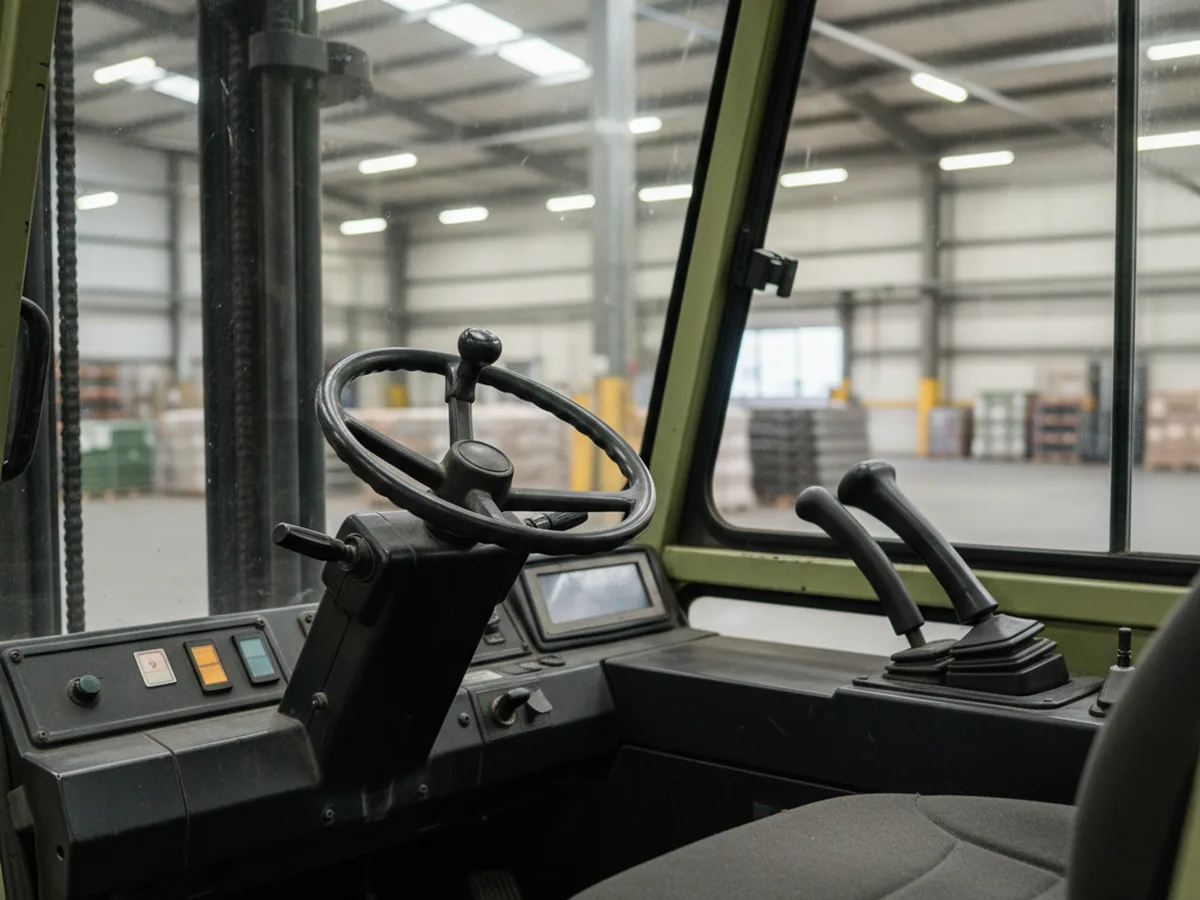
Low-back mechanical seats for short cycles, constant entry and exit, tight overhead clearance. Flip-up armrests and presence-switch provision.
Manufacturing seats since 2007
We are KL Seating, an industrial vehicle seat manufacturer. We make forklift, construction, agricultural and mower seats — and the parts that go with them — on our own stamping, welding, foaming and assembly lines. Send four measurements and we reply with the models that physically fit, and the ones that do not.
Start here
The family a machine belongs to settles suspension travel, backrest height and mounting interface before anything else is discussed.
Low-back mechanical seats for short cycles, constant entry and exit, tight overhead clearance. Flip-up armrests and presence-switch provision.
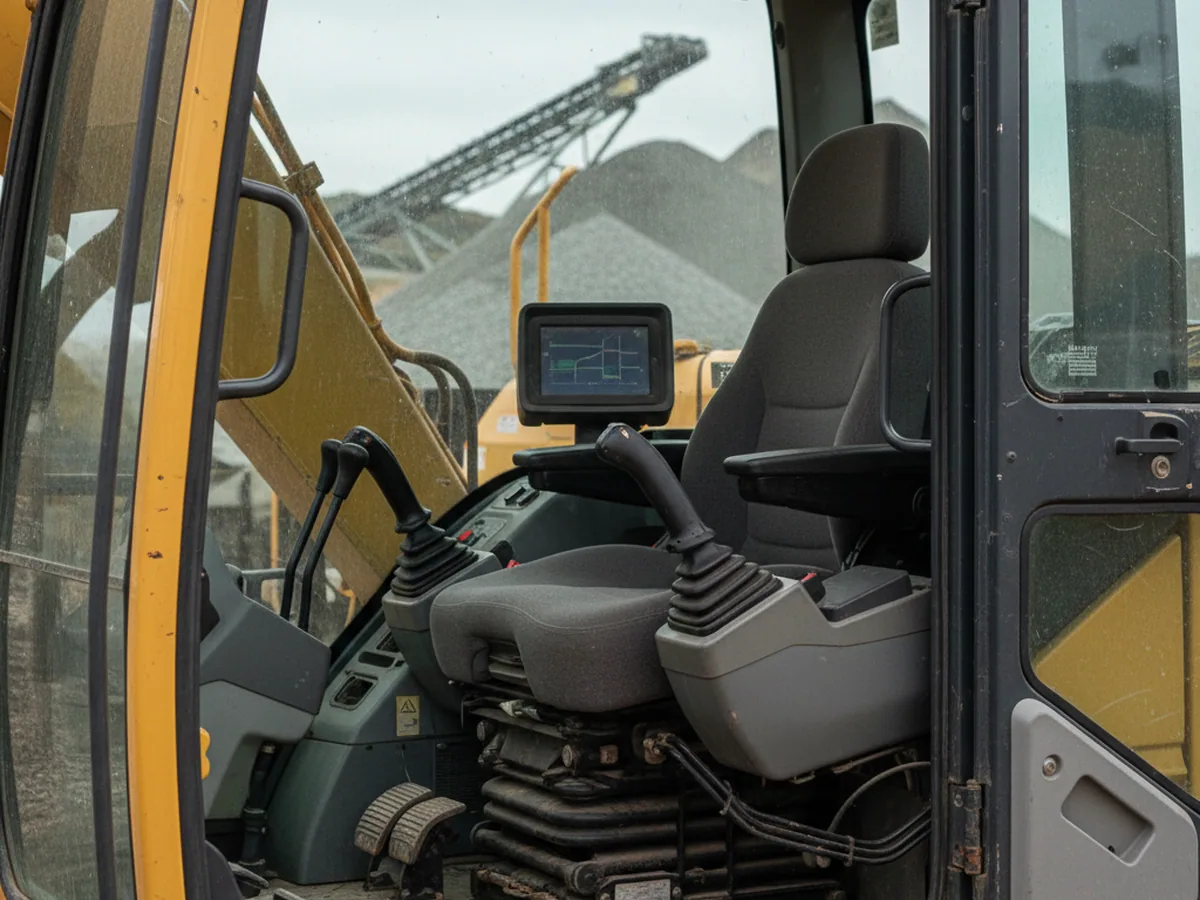
High-back seats with full body and head support for excavators, loaders and rollers, where the cab itself is moving.
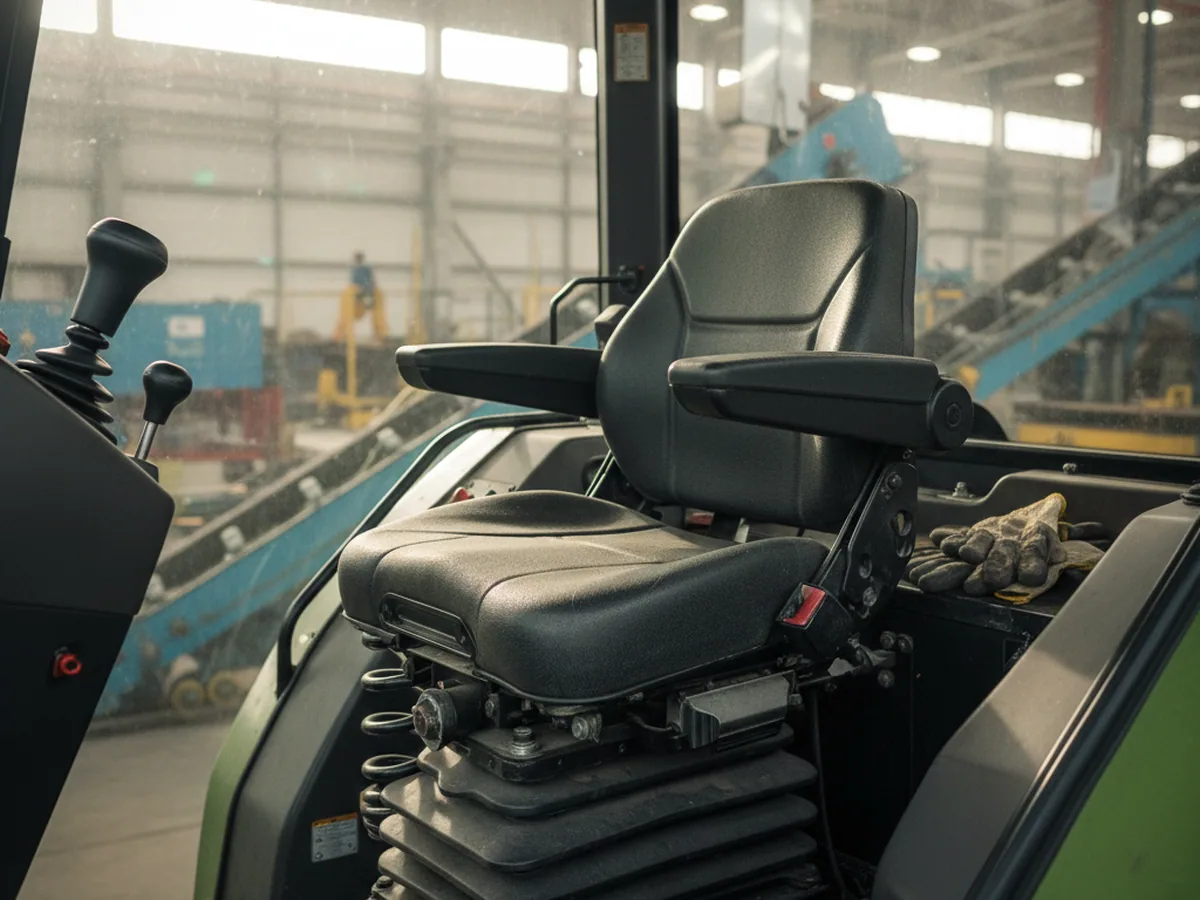
Long-duty seats for tractors and harvesters, including 24 V air suspension where ground input is worst.
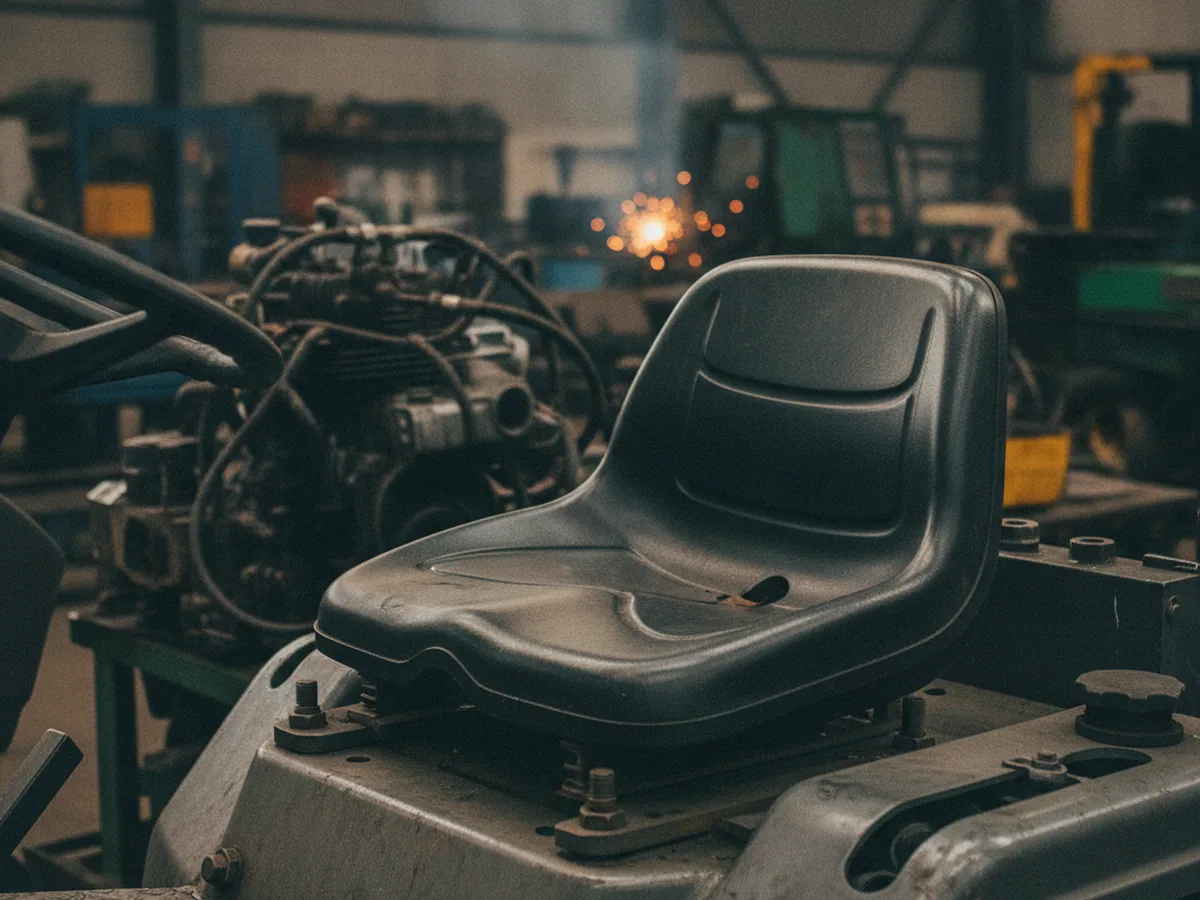
Compact seats for ride-on mowers, where weather exposure between uses drives the specification more than travel does.
Excavator cabs, where the whole cab slews and the mounting sits on a moving floor, are covered on their own page: excavator seats.
Model level
One identifying figure each, so a shortlist can be built before a specification sheet is opened.
What we make, and who buys it
We are an industrial vehicle seat manufacturer: we build complete seats for forklifts, construction machinery, agricultural machines and ride-on mowers, plus nine families of parts that fit them — off-road and industrial vehicles, from one plant.
We sell to machine builders specifying against a model, to distributors carrying a range across several families, to aftermarket importers replacing one broken seat at a time, and to fleet operators keeping their own machines working.
The question that stalls most enquiries
Answerable in one email, and none of it needs a model number from this side.
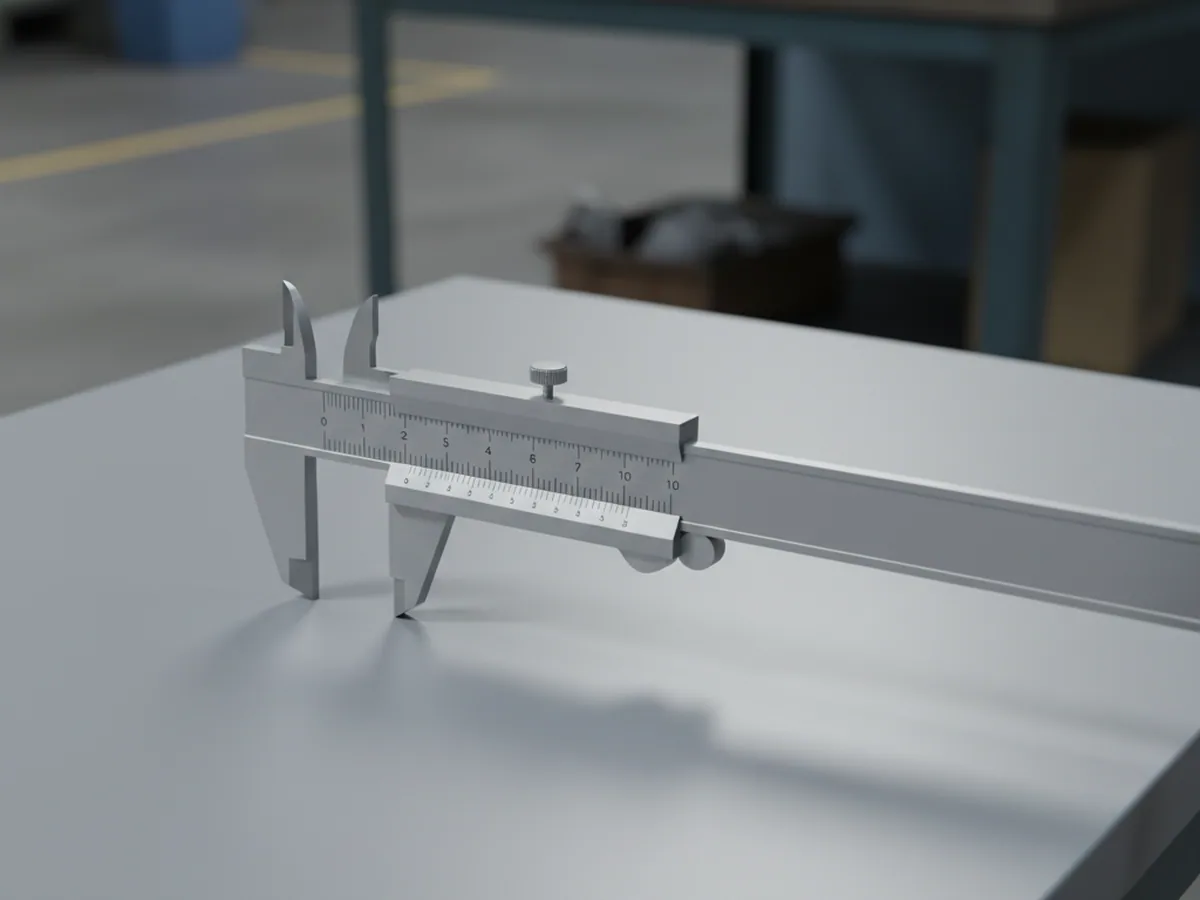
Centre-to-centre spacing of the bolt holes on the machine's seat plate, front-to-back and side-to-side. This one dimension eliminates most of a catalogue in a single step.
Whether the machine already carries a rail, whether fore-and-aft travel is expected from the seat, and how much room sits behind it before a bulkhead. KL01 gives 165 mm of fore-and-aft adjustment and YS2-8 gives 150 mm; a cab that cannot give that back changes the rail choice.
Presence switch or not, and what the machine expects to see when the operator stands up. KL01 takes a presence switch; YY01 carries a safety switch as standard. Sending the connector type saves a sampling round.
Air suspension only. YJ03 runs on 24 V. A 12 V machine and a 24 V seat is the most common late discovery in this category — normally found after the pallet lands.
Two centre-to-centre figures in millimetres, front-to-back and side-to-side.
The seat plate with a tape measure laid across it, shot square-on and in focus.
“Standard”, “the usual one”, or the whole machine photographed from three metres away.
Send those and, within 48 hours of the data being complete, we name which models fit and which do not.
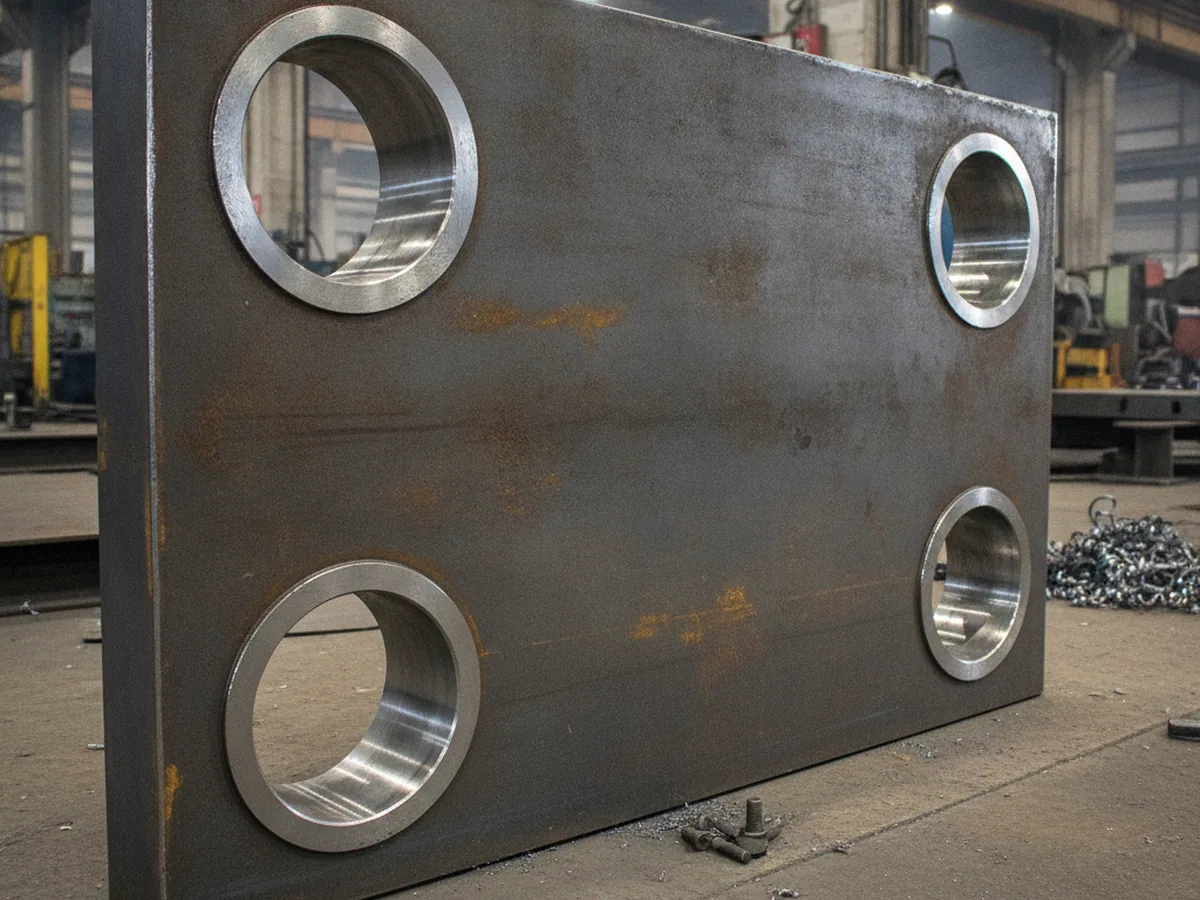
A and B are the two centre distances asked for. C is the fore-and-aft travel the cab can give back.
Three answers to ground input
Not three quality grades. The wrong one is uncomfortable in week one and cracked by month twelve.
 Mechanical
 |
 Semi-suspension
 |
 Air
Air |
|
|---|---|---|---|
| Suits | Short repetitive cycles on hard flat floors — forklifts, warehouse handling | Light plant and compact machines, limited cab depth | Long shifts over broken ground — tractors, harvesters, earthmoving |
| How it isolates | Steel spring and damper, set by a weight adjuster | Reduced-travel spring pack, usually rail-mounted | Air spring with automatic levelling, powered from the machine |
| The working band of the weight adjuster. Outside it the spring bottoms out on every bump or never moves at all. | 50–130 kg (KL01, YS2-8) · 40–120 kg (YY53, YY03) | Set at the rail | 50–130 kg (YJ03) |
| Vertical stroke. Check it against cab headroom before anything else — a dash means the figure is not published. | 50 mm (KL01) · 80 mm (YS2-8) · 48 mm (YY53) | Short by design | Governed by the air spring |
| Watch out for | Travel that exceeds cab headroom | Fine angle adjustment matters more than travel here (YY01) | Machine voltage — YJ03 is 24 V |
The adjuster is what makes a mechanical seat work at all. Where operators sit at the ends of the band rather than the middle, tell us — it moves the recommendation further than machine type does. Tractor and harvester cabs, where air suspension earns its cost, are worked through under tractor seats.
Chosen against the environment
Three environments, three different failures. The colour swatch is the last decision, not the first.
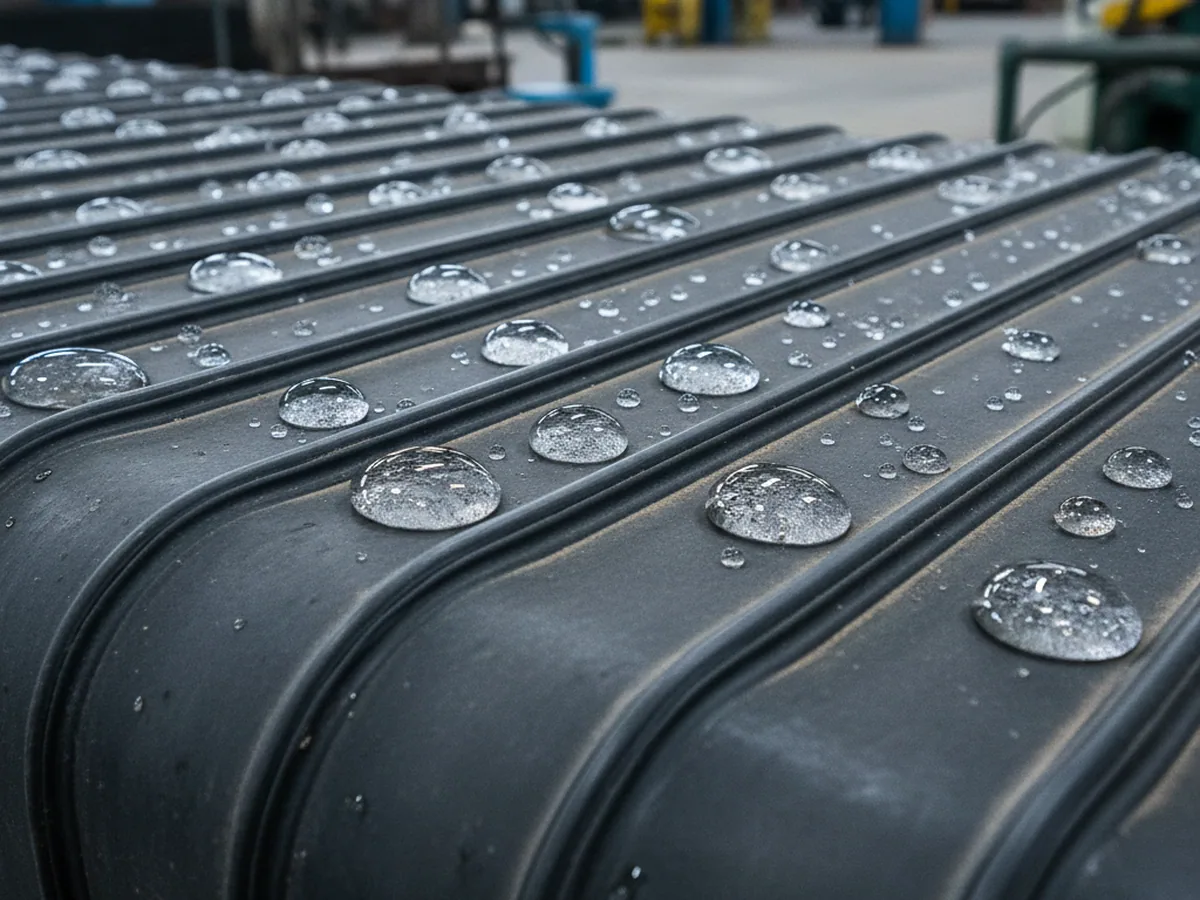
Water-resistant PVC sheds rain and takes a hose, which is why mower and outdoor plant seats default to it. Wear-resistant PVC over high-density foam is the specification behind YY03.
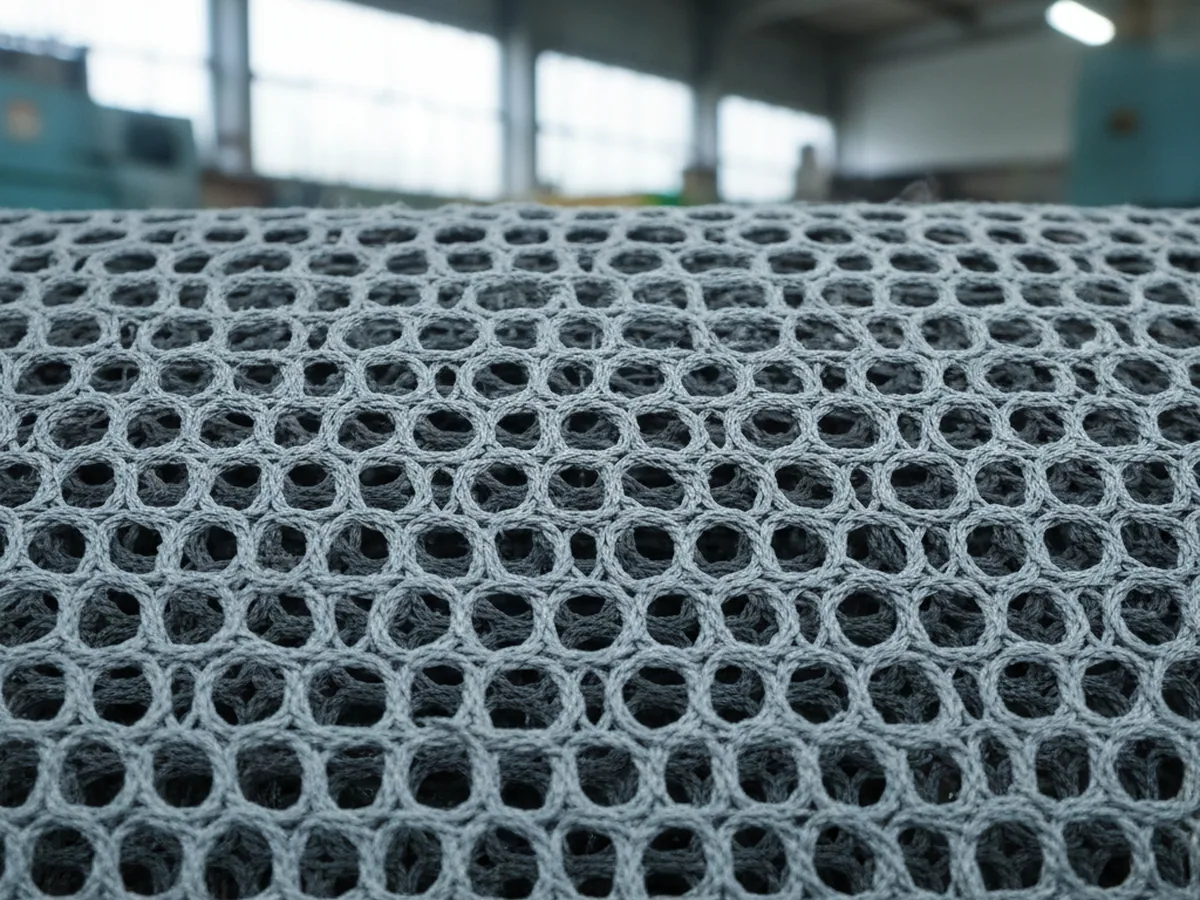
Woven fabric breathes where PVC does not — the right answer for an operator seated for hours in a warm cab, the wrong one anywhere it gets wet regularly.
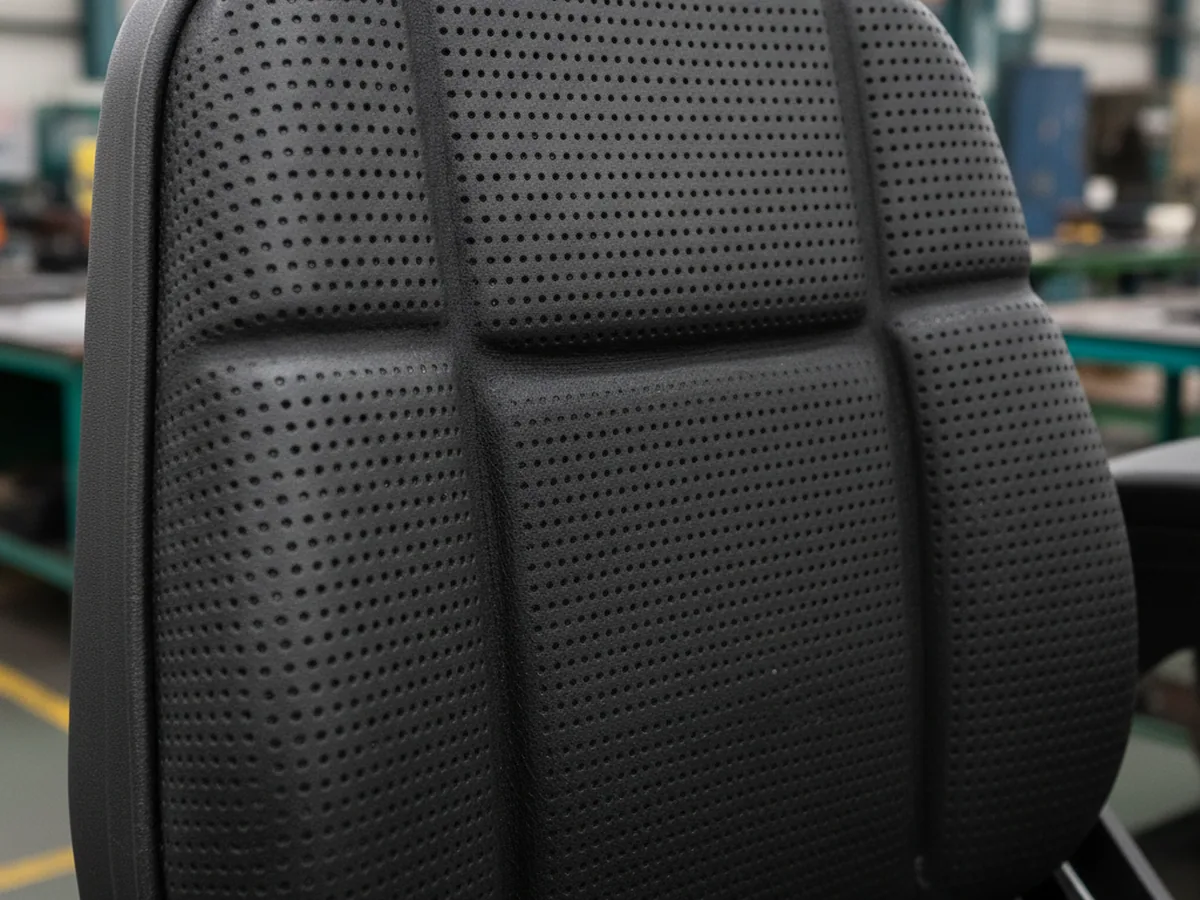
KL01 is offered in PVC or fabric on the same frame. Foam density, frame and suspension stay put — which is what lets an OEM programme change cover, colour and stitching without touching the tooling underneath.
The plant behind the part
Half a million seats across six lines is roughly 320 per line per day — the number that decides whether a restock date holds when somebody else's order lands in your week.
Nothing subcontracted
Most seat suppliers own one or two and buy the rest. Owning all four changes three specific things a buyer will notice.
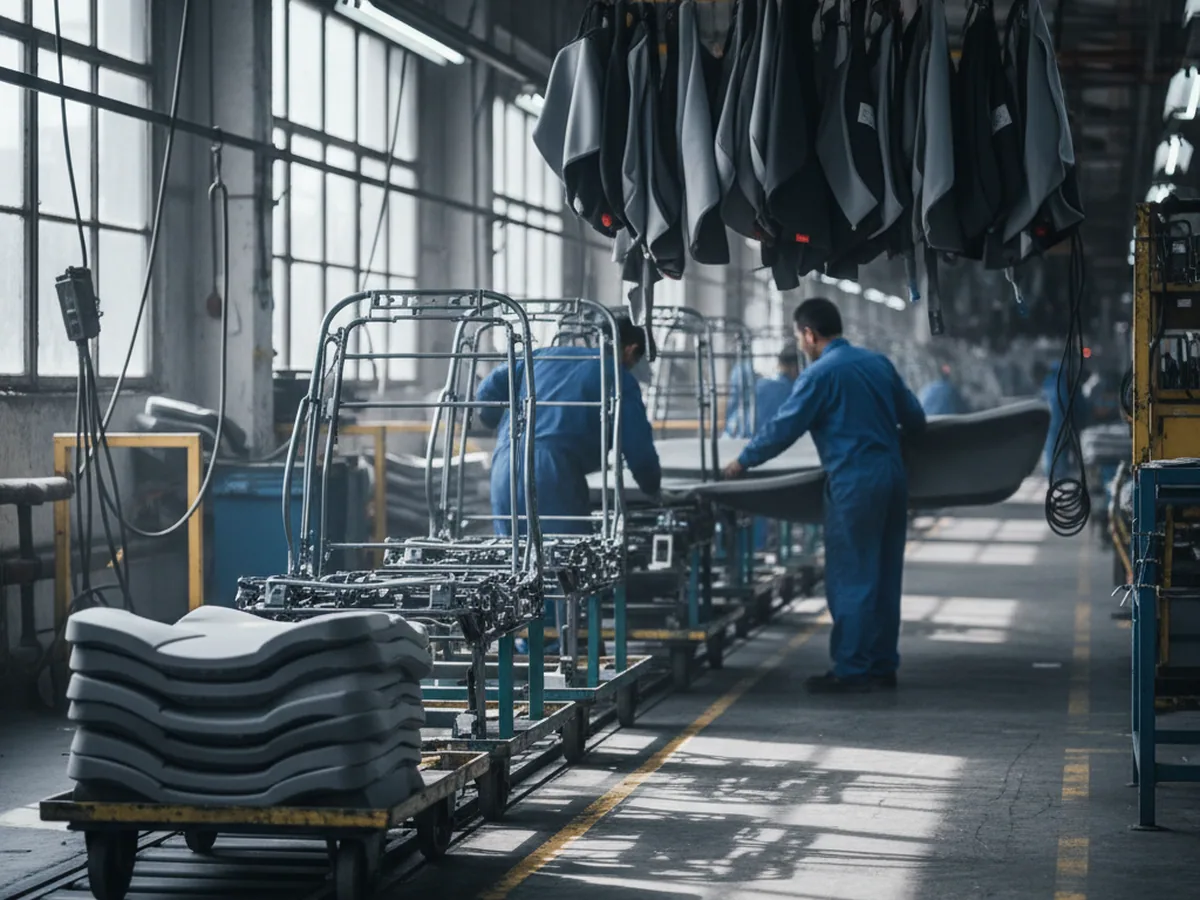
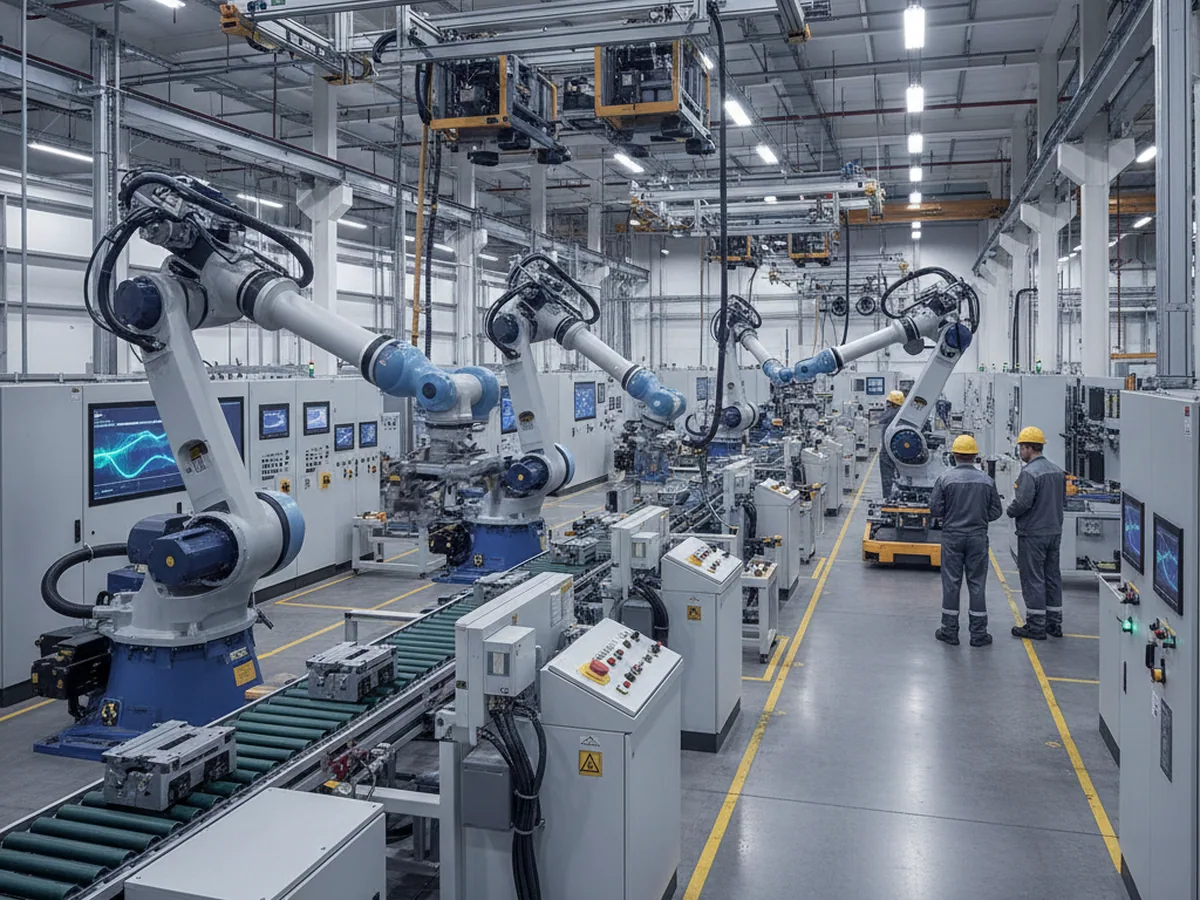
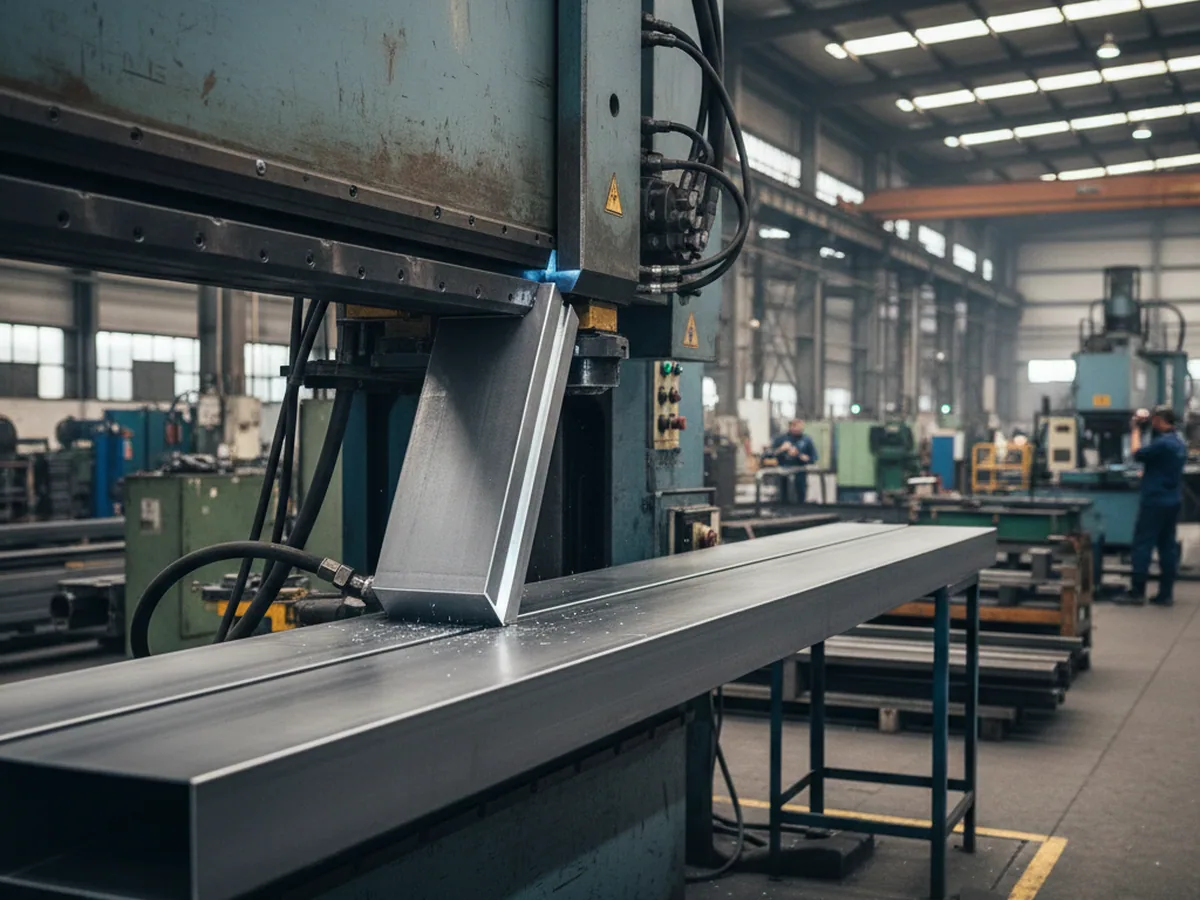
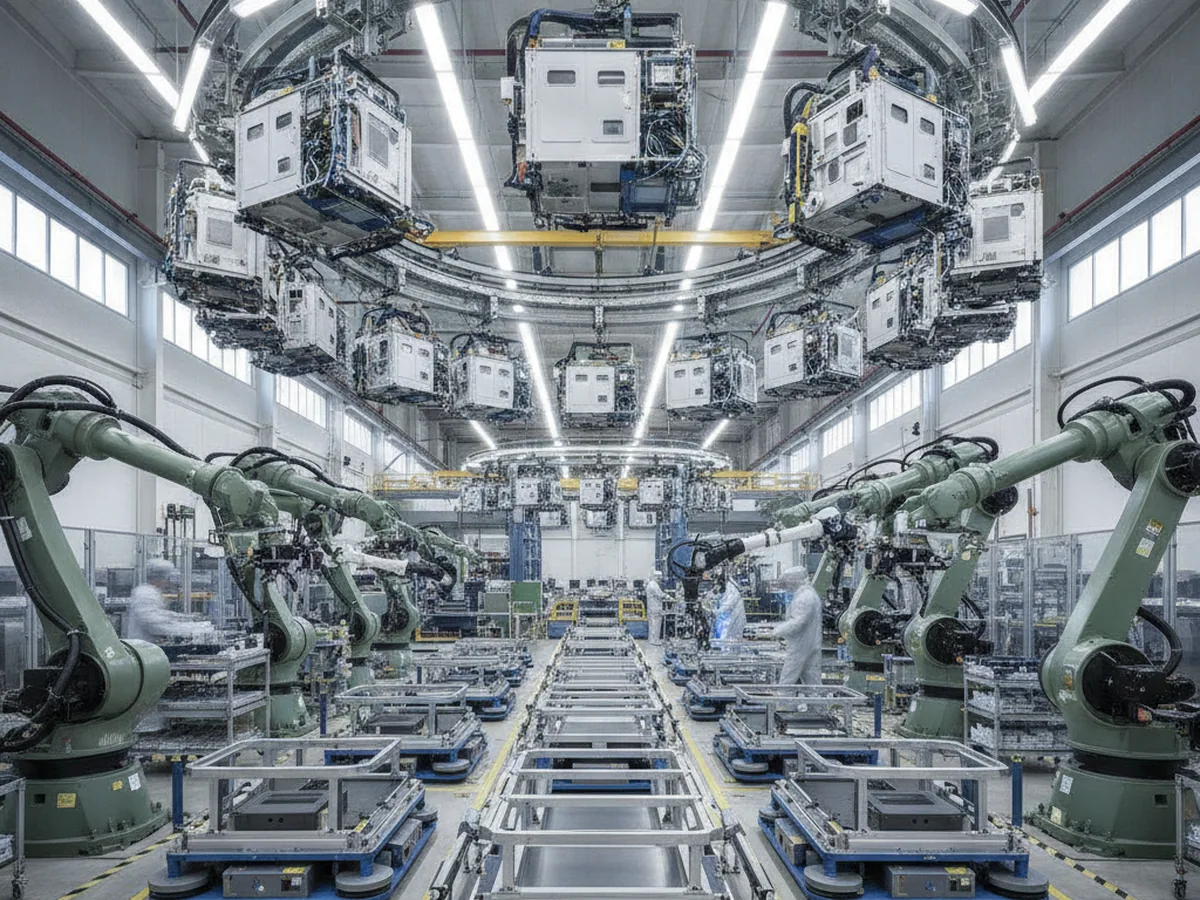
Automatic presses form the frame and bracketry — the parts that decide whether a mounting pattern is met.
Robot welding on the frame, which is where batch-to-batch consistency is either won or lost.
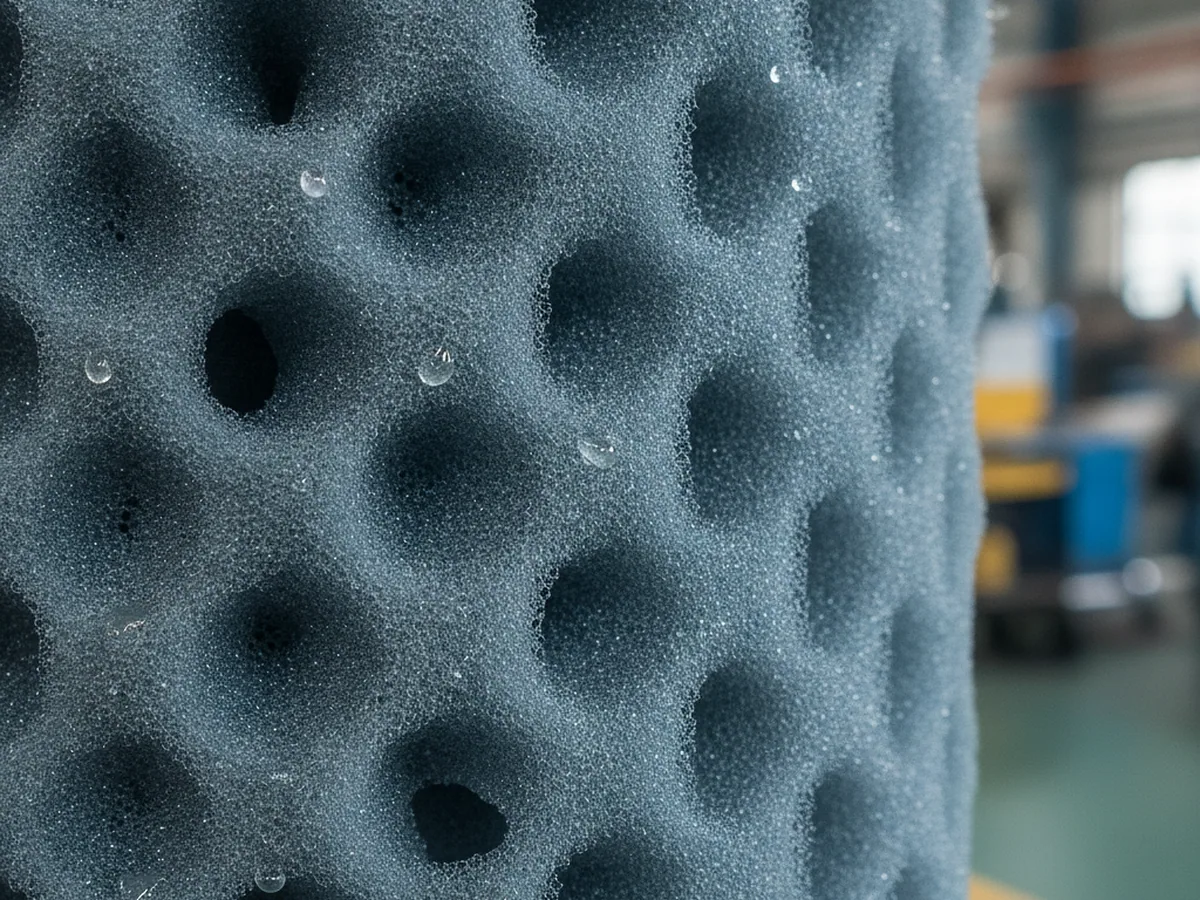
In-house foaming on a fully automatic flying box system, so cushion density is a controlled parameter, not whatever a supplier shipped.
Six automated lines feeding a stereoscopic warehouse, with a 5G digital workshop recording what came off which.
One bench, in full
One bench in full — the shock absorber fatigue rig — because suspension is the failure nobody photographs. The other thirteen are named below.
Suspension is what buyers get burned by. A cover scuffs visibly and a foam softens visibly, but a damper degrades quietly: the seat still looks new while the operator has taken ground input directly for months. The failure nobody photographs and everybody pays for.
A complete suspension assembly — frame, spring pack and damper as they will ship, not a bare damper. The real failures sit at the interfaces: the damper eye, the weld at the scissor pivot, the bracket the weight adjuster reacts against.
100,000 cycles at 1 Hz, at the model's full rated stroke, at ambient temperature. Three pass criteria, all of which have to hold at the end of the run.
Remaining stroke against rated — no more than 5% decay
Damping force at the reference velocity
Crack initiation at scissor pivots, damper eyes and the adjuster reaction bracket, confirmed by metallographic sectioning
Ask during qualification and we email photographs of all fourteen benches, machine by machine. A quality statement is a sentence anyone can write; a bench either exists or it does not.
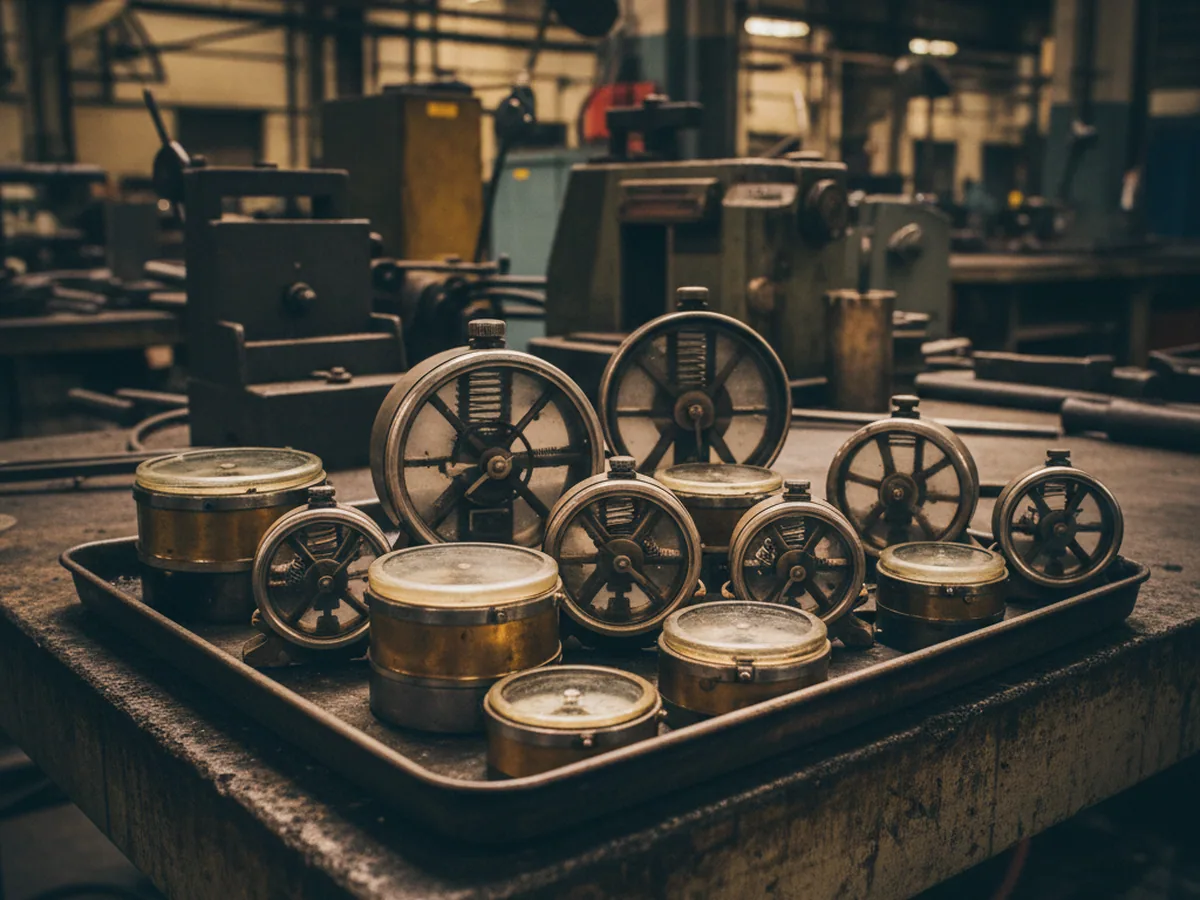

What each of the fourteen measures, and what a pass looks like on each, is set out under in-house seat quality testing.
When one fails
Two things a supplier can do when a sample fails on the bench. Only one of them keeps the risk on this side.
Nothing ships. The failure is traced to a weld cell or damper lot, the build is corrected, and the corrected build has to pass the same run before the hold lifts. Expensive — and the schedule takes the hit here rather than in the field.
The batch goes out with a note to watch it. The schedule survives and the risk moves onto the buyer, who finds out a warranty season later, in machines already working.
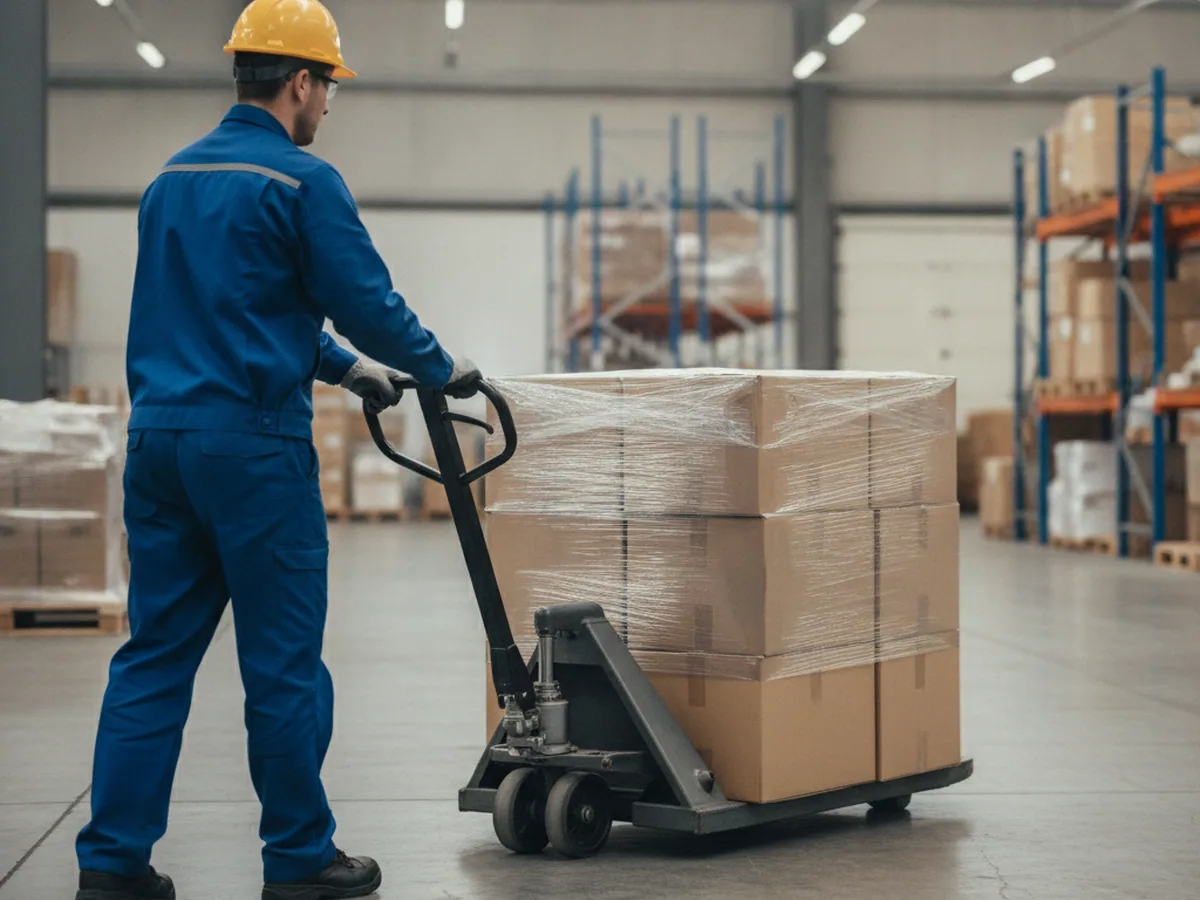
Stamping, welding and assembly sit in the same building, so a batch traces back to the weld that made it. A supplier who buys frames in cannot trace a batch back to a weld it did not make — worth asking about before the first order, not after.
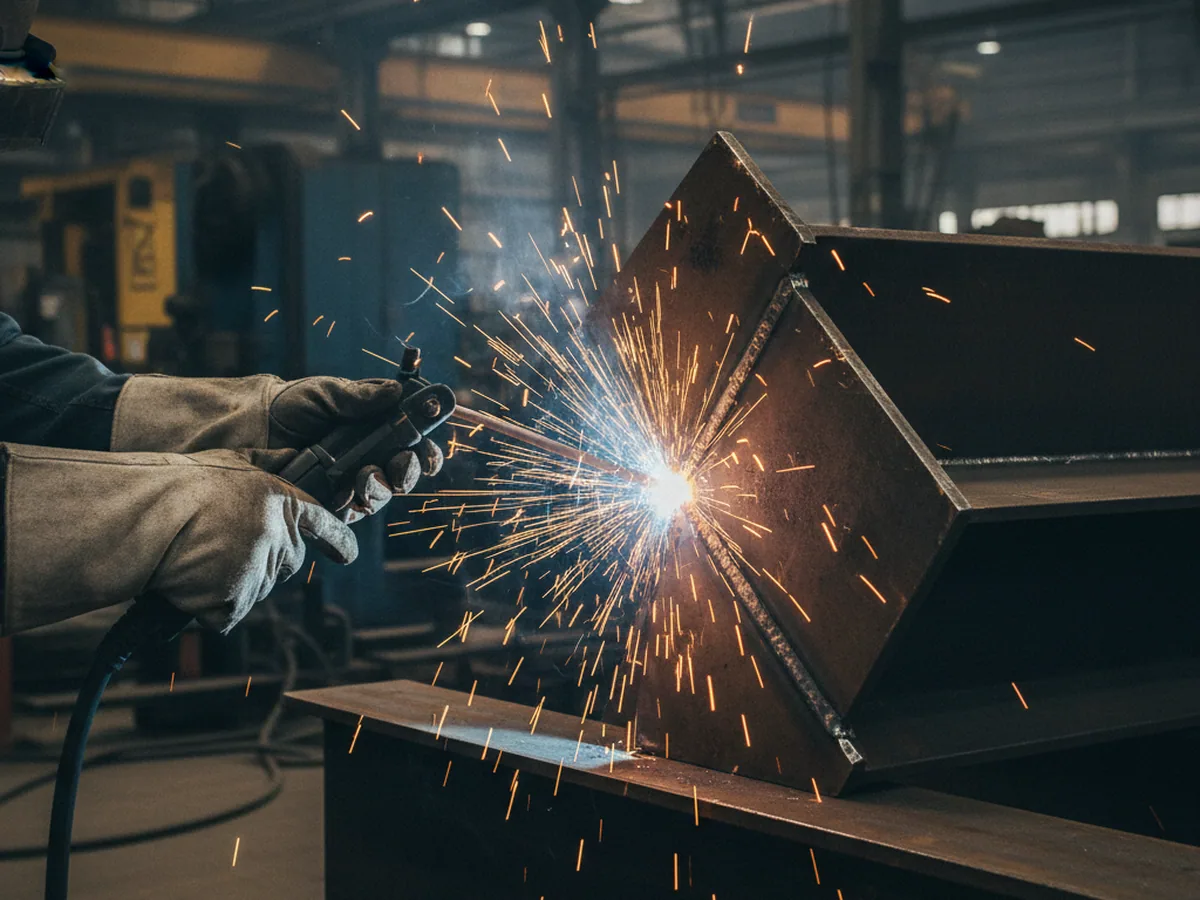
Where the designs come from
30+ seat patents, clustered around the parts that move: suspension linkages, weight adjustment mechanisms, armrest and backrest articulation, rail and swivel arrangements. They are the accumulated answer to the question this page circles — how to make one frame fit a wide range of machines and operators.
A luxury suspension system developed jointly with East China Jiaotong University, a provincial key university, for the top of the range.
Three recognitions sit alongside the patents. None is a product certification — the bench above answers that question.
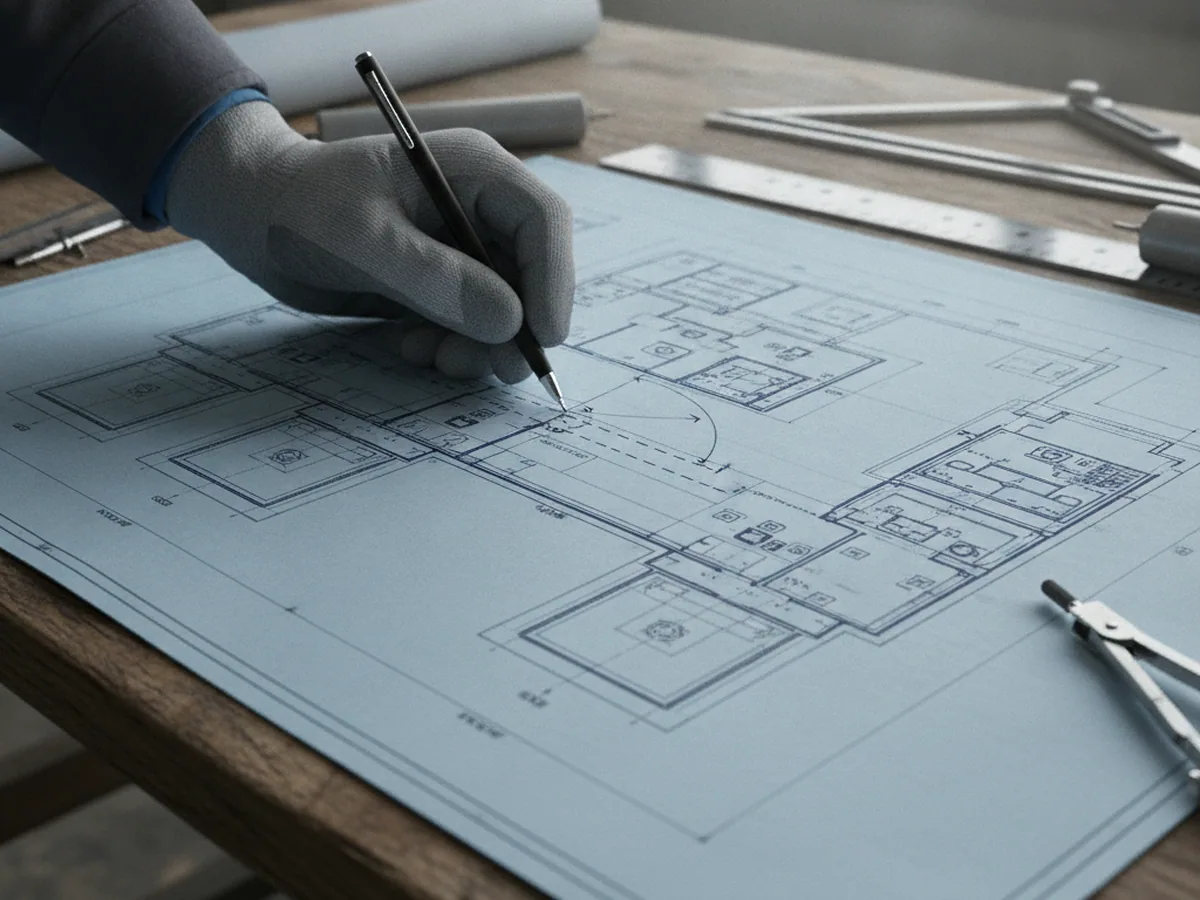
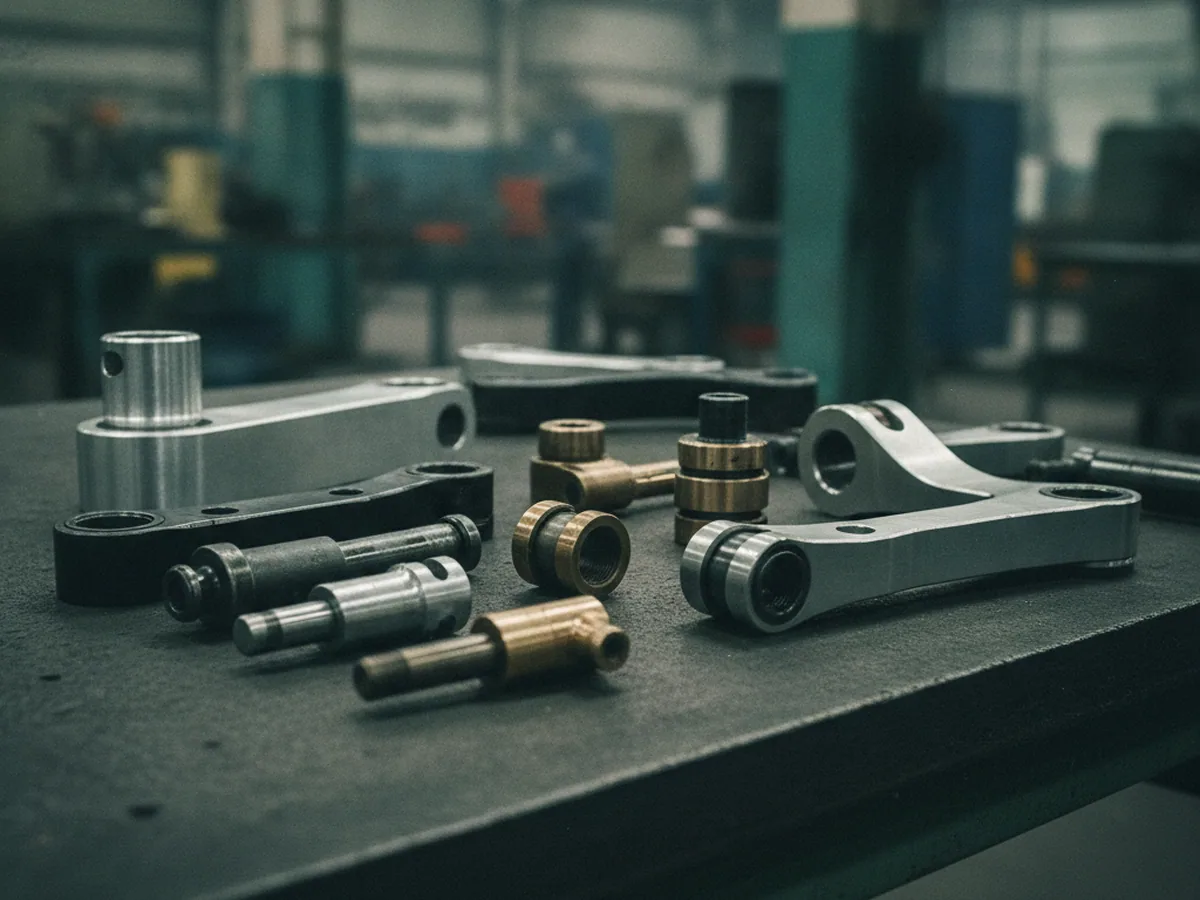
Compliance file
Ask at qualification and we email both certificates as PDF scans — the form a compliance file needs anyway.
Quality management system
Product mark for the European market
A management system certificate says how the plant is run. Whether a specific seat passed a specific test is a different question — the bench above answers that one.
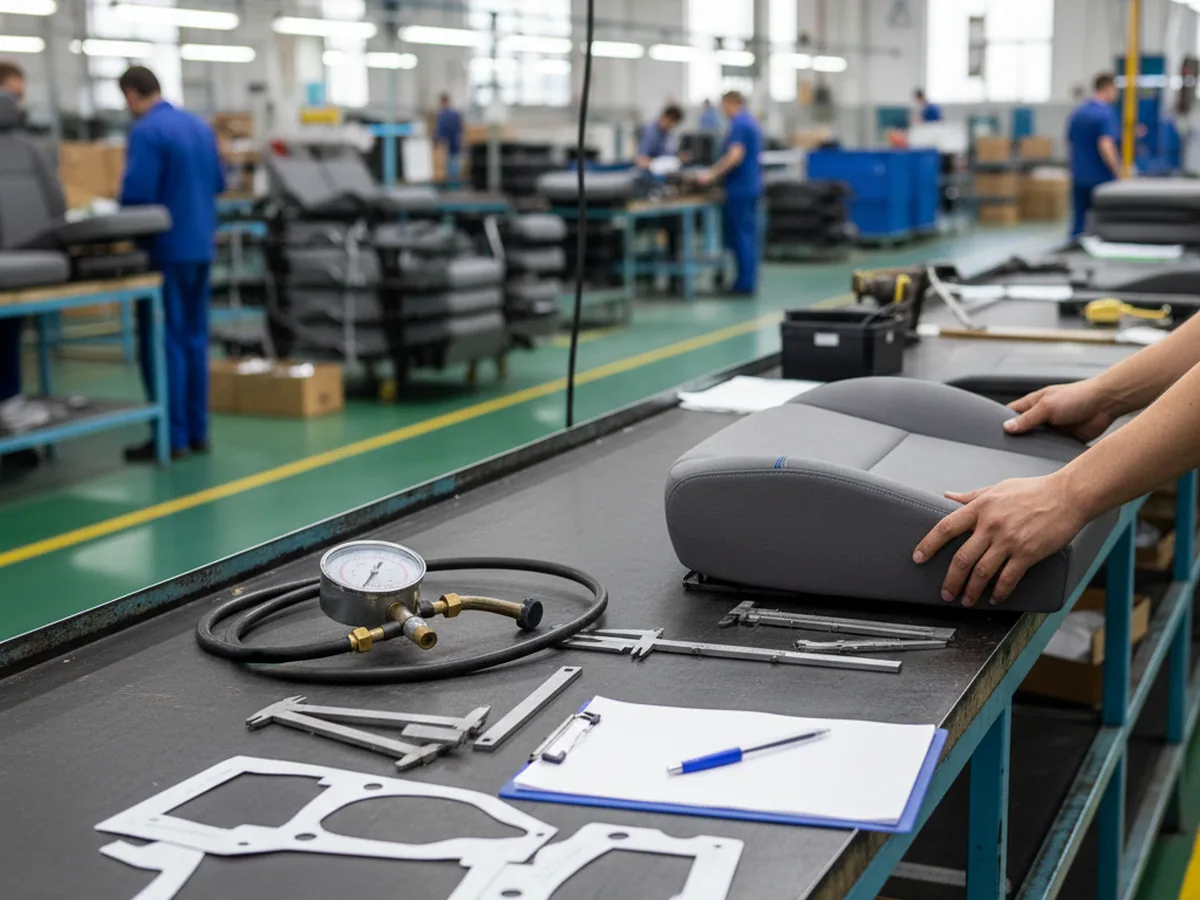
Inspection station where every seat is checked and recorded
Five levels, ascending
The useful part is knowing where a specification change ends and a new tool begins.
| Level | What changes | What it needs | What it does not touch |
|---|---|---|---|
| 1 | Marking. Your mark on the seat and on the packaging | Artwork, and where it goes | Nothing structural |
| 2 | Colour. Cover colour, stitching, adjuster-lever colour | A colour reference | Frame, foam, suspension |
| 3 | Cover material. PVC to fabric, or a different grade of the same family | The environment it works in | Frame and suspension |
| 4 | Structural change. Backrest height, armrest type, rail, switch provision | The machine interface — the four measurements above | The core frame, usually |
| 5 | New tooling. A frame or bracket that does not exist yet | A drawing or a sample machine, and a programme timeline | This is a development project, not an order |
The line sits between level 4 and level 5
A change to what bolts onto an existing frame runs against tooling that already exists. A new frame is a tooling programme with its own timeline, and should be discussed as one from the start rather than discovered halfway through sampling. Many enquiries that open at level 5 are answered at level 4 once the mounting pattern arrives — the frame was never the problem, the interface was.
Levels 1 to 5 in full — what each needs from you and what it leaves untouched — are on OEM and ODM seat manufacturing.
Dates that can be planned against
Fitment verification and operator trial before anything is committed. Deductible against a subsequent bulk order.
Distributors and aftermarket buyers taking an existing model as it is.
Programmes involving marking, colour, cover or structural change.
Production runs 20–30 days, counted from order confirmation. Warranty: 12 months.
Almost never production. It is fitment ambiguity — a mounting pattern that arrived as “standard”, a voltage nobody confirmed, a connector discovered at sampling. Moving that to the front costs an email instead of a container. Other first-order questions — samples, documents, what to send — are answered on the seat FAQ page.
Three first conversations
The same first email means three different things depending on who sent it. Knowing which applies shortens the exchange from a week to a message.
| Machine builders | Distributors | Aftermarket | |
|---|---|---|---|
| Needed first | Fitment against your model, then batch stability and marking | Range coverage and a repeatable restock | A compatible replacement, and paperwork to clear it |
| Open with | The mounting interface and an annual volume band | The machine families your customers run, not model numbers | A photo of the failed seat and its mounting plate |
| Where it goes | Sampling against your interface, then a customisation level | A stock-model selection, then accessory coverage | Part-or-seat, then export documents |
| What will not happen | A frame change promised before the interface is seen | A range quoted that cannot be restocked consistently | A fitment guessed from a machine photo alone |
Most fleets do not replace whole seats
Suspension units. Ordered on their own more than anything else — they wear out first, while frame and cover are serviceable.
Seat covers. The cheapest way to extend a structurally sound seat, particularly on groundcare machines left outdoors.
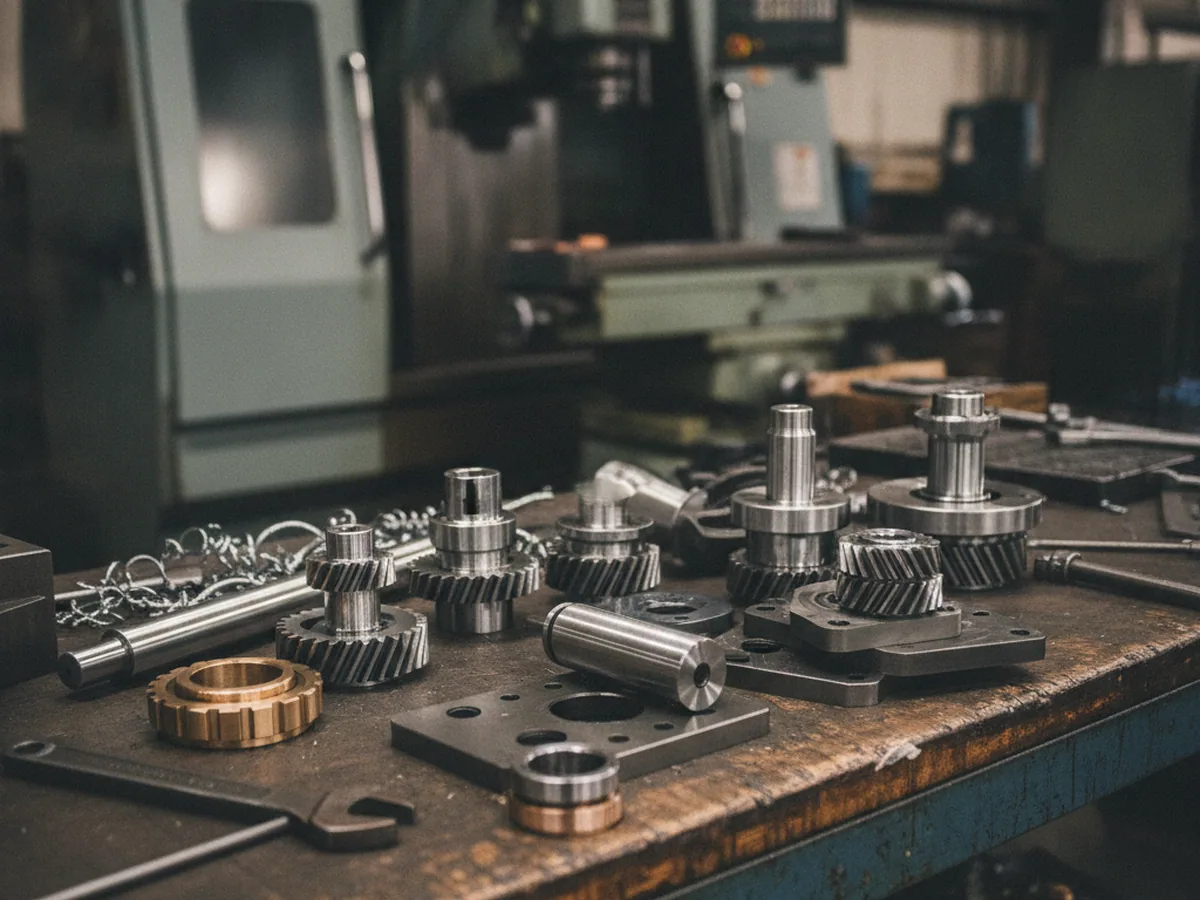
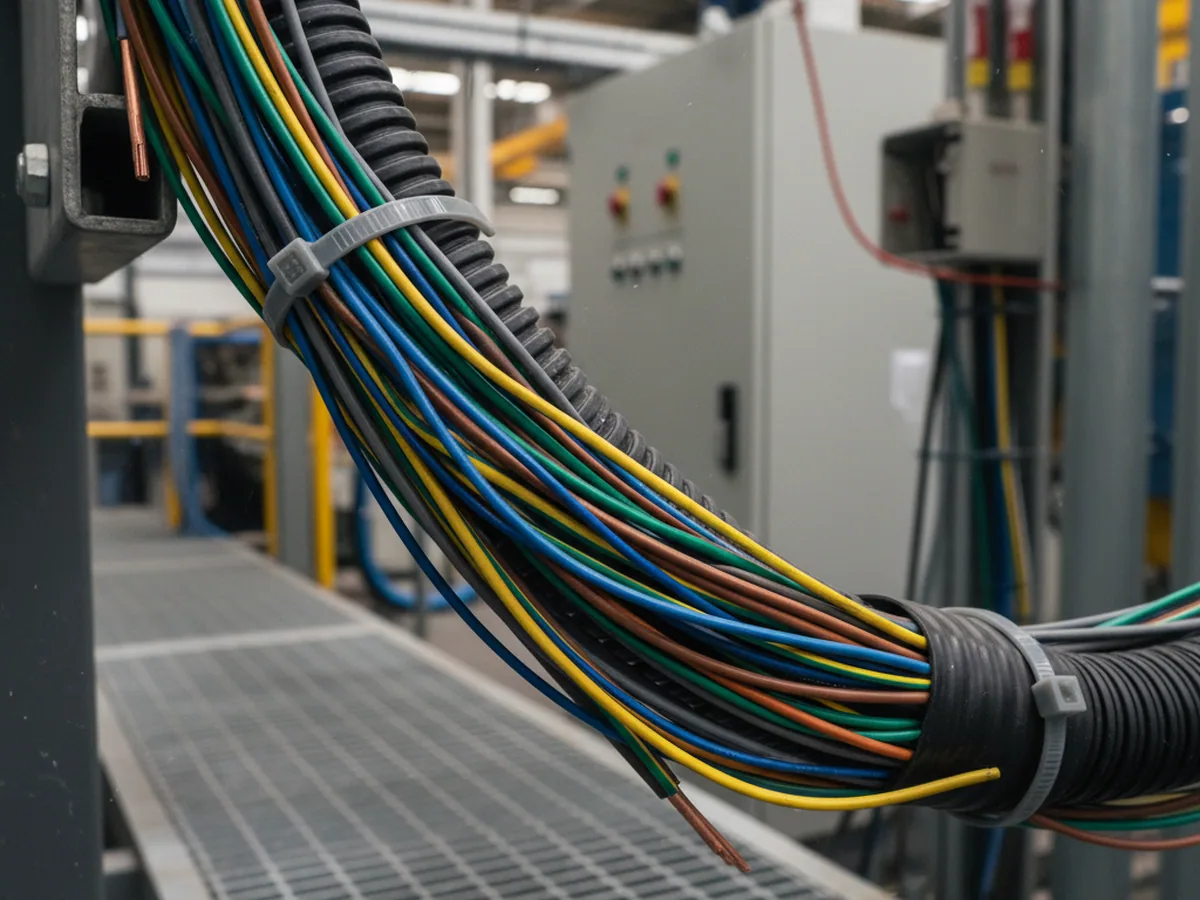
Every accessory comes off the same stamping, welding and assembly as the complete seats. A suspension unit ordered as a spare is the one fitted at the factory, so a distributor stocking both is stocking one supplier's tolerances, not two. All nine families, by machine and by what they replace, are listed under replacement seat parts.
Where it goes first
Four environments, four different first failures — which one a fleet runs in decides what to stock before anything breaks.
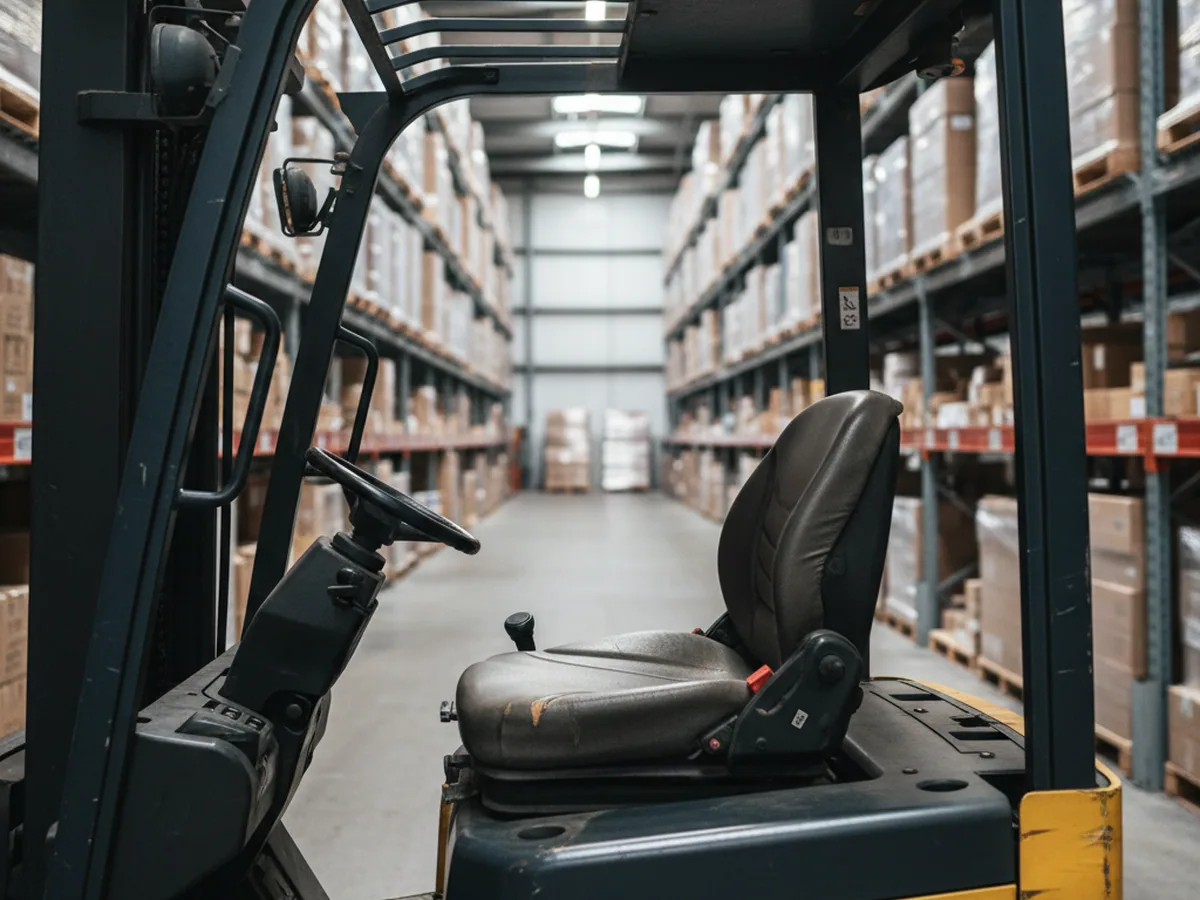
Bolster edge and armrest hinge, from hundreds of entries a shift.
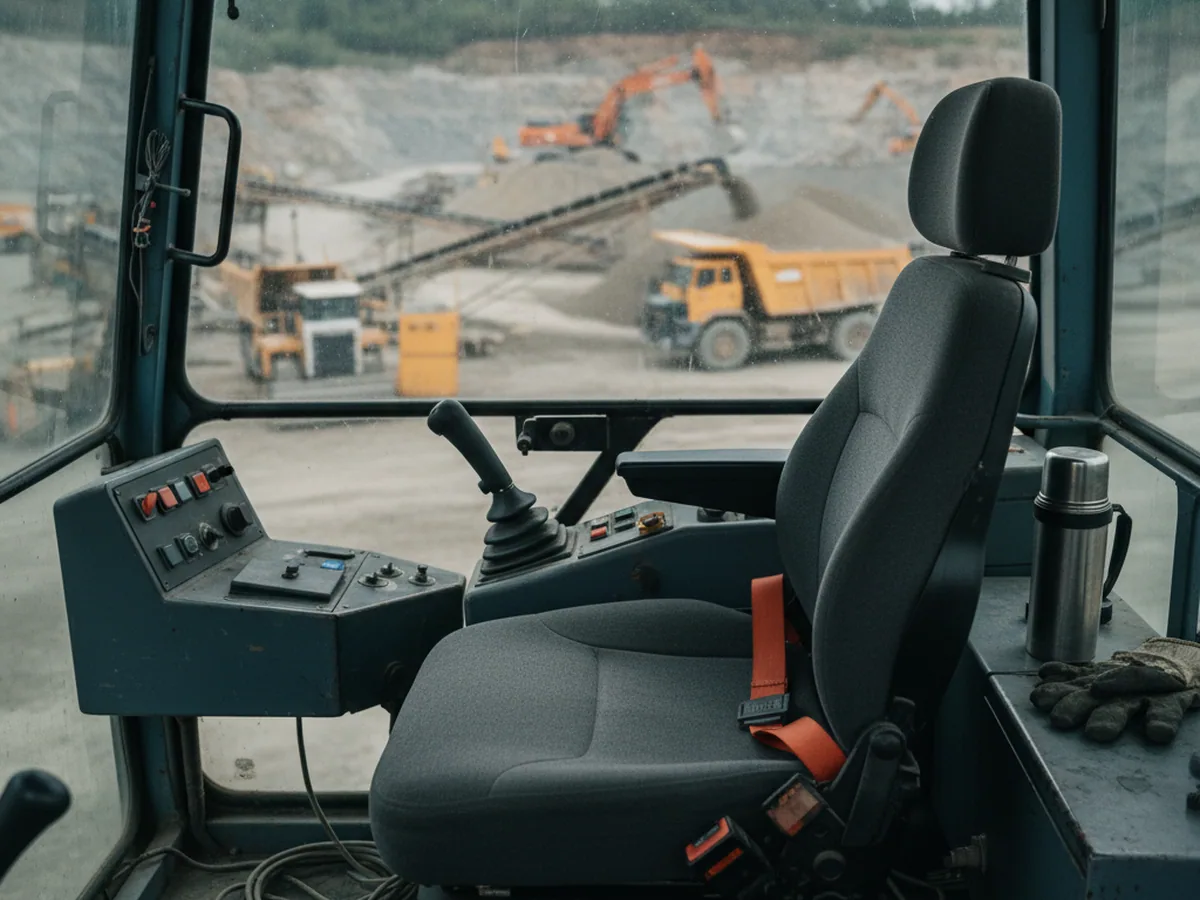
The damper, quietly, while vibration and dust arrive together.
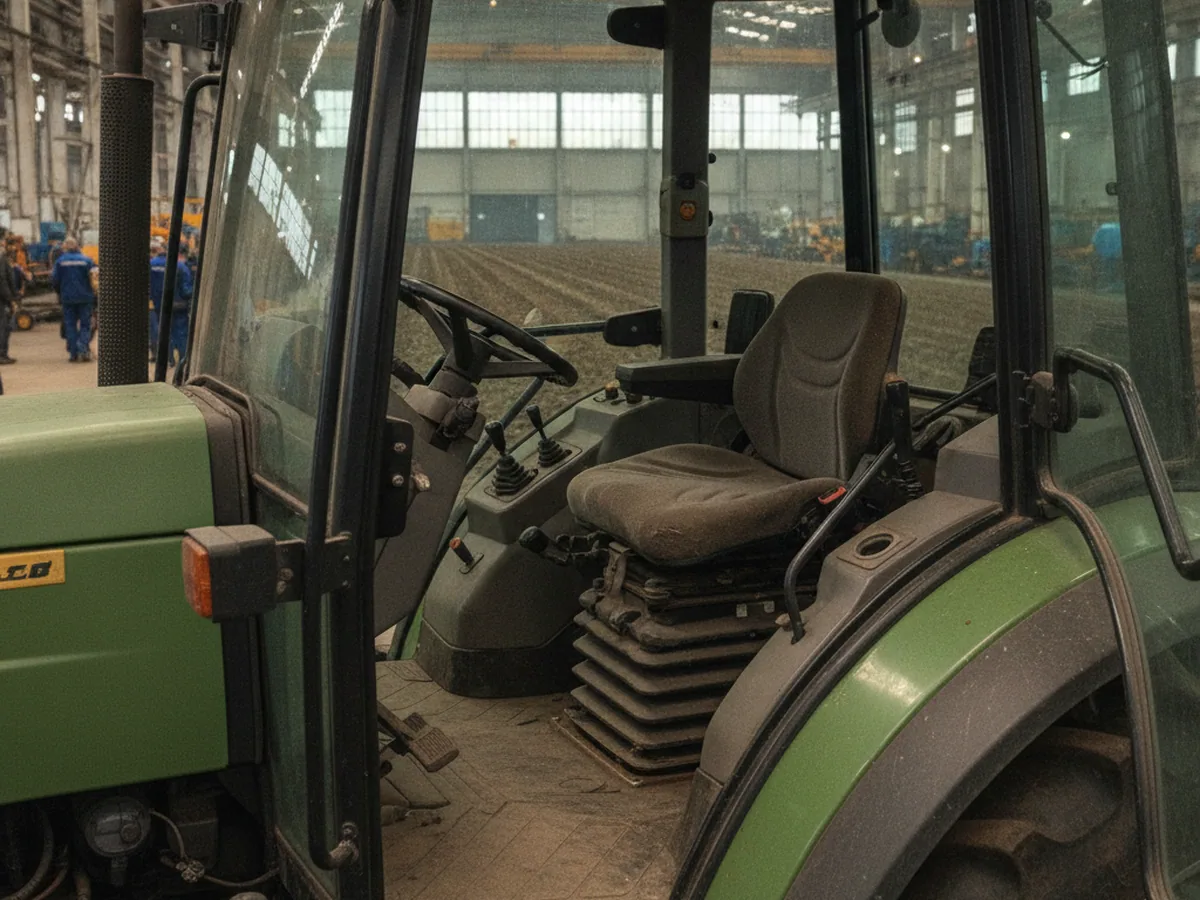
Foam, under the longest shifts over the worst ground.
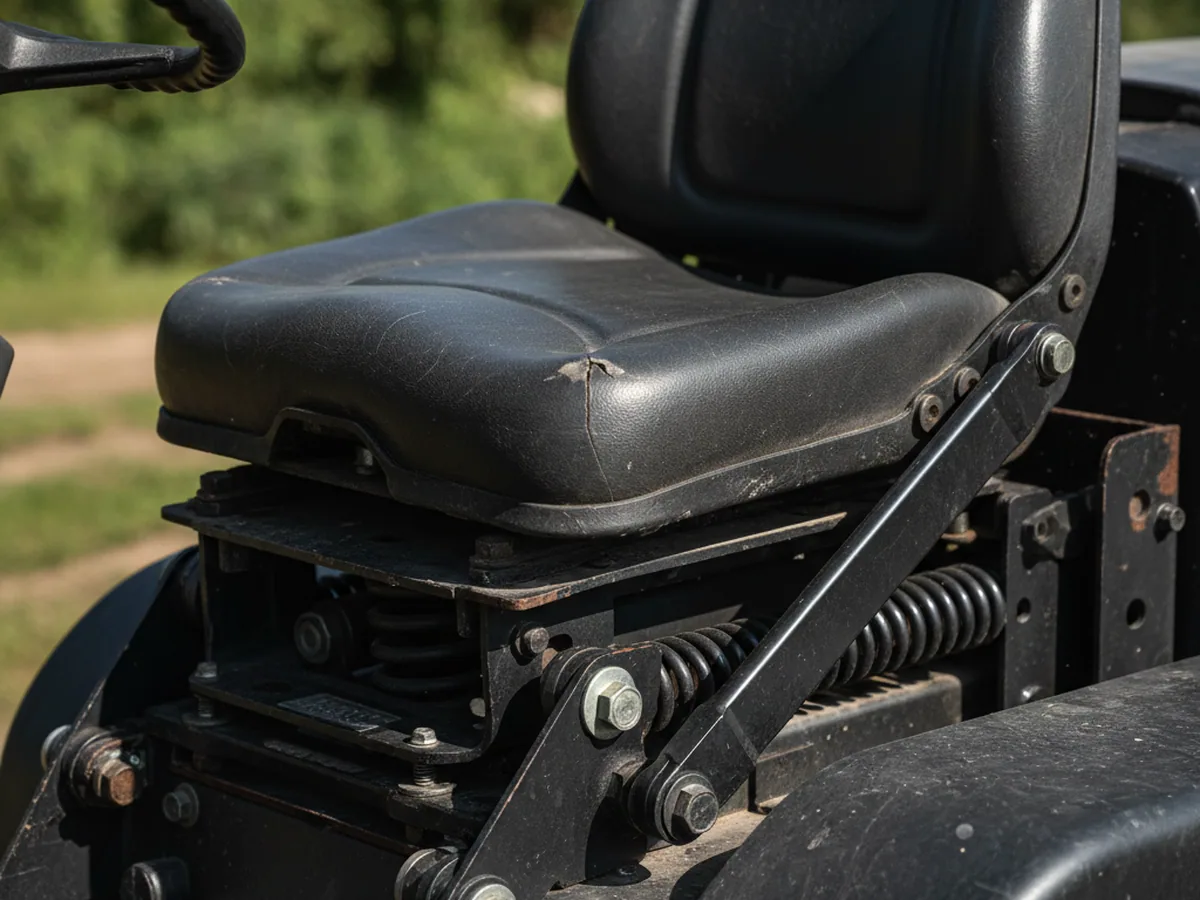
The cover, from weather between uses rather than work.
Answered before a model number
The line runs through the frame: above it a part, below it a seat.
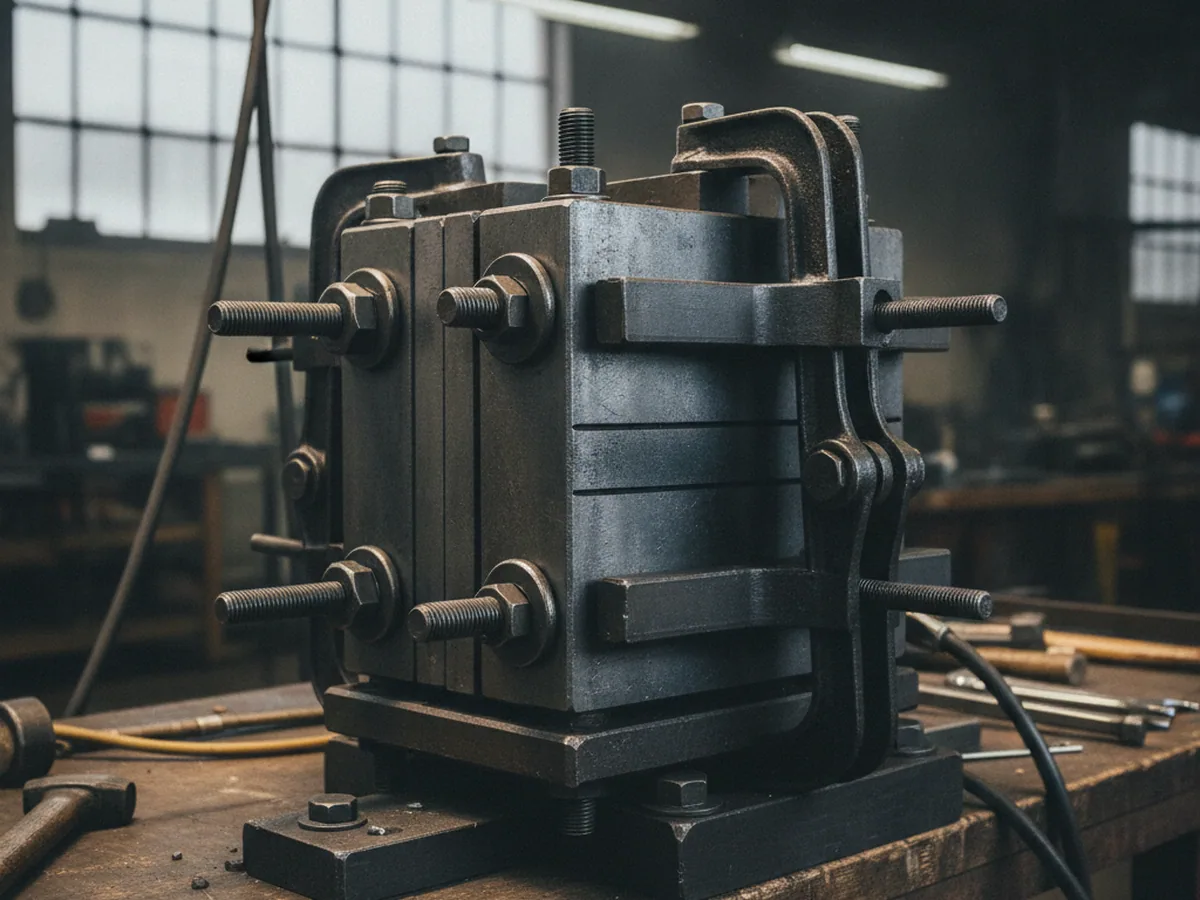
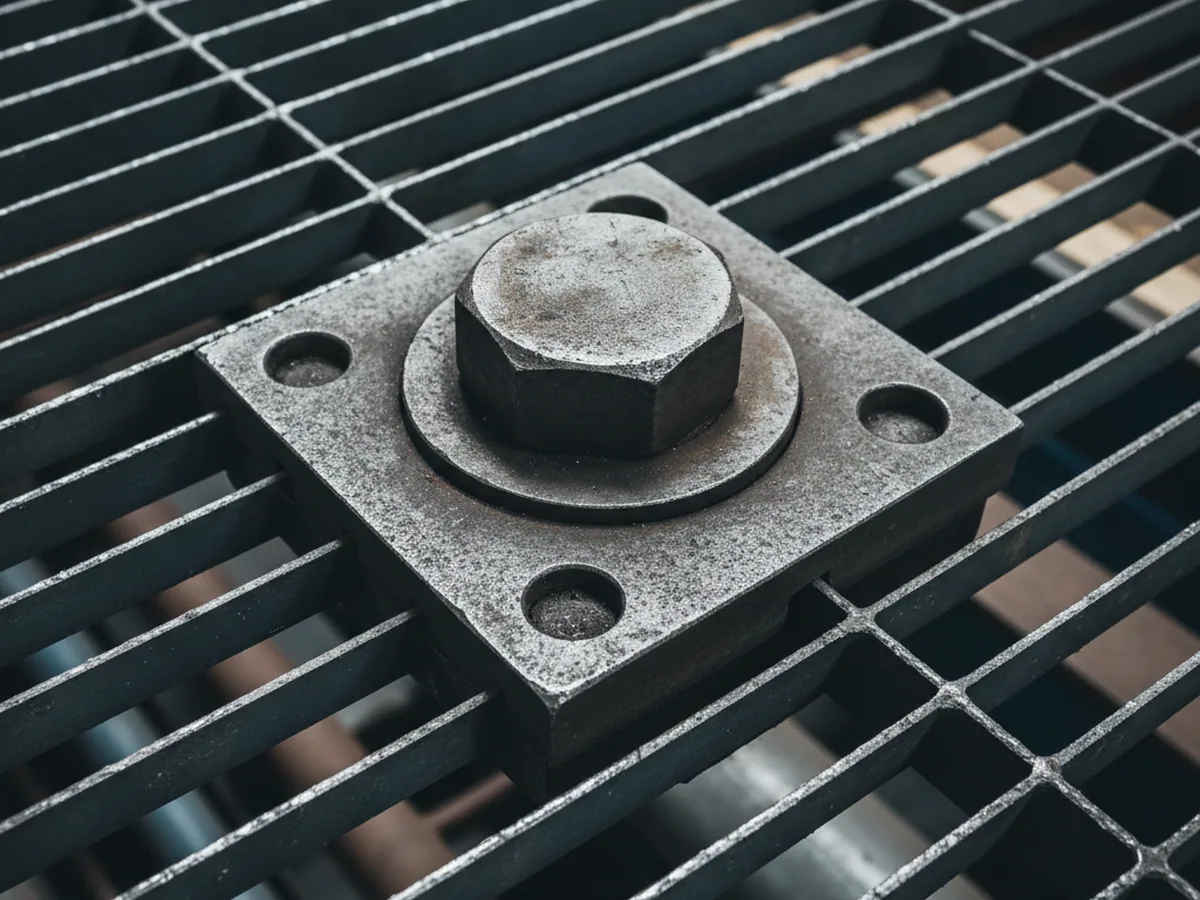
A photo of the failure, a photo of the mounting plate, and the machine type. Enough to answer part-or-seat without a model number — the label under an old seat is usually unreadable by the time anyone looks for it.
What arrives, and what travels with it
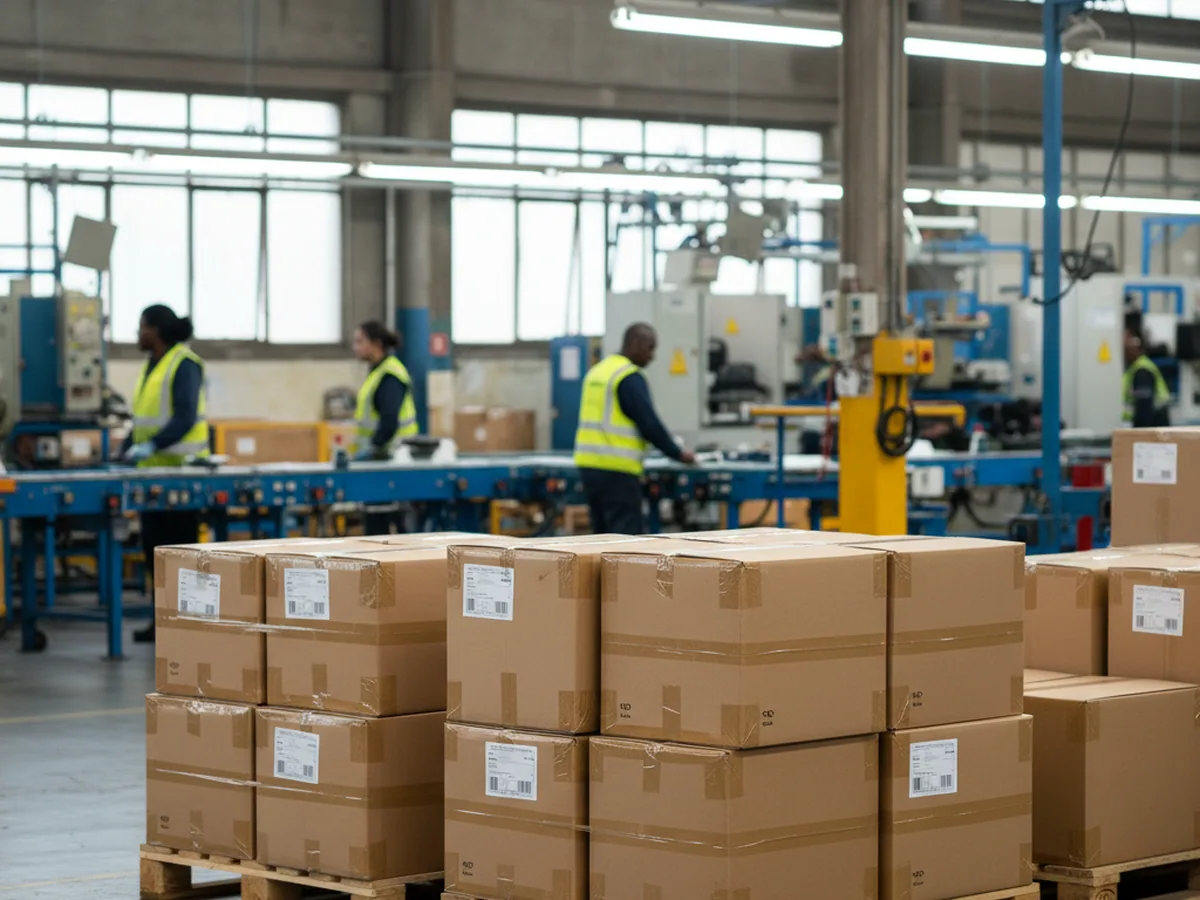
Knocked down where the model allows it, in cartons sized so a pallet builds squarely — a pallet that does not is a damage claim waiting to happen. Suspension units and accessories pack separately, so a spares order never travels inside a seat carton.
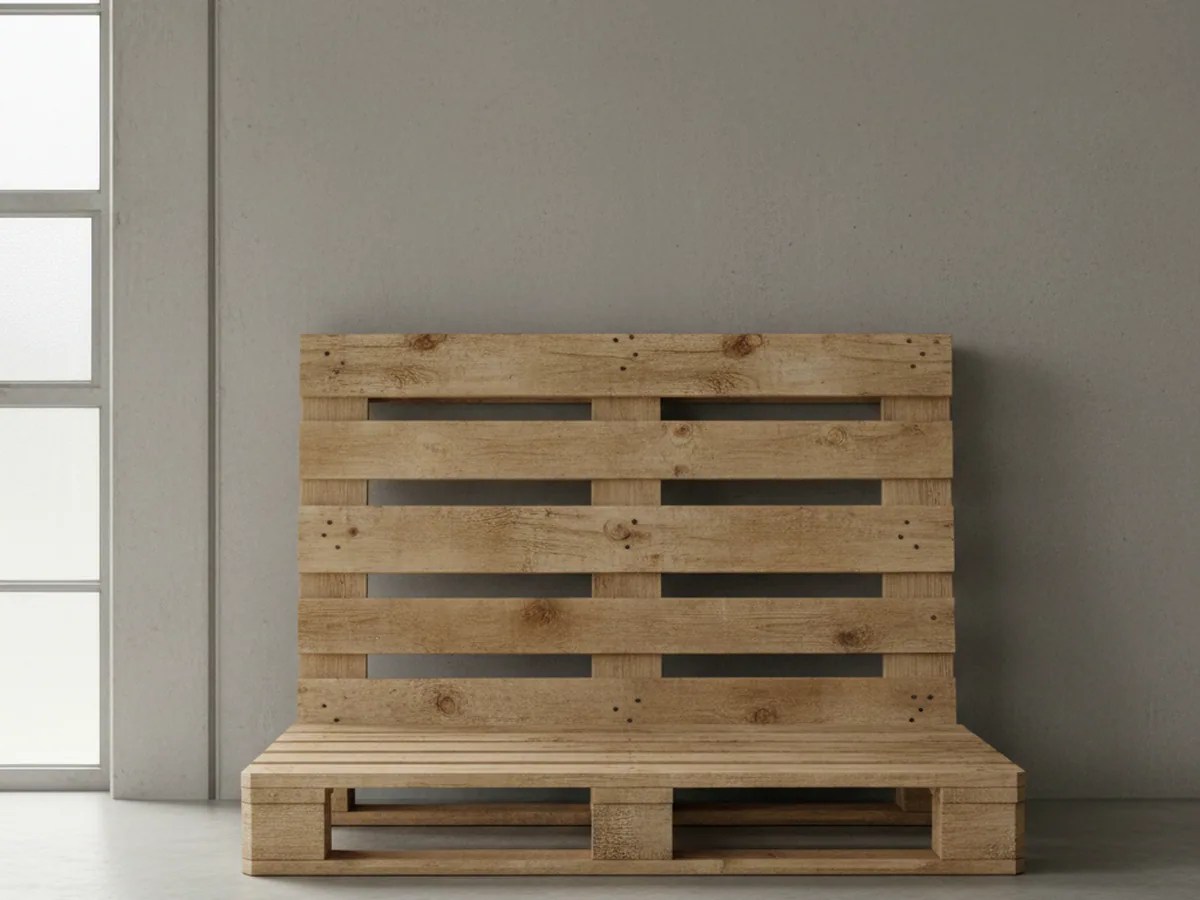
Destination market; whether the broker needs the Certificate of Origin in a particular form; and whether the consignee wants the seats palletised or floor-loaded. Those three settle almost every documentation question that otherwise surfaces after the container has sailed. Seats go to Europe, North America, South America and Southeast Asia — 40+ countries, differing in documentation habits, not in specification. Confirm all three with sales when you contact KL Seating.
Get a fitment answer
Send us the four measurements, the operator weight range and the duty cycle. We reply with the models that fit and, where nothing does, the dimension it failed on.
We reply within 24 business hours; the fitment answer, model by model, within 48 hours of your measurements.