The company behind the seat

No Batch Leaves This Seat Manufacturer Without a Quality Signature

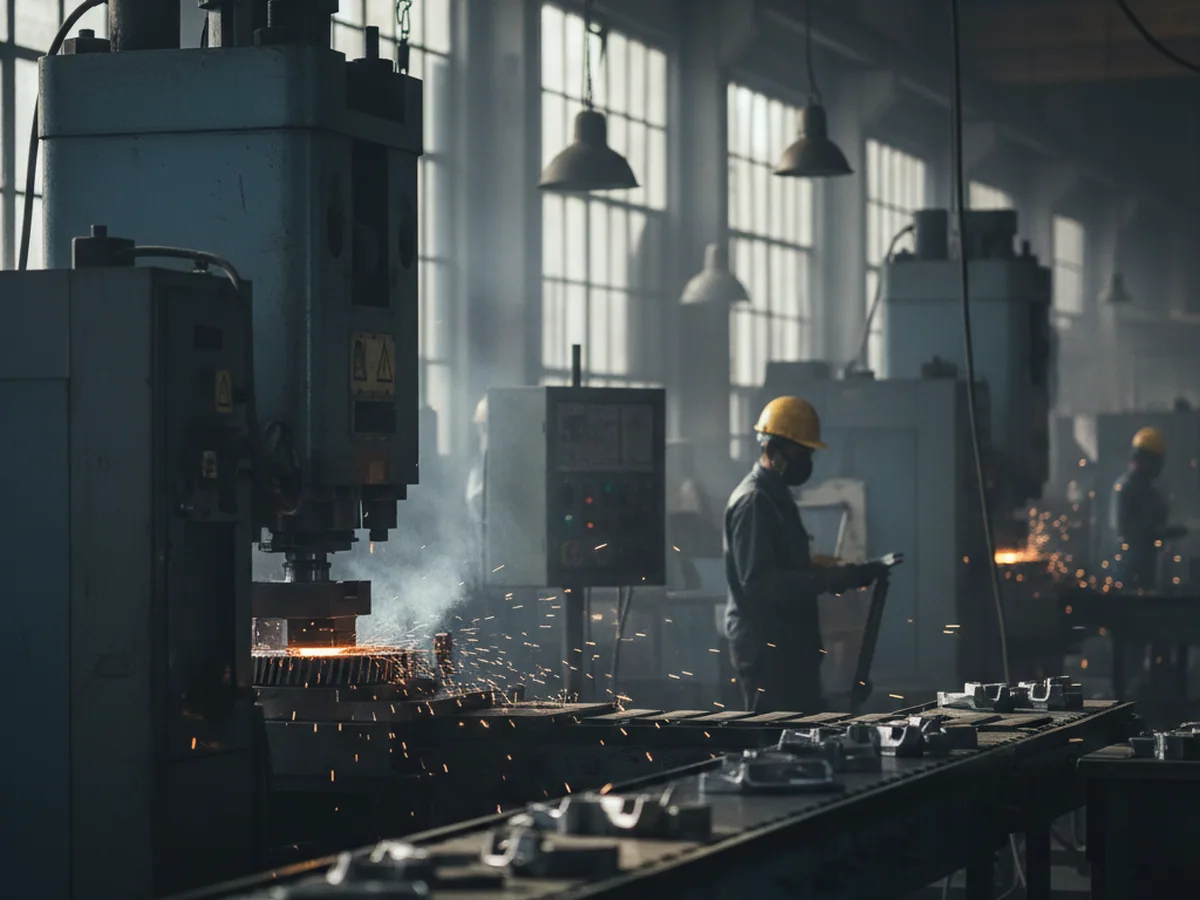
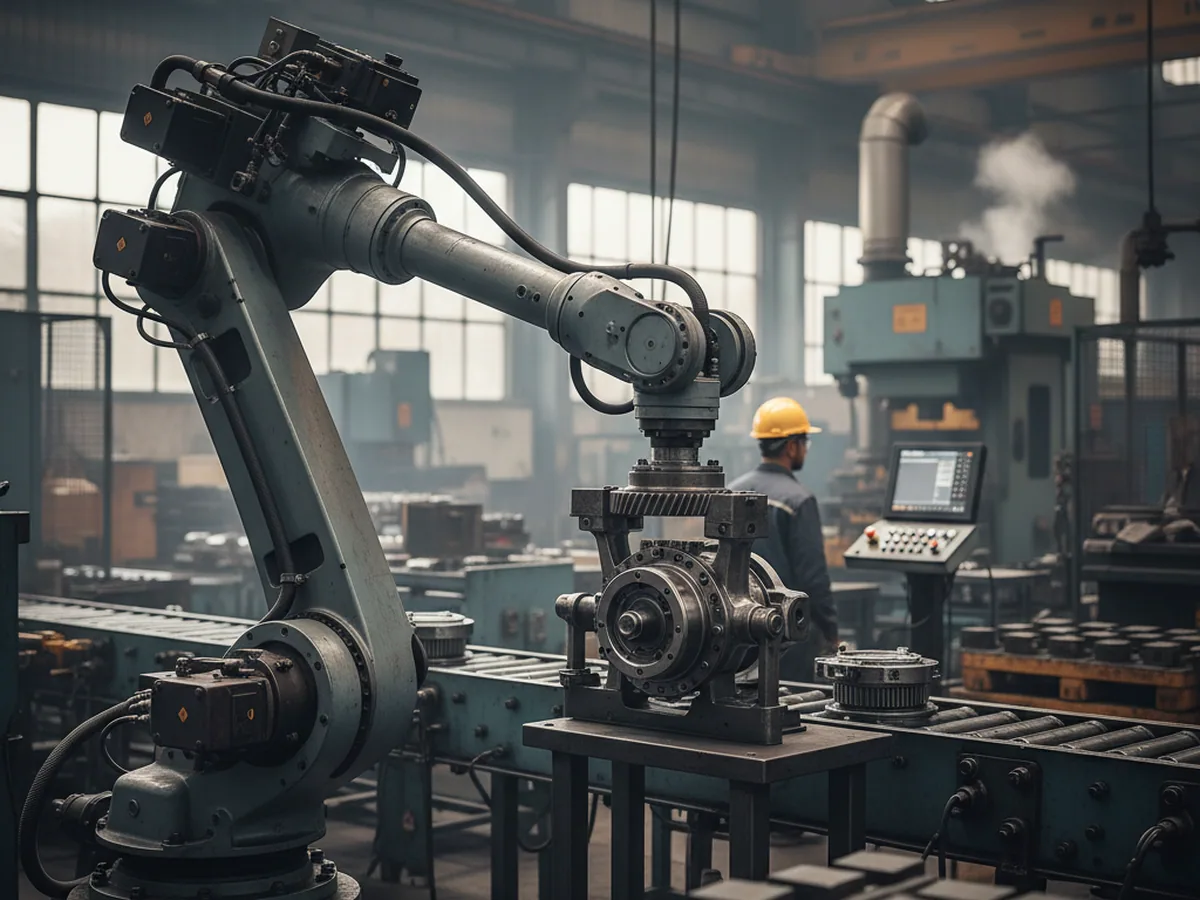
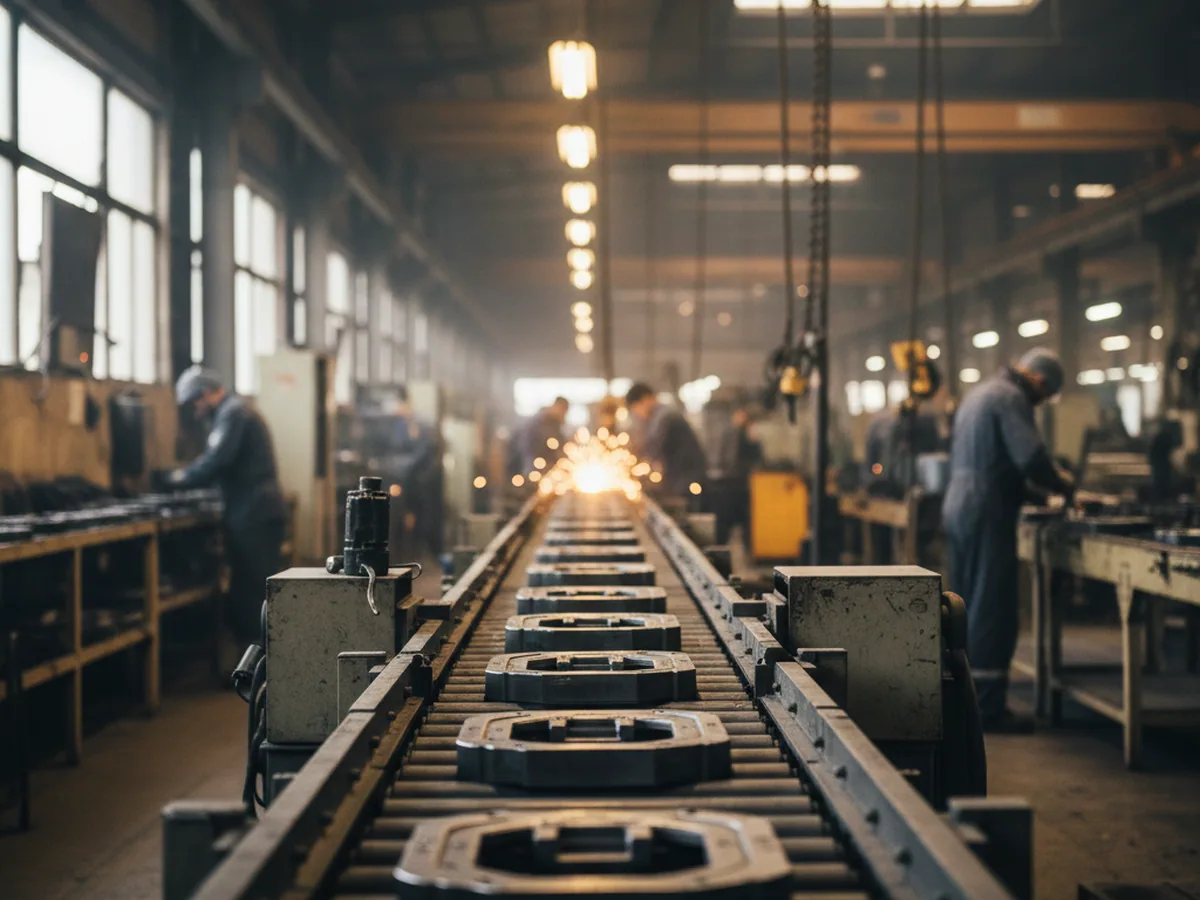
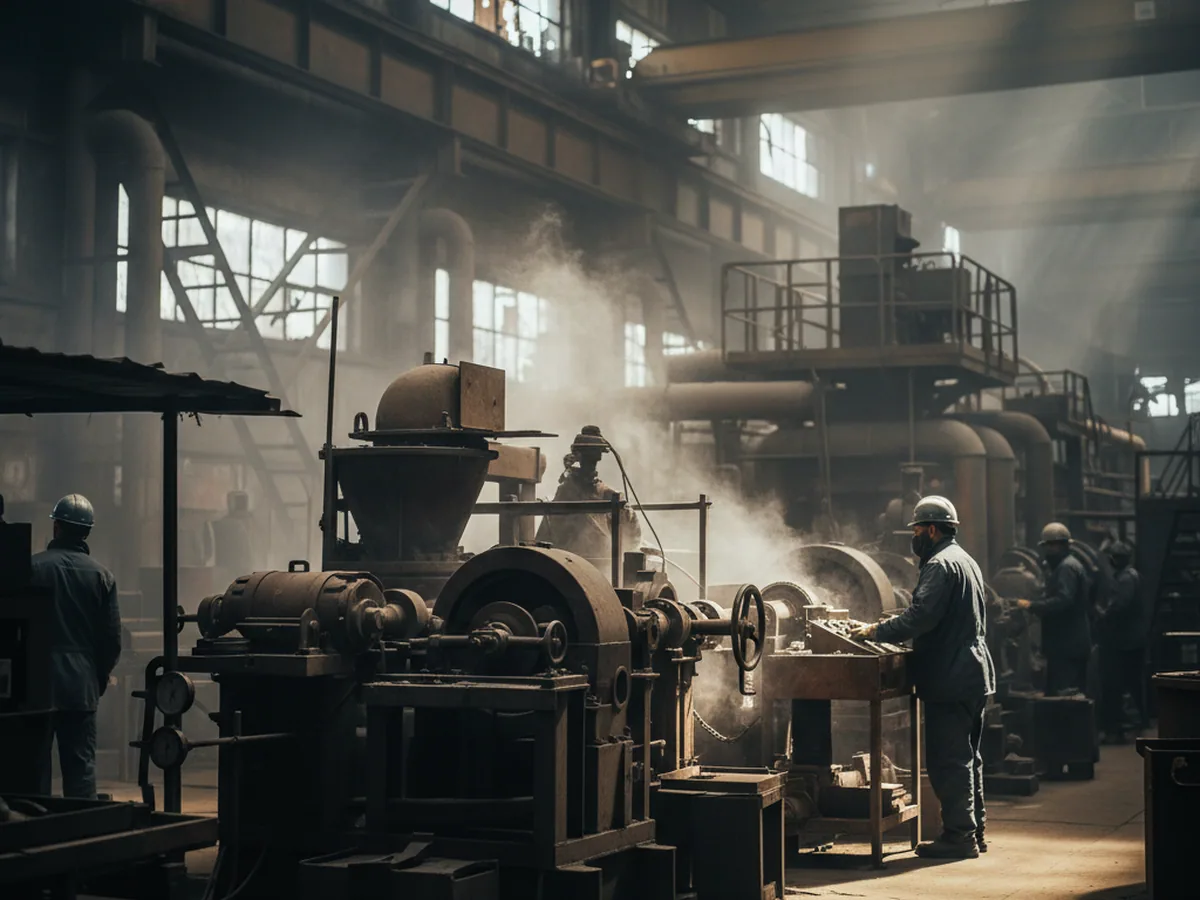
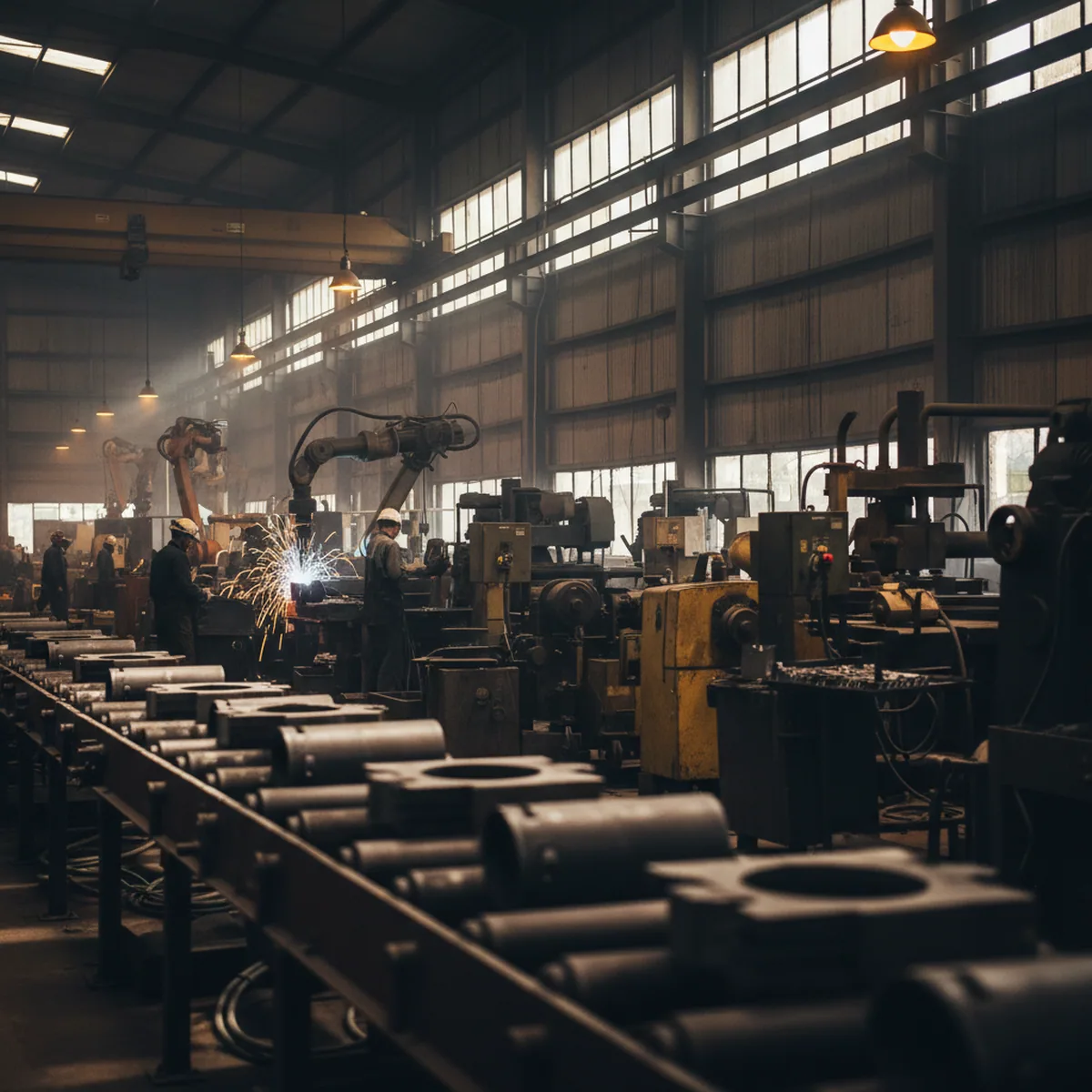
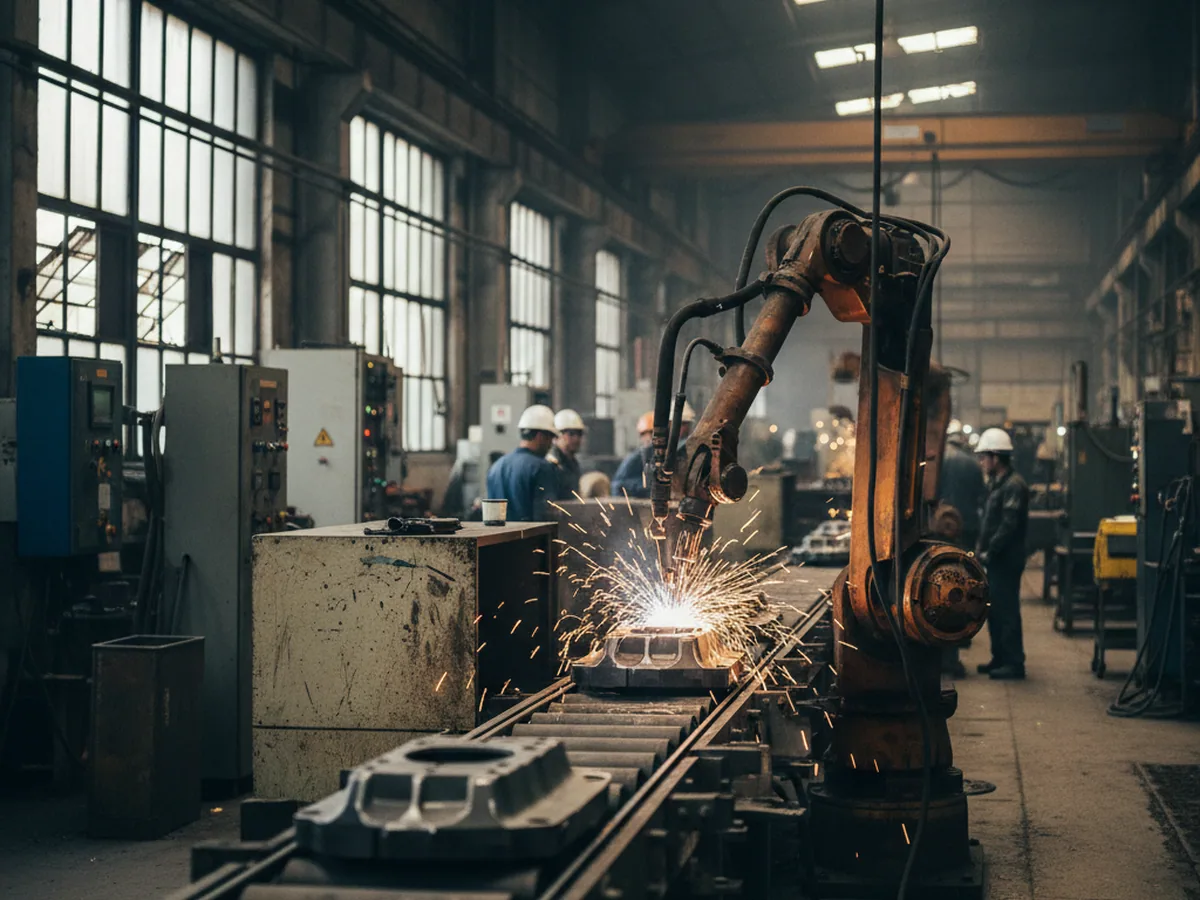
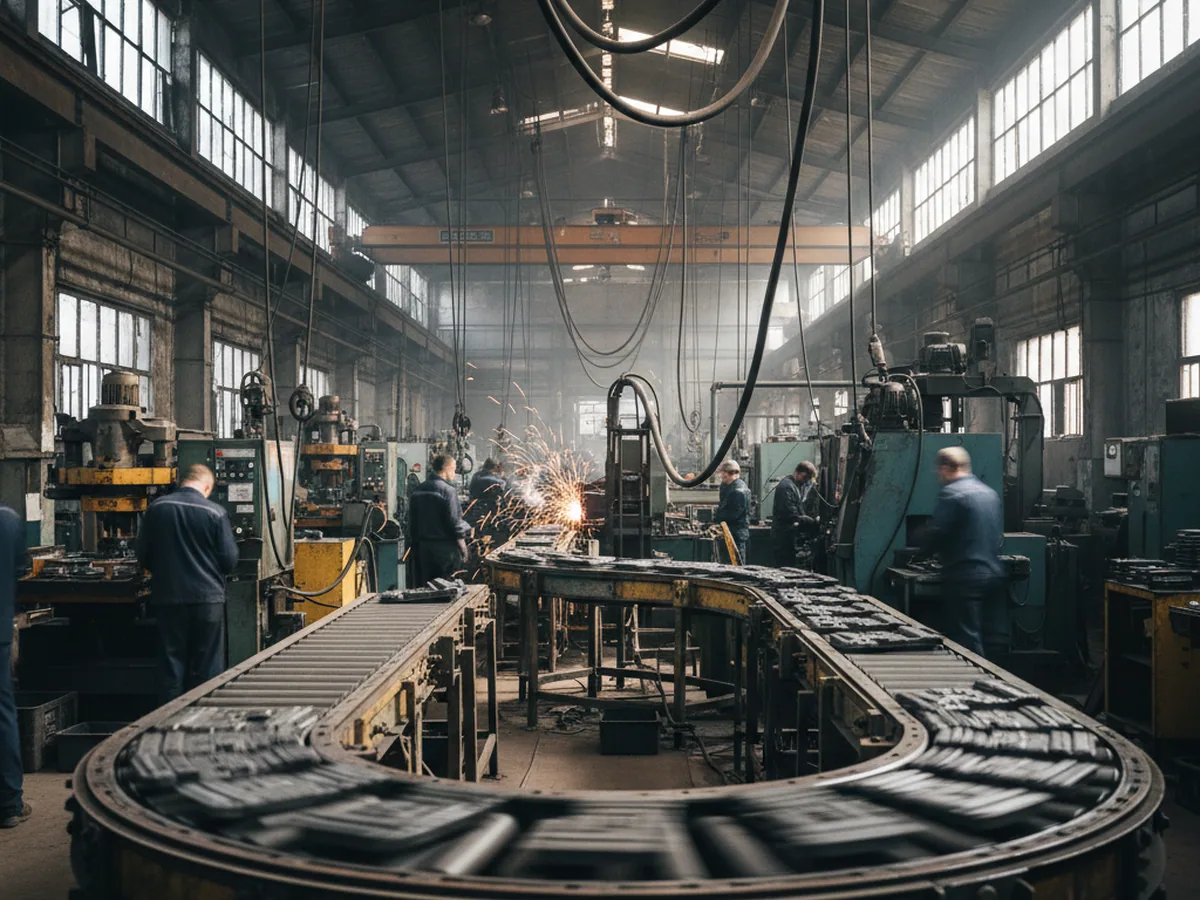
The name on the contract Nanchang Qinglin Seat Manufacturing Co., Ltd., trading as KL Seating. Stamping, welding, foaming and assembly run inside one building, and the desk that releases a lot reports to nobody on the lines that built it.

  • ISO 9001:2015
  • CE
  • Manufacturing seats since 2007
  • OEM & ODM
Floor area35,000 m²Stamping through assembly.
Assembly linesSixFed by three workshops.
Nameplate capacity500,000A year, across six lines.
PeopleAround 26022 in R&D, 18 in quality control.
Test benchesFourteenIn a test centre inside the plant.
Seat patents30+Mostly suspension and adjustment.

One counterparty, first enquiry to last shipment

The Seat Manufacturer on Your Purchase Order

One name sits on the order, on the export papers and on the presses.

Nanchang Qinglin Seat Manufacturing Co., Ltd. carries the proforma invoice, the sales contract, the packing list, the certificate of origin and the bill of lading. It also owns the press tools, the welding cells, the foaming shop and the six lines, and its registered address is the plant's — see contact.

  • The entity you qualify manufactures. No trading arm sits between buyer and line.
  • The entity on the export documents is the same one. A compliance file gets one supplier record, not two to reconcile.
  • The entity carrying the warranty built the seat.

Work runs on an OEM and ODM basis. Tooling, materials, geometry and marking are all decided inside the building, so all four are open to a buyer's request — scope at custom OEM seat manufacturing.

For your supplier file

Ask for the legal name, the registered address and the certification scope in one email; all three come back on one letterhead.

Manufacturing seats since 2007 · OEM & ODM · Nanchang Qinglin KL SEATING One entity
Finished seat crated and strapped for despatch at the seat manufacturer
Crated under the entity that owns the presses.
Press tools racked and numbered inside the seat manufacturing plant

Four seat families and the component line

Seat and Component Lines Built Here

Complete seats fall into four families, and beside them a component line: covers, armrests, pressure sensors and micro switches, belts, rail slides, suspension units, swivel consoles and mower parts.

Components are pressed on the same tools and foamed in the same shop as the seats, which is why a wear part ordered three years later is the same part rather than an equivalent. Model-to-machine matching: seat fitment compatibility.

Family 01

Forklift seats

Forklift seat on the assembly line at the seat manufacturer

KL01, KL11, YY03 and YY53 for lift trucks.

Family 02

Construction seats

High-back construction machinery seat built in the plant

KL02 and YS2-8 for loaders, dozers and excavators.

Family 03

Agricultural seats

Air suspension agricultural seat assembled at the seat manufacturing plant

KL03, YJ03 and YY08 for combines and tractors.

Family 04

Mower seats

Lawn mower seat pan and cover on a work bench in the factory

YY70 for ride-on mowers.

Component line

Nine part groups

Suspension units and rail slides staged on the component line

Covers, armrests, switches, belts, slides, suspensions and consoles.

Three routes in, four regions out

Buyers This Seat Factory Builds For

Three kinds of order keep the six lines busy, each asking the plant for something different.

Route 01

OEM and ODM programmes

Seat frame in a welding fixture held for one machine builder programme

Machine builders and their tier suppliers arrive with a cab and a brand to carry, wanting geometry matched to that cab, a frozen specification, and marked parts that stay theirs alone.

Route 02

Aftermarket distribution

Stock seats on warehouse racking ready for distributor replenishment

Parts distributors, dealer networks and importers arrive with a stock list, wanting models available season after season and wear components sold separately under the same warranty — see seat spare parts.

Route 03

Private-label wholesale

Cartons marked for a private-label seat order at the packing station

Wholesalers and buying groups sell under their own name, wanting a catalogue they can brand, the same build across repeat orders, and a supplier who stays behind it.

Most relationships start the same way: a sample, a first order on one model, then annual replenishment across several. The plant is scheduled on that assumption, not around one dominant account.

North America Europe Southeast Asia South America
  • 40+Countries reached from these lines.
  • FourExport regions, each with models held in stock.
  • OneWarranty period, twelve months, every market.
  • ZeroRoad-vehicle seating. Off-road only.

Destinations, not sales offices.

One legal entity owns the presses, the welding fixtures, the foam moulds and the six lines.

What the floor area buys you

Plant Floor Area and Line Count

Under one roof

35,000 m²

Three shops feeding six lines, emptying into a warehouse.

Lines

Six, automated

Several models run in the same week rather than queue.

Nameplate

500,000 a year

Worth dividing, not admiring.

Resulting takt

About 90 seconds

One seat off a station every minute and a half.

Nameplate capacity divided to one line and one shift
StepFigureWhat it becomes
Nameplate capacity500,000 seatsA year, across the plant
Working months12About 22 working days each
Lines sharing it6About 320 seats per line, per day
Shift length8 hoursA takt of about 90 seconds

Two things follow, and both show up on a delivery date. An order of a few thousand seats is days of line time rather than a question of capacity, so quantity rarely sets the date; and capacity spread over six lines is what makes annual replenishment across a mixed model list workable.

What to send if the date matters

Quantity per model and a target week. Production runs 20 to 30 days from order confirmation.

Main aisle of the 35,000 square metre seat manufacturing plant between two assembly lines
Six lines, one building with their presses.
Two assembly lines running different seat models in the same shift at the plant
Two models in production in the same week.

Five stations, ninety seconds each

One Assembly Line, One Working Day

Fully automatic flying box foaming carousel feeding cushions to the seat plant line
Moulds travel ahead of the line.
Frames out of buffer Cushions off the carousel Suspension and cushion Cover, belt, switch, armrest Into the warehouse

The block marks how far the text has reached.

  1. Frames arrive square

    Stamped and welded frames come out of buffer against the model scheduled for that shift, each from the fixture built for it rather than a setter's alignment.

  2. Cushions arrive at the written density

    Cushions come off the fully automatic flying box system, which carries moulds around the foaming cycle so they reach the line in the order it uses them, at the density in that model's route sheet.

  3. Each station owns fixed operations

    Suspension assembly, cushion and backrest fitting, cover fitting, and belt, switch and armrest fitting each hold a station. At a ninety-second takt a station that must deviate stops the line.

  4. Seats are staged, not stacked

    Seats leave into the stereoscopic warehouse, running models held against orders and programme seats staged against a ship date.

  5. The schedule is read, not estimated

    Line status, changeovers and output show in the 5G digital workshop, so a delivery question is answered by reading the lines.

What is inside the ring, and what hangs off it

Four Owned Processes Under One Roof

Stamping, welding, foaming and assembly all run inside this plant. None is subcontracted, which is why a change to the frame, the foam or the build sequence is a scheduling decision here rather than a negotiation with someone else's works manager. What each contributes: four processes.

  • Coating is the exception, partly placed outside the building.
  • It is managed at the boundary: every coated part is inspected as it comes back in, on the evidence under coating consistency.
Stamping Welding Foaming Assembly Coating outside Owned end to end
Process 01

Stamping

Automatic press forming a seat base pan inside the seat manufacturer plant

Tools held per model decide the mounting face, the holes and the plate thickness once.

Process 02

Welding

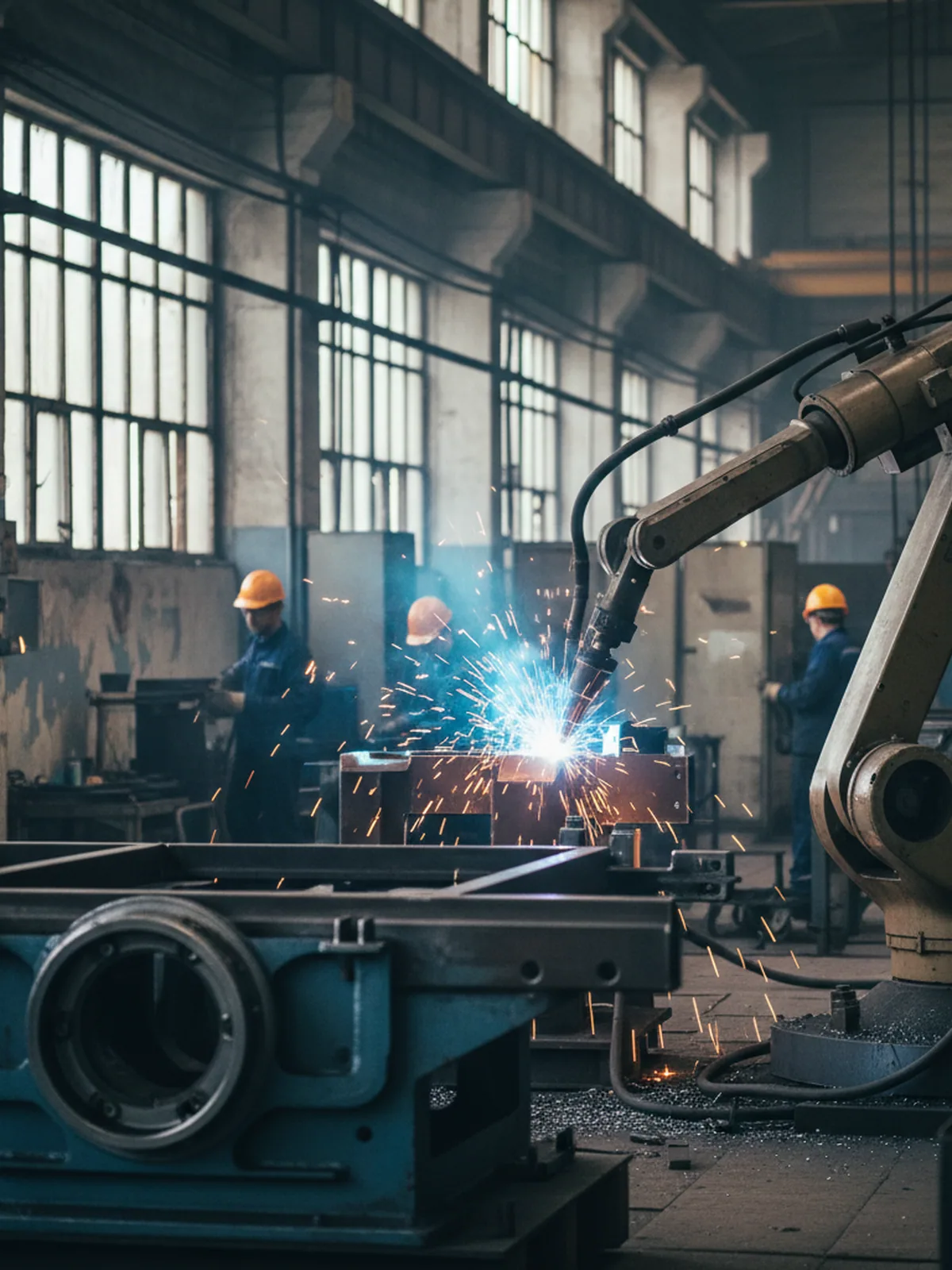
Robot welding cell joining a suspension seat frame in the factory

Fixtures stay built between runs, so the last frame measures like the first.

Process 03

Foaming

Foam cushion released from its mould at the foaming shop of the seat plant

Foam is poured here, so density is a scheduled parameter, verified by weight before trimming.

Process 04

Assembly

Operator station fitting a suspension unit to a seat on the assembly line

Six lines run the route sheet the other shops feed.

Where a stock model and a programme seat meet

Inside the Stereoscopic Warehouse

Finished seats and running components are held in a stereoscopic warehouse at the shipping end of the six lines. Holding both in one store is what lets a stock model and a programme seat be picked for the same container.

Stereoscopic warehouse racking holding finished seats at the seat manufacturing plant
Running models, held against orders.
Mixed pallet of seats and seat components picked for one container
Seats and wear parts, one pallet.
Held
Running models and component stock
Staged
Programme seats against a ship date
Fed by
All six lines

Six desks and what each may not do

The People Inside the Factory

Around 260 people work here, and the division matters more than the total. R&D writes the criterion, production runs to it, and quality decides whether it was met.

The sales desk never answers a technical question alone, which is why a fitment reply takes 48 hours after complete measurements.

Research and development bench with a seat frame mock-up and measuring instruments
22

Research and development

Lay out new models, work through customer drawings, decide the criteria a model is judged against, and own the geometry a cab must accept.

May not release a batch.
Quality control inspection station checking a seat frame in the plant
18

Quality control

Incoming material, in-process checks, final inspection, and the test centre with its fourteen benches.

Reports through no line it judges.
Operator station fitting a backrest on a seat assembly line at the plant
Four

Production workshops

Run the route sheet across the press shop, the welding cells, the foaming shop and six lines.

May not sign out its own shift's work.
Seat models staged in sequence at the head of the assembly lines
Two

Planning and warehousing

Slot orders across the six lines and stage finished seats against a ship date.

May not move a criterion to save a date.
Seat sample and a folding rule on the desk where enquiries are answered
One

Export sales desk

Handles enquiries, samples and shipping documents, and acknowledges within 24 business hours.

Answers no technical question alone.
Despatch station where finished seats are crated at the seat manufacturing plant
One

Documentation desk

Issues the certificates of analysis and conformance, the certificate of origin and the insurance papers.

Issues nothing before quality signs.

The desk that can stop a container

Sign-Off Authority and Batch Holds

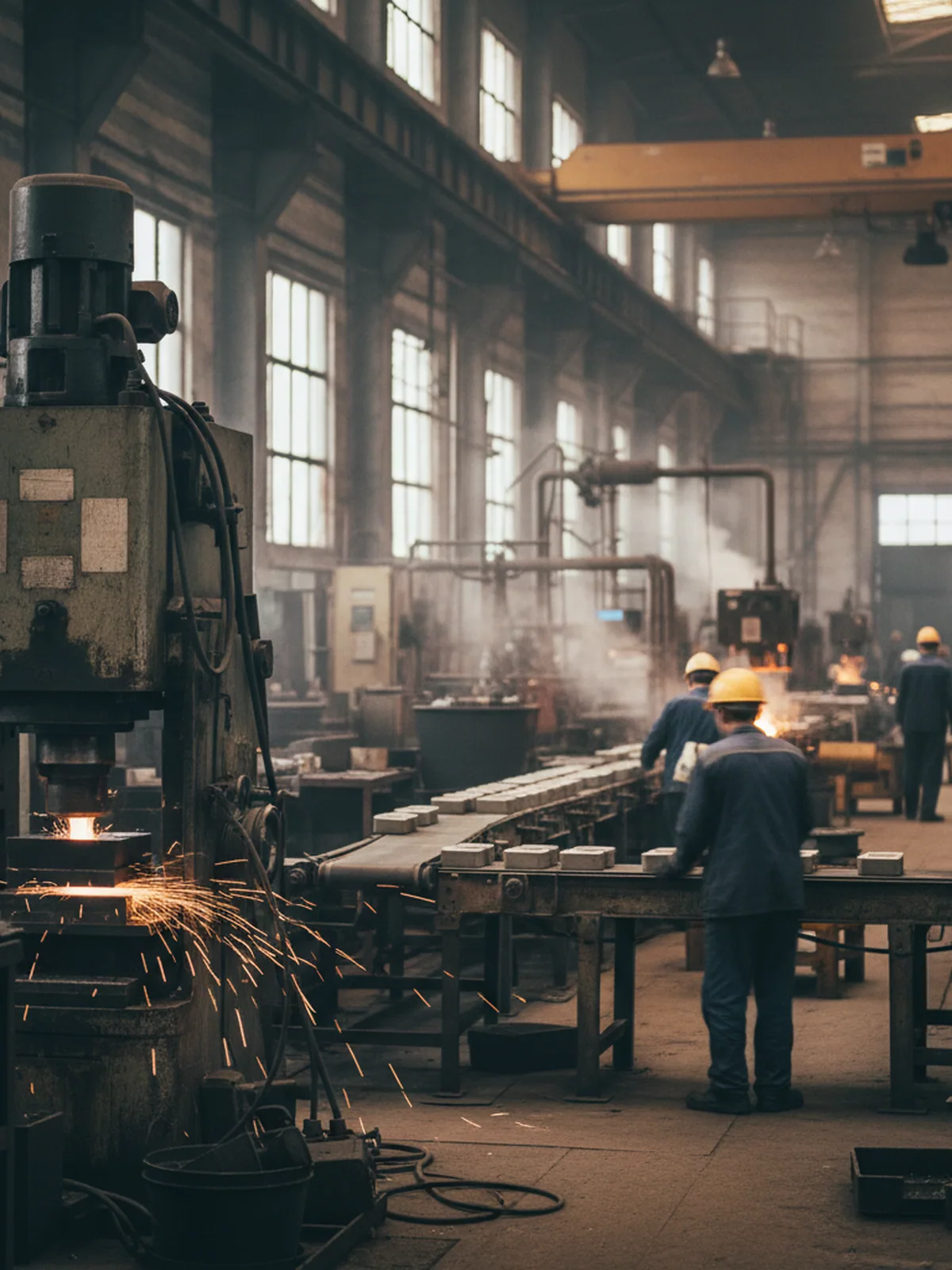
The person who signs a batch released is never the person whose shift built it, and no production or sales role can sign in their place.

The eighteen people in quality control do not report through the production lines whose output they judge. That single reporting line is what turns an inspection into a decision: an inspector who reports to the line has an opinion about the lot, while an inspector who does not has authority over it.

A batch that misses a criterion is held whole. Held means the whole lot, and it means three specific things do not happen to it.

  • It is not shipped under monitoring while somebody watches for field failures.
  • It is not sorted so that the acceptable ones go out and the rest stay behind.
  • It is not released against an undertaking to correct the cause on the next run.

The lot stays in the building, tagged, standing where it was stopped — which is also what a visiting auditor sees on the floor.

Two roles are excluded by name. No production supervisor signs for output from a line reporting to them, and no sales role signs to protect a shipping date. That exclusion is the entire content of the word independent.

What a lot may do next, and who is allowed to move it
Lot stateWhere it standsWho can move it
Passed final inspectionStaged for despatch in the warehouseQuality signs the release
Missing a criterionHeld whole, tagged, on the spot where it stoppedNobody, until a retest passes
Retested and passingBack into despatch stagingQuality signs the release

Three questions that separate suppliers

Any factory can write the paragraph above, and testing it costs nothing. In a first email, ask which batch was the last one this plant held, who signed the release that let it go, and what was changed on the line before the retest. A factory where holds are real answers all three from records that already exist. A factory where the procedure is decorative answers the first and goes quiet on the second.

What this does to a date

A hold moves the delivery date and says so on the day it happens. It does not turn into a short shipment explained after the container lands.
Shift that built the lot Quality control · 18 people stops short Batch released
Held seat frames standing behind a chained-off marker where the line stopped them
A held lot stands where it stopped.
Finished seat on the final inspection bench under raking light

Five steps, and no shortcut across them

One Route Out of a Hold

A held lot moves in one direction only, and the last step belongs to the same desk.

The suspension fatigue programme runs on the same rule: a complete assembly in shipping configuration is cycled against stated limits, and a result outside a limit stops the lot behind it — see test bench.

Step 01

Trace it to a cause

To something specific: a welding station, or a component batch such as a shock absorber lot. A cause written as “operator error” does not close the trace.

Step 02

Cut a section, not a corner

Where the question is whether a structure has begun to crack, the answer comes from a section cut, mounted, polished and read under a microscope.

Step 03

Correct the cause

The station is reset or the component lot quarantined, and the correction is recorded against the held lot.

Step 04

Retest on the same criterion

The lot is retested against the criterion it failed, not a relaxed one and not a different one it happens to pass.
Step 05

Quality lifts the hold

Only a passing retest lifts it, and quality signs the release. No other desk has that signature.
Metallographic room where weld sections from the seat plant are mounted, polished and read
Cutting, mounting and polishing share a room with the microscope.

When an acceptance criterion and a ship date collide, the criterion holds and the date moves.

A department, not a purchased service

Test bench in the in-house test centre of the seat manufacturing plant with a seat assembly mounted
Fourteen benches, a walk from the shops.

The Test Centre as a Department

The test centre is a department of this company, staffed by the same eighteen people who can stop a shipment, working to criteria written by R&D.

Staffed by
The quality team that signs or withholds a release
Criteria from
R&D, fixed with the model, not negotiated per batch
Equipment
Fourteen benches, from the metallographic set to the SIP tester and the shock absorber fatigue bench
Authority
A bad reading stops the lot behind it, with no second approval

A department rather than a purchased service changes the response time on a bad reading. The process that made the part is a few minutes' walk from the bench that judged it, so a correction lands the same day instead of a week later. Bench by station: seat quality testing.

The step placed outside, and the cabinet that checks it

Coating Consistency and the Salt Cabinet

Method

ISO 9227 neutral salt spray

On frames and brackets, coated here or outside.

Duration

48 hours

Lot by lot, on the coating that ships on a finished seat.

Pass criterion

No red rust

One reading, not a scale. Red rust anywhere fails the lot.

Coating is the one step partly placed outside, and it is managed where the parts come back rather than at the coater's gate. Every frame and bracket goes to the salt spray tester before it can be built into a seat, and what gets tested is the coating that ships.

A rusty lot takes the same route

  • Held whole, traced to the coating batch rather than the shift.
  • Recoated or scrapped, then retested on the same 48-hour criterion.
  • Released only by quality, on a passing retest.

An outside coater is judged on that evidence delivery after delivery, so drifting consistency shows up within one delivery.

Why this matters to a distributor

Corrosion complaints arrive a year late and land on the seller.

Salt spray test cabinet with coated seat brackets loaded for a 48 hour run
Brackets loaded for a 48-hour run.
Coated seat brackets inspected as they re-enter the seat manufacturing plant

What the certificate actually covers

Certifications and Their Coverage

The quality management system is certified to ISO 9001:2015. Its scope is the part a reviewer needs in writing, and all five elements below apply across the whole plant rather than one line.

Goods-in bay where incoming steel for seat frames is checked at the plant
Traceability starts at incoming material.
Scope 01

Document and drawing control

One controlled revision at the station.

Scope 02

Traceability

Incoming material through to the finished seat.

Scope 03

Corrective and preventive action

The route a hold follows, written before it is needed.

Scope 04

Internal audit

On a schedule, not ahead of a visit.

Scope 05

Management review

Where a repeated hold is answered above the line.

Products carry CE, the mark a European buyer's compliance file needs for the seat as a supplied component. Scanned certificates travel with the qualification packet.

The company is also recognised as a High-Tech Enterprise, a provincial-level specialised and innovative enterprise, and a municipal enterprise technology centre — all three describing the R&D side rather than the product.

Where a criterion is written before it is met

The R&D Desk and a University Bench

The twenty-two people in R&D hold more than thirty seat patents, most in suspension and adjustment mechanisms. Premium suspension systems are developed jointly with East China Jiaotong University, a provincial key university.

What the R&D desk owns, and what the plant inherits
Owned at the deskWhat the line and the bench get
Model layoutGeometry a cab must accept, fixed before tooling is cut
Customer drawingsRestricted to the project team and the stations that need them
Acceptance criteriaLimits a batch is judged against, frozen with the model
Seat index pointA measured operator position, not one assumed

On a new model the seat index point is measured on the SIP tester rather than taken off a drawing, so the position quoted to a cab designer is a measurement. How the suspension families differ in service is at suspension seat selection.

SIP tester measuring the seat index point of a suspension seat at the plant
Seat index point measured, not assumed.
Suspension mechanism prototype on the research bench of the seat manufacturer

Fabricator, then specialist, then counterparty

Three Turning Points for a Seat Manufacturer

Each changed what could be promised to a buyer.

2001Parent company founded
Press-formed steel blanks of the kind the parent company started from

Fabrication, before there was a product

The parent company was founded as Nanchang Qinglin Machinery Co., Ltd., doing metal fabrication. That is where the press work and the welding came from.

2007Narrowed to seats
Early suspension seat assembly of the kind the plant narrowed onto in 2007

One product, nothing else since

The business narrowed to seats and seat components and has done nothing else since. A fabricator supplies a frame and hopes the rest fits; a seat manufacturer owns the whole object, so cushion density, suspension travel, cover material and the mounting face answer to one part number.

2016Present entity founded
Assembly line and warehouse of the dedicated seat manufacturing company today

One counterparty, holding the assets

A dedicated company gave export buyers what a workshop inside a general engineering firm cannot: one counterparty for the contract, the certification scope and the warranty, holding the assets itself.

From job shop to six lines

The change that matters most is quieter than the dates: the plant moved from building to order to building to a fixed route.

  • Press tools are held per model under one part number for the life of that model.
  • Welding fixtures stay built between runs instead of being aligned per batch.
  • Foam is poured here, so density sits in the route sheet as a scheduled parameter.

A reorder two years later is not a re-engineering exercise.

The route a visit takes, in order

Factory Audits and Buyer Visits

An audit here is a walk rather than a meeting, and the interesting part is the ordinary state of things.

Before a visit the fourteen benches are photographed one by one and travel with the qualification packet, so an auditor spends the day on how the equipment is used.

Press shop stop on the factory audit route at the seat manufacturer
01 · Press shop
Welding cells with fixtures left in place between runs during a plant audit
02 · Welding cells
Foaming shop and flying box carousel seen on the audit walk
03 · Foaming shop
Test centre benches walked one by one during a buyer visit to the plant
04 · Test centre

Nothing is staged for the walk

The route runs through the stamping shop, the welding cells, the foaming shop, the six lines, the warehouse, and the test centre bench by bench. Fixtures stand in place between runs, route sheets sit at the stations, held material is tagged where it stopped, and each area answers for itself rather than through a guide.

  • Open on the walk: every workshop, six lines, the warehouse, fourteen benches.
  • Open to questions: shop supervisors and the staff who sign releases.
  • Visible by default: held lots, tags and that day's route sheets.
  • To arrange one: write to the sales desk with your dates.
If a visit is not practical

The bench photographs and the certification scope go out in one packet.

Which desk answers which question

Enquiry to Repeat Order, Desk by Desk

Four desks handle an order, each handing over something the next cannot produce alone.

Desk 01

Export sales

Seat sample and a folding rule on the enquiry desk at the seat manufacturer

An enquiry is acknowledged within 24 business hours with what can be answered commercially: models, samples, lead times, documentation.

Desk 02

Research and development

Vernier caliper measuring the mounting holes on a seat base plate at the plant

Once measurement data on the existing seat and the mounting area is complete, the fitment reply follows within 48 hours, stating which models bolt on and which do not.

Desk 03

Sampling and planning

Sample seat built on the production line before crating at the factory

A sample is built on the production line rather than a bench, so what gets approved is what the line makes, and it ships in around seven days. Planning then slots the order across the six lines, production running 20 to 30 days from order confirmation.

Desk 04

Quality and documentation

Final inspection station where a seat batch is released before despatch

Quality signs the release under the hold rules. Documentation then issues the certificates of analysis and conformance, the certificate of origin, insurance and the rest of the export papers.

Seats carry a twelve-month warranty, and parts from the component line carry the same one. After the container leaves, a field problem goes to quality for determination instead of being settled at the desk that sold it.

Hand-over 01
Sales passes machine data to R&D; nothing technical is answered at the desk
Hand-over 02
R&D passes a frozen specification to planning; the line builds to that, not the email
Hand-over 03
Quality passes a signed release on; papers follow the signature

Whether the same seat exists in three years

Supply Continuity From One Seat Manufacturer

The question is not what the plant builds this quarter, but whether the model on the shelf is the same in three years.

Tooling store where press tools are held per model at the seat manufacturer
One part number, for the life of the model.
Held

Tools and fixtures

A reorder runs on the tooling that made the first one.

Frozen

Acceptance criteria

Judged against the same limits as the original — see seat quality testing.

Still running

The component line

Covers, armrests, belts, slides, switches and suspensions ship long after a seat is in the field.

For programme buyers continuity means separation.

  • Buyer-funded tooling belongs to that buyer, is stored here, and runs their orders only.
  • Marked parts are not sold to anyone else, in that market or any other.
  • Drawings stay with the project team and the stations that need them; an NDA is signed on request.
  • Two buyers in one market are kept apart, in separate storage and scheduling.

Full terms at custom OEM seat manufacturing.

Separate storage bays each holding one buyer's seat frames at the plant
Marked parts and buyer tooling, stored and scheduled apart.
What to put in the qualification file

Ask for the part-number policy in writing: one number per model, held for its life, with the acceptance criteria attached.

One email opens the file

Start Your Supplier Qualification File

Send the supplier qualification form, the machine model and the annual quantity.

A reply comes back within 24 business hours, and a fitment answer within 48 hours of complete measurements. Ask the three hold questions in the same email.

To see it rather than read it, propose dates for a plant audit. Common questions: FAQs. Contact details: contact.

First reply

Within 24 business hours.

Fitment answer

Within 48 hours of your measurements.

Plant audit

By appointment, test centre walked bench by bench.

Qualification packet

Certification scope and bench photographs on request.