Combine and forage harvesters
The seat sits behind a wide glazed front, the operator turned towards the header for much of the day. Headroom on a raised cab decides how much travel is usable.
Agricultural machinery seats · KL03 · YJ03 · YY08
KL03, YJ03 and YY08 cover the self-propelled machines that work a season rather than a year. YJ03 carries an air suspension on a 24 V supply taken from the machine. Send what you measured on the machine and the answer names the models that go on, the models that do not, and the figure that decided it.
Who this range is built for
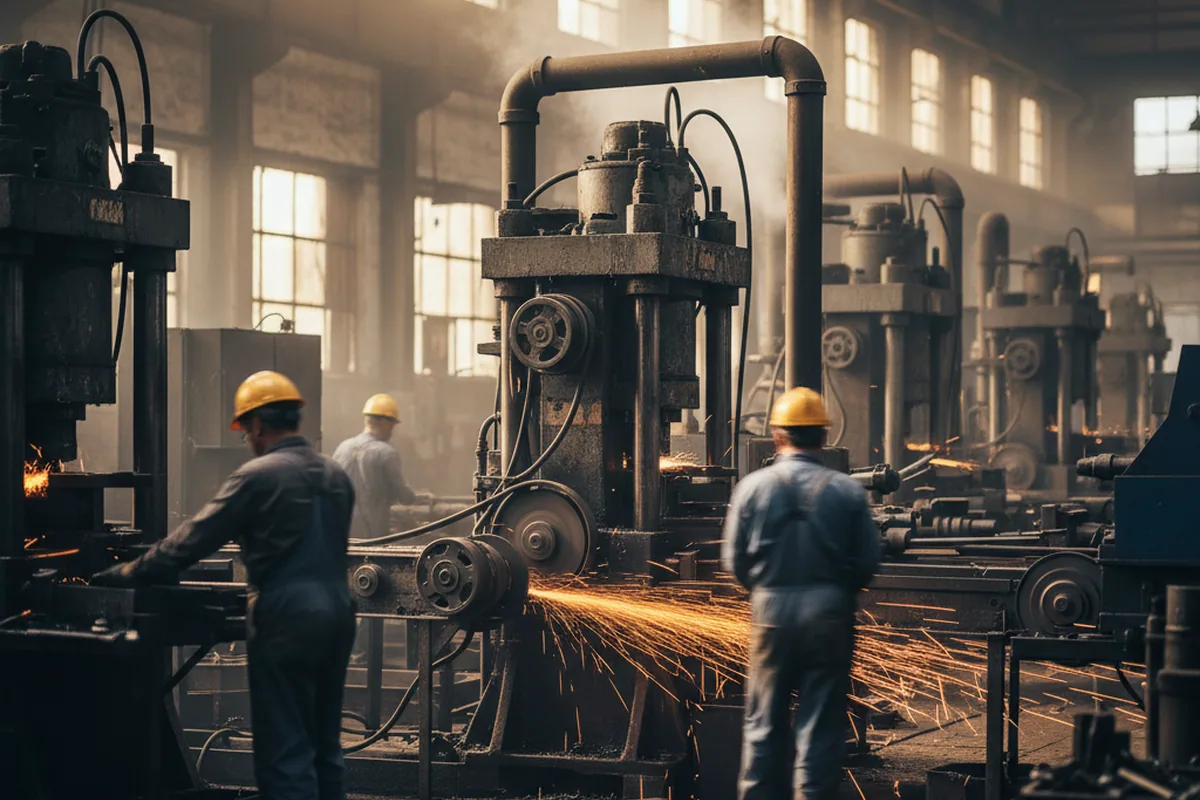
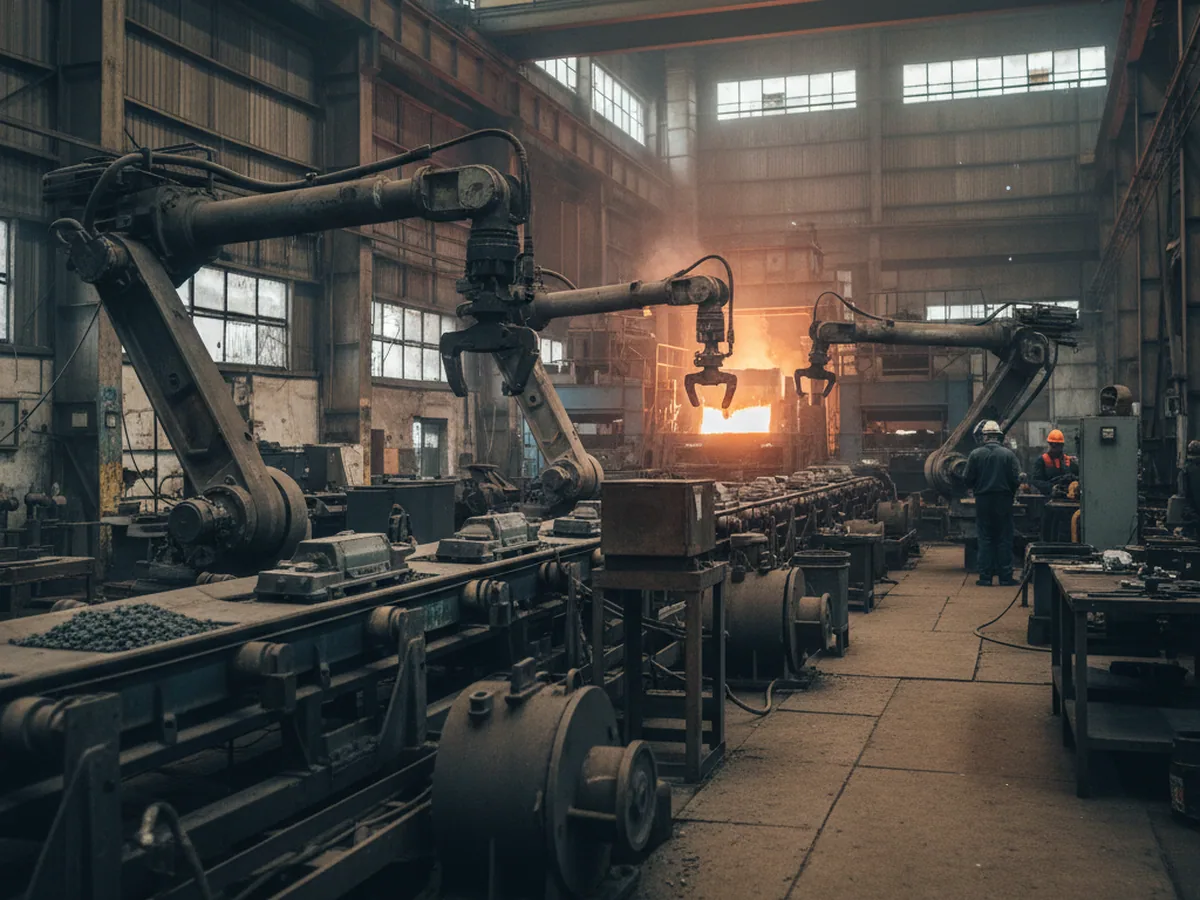
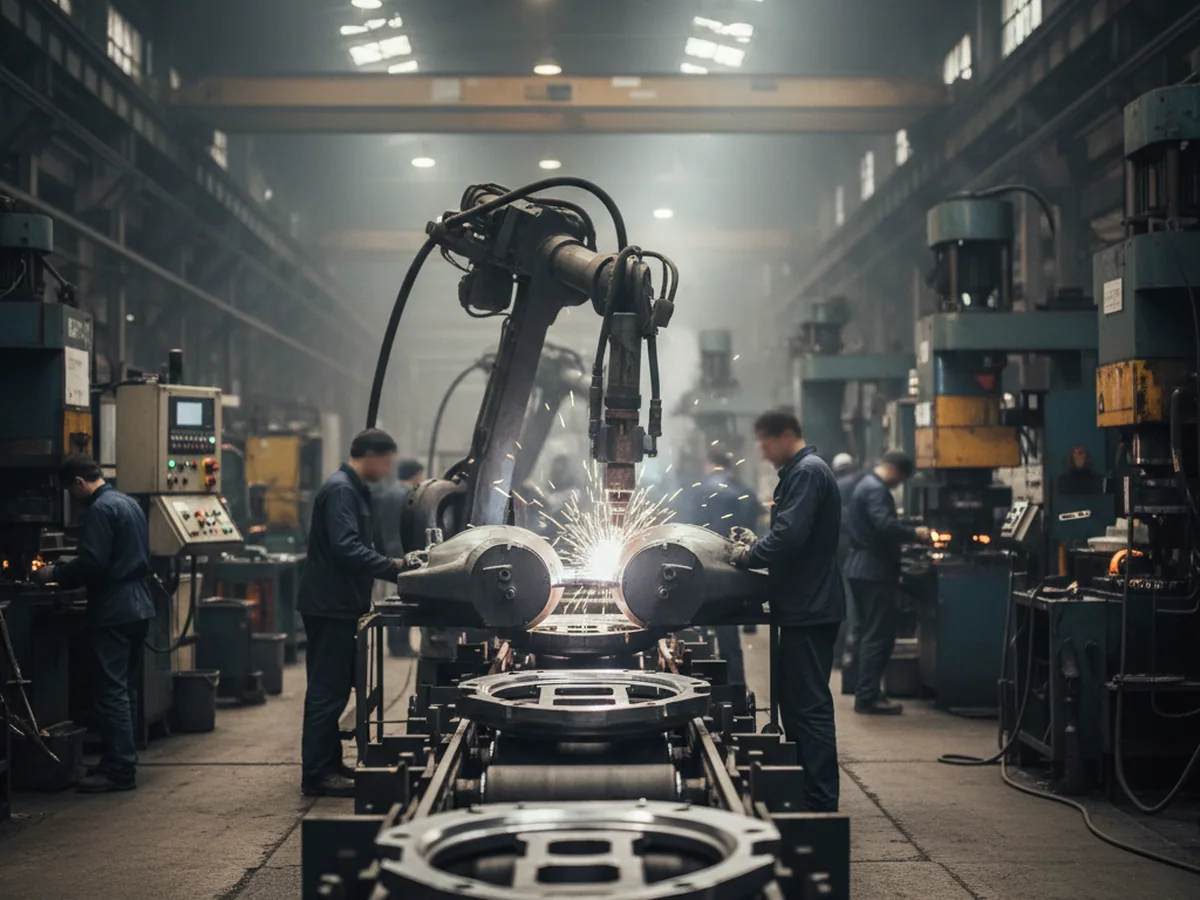
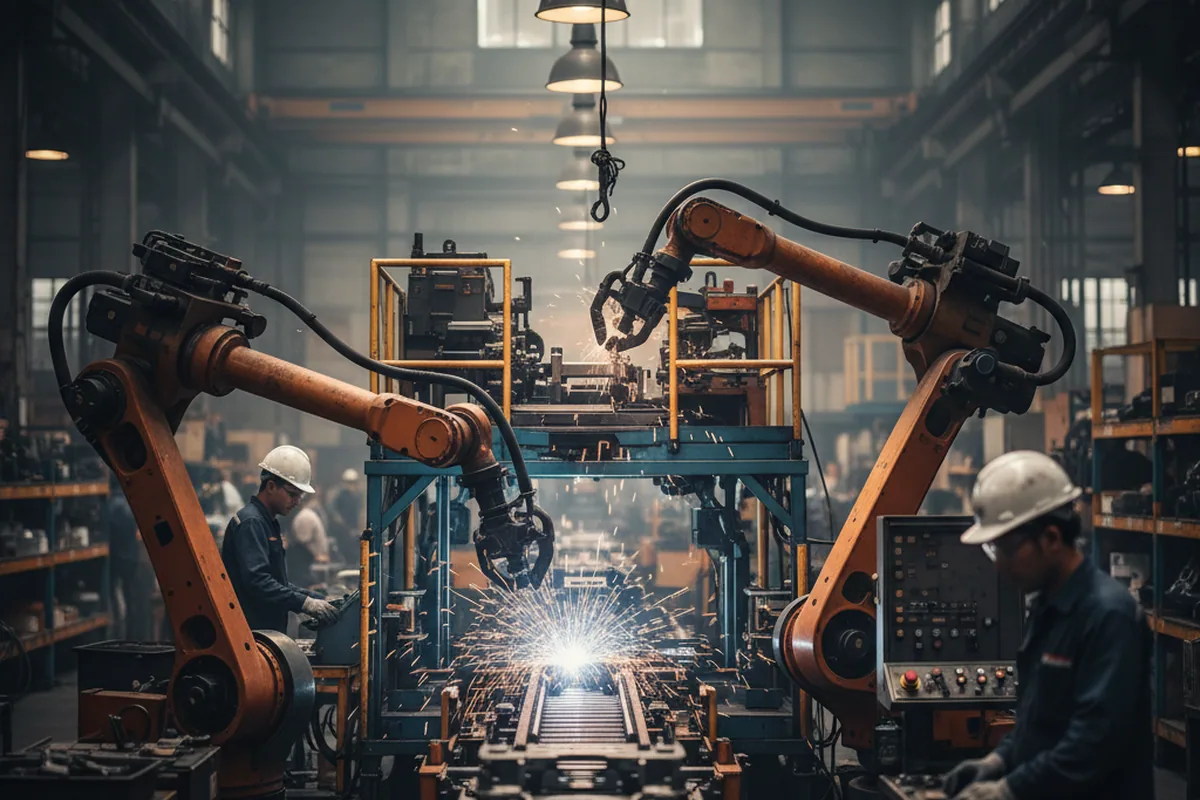
Stamping, welding, foaming and assembly all run inside a 35,000 m² plant on six automated lines rated at 500,000 seats a year. The seats stocked before a season and the seats re-ordered in the middle of one come off the same tooling, not out of two outside suppliers' weeks.
Send what you measured on the machine. Within 48 hours the reply names which models go on, which do not, and which figure decided it. The full process is at four processes.
Where the range goes
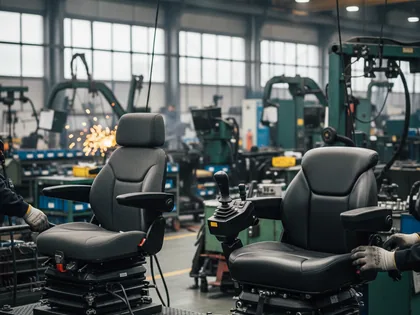
The three models go into combine harvesters, self-propelled forage harvesters, self-propelled and trailed sprayers, and the farm loaders and material-handling machines that work the same yards in the same weeks.
What these machines share is not size or power. A cab that sits high on the machine, an operator who stays in the seat for a whole working day, and a year of work that arrives in a window instead of spreading across twelve months. Tractor cabs have their own page and a supply question of their own; everything below is written for the machines that are not one.
The seat sits behind a wide glazed front, the operator turned towards the header for much of the day. Headroom on a raised cab decides how much travel is usable.
The cab is narrower, the operator watches a boom out to both sides, and the machine gets washed down after chemical work. Cover choice follows from that.
The cycle is short and repeated and the operator is in and out of the seat all day. Belt anchors and the door opening carry more weight here than travel.
A year of work arrives in one window. A seat ordered after that window opens arrives during it, and arriving during it is the same as arriving late.
The choice
One model carries an air suspension and brings a supply question with it. The other two are answered against what you measured on the machine.
The air suspension model. It takes a 24 V supply from the machine and adjusts to the operator in the seat. The one to look at where the machine works long continuous shifts and the seating position is already powered.
The designation and the range it belongs to are what is published today. Suspension type, travel and adjustment ranges are answered against your measurements, not read across from YJ03.
Published on the same terms as KL03. Say which figure your enquiry turns on and the answer addresses that figure directly, not with a datasheet.
The useful question is not which model is best. It is how few part numbers cover the machines actually carried. Send those machines in one list and the answer comes back grouped the other way round: which of the three part numbers covers which machines, and which machines none of them covers. That grouping is a stocking sheet, not a quotation, and it decides what to hold as a line item and what to order against a named machine.
The suspension systems in this range were developed together with East China Jiaotong University, a provincial key university in Jiangxi — a partner you can look up without asking us for anything.
Published values
| Property | KL03 | YJ03 | YY08 |
|---|---|---|---|
| Suspension | — | Air, 24 V supply | — |
| Operator weight adjustment | — | 50–130 kg | — |
| Backrest | — | Wraparound, adjustable | — |
| Warranty | 12 months | 12 months | 12 months |
Cells marked — are not published. The fitment answer covers all three models whatever the table shows, and where a model is ruled out the reply names the dimension that ruled it out.
Seven items off the machine
Seven items off the machine settle whether an agricultural machinery seat goes on, and none needs a part number from us.
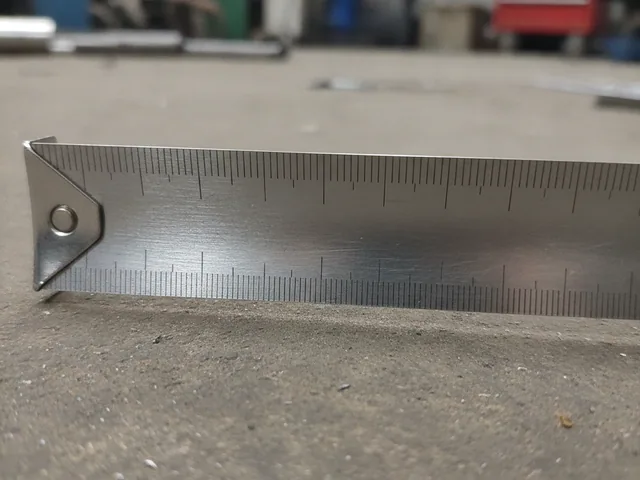
Centre to centre, front to back and side to side. A photograph with a tape laid square across the base is a valid answer. Say what the seat sits on: a flat plate, a pedestal, or a base with its own rails.
Taken at its narrowest point. In a field cab that is usually between the door pillar and the control console rather than at the door itself, and it is the figure that removes models fastest.
Base to roof, with a note on whether the old seat was in or out when it was measured. On a raised glazed cab this figure decides how much suspension travel the cab can give back.
Forward to the column and the console, back to the rear glass or bulkhead. On a harvester the console is often floor-mounted, which changes how much fore-and-aft travel is usable.
The seat has to get into the cab before it can be bolted down. A door narrower than the assembly is a problem found on the day of fitting unless it is measured first.
On the machine structure or on the seat, and how many of them there are.
This bears on YJ03 only, together with whether that circuit is live with the ignition or live permanently.
Models that go on, models that do not, and the dimension that decided each one. First reply within 24 business hours; fitment answer within 48 hours of the measurements arriving.
Put two machines of the same model on your list and make one of them a machine whose seat base has already been repaired.
If both come back with the same answer, you have learned what the answer is worth, in one email, for nothing. A reply doing the work names the two machines separately and says which measurement separated them. Matching across every machine family is covered at seat fitment compatibility.
A seat on a combine is not three years old. It is three harvests old, and those are two different seats.
The clock that counts
An agricultural machinery seat wears on a clock the machine is not bought on. When the question is whether a seat needs replacing before the window opens, the figure that means something is hours in the seat, not the year on the machine.
The suspension bench works the same way. It counts cycles at the model's full rated stroke, not months on a calendar. Put your own hours against that and you are comparing like with like.
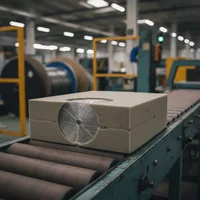
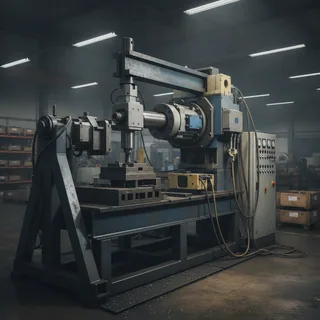
What the bench counts
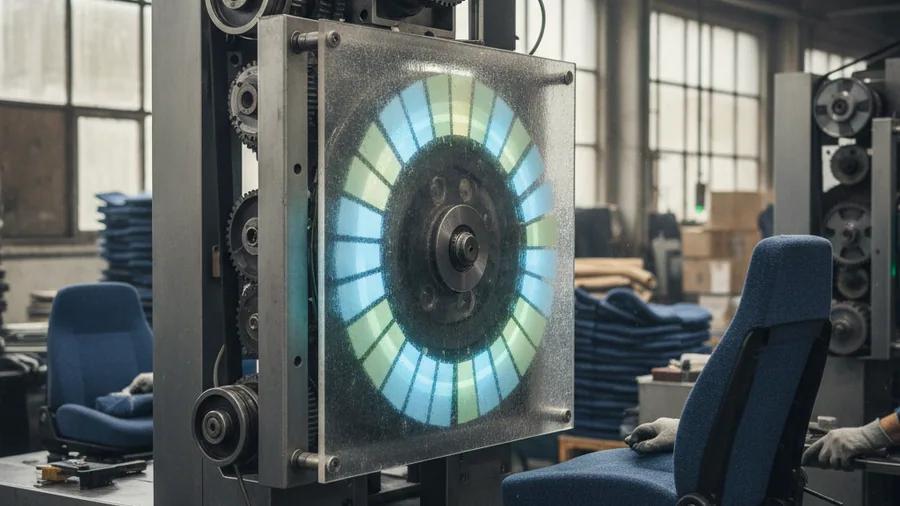
The bench runs 100,000 cycles at 1 Hz on the complete suspension assembly in the state it ships — frame, spring pack and damper together, at full rated stroke. Nothing is counted on a bare damper.
A failed set is handled the way a failed corrosion batch is: the whole batch stops, the welding station or damper lot is traced, and nothing ships until a re-test comes back clean. The three criteria are set out at the test bench.
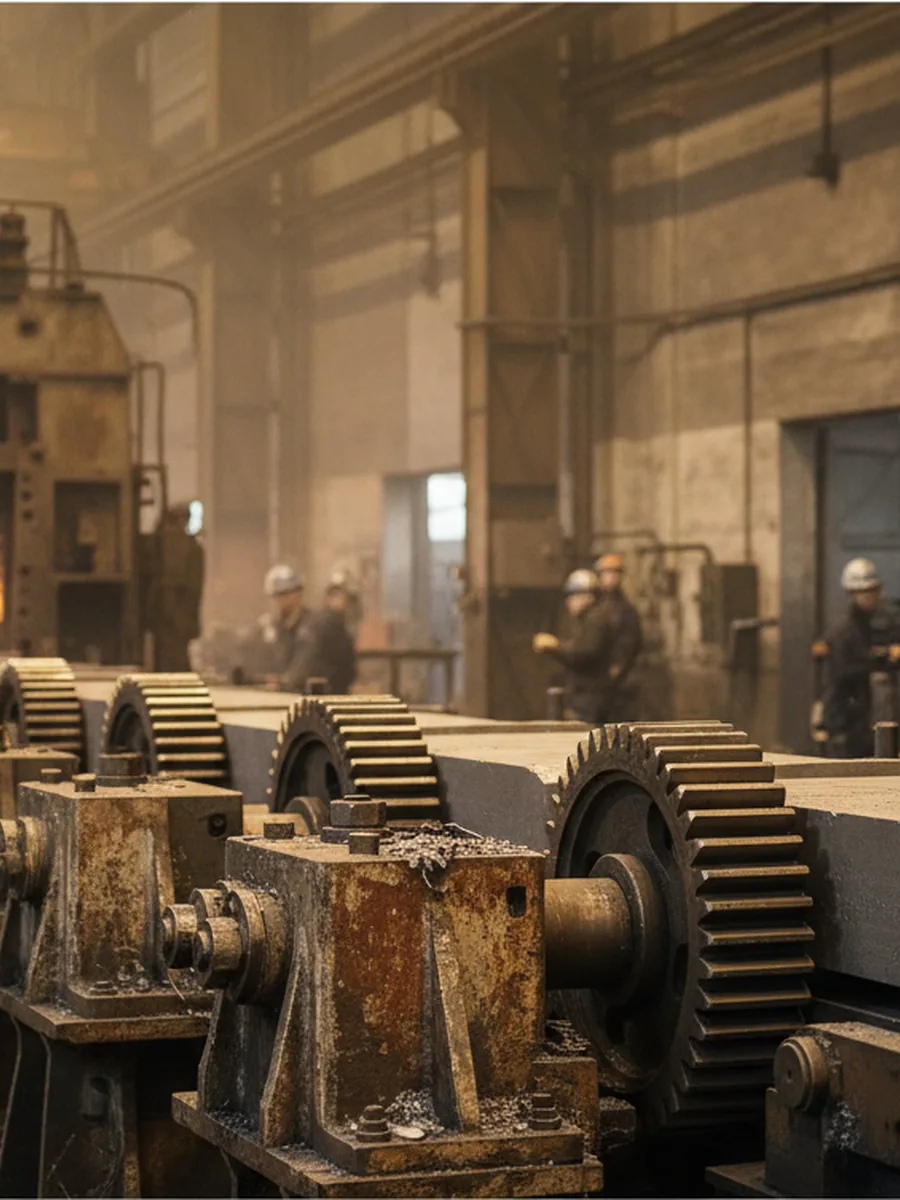
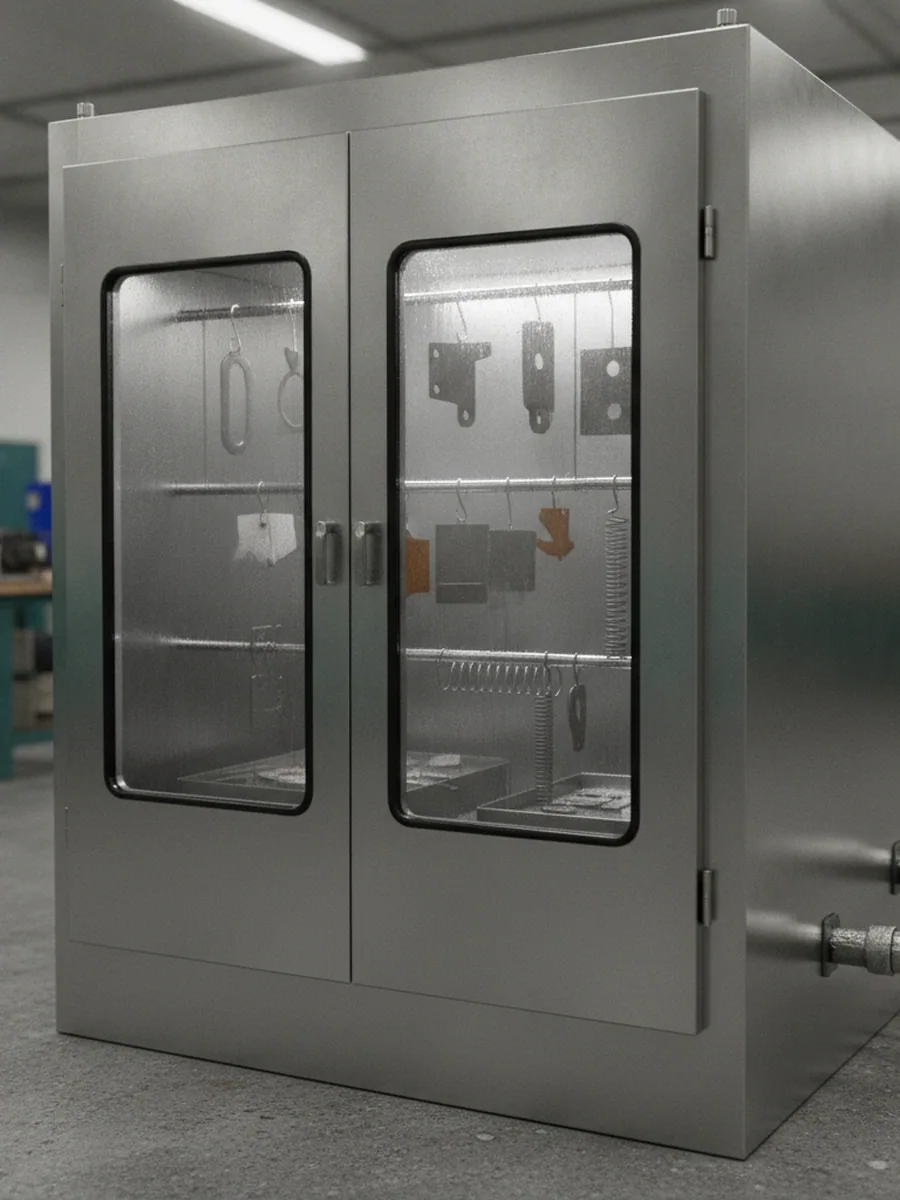
48 hours in the cabinet
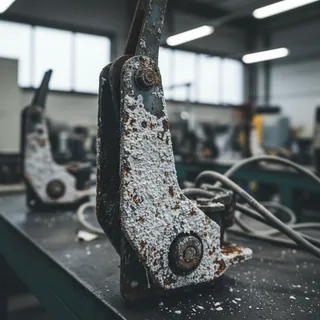
Frames and brackets go into neutral salt spray to ISO 9227 for 48 hours, and the criterion is no red rust at the end.
The whole batch stops. The coating lot it came from is traced, and nothing in it ships until a re-test comes back clean.
That is the question worth asking of any corrosion claim. The test centre is described machine by machine at seat quality testing.
Cover choice and spares
PVC is the usual cover here because it takes a wipe-down at the end of a dusty day and because a sprayer cab gets washed out after chemical work. Fabric is available where the cab stays clean and enclosed, and the choice is worth making per machine rather than across a whole order.
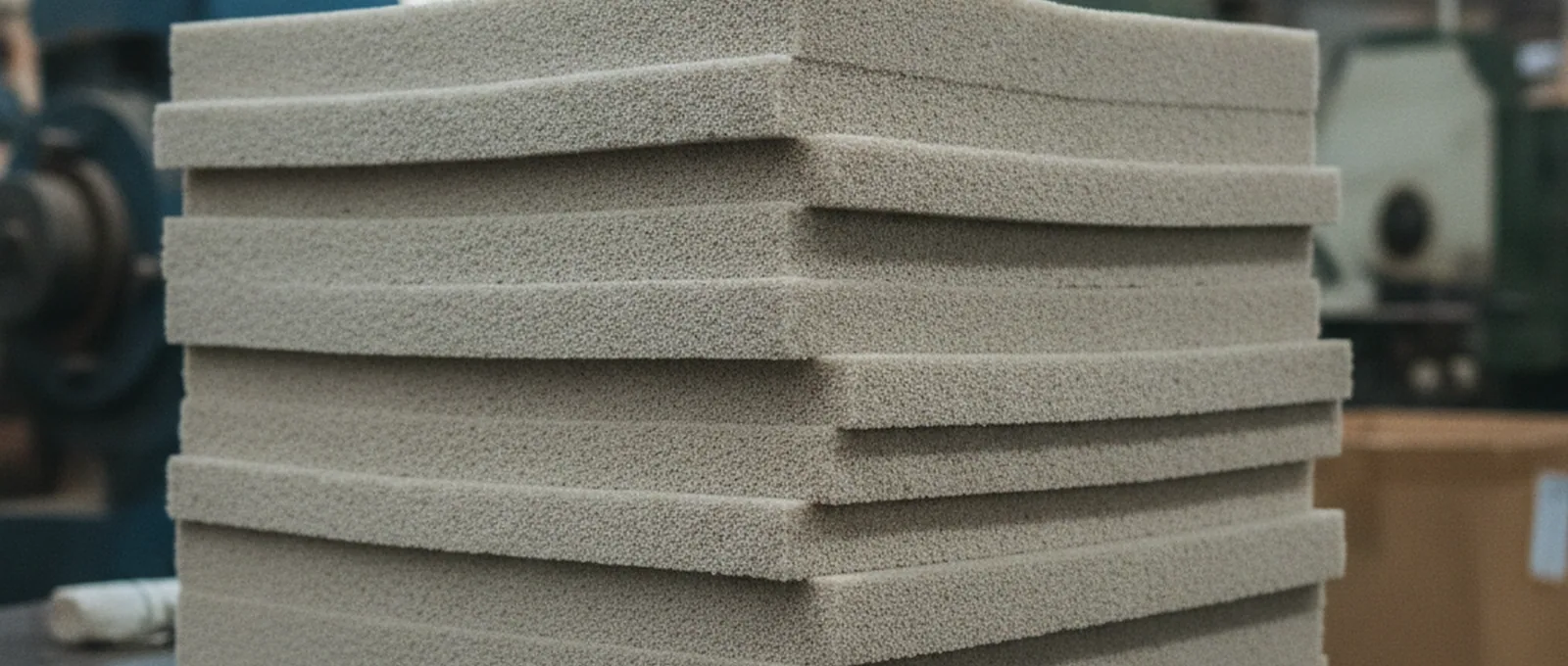
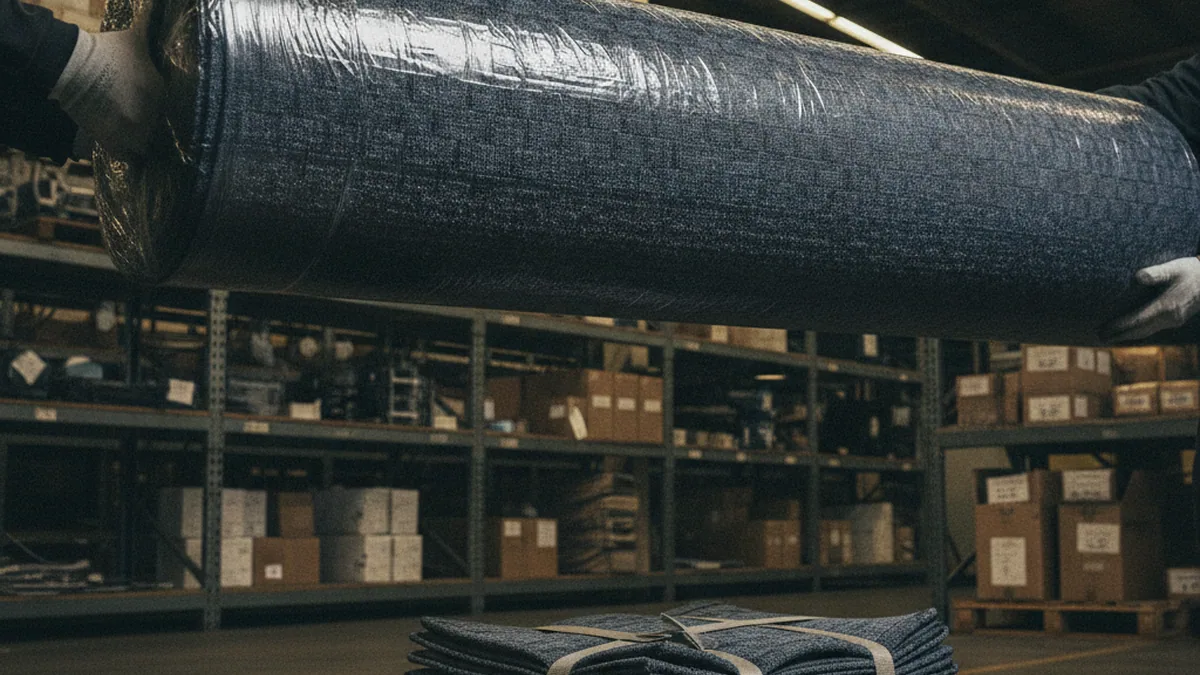
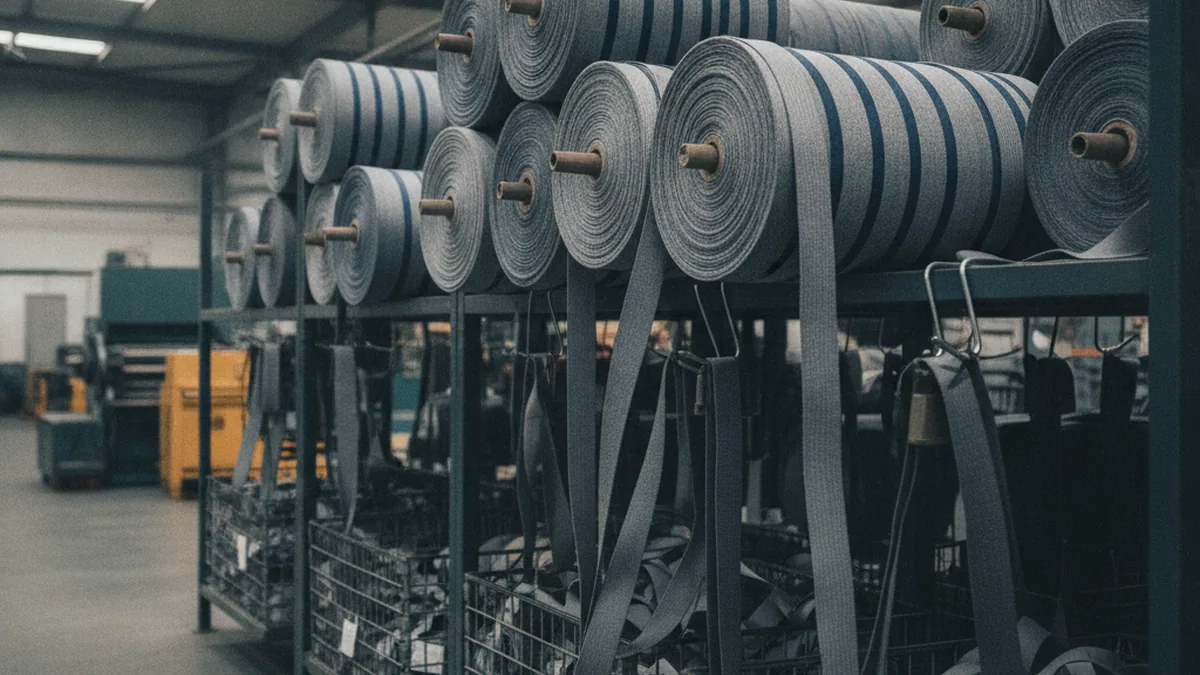
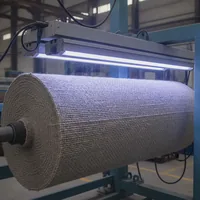
What a seat is refurbished around between seasons, so a machine can go into the window on a serviced seat instead of a new one.
These machines look for an operator in the seat before something else is allowed to run. A seat that does not talk to that circuit correctly is a machine that will not work, not a seat that is uncomfortable.
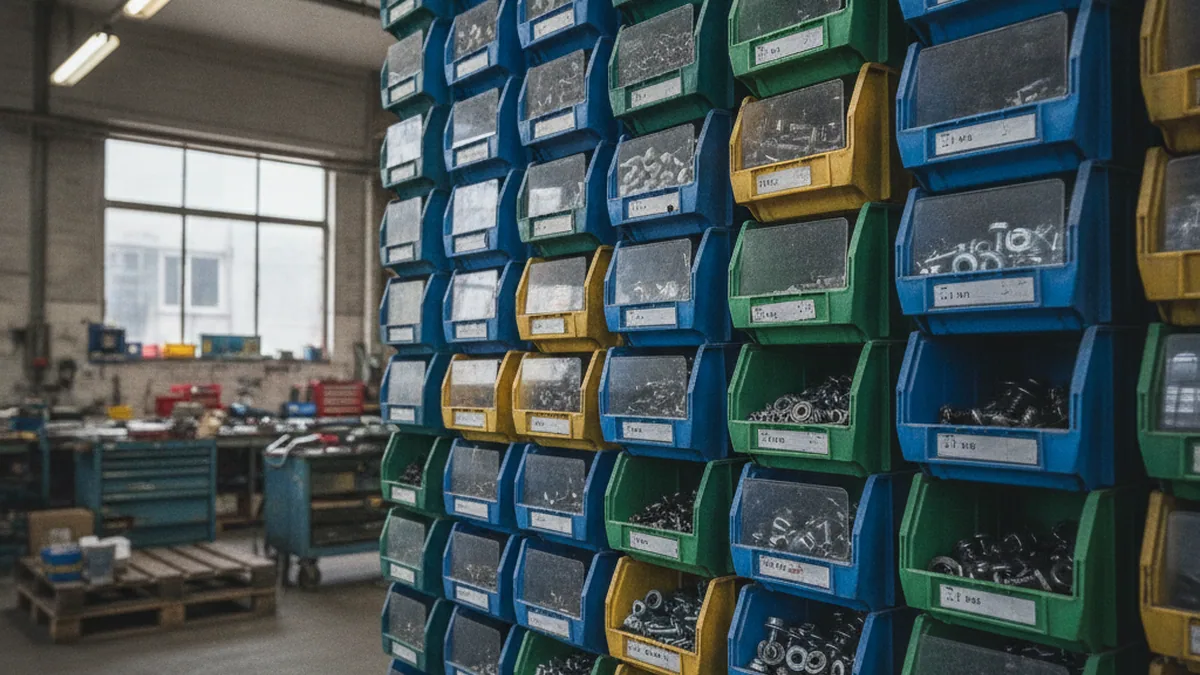
A presence circuit that does not match is found on the day the sample is fitted, and on these machines nobody has that day spare. Part numbers, minimums and part-level lead times are on seat spare parts.
Counted backwards
Count backwards from the first day the machine has to be in the field, not forward from today. Read this schedule from the bottom up and it names the last week an order can be placed and still land before the window.
One piece, fitted on a real machine while it stands. The sample fee comes off the batch order.
Production is counted from here. Not from the enquiry, not from the quotation.
Stock models from 50 pieces per model; custom or OEM work from 200. A single sample piece can be ordered on its own.
Yours to add, because we do not know your route and you do. Add it before the order date is fixed.
A seat ordered inside that arithmetic is on the shelf before the window opens. One ordered after it arrives during the window.
Hold what covers several machines, order the exceptions. The models held as a line item are the ones covering several machines at once. The exceptions the stocking sheet turned up are ordered against a named machine. Placing the covering models early and leaving the exceptions on demand keeps a season's stock from being either short or full of part numbers that move once a year. Order shapes are set out in full at order shapes.
Shipments go to Europe, North America, South America and Southeast Asia, and to more than 40 countries in total. Tell us the delivery date you are working towards rather than the date you would like to order, and the reply says what has to be confirmed by when.

Seats crated by model, staged before the season rather than during it
Programmes and marking
Machine programmes bring a different shape of request from a stocking order: smaller batches per variant and more variants per programme, which is where the 200 pieces per model threshold has to be talked through early rather than discovered late.
A 22-person R&D team works from your drawing or from the envelope you can give us. Because stamping and welding are in-house, a structural change goes through our own workshops rather than an outside queue. What can change is dimensions, structure, cover material and colour, and marking.
It sits on our floor, it runs your orders and nothing else, and it reads the same way in a purchase agreement as it does here.
A part carrying your marking does not leave this plant in anyone else's box. Drawings are seen by the project group and the matching workstations only, and an NDA can be signed on request.
Once a sample is approved, custom work runs on the same 20 to 30 day schedule as stock models. Send marking artwork in vector format with the placement dimensioned on the seat. The wider process is at custom OEM seat manufacturing.
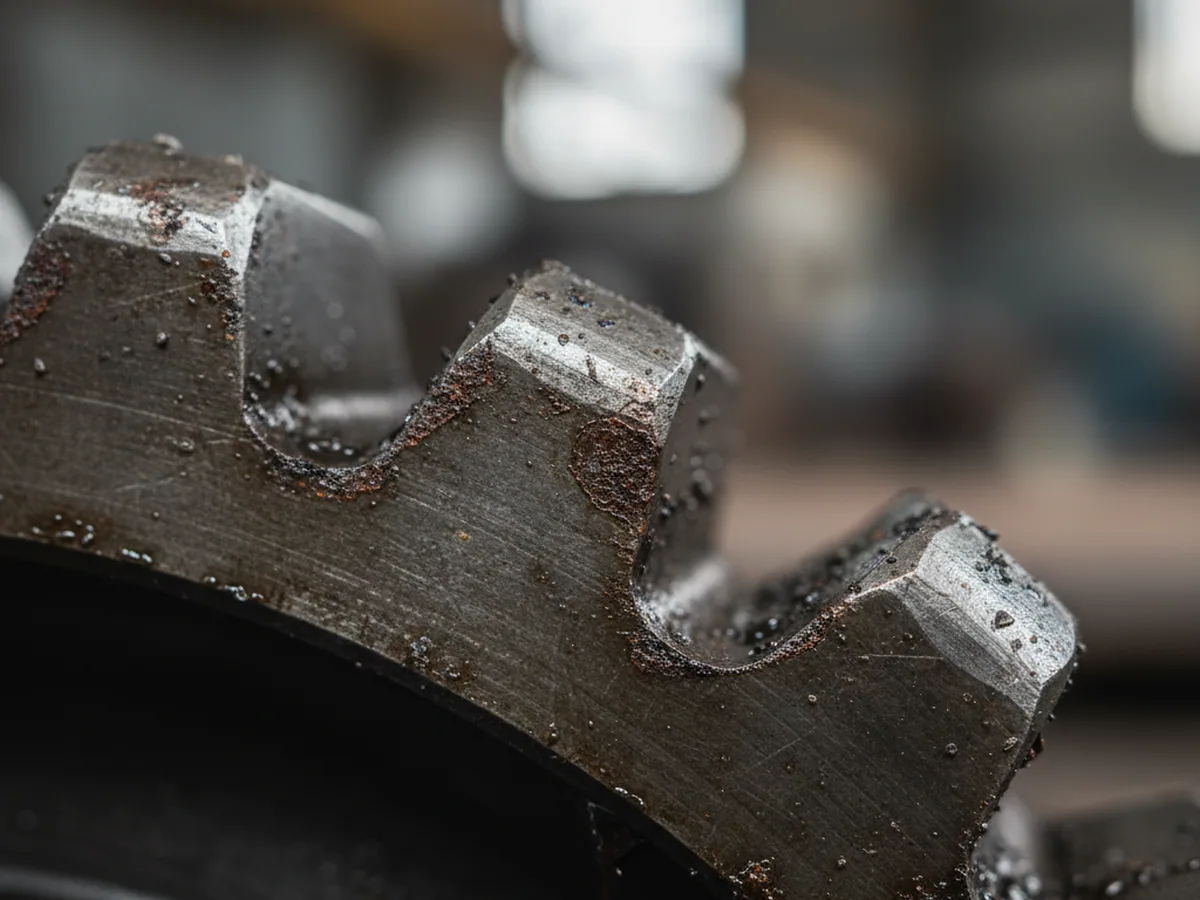
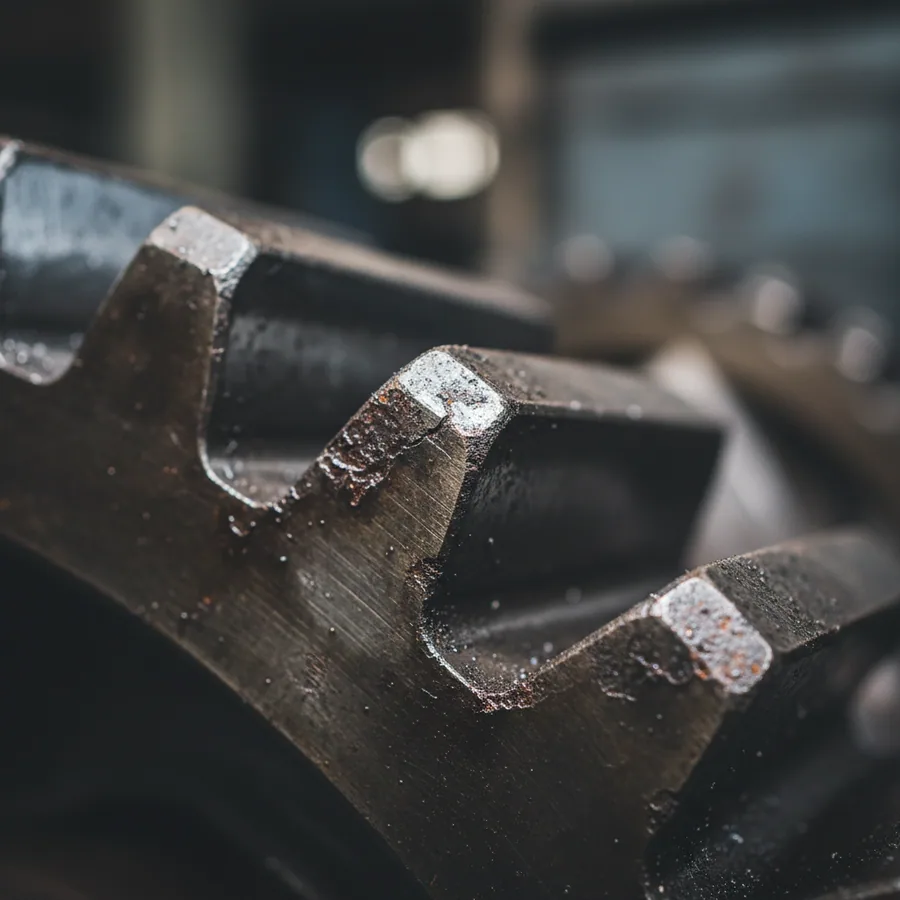
Cover and paperwork
Every seat carries a 12-month warranty. Quality management is certified to ISO 9001:2015 and the product range carries CE, both described at certifications.
Tell us at order confirmation which of these your import requires and in whose name they should be issued.
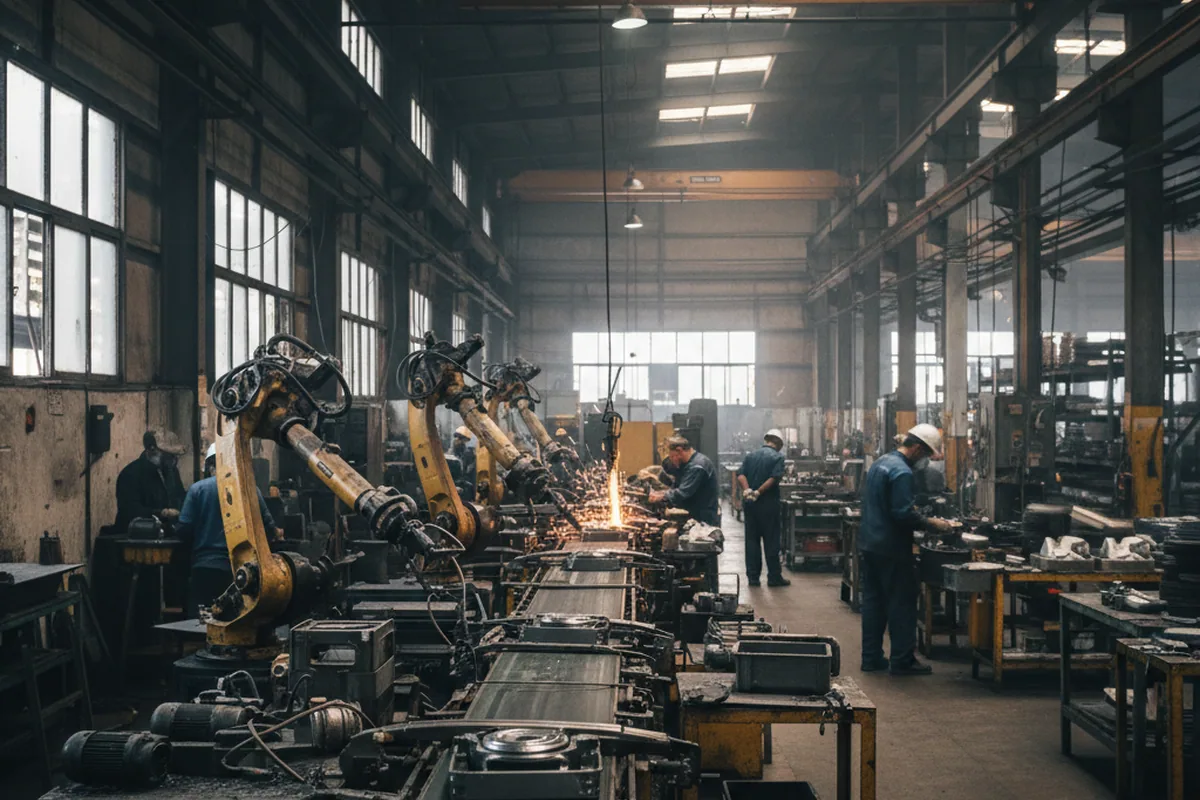
Documents raised against the shipment, in the names your entry needs
Copy this into your first email
Sixteen lines, one email, one round. The six at the top of the first column decide the answer.
Everything on the list comes off the machine, not off a part number
Where to go next

The same three models in cab machines, with the 24 V supply question set out in full.
Choosing air or mechanical against a duty cycle rather than a price.
Measuring and matching across every machine family.
Loaders, dozers, rollers and cranes, with the KL02 and YS2-8 table.
KL02 and YS2-8 on excavators, and what slewing does to a seat.
Suspensions, covers, belts and switches on their own part numbers.
Warehouse machines are covered at forklift seats and the garden range at lawn mower seats.
One email, one round
Send the bolt spacing, the clear width, the headroom, the fore-and-aft room, the door opening, the belt anchors and the supply voltage at the seat, with your machine models and the first date you need them working.
First reply within 24 business hours. The fitment answer follows within 48 hours of the measurements arriving, naming the models that fit and the ones that do not, with the dimension that decided each.
Within 24 business hours.
Within 48 hours of your measurements arriving.
One piece, shipped in 7 days, fitted while the machine is standing.