Every figure on this page is the figure you will be quoted Minimums, lead times, warranty and test criteria, written out rather than held back for an email.
What you send
What comes back
Twenty-Nine Seat FAQ Answers That Carry the Number You Will Be Quoted
Who you are dealing with, how a seat is matched to your machine, what an order looks like, how far custom work goes, what happens on the test benches, and how parts and warranty work afterwards.
Send Your Seven ItemsGroup 01 · three questions
The Company Behind the Seat
Three questions from buyers who have landed here from a search and want to know who is on the other end.
Q 01Are you a factory or a trading company?
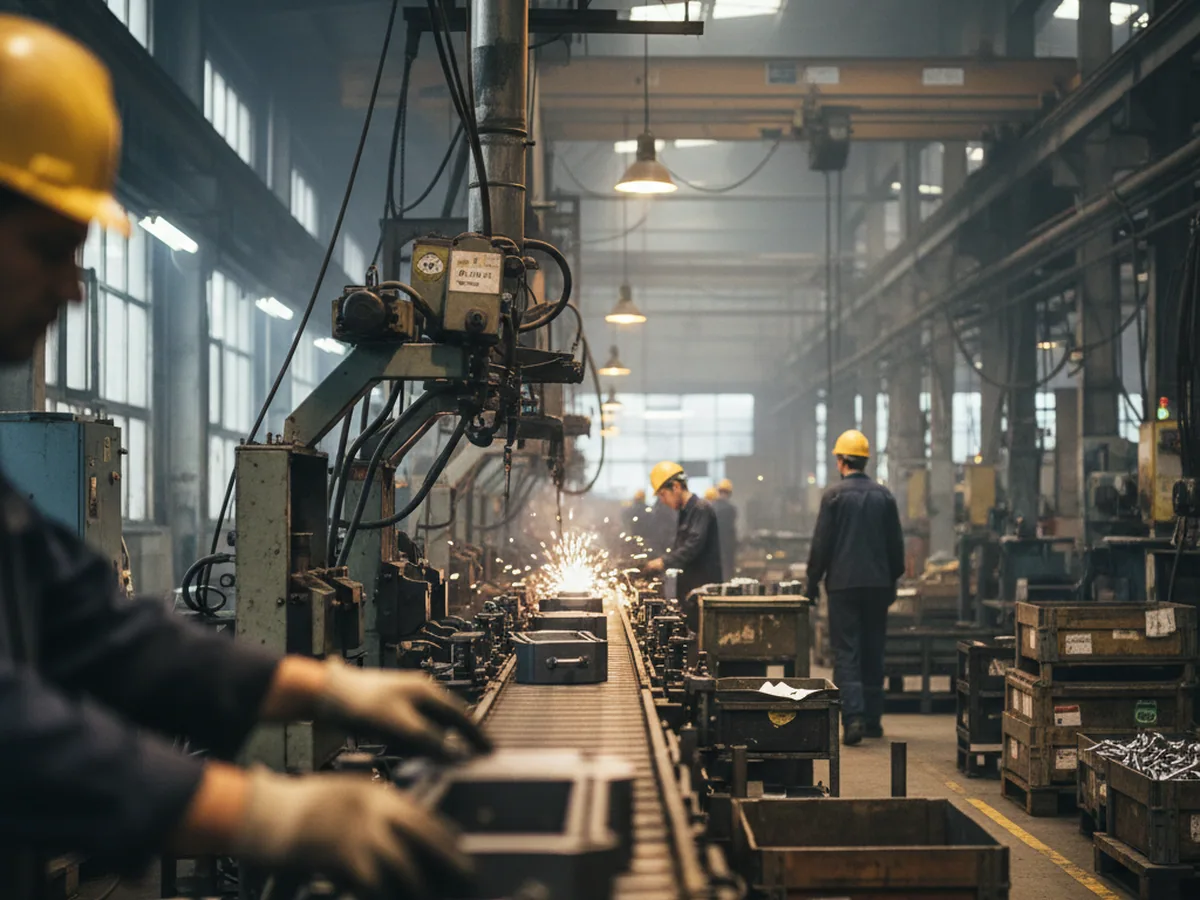
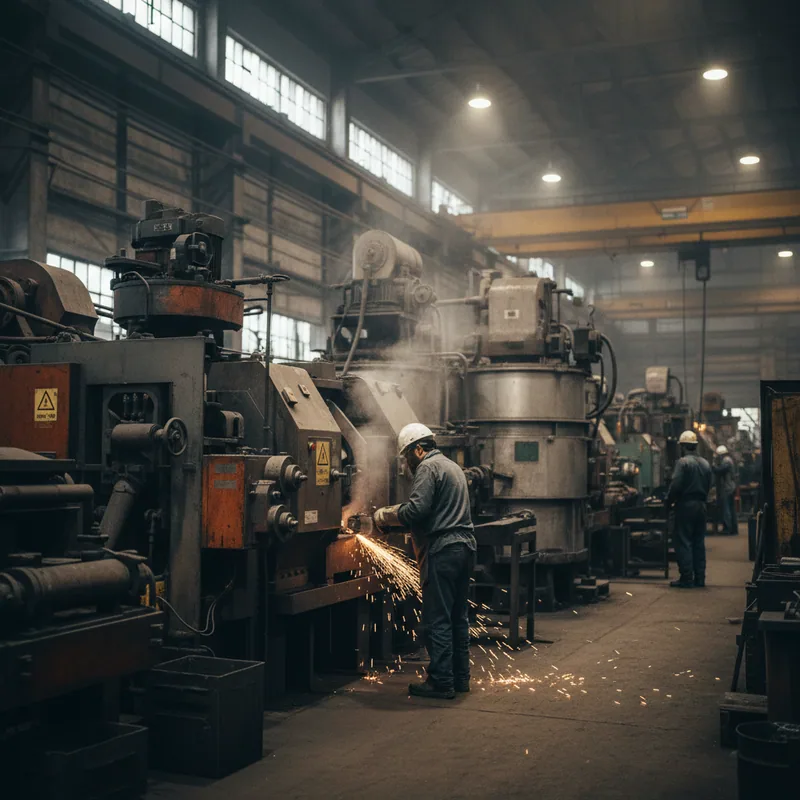
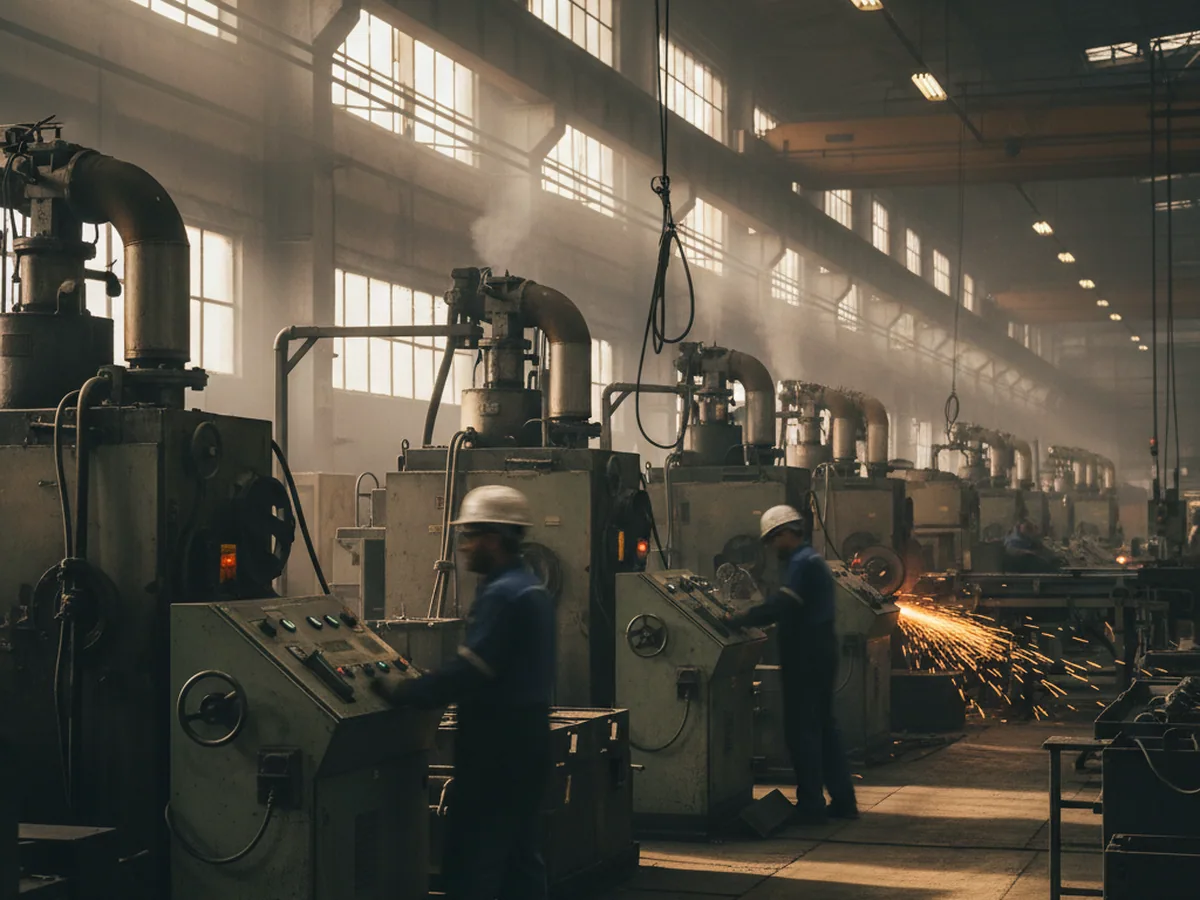
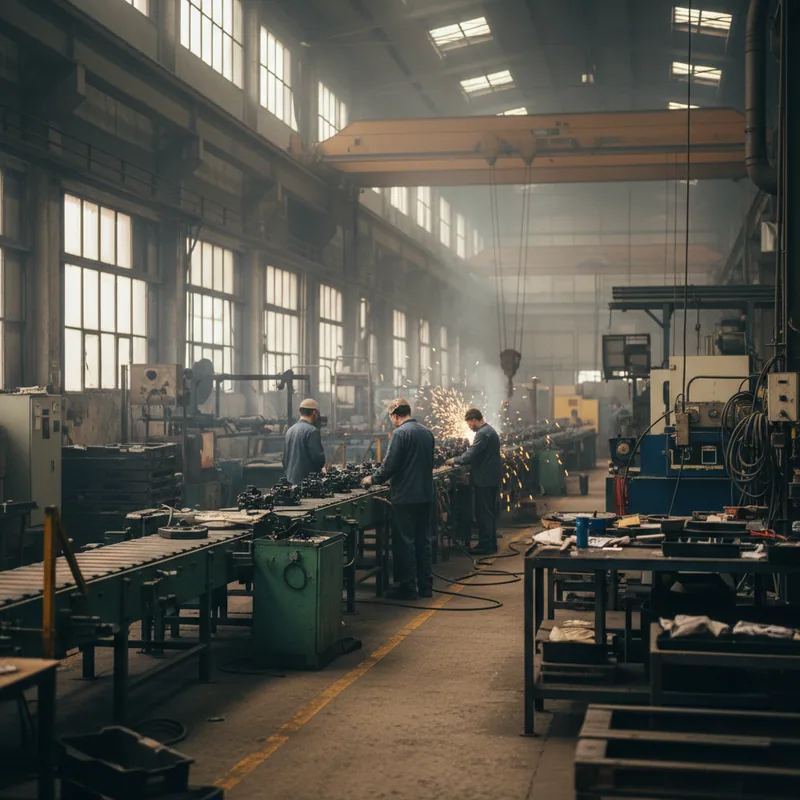
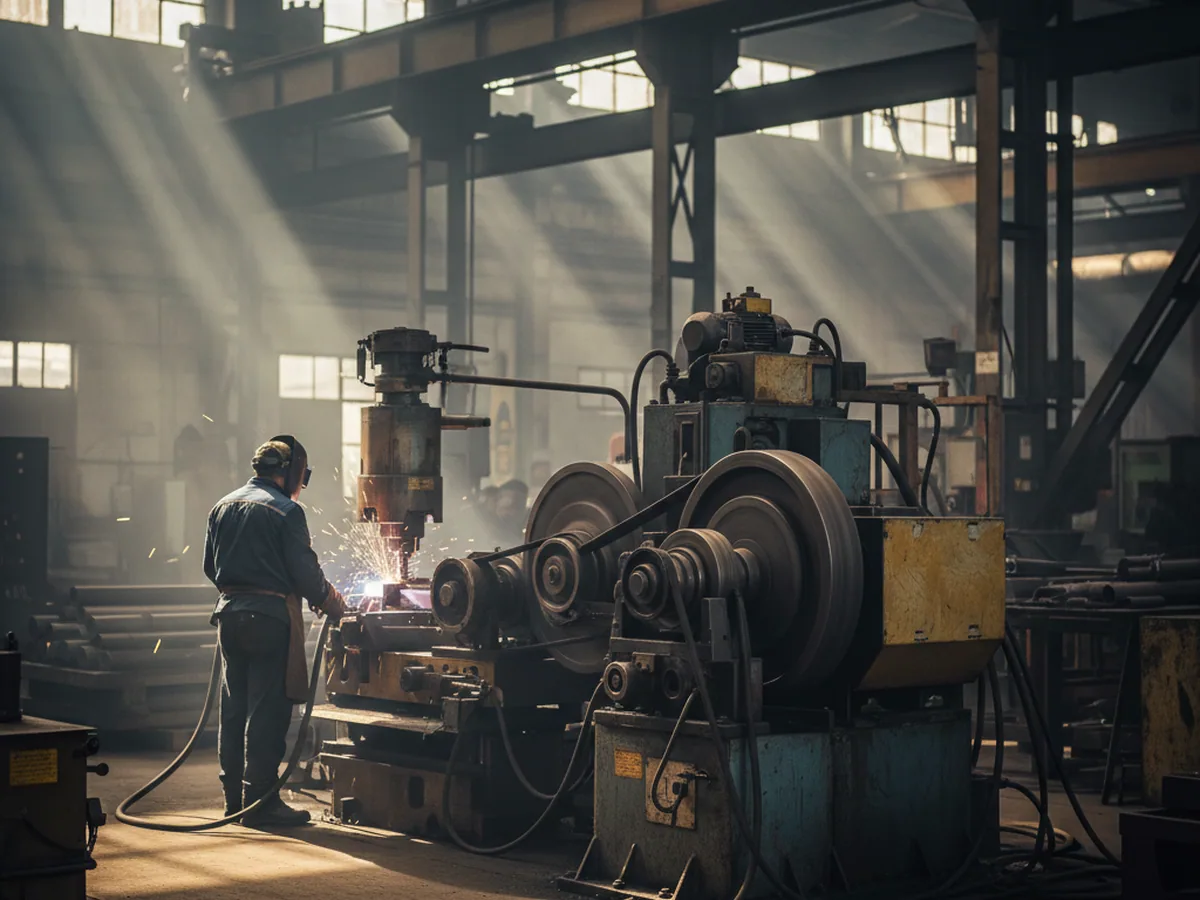
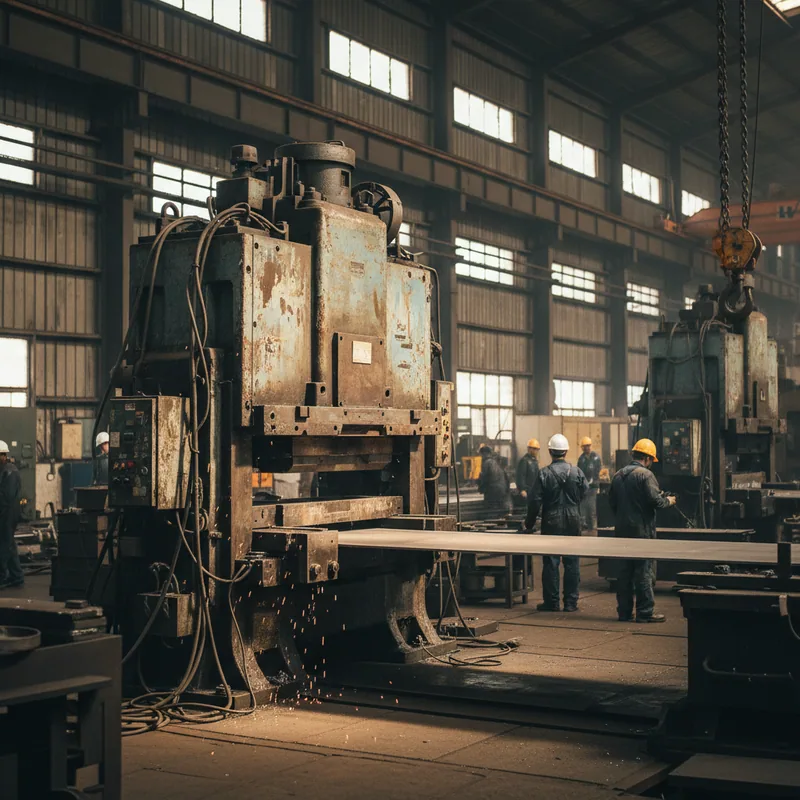
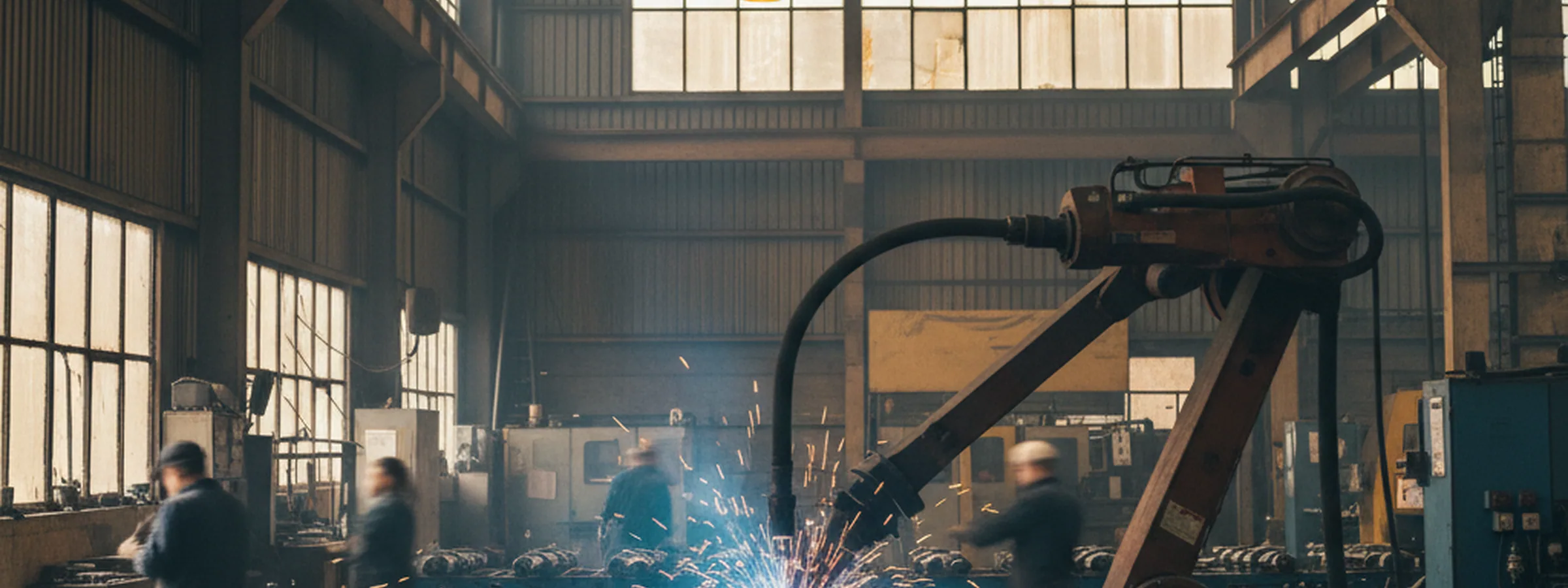
We are a manufacturer. Nanchang Qinglin Seat Manufacturing Co., Ltd. builds operator seats under the KL Seating brand in a 35,000 m² plant, and the four processes that make a seat are all ours: stamping, welding, foaming and assembly. Six automated assembly lines carry a rated capacity of 500,000 seats a year, with a stereoscopic warehouse and a 5G digitalised workshop behind them. Around 260 people work here, 22 of them in research and development and 18 in quality control. Nothing on this site is a product we buy in and badge.
Q 02Do you build seats for cars, trucks or buses?
No. Everything we make is off-road and industrial, in four families: forklift seats, construction machinery seats, agricultural machinery seats and mower seats. Within those we build KL01, KL11, YY03 and YY53 for lift trucks, KL02 and YS2-8 for construction machines, KL03, YJ03 and YY08 for tractors and self-propelled agricultural machines, and YY70 for mowers. If your application is road vehicle seating, another factory is the right one to ask. The four ranges start at forklift seats and construction machinery seats.
- KL01 · KL11 · YY03 · YY53
- KL02 · YS2-8
- KL03 · YJ03 · YY08
- YY70
Q 03Who do you normally supply?
Three kinds of buyer.
- Aftermarket distribution. Parts distributors, dealer service networks and importers stocking against a mixed fleet.
- OEM and ODM programmes. Off-highway machine builders and their tier-one suppliers specifying a seat into a machine.
- Private-label wholesalers selling under their own brand.
The seats ship into Europe, North America, South America and Southeast Asia, more than 40 countries in total, and most of the volume in any year goes to buyers who ordered the year before.
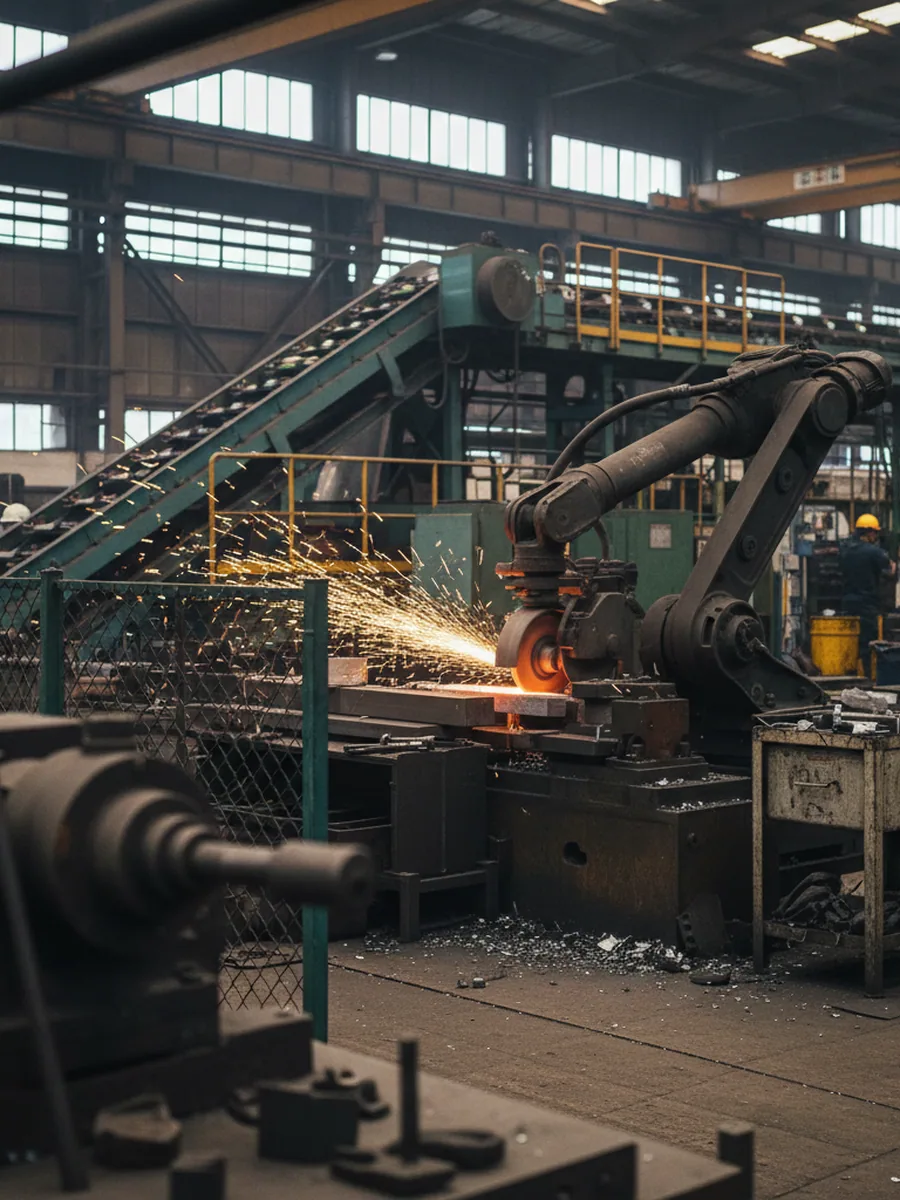
- Plant
- 35,000 m²
- Rated capacity
- 500,000 seats a year
- Assembly lines
- Six, automated
- People
- Around 260, with 22 in R&D and 18 in quality control
Group 02 · part one of two
Seat FAQ Fitment and Model Selection
Five questions on getting the right seat onto your machine. Three of them here; suspension type and weight band next.
Bolt centres
Front-to-back and side-to-side.
Clearance above
Base to roof or canopy.
Fore-and-aft room
Controls ahead, bulkhead behind.
Belt anchors
Position today, and how many points.
Q 04How do I find out whether one of your seats bolts onto my machine?
By sending measurements rather than a model number. Send the four items above and, within 48 hours of the complete set arriving, you get back which of our models physically fit your machine, which do not, and which measurement ruled each one out. Where nothing in the range fits, that answer comes at this stage rather than after a sample has been made and shipped. Your first reply arrives within 24 business hours. The full route is set out at seat fitment and compatibility.
Q 05What should I measure on the seat I am replacing?
Four things off the machine. First, the bolt centres on the base the seat sits on, front-to-back and side-to-side. Second, the clearance from that base up to the cab roof or canopy, stating whether the old seat was in place when you measured. Third, the fore-and-aft room, to the controls in front and to the bulkhead behind. Fourth, where the seat belt anchors today and on how many points. Add the supply voltage if anything on the seat is powered.
Q 06I only have a photograph of the old seat, not a drawing. Is that enough?
Yes, and it is often faster. A photograph with a tape measure laid square across the seat base answers the first measurement on its own. Add a side view of the base, because that is what shows how much of your headroom the base itself already uses, and one frame of the whole seating position taken from the doorway, which captures the control layout, the belt anchors and the rear clearance together. Photographs of the seat label and the mounting face complete the set.
What makes a photograph usable
Tape square to the base · a side view of the base · one wide frame from the doorway · the seat label · the mounting face.
Four measurements go out. Within 48 hours of the complete set, the models that fit and the models that do not come back.
Group 02 · part two of two
Suspension Type and Operator Weight Band
The two selection questions that follow once the seat is known to bolt on.
Q 07Mechanical, semi-suspension or air, which one does my machine need?
The duty cycle settles it. Hard flat floors and short repeated cycles suit mechanical suspension, which is what all four forklift models carry. Broken ground and long shifts suit air suspension: YJ03 is our air-suspended agricultural model, running on a 24 V supply. A shallow cab, or a machine keeping an existing rail, suits semi-suspension, which is YY01. Machine tonnage and machine brand do not decide this. The comparison across all three families is at suspension seat selection.
Q 08The machine is shared by operators of very different weights. Which weight band applies?
Read the band from the spread of your roster, not from an average, because an average sits comfortably inside both bands and settles nothing. KL01, KL11, YS2-8 and YJ03 carry weight adjusters covering 50 to 130 kg. YY03 and YY53 cover 40 to 120 kg. Send the lightest and the heaviest operator who will use the machine and the band follows from those two figures. Where a roster straddles the two, the model choice moves rather than the adjuster setting.
| Weight band | Models | Suspension |
|---|---|---|
| 50–130 kg | KL01, KL11, YS2-8, YJ03 | Mechanical, and air on YJ03 |
| 40–120 kg | YY03, YY53 | Mechanical |
Send two figures, not one
The lightest and the heaviest operator. An average sits inside both bands and decides nothing.
Group 03 · four questions
Samples, Order Sizes and Lead Times
Four questions on order shape, answered with the same figures your quotation will carry.
Sample
Any model in the range. Cost deductible against the bulk order that follows.
Stock models
Counted per model, not per order.
Custom and OEM
Per model, tooling or fixture work behind it.
Q 09Can I order a single seat as a sample first?
Yes. One piece is orderable on any model in the range, and the sample cost is deductible against a subsequent bulk order of that model. A sample takes 7 days. It is worth ordering ahead of a stocking run on anything that has to mate with something already on the machine, which in practice means rails, presence switches and suspension assemblies. Send the fitment measurements with the sample request so the sample that ships is the model we have already confirmed fits.
The question the sales desk is asked first
Q 10What are your minimum order quantities?
Three tiers, counted per model. One piece for a sample. 50 pieces per model for stock models. 200 pieces per model for custom and OEM programmes, because those carry tooling or fixture work behind them. Replacement parts run on their own figure: 20 pieces per part number, with a single piece orderable as a sample. These are the figures the sales desk quotes against, and they are the reason a first conversation here usually starts with which models you need rather than how many pieces in total.
Q 11How long does a sample take, and how long does production take?
A sample takes 7 days. Production runs 20 to 30 days, counted from order confirmation. Stock replacement parts ship in 7 days; parts not held in stock run with the seat line at 20 to 30 days, because they are built on the same lines as the seats they belong to. When you send an enquiry, say whether the quantity is for a shelf or for a machine that is currently down, since that decides which of the two routes you are quoted against.
| What is ordered | Lead time |
|---|---|
| Sample, one piece | 7 days |
| Production, complete seats | 20 to 30 days |
| Stock replacement parts | 7 days |
| Parts not held in stock | 20 to 30 days, on the seat line |
Q 12Can I put several different models on one order?
Yes. The minimum is counted per model, so an order carrying three models is three models each meeting its own tier: 50 pieces each for stock models, 200 pieces each where a model is custom. Seats and replacement parts run on one confirmation rather than two, so a distributor restocking covers and armrests alongside complete seats does not open a second order. Mixed shipments are consolidated and travel on one set of export documents.
Group 04 · part one of three
Custom Work Without New Tooling
Five questions from buyers taking a seat beyond the catalogue, starting with how far a standard model bends before anything is cut.
Q 13What can I change on a standard model without new tooling?
More than most buyers expect. Cover material and colour, foam specification, armrest type, belt type and anchor configuration, rail slides, presence switches and micro switches, swivel rotary consoles, adjuster lever colour, stitching and your own marking are all specification lines rather than tooling changes. They are chosen at order stage and run on the standard 20 to 30 day production window. The line into new tooling sits where the steel frame or the mounting interface itself changes shape, and that is set out at custom and OEM seat manufacturing.
- Cover material and colour
- Foam specification
- Armrest type
- Belt type and anchors
- Rail slides
- Presence and micro switches
- Swivel rotary console
- Adjuster lever colour
- Stitching
- Your own marking
Q 14Can the seat carry my brand instead of yours?
Yes. Marking, colour, stitching and packaging are all specification lines on a standard model, so a private-label programme does not by itself require tooling. Parts carrying your marking are made for your orders only and are not offered to any third party in any market. Private-label programmes are ordered on the 200 pieces per model tier where the marking is moulded or stamped rather than applied.
Group 04 · part two of three
Tooling Ownership and Programme Start
What happens once money goes into a mould, and what it takes to open the programme that needs one.
Settle this before the first fixture is cut
Q 15If I pay for the tooling, who owns it?
You do. Tooling and fixtures you fund belong to you, are held at our plant identified to your programme rather than to a model number, and are set up against your orders and nothing else. What happens to them at the end of a programme, and whether they move elsewhere, is settled on your written instruction rather than on our production planning. Components carrying your marking never leave this plant in anyone else's packaging. All of this reads the same way in a purchase agreement as it reads here.
Q 16What do you need to start a custom programme, and how long to the first shipment?
Four inputs open it: the machine and its seating position, a drawing or a sample seat, the operator weight range, and the quantity per model. A feasibility answer comes back within 48 hours of a complete set, naming what runs as a specification change and what needs tooling. A sample follows in 7 days once the specification is signed off, and production runs 20 to 30 days from order confirmation on the 200 pieces per model tier.
The machine
Model and seating position.
A drawing or a seat
Either one opens it.
Weight range
Lightest and heaviest operator.
Quantity per model
On the 200 pieces tier.
Group 04 · part three of three
Separation From a Competitor's Programme
Asked by every buyer who sells into a crowded market
Q 17I compete with another of your customers. How are our drawings and tooling kept apart?
By access limits and by physical separation. Your drawing reaches the project team and the specific workstations that have to cut, weld or foam against it, rather than sitting where a whole department can open it. We sign a non-disclosure agreement when you ask for one, and we sign it before your drawing arrives. Where we already build for another buyer selling into your market, that programme's drawings, tooling and marked components are stored separately and scheduled separately from yours, and neither is ever shown to the other.
- Drawings. To the project team and the workstations that cut, weld or foam against them.
- Tooling. Stored and scheduled apart from any programme in your market.
- Marked components. Your orders only, never in anyone else's packaging.
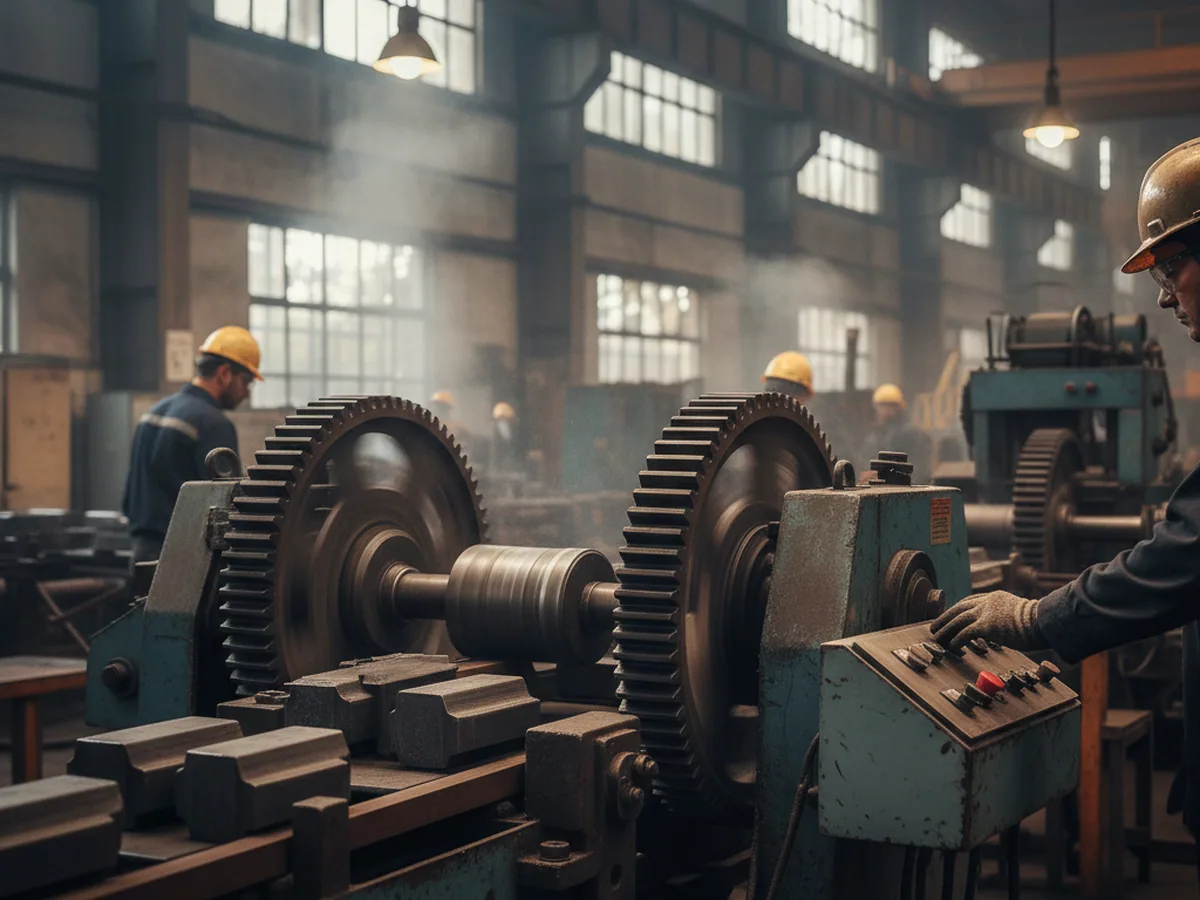
A batch that fails one of our own tests is held in full. Not released under concession, not shipped under monitoring.
Group 05 · part one of three
The Seat FAQ Rows a Supplier Questionnaire Asks
Five questions from supplier qualification, where a form has to be filled in with our answers.
Q 18Which certifications do you hold, and how do I get copies?
We hold ISO 9001:2015 for the quality system and CE on the products. Copies go over by email during supplier qualification, together with photographs of the fourteen machines in our test centre taken one bench at a time, which is what most qualification forms are really asking for under equipment held. On the shipment itself we issue Certificate of Origin, Certificate of Analysis or Conformance, insurance certificates and the other standard export documents. Send the certification rows from your questionnaire and they come back filled in.
- Quality system
- ISO 9001:2015
- Product
- CE
- Per shipment
- Certificate of Origin, Certificate of Analysis or Conformance, insurance certificates and the other standard export documents
Q 19Do you test in your own plant, or send parts to an outside lab?
In our own plant. The test centre holds fourteen machines: a salt spray tester, a shock absorber fatigue test bench, a SIP tester, a universal material experiment tester, a load durability testing machine, a comprehensive strength test bench, a creep wear tester, a foam resilience tester, a combustion test box, a melting depth microscope, an electronic analysis scale, and the metallographic set of cutting, inlaying and polishing machines. Eighteen people run quality control across five inspection points. The station-by-station account is at seat quality testing.
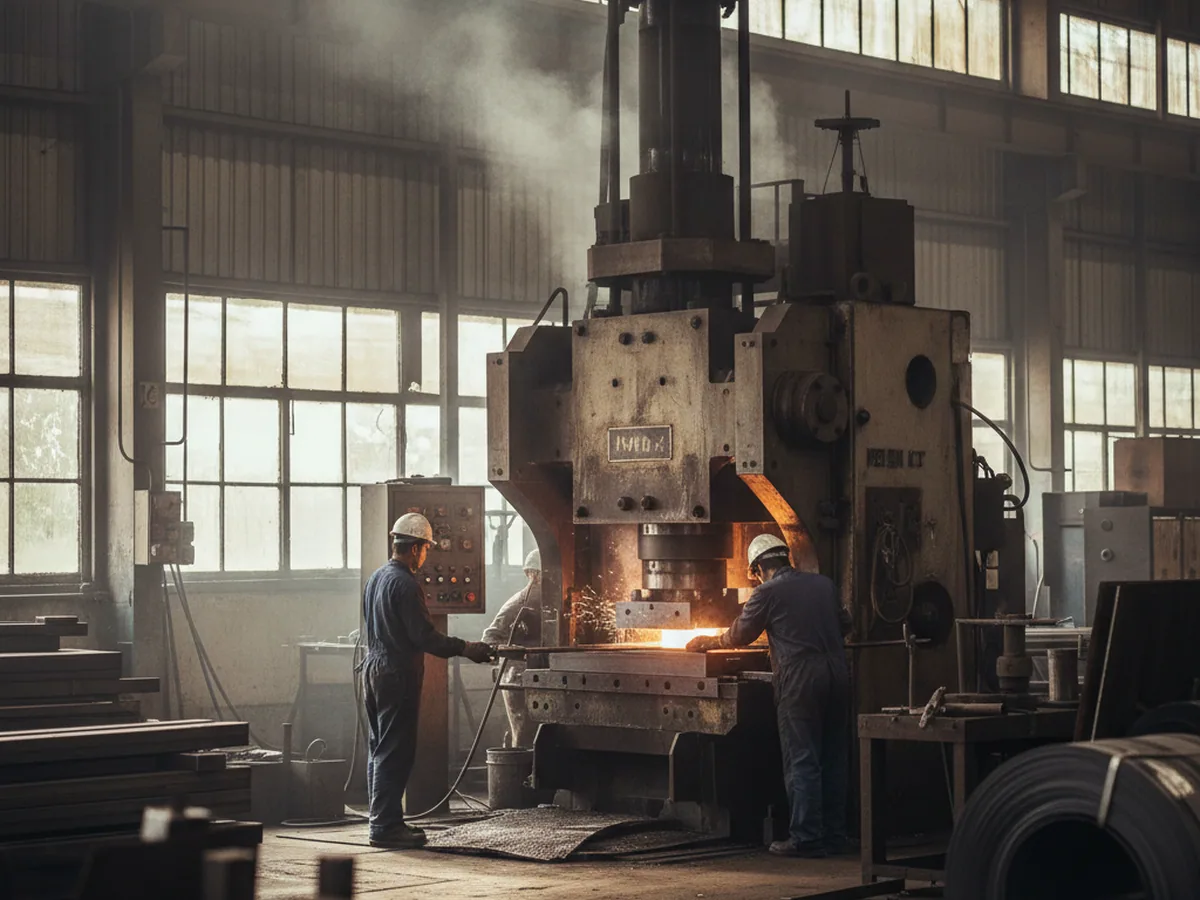
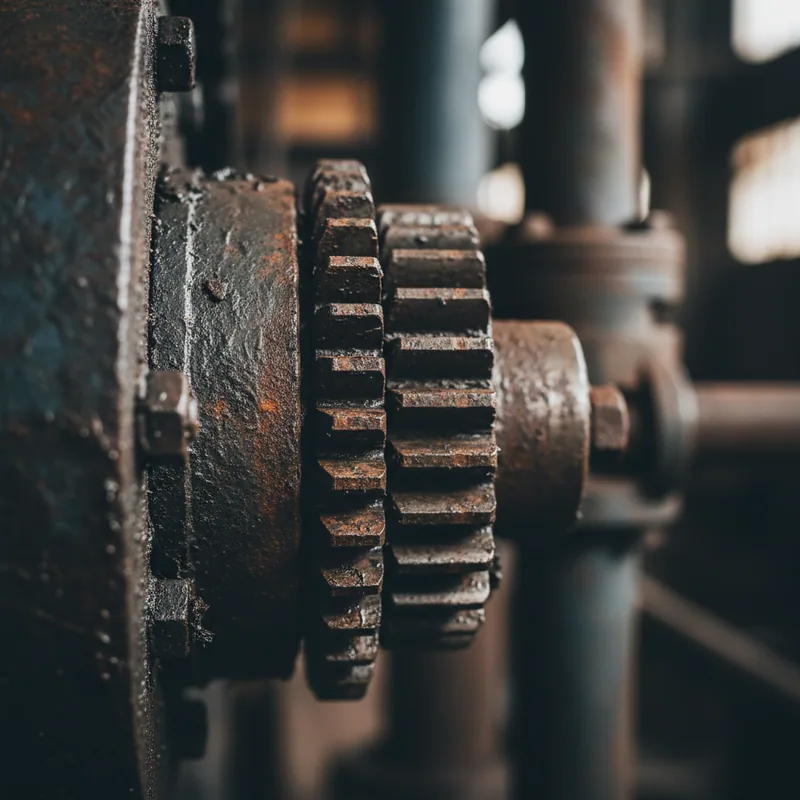
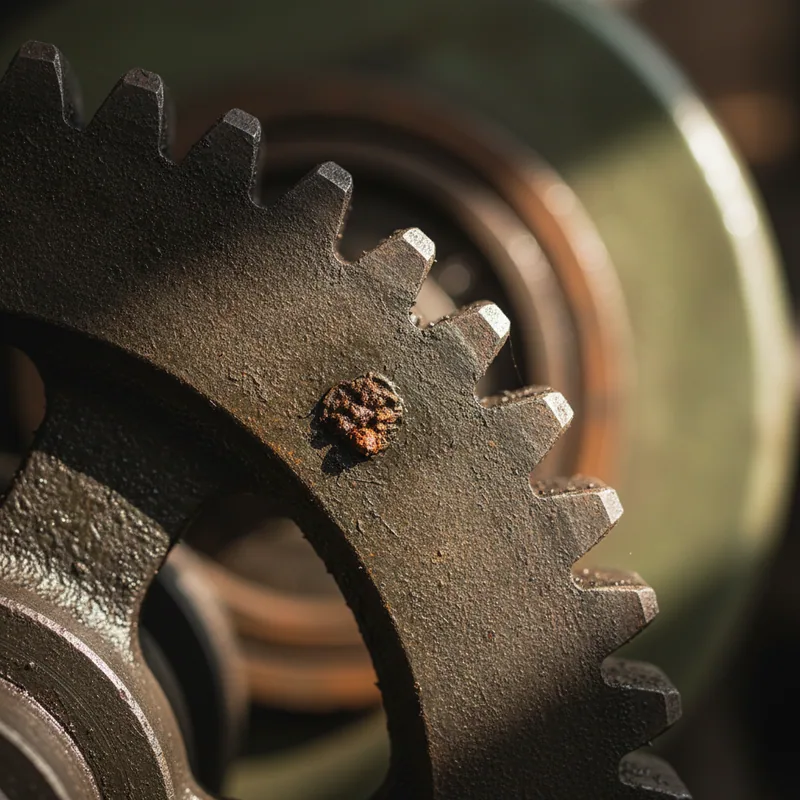
The fourteen machines held in the test centre.
Group 05 · part two of three
Bench Results and Held Batches
What the suspension bench actually does, and what happens on the day it says no.
Q 20How is a suspension assembly tested before it ships?
On the shock absorber fatigue bench, as a complete assembly rather than as a bare damper: frame, spring pack and damper together, in the state they ship, through 100,000 cycles at the model's full rated travel. Three criteria decide it, covering remaining travel, damping decay and crack initiation at the three loaded joints, and a failed set holds the batch. The programme and the figures are set out at test bench.
Remaining travel
Against the rated stroke.
Damping decay
Force at the reference speed.
Crack initiation
At the three loaded joints.
The answer that separates a claim from a system
Q 21What happens when a batch fails one of your own tests?
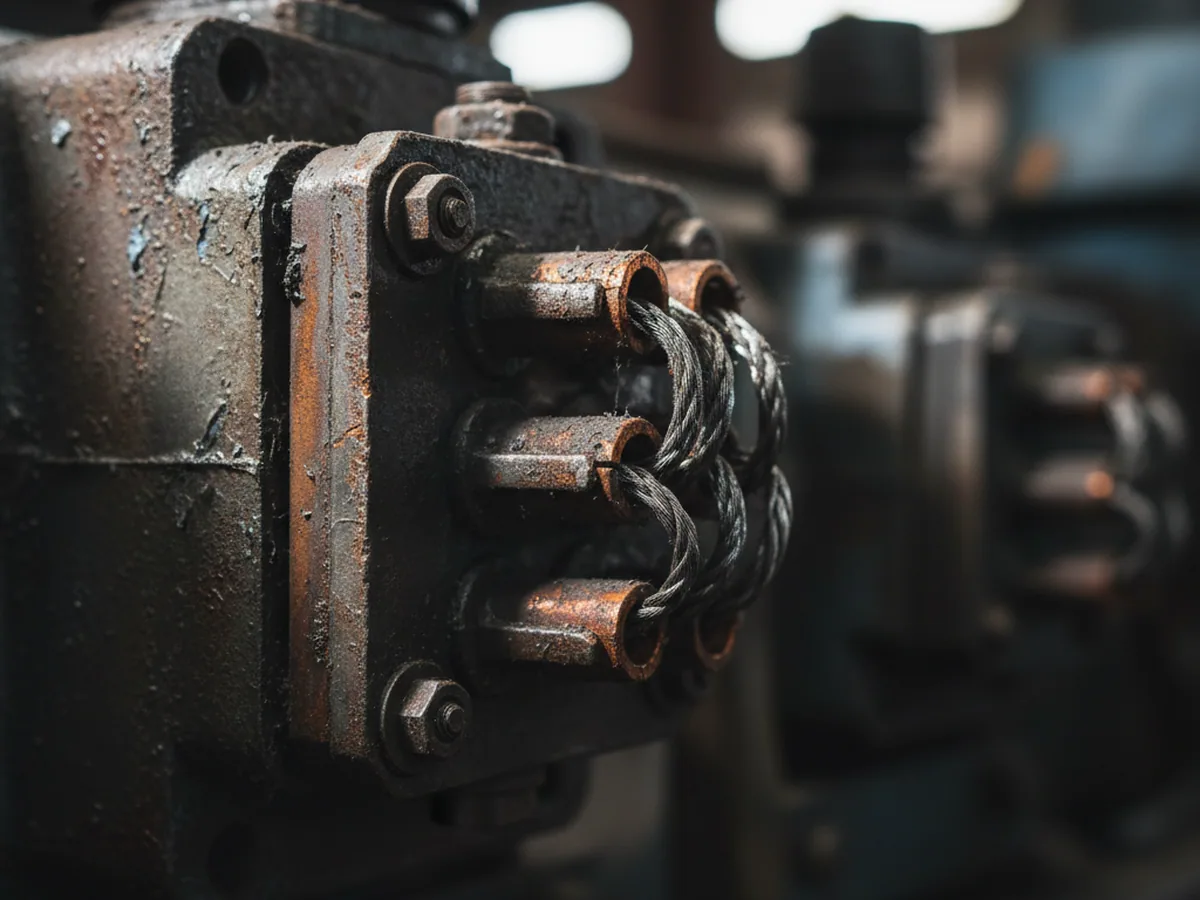
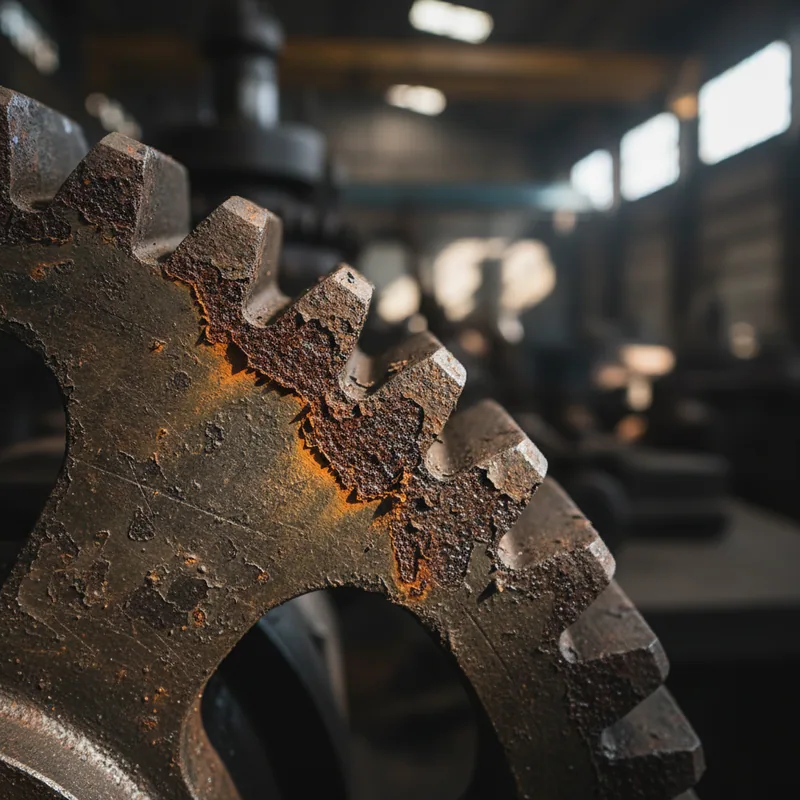
The batch is held in full. It is not released under concession and it is not shipped under monitoring. It stays physically separated with its hold reference on it while the cause is traced back to the specific welding station or damper lot that produced it, using the workshop record of line, shift and lot and, where the failure is structural, a section cut from the suspect joint. The hold is lifted only when a corrected build passes the same criterion that failed, read by quality control.
Group 05 · part three of three
Plant Access Before an Order
Better done before the first order than after a problem
Q 22Can I audit the plant before placing an order?
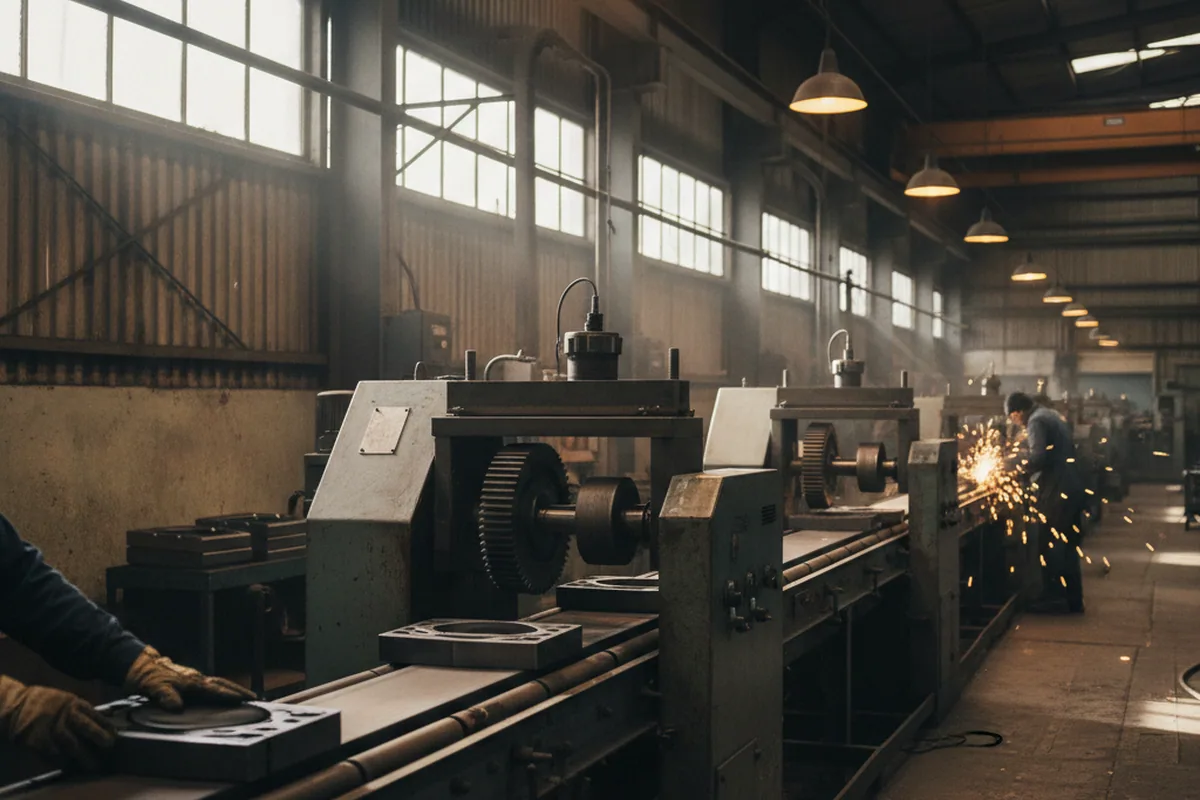
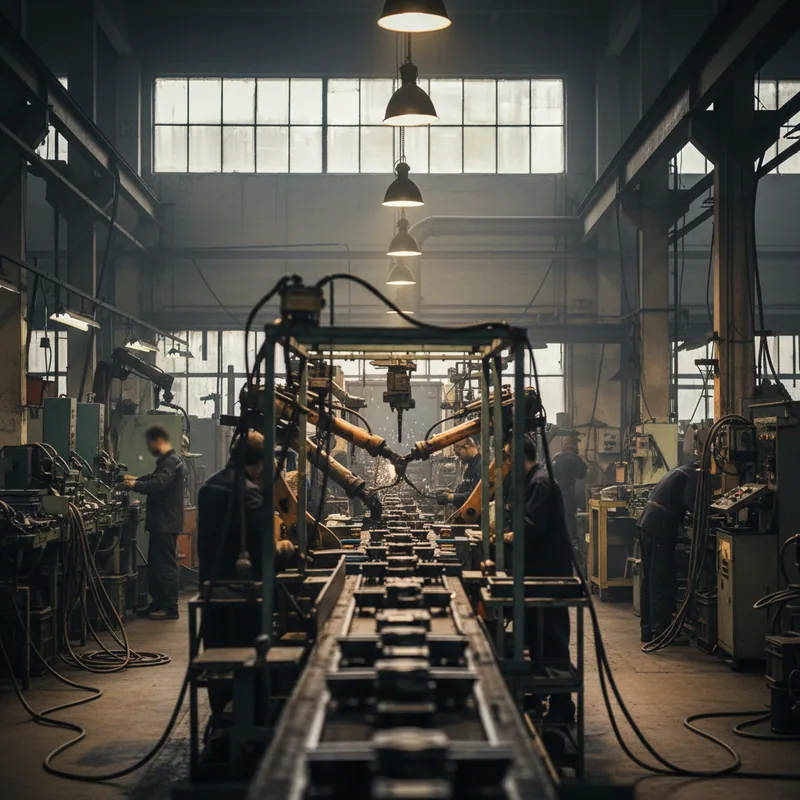
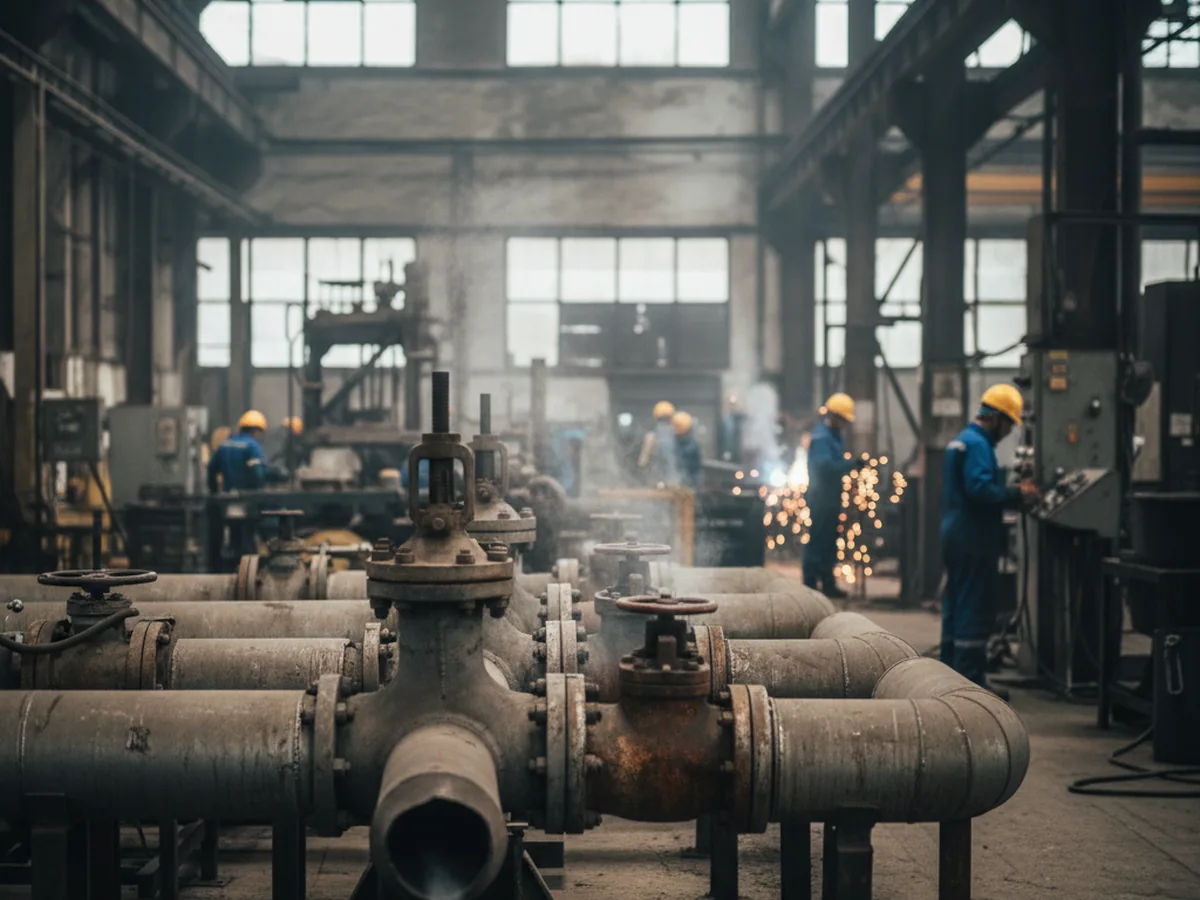
Yes, by appointment, and it is better done before the first order than after a problem. What is open on a visit: the four in-house processes from the press shop through welding, foaming and assembly, the six assembly lines, the stereoscopic warehouse, the test centre bench by bench, and the metallographic room where sections are cut, mounted and polished. Ahead of a visit the fourteen bench photographs go into your file so your auditor arrives knowing what to look at.
- Press shop, welding, foaming, assembly
- The six lines and the stereoscopic warehouse
- The test centre, bench by bench
- The metallographic room
Group 06 · four questions
Spare Parts, Warranty and After-Sales
Four questions that arrive after the seats are in service and something needs replacing.
- Seat covers
- Armrests
- Seat belts
- Rail slides
- Suspension assemblies
- Pressure sensors and micro switches
- Swivel rotary consoles
- Mower covers
- Spindle mandrel assemblies
Q 23Can I buy spare parts on their own, without the complete seat?
Yes. Nine families are supplied separately: seat covers, armrests, seat belts, rail slides, suspension assemblies, pressure sensors and micro switches, swivel rotary consoles, mower covers and spindle mandrel assemblies. They are the production items fitted to our own seats, built on the same lines, not look-alikes matched from a catalogue photograph. Stock part numbers start at 20 pieces, a single piece is orderable as a sample, and stock parts ship in 7 days. The nine families are listed at seat spare parts.
Q 24How do I identify which part fits a seat I already have?
By the seat, not by the machine under it. Two machines with the same model plate can leave their factory carrying different seats, so the part follows the seat that is actually bolted down. Photograph three things: the label on the seat, the damaged component with the old one still fitted, and the mounting face with the seat lifted. Name the machine as context. The reply names which of our seat models that part belongs to, and comes back within 48 hours of the photographs.
Three photographs, then the machine name
The seat label · the damaged component still fitted · the mounting face. The machine model is context, not the identifier.
Q 25What does the 12-month warranty cover, and how do I raise a claim?
Twelve months applies across the range, and replacement parts carry the same figure rather than a shorter one. To open a claim, send photographs of the component in place and after removal, the seat label, the approximate hours or date the seat went into service, and what the machine was doing. First reply within 24 business hours. Because the workshop record carries line, shift and lot, a claim is traced to a build rather than absorbed as a general allowance, and the correction lands on the station responsible.
Q 26Should I replace the worn part or the whole seat?
Covers, armrests, belts, switches and rail slides are part-level jobs and usually the cheaper route by a wide margin. A suspension assembly that has lost travel is also a part-level job, since it is supplied as a unit. The seat itself is the replacement when the steel frame is cracked or corroded through, when the mounting interface has deformed, or when several of the above have gone at once. The comparison is worked through at seat spare parts.
| What has gone | What to order |
|---|---|
| Cover, armrest, belt, switch, rail slide | The part — from 20 pieces, one as a sample |
| Suspension that has lost travel | The part — supplied as a unit |
| Frame cracked or corroded through | The seat |
| Mounting interface deformed | The seat |
| Several of the above at once | The seat |
Group 07 · three questions
Starting an Enquiry
Three questions closing this seat FAQ, on what to send and what comes back.
What goes out
- Machine family and model
- The four measurements, or photographs
- Operator weight range
- Quantity per model
- Stock, or a machine out of service
- Target date
- Your marking, or ours
What comes back
- Within 24 business hours, what has been received and what is still missing
- Within 48 hours of a complete set, the models that fit and the models that do not
- On request, the ISO 9001:2015 and CE certificates and the fourteen bench photographs
Q 27What should I put in my first message?
Seven items make an enquiry answerable in one round: the machine family and model, the four fitment measurements or the photographs that stand in for them, the operator weight range, the quantity per model, whether it is for stock or for a machine currently out of service, your target date, and whether the seat carries your marking. Send it to sales@klseats.com. Anything missing simply moves the answer into a second round rather than stopping it.
Q 28How quickly will someone reply?
Within 24 business hours, from sales@klseats.com. That first reply confirms what we have received and names anything still needed to give you a fitment answer. Where your enquiry already carries a complete measurement set, the technical answer follows within 48 hours of those measurements arriving. Qualification documents, the ISO 9001:2015 and CE certificates and the fourteen test bench photographs are sent on request at the same stage rather than held back for a later one.
Q 29What happens after I send my measurements?
Within 48 hours of a complete set you get three things: the models that physically fit your machine, the models that do not, and which measurement ruled each one out. From there the route is a sample at one piece in 7 days, or a quotation against the 50 or 200 pieces per model tier, or both in parallel. If nothing in the current range fits, you are told at this point, before anything has been sampled or shipped.
Where the answers go into detail
Related Seat FAQ Pages
Seat fitment compatibility
The measuring and matching route in full, machine family by machine family.
Suspension seat selection
Mechanical, semi-suspension and air, with the published travel and weight bands.
Custom OEM seat manufacturing
Where a specification change ends and tooling begins.
Seat quality testing
The test centre bench by bench, and the five inspection points.
Seat spare parts
The nine families, part number by part number.
About KL Seating
The plant, the four in-house processes and who the seats are built for.
Seven items, one round
Send the Seven Items
Machine family and model. The four fitment measurements, or the photographs that stand in for them.
Operator weight range, quantity per model, stock or a machine out of service, your target date, and whether the seat carries your marking — to sales@klseats.com or through the form.
Anything missing moves the answer into a second round rather than stopping it.
First reply
Within 24 business hours.
Fitment answer
Within 48 hours of your measurements.
Samples
One piece, seven days.
Plant audit
By appointment, test centre walked.