Tractor seats · YJ03 · KL03 · YY08

Two Conditions Decide a Tractor Seat Fit: Bolt Pattern and Supply

YJ03, KL03 and YY08 are the three models that go into tractor cabs. YJ03 carries an air suspension and takes a 24 V supply from the machine. Send the mounting measurements and the supply voltage in the same email, and the reply names the models that go on and the ones that do not.

Who we build for

Tractor Seats Built In-House

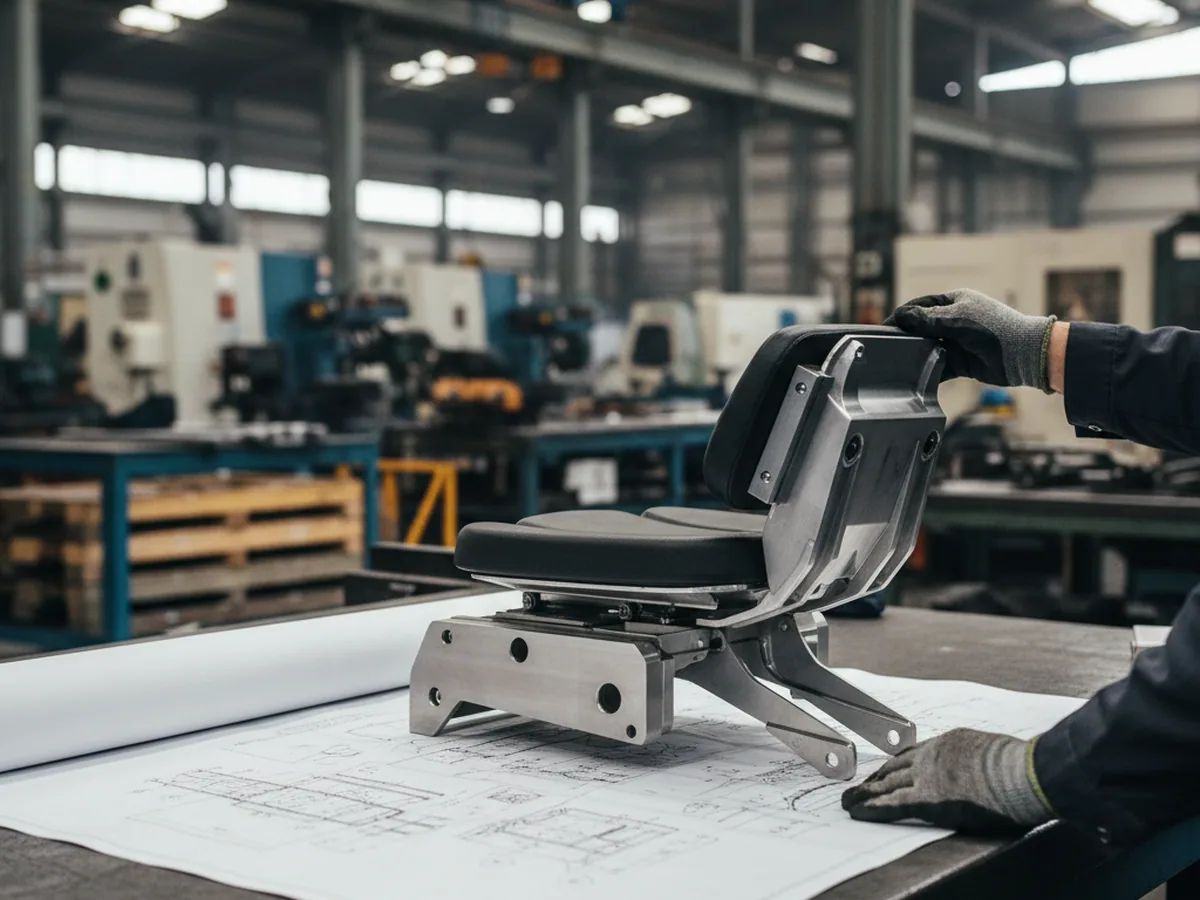
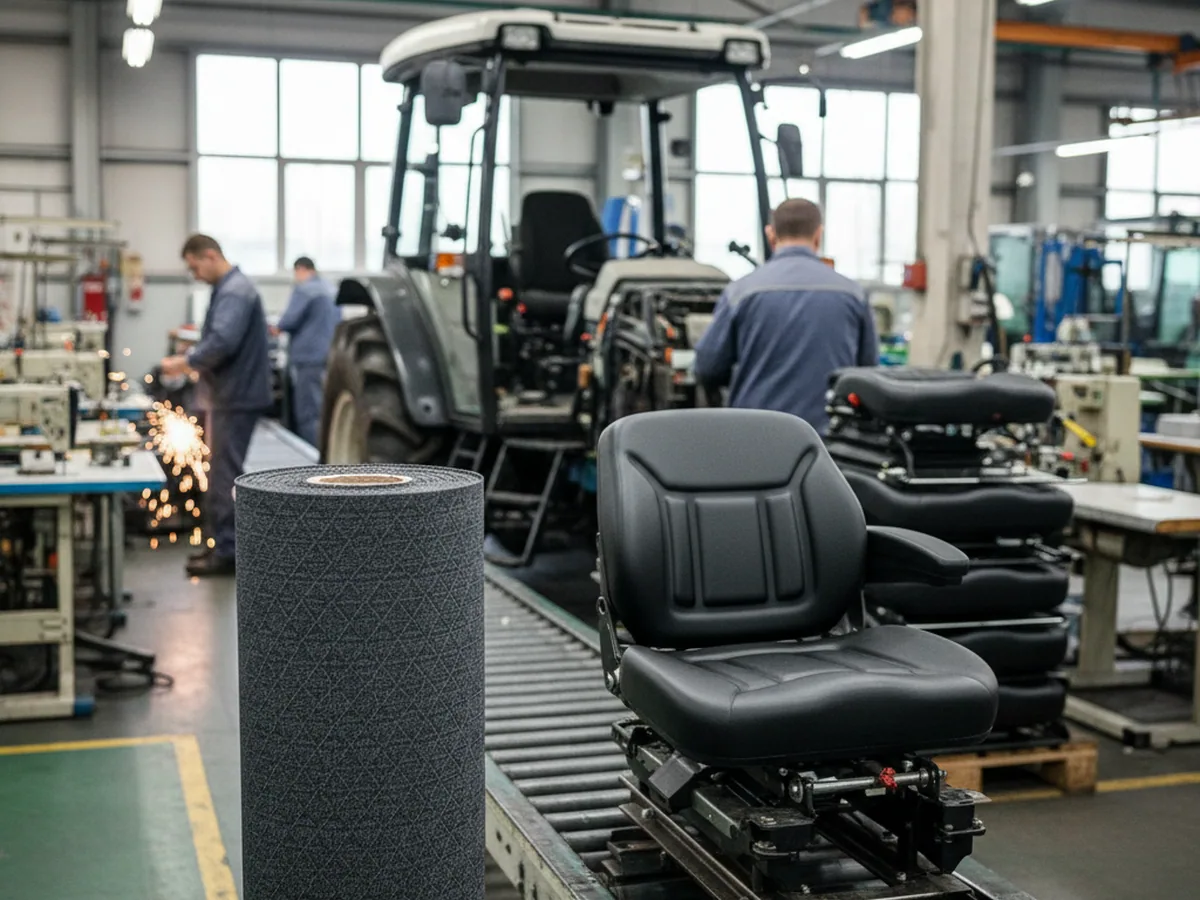
Stamping, welding, foaming and assembly all run inside our own plant on six automated lines rated at 500,000 seats a year. The tractor seat you order is an assembly we make, not one bought in and re-badged.

Agricultural parts distributors
Replacing seats on tractors already working, usually with one sample on a real machine first.
Tractor dealer service departments
One seat at a time against a machine on the ramp, before the customer collects.
Tractor builders and tier-one suppliers
Specifying a seat into a machine programme, from a drawing or an envelope.
Private-label wholesalers
Selling under their own brand, with marking on parts that go to nobody else.

Send the measurements with the supply voltage at the seating position, and within 48 hours we name what fits, what does not, and the measurement that decided it.

  • 35,000 m² plant
  • 6 automated lines
  • 500,000 seats a year
  • 30+ seat patents
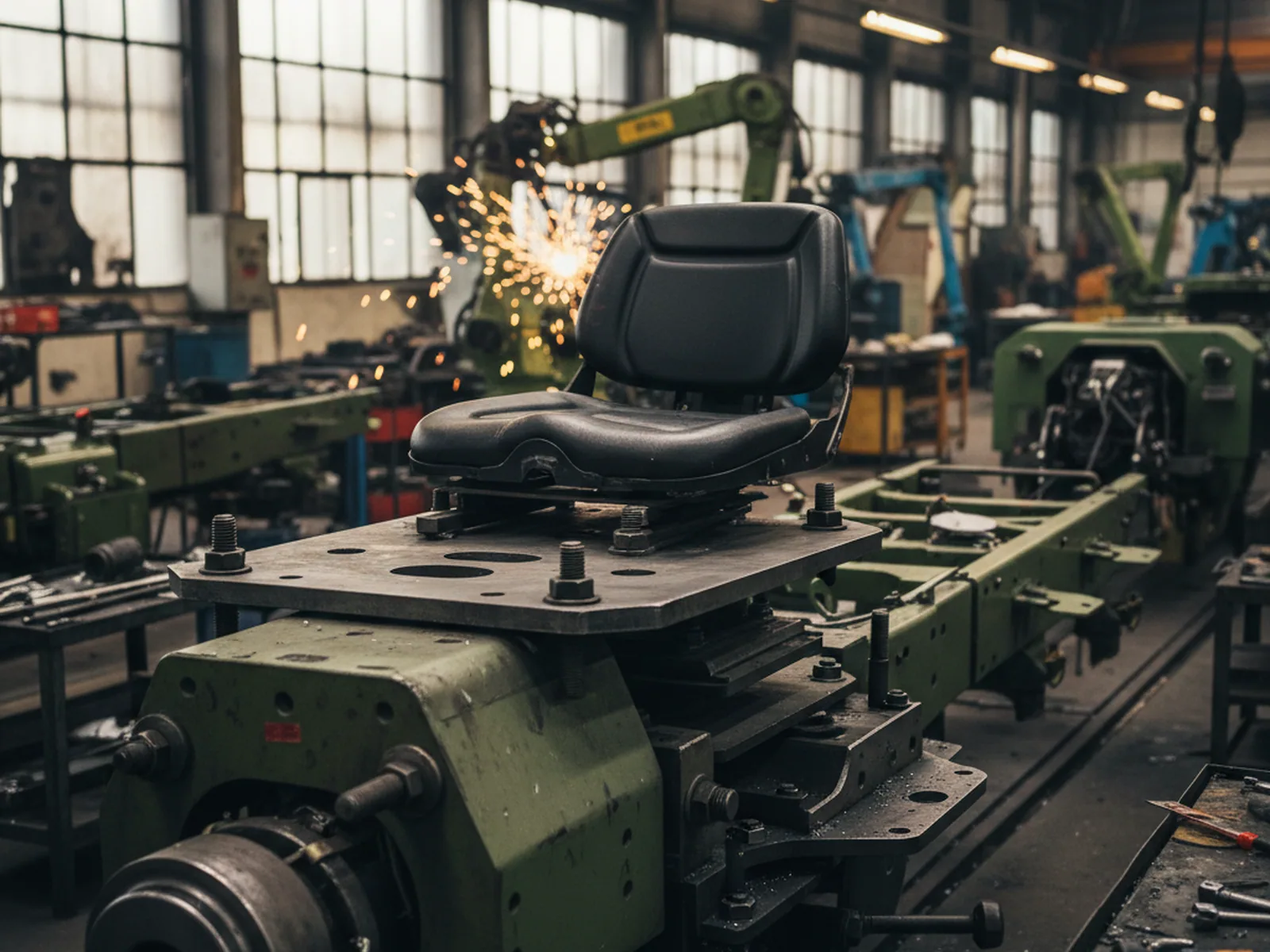
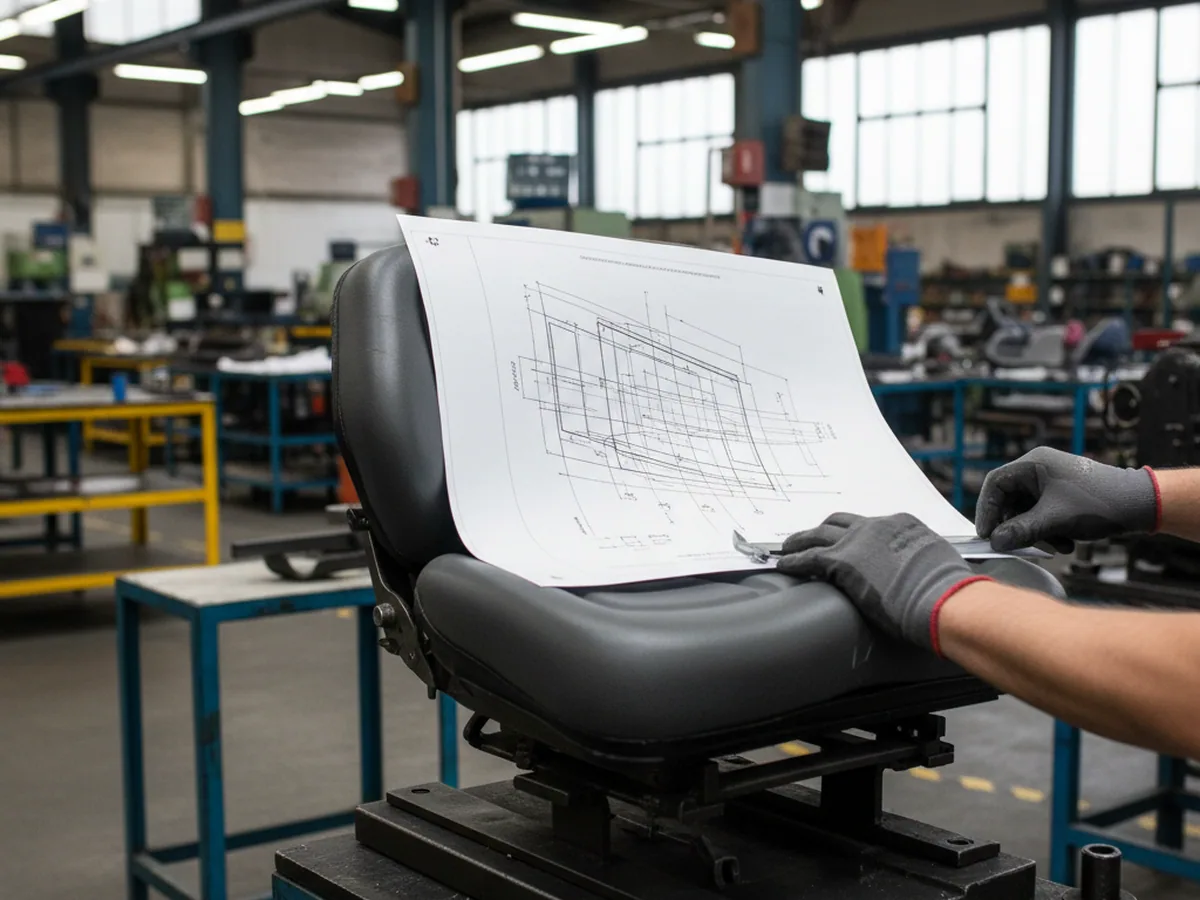
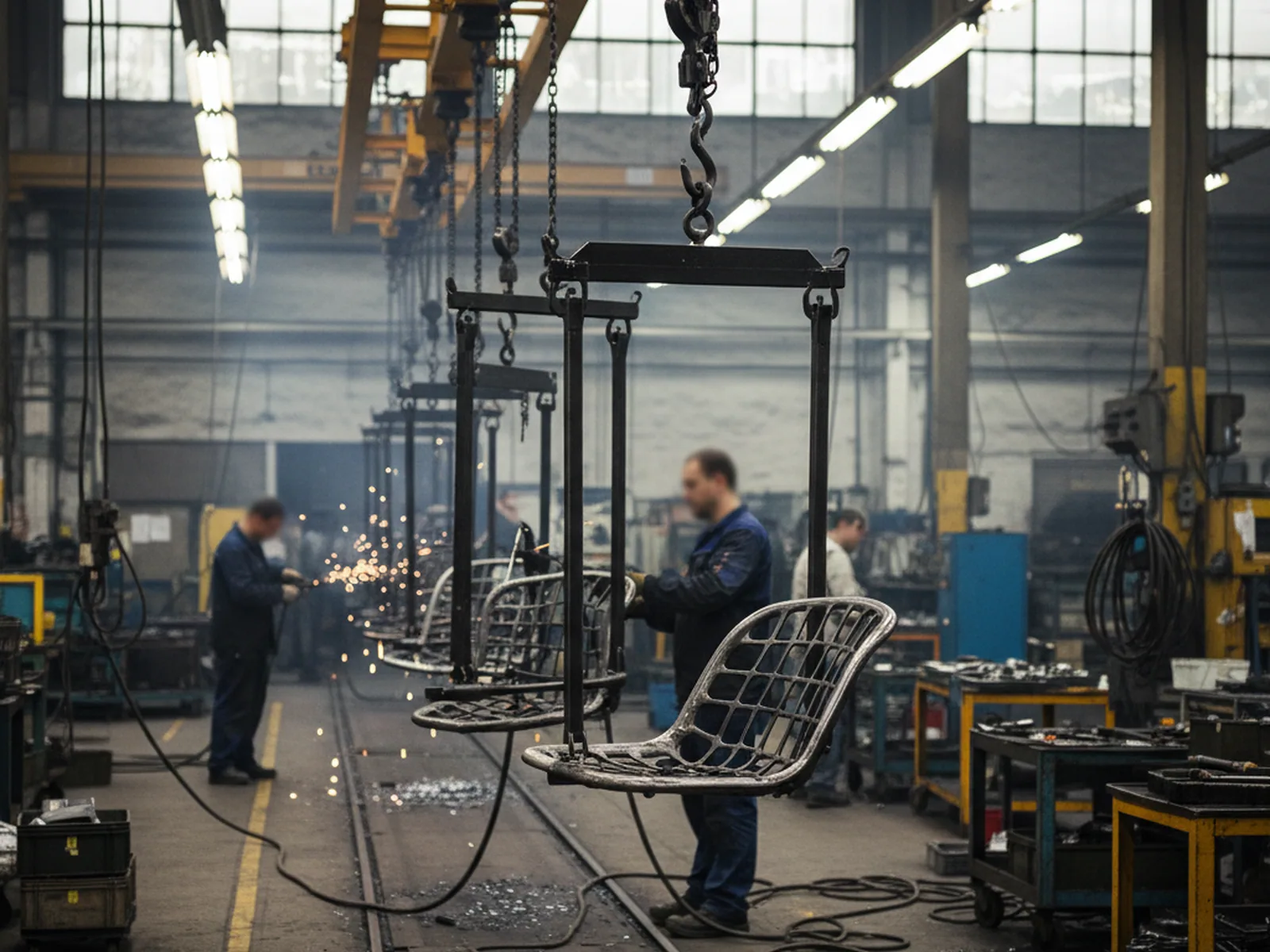
Tractor seat frames worked under the hoist on the plant floor
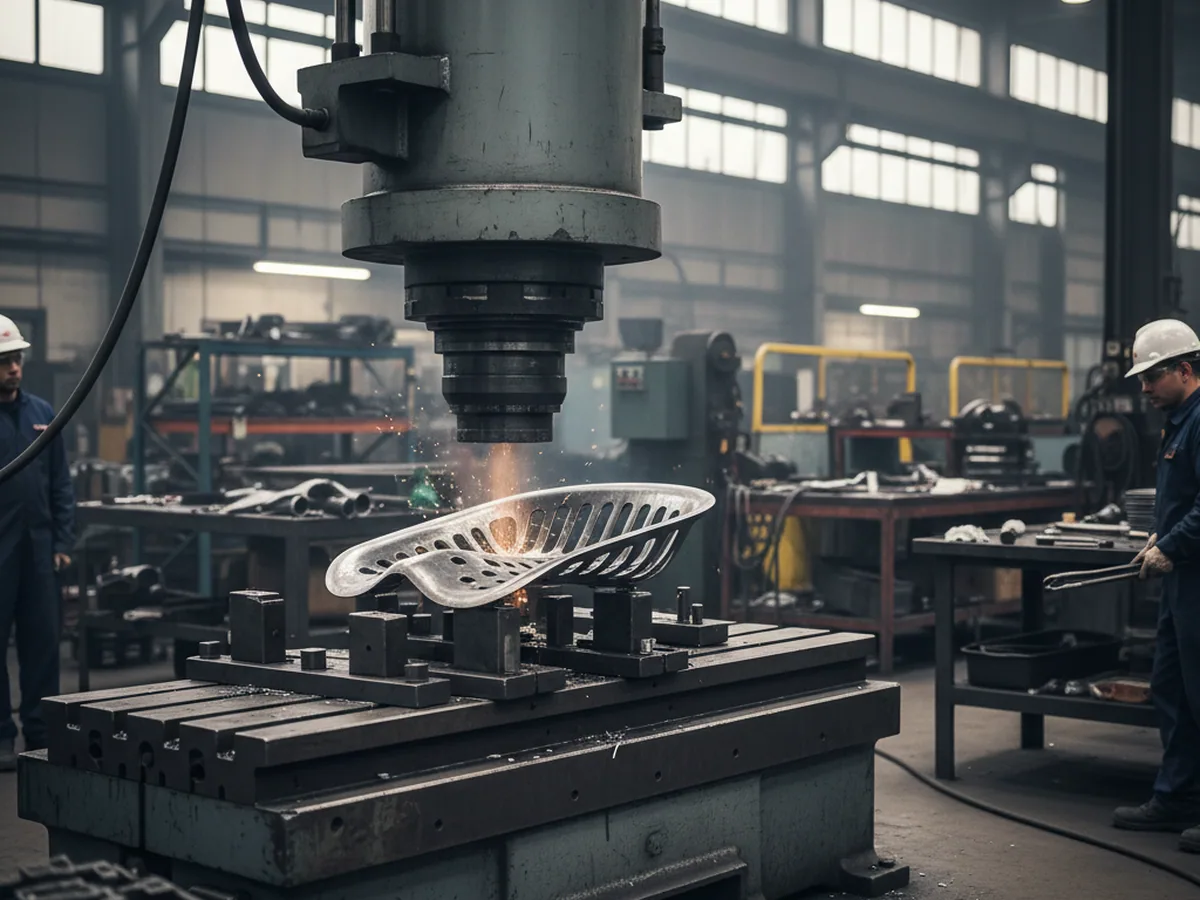
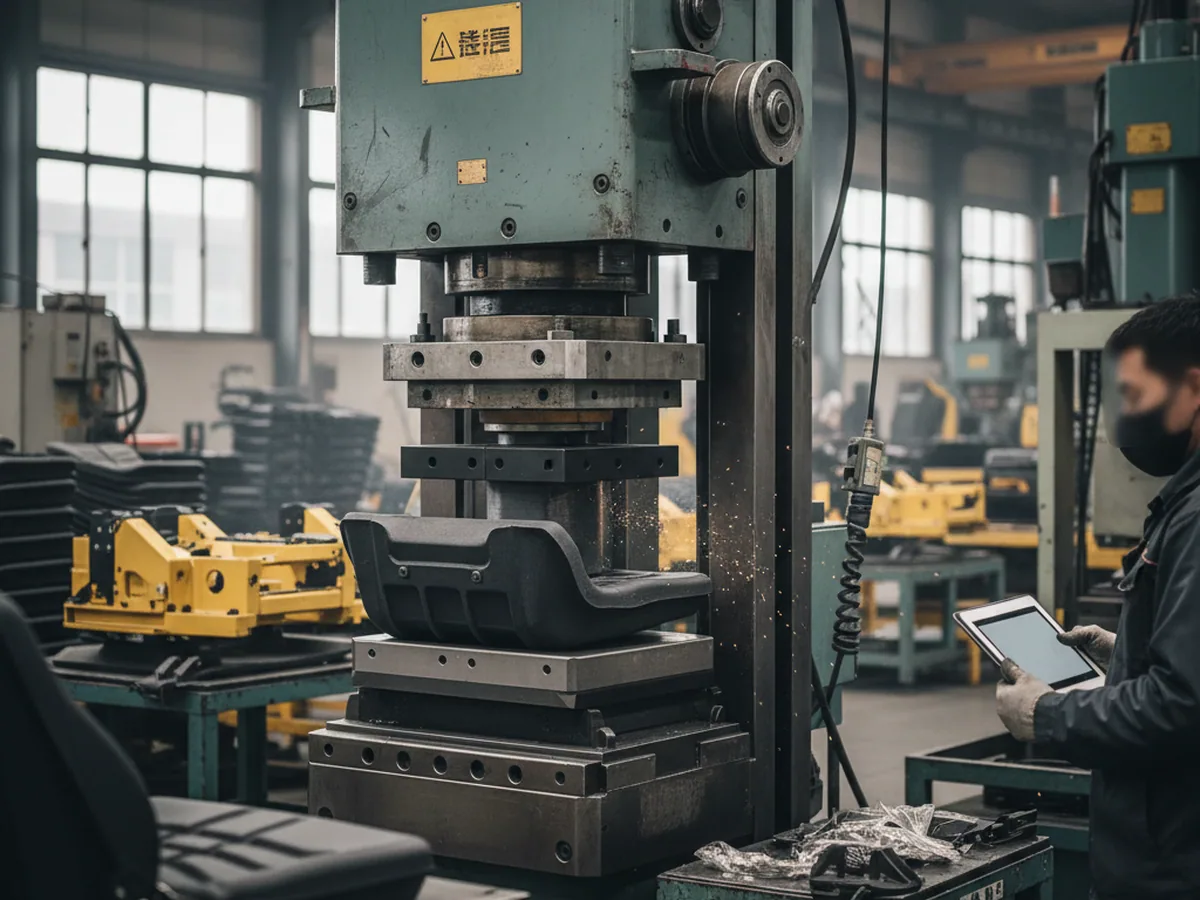
Press tool used to stamp tractor seat frame components in-house
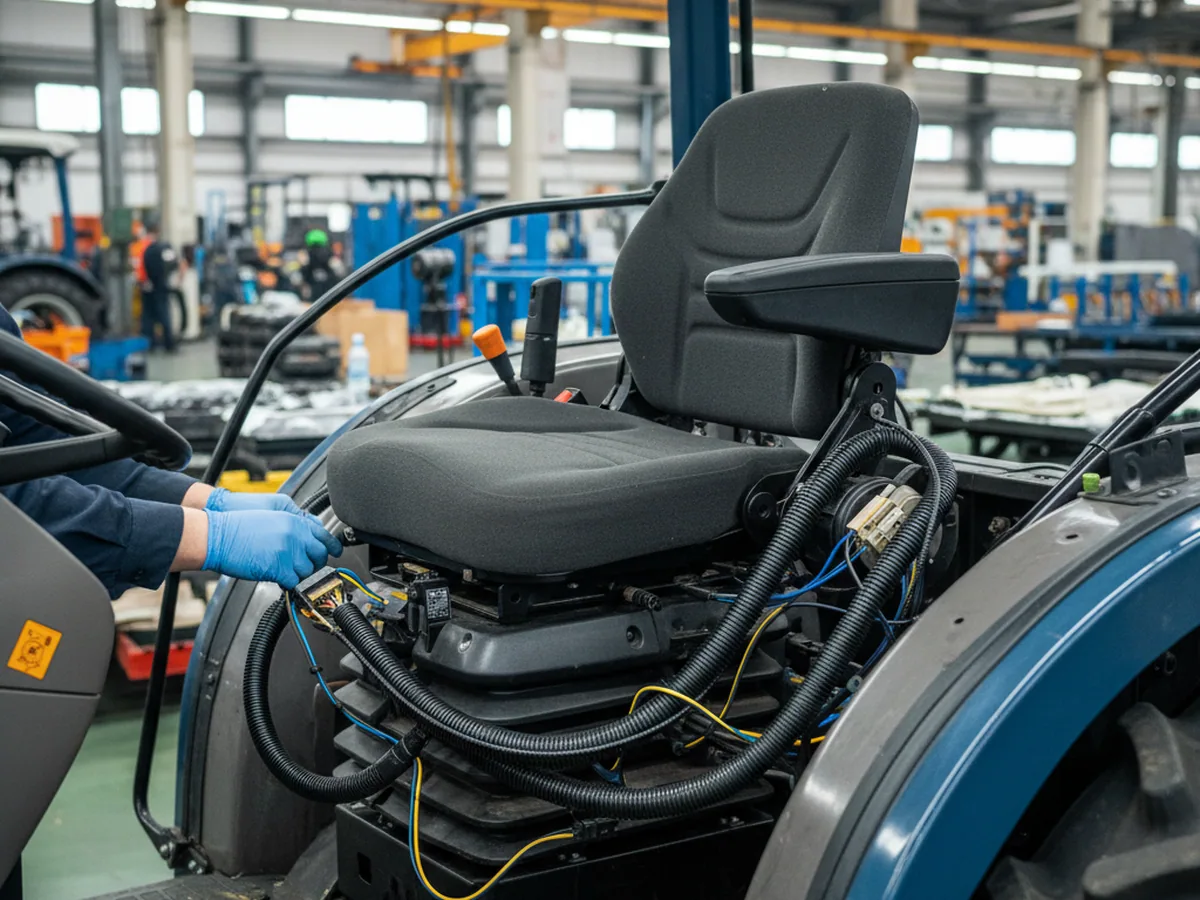
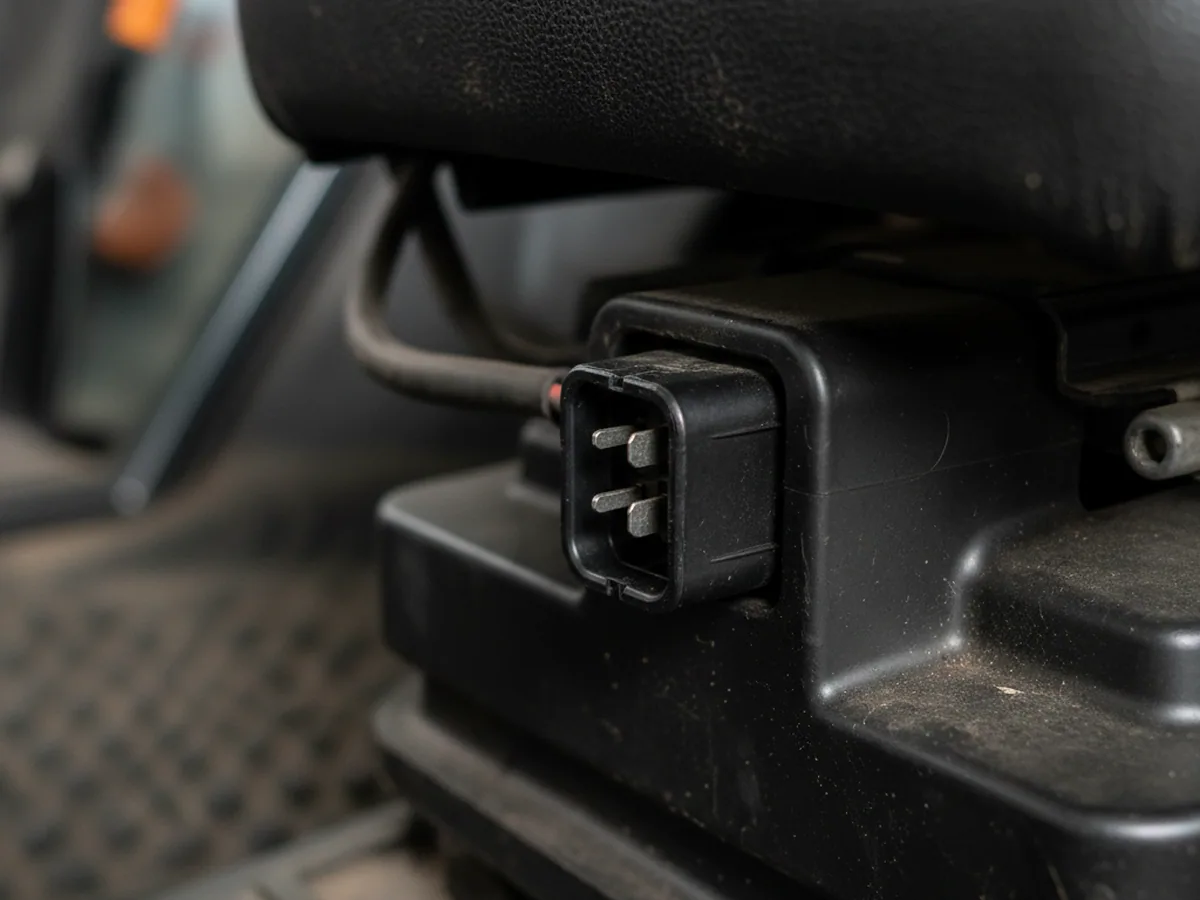
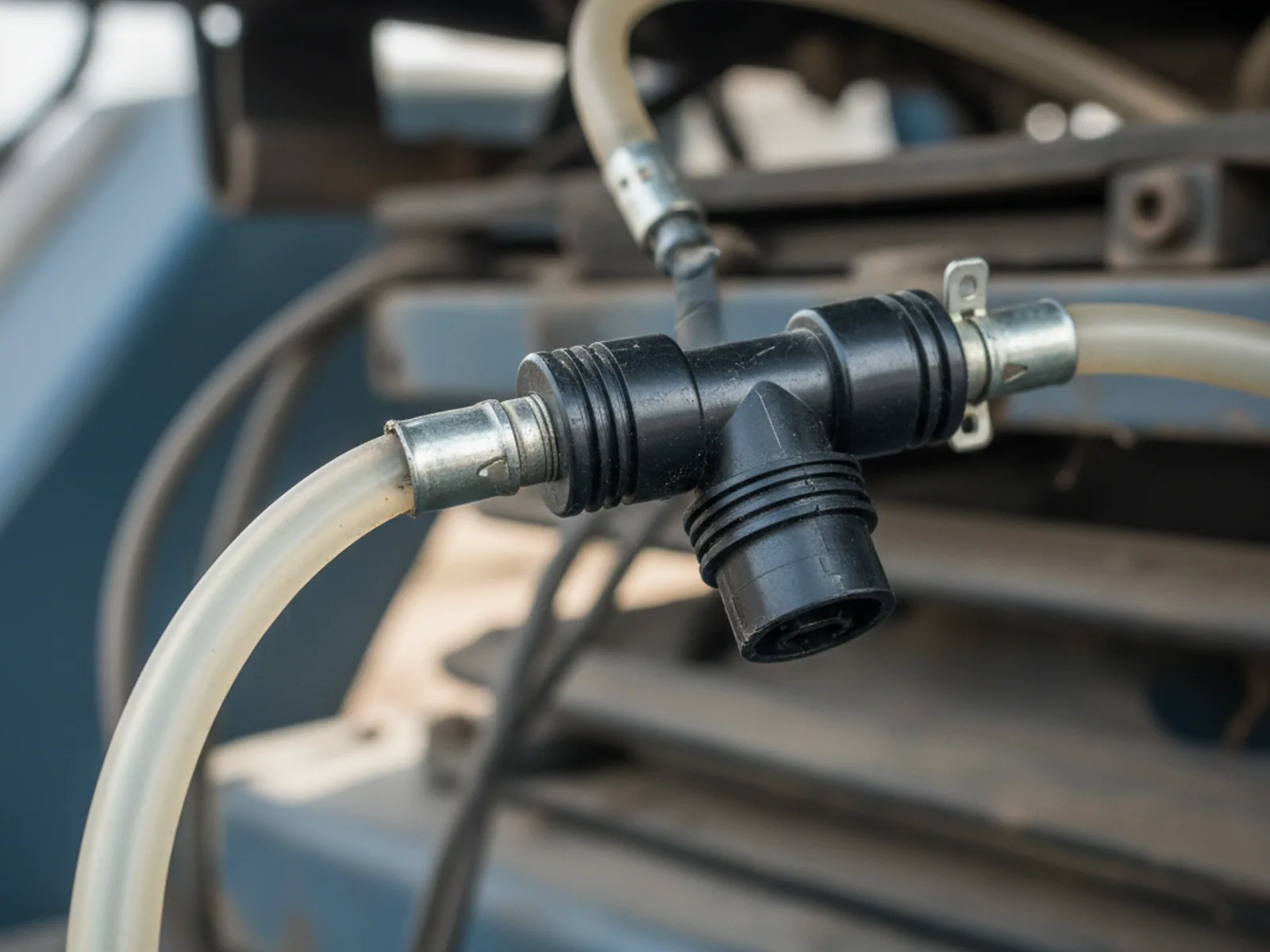
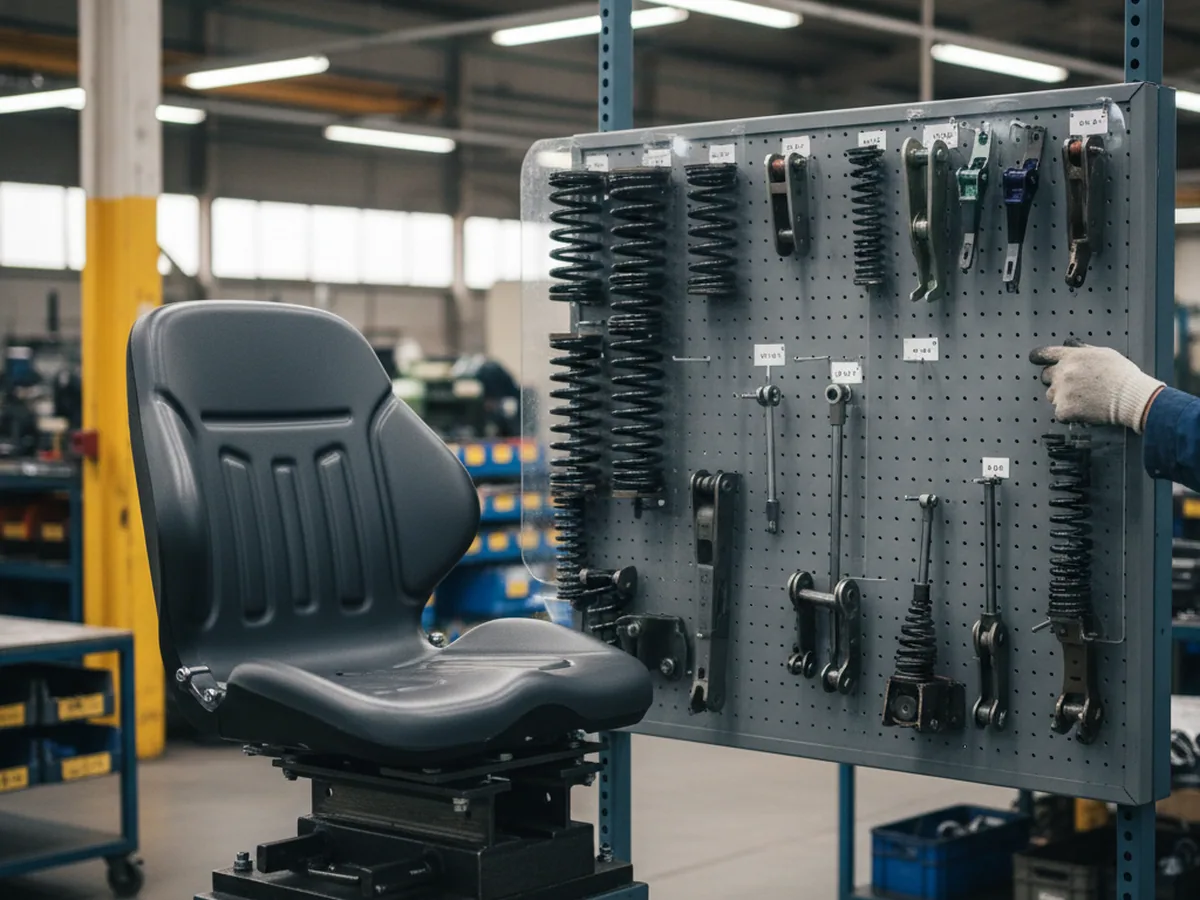
Supply connector a YJ03 air suspension tractor seat is fed from

The choice

Three Models for Tractor Cabs

One carries an air suspension and brings the supply question with it. The other two are answered against what you measured in the cab.

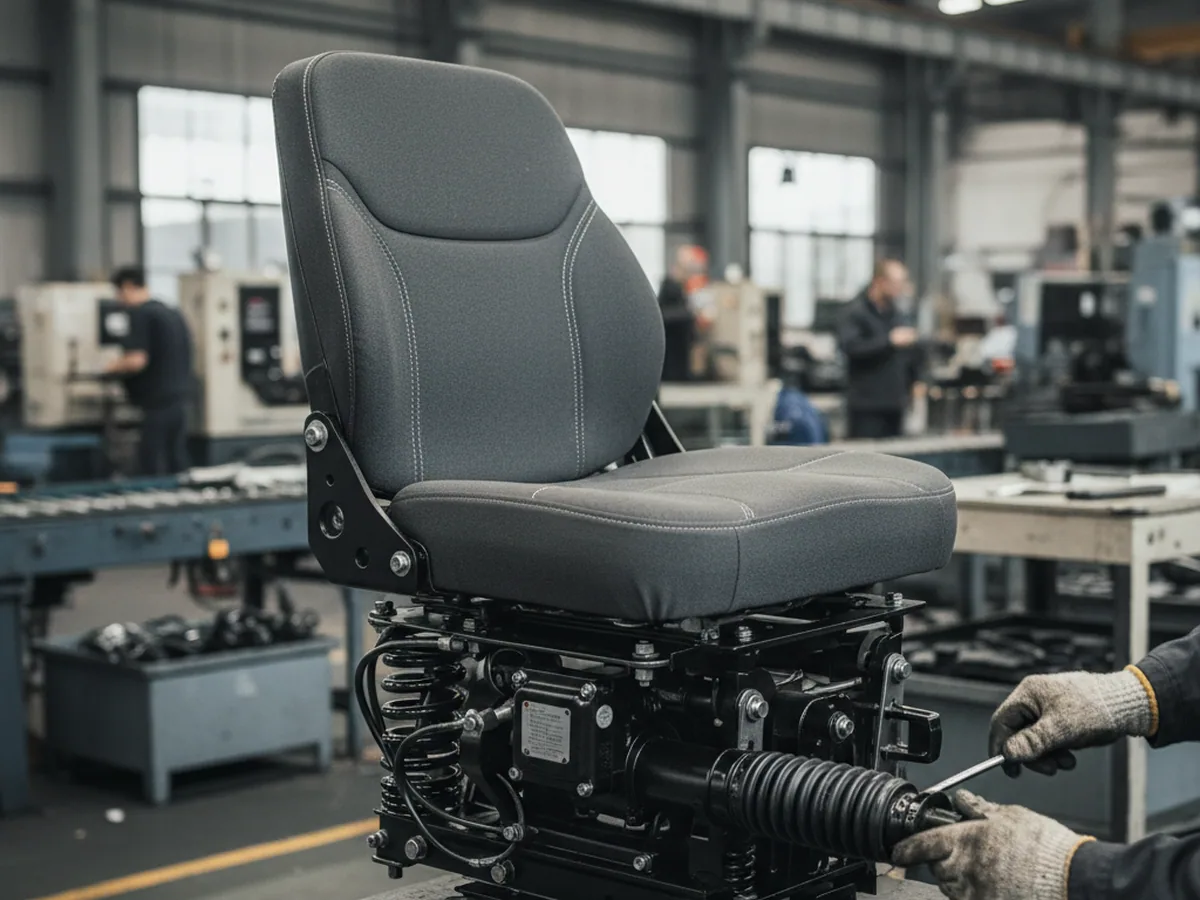
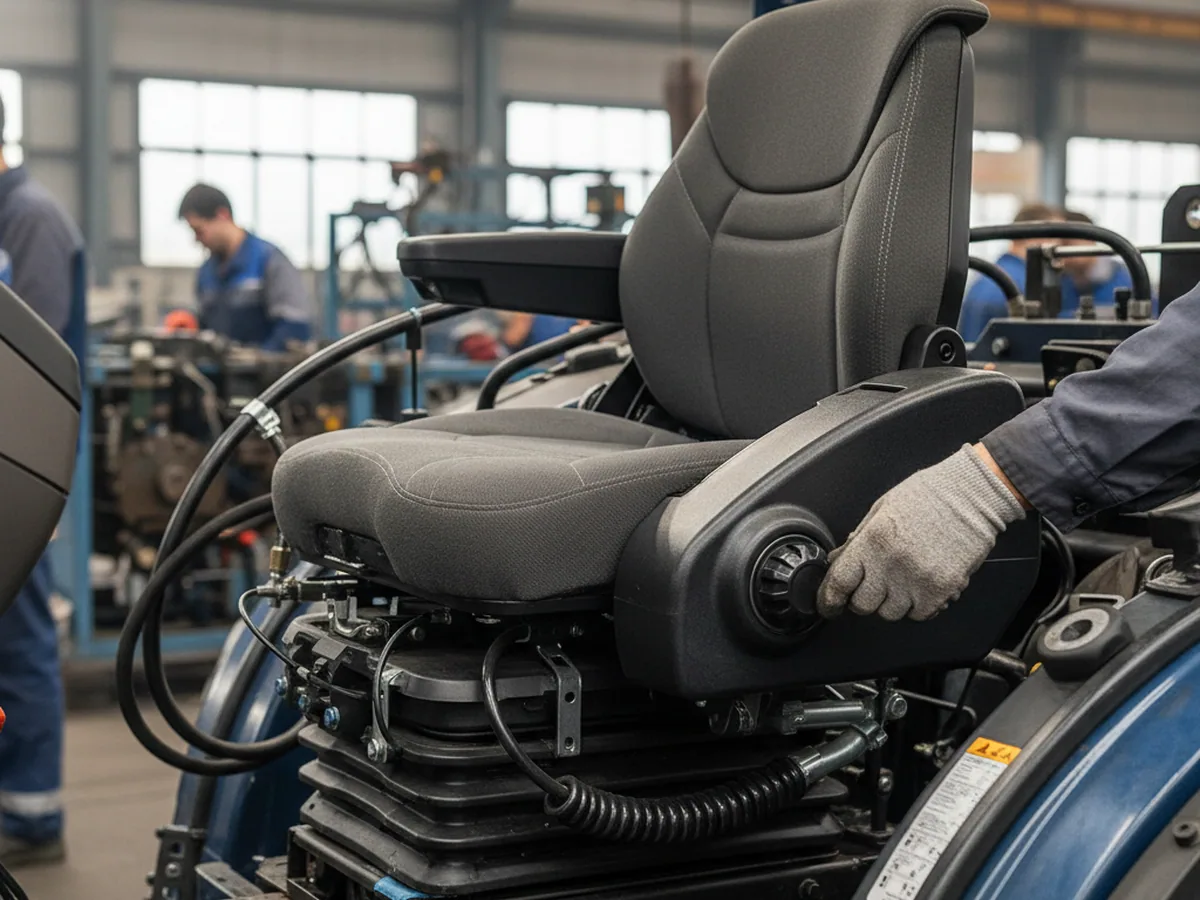
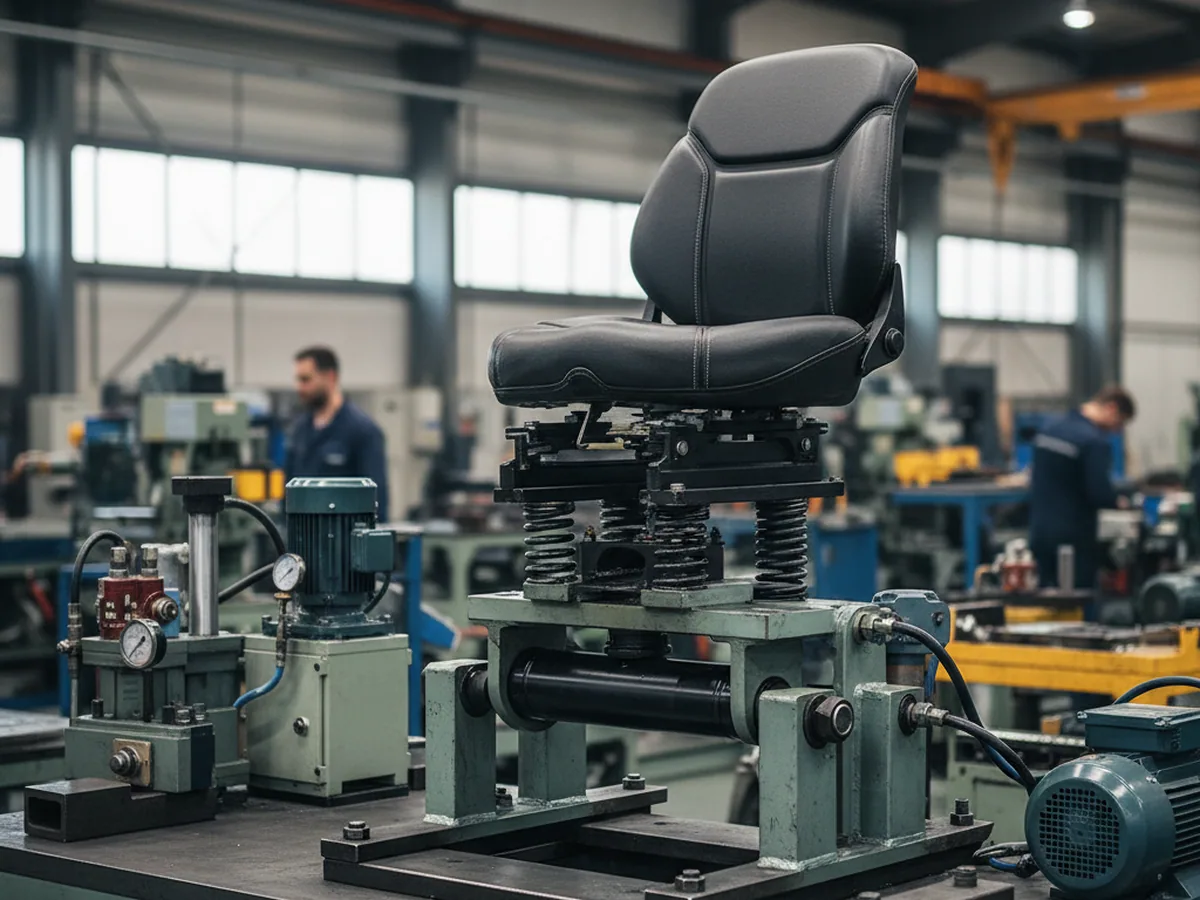
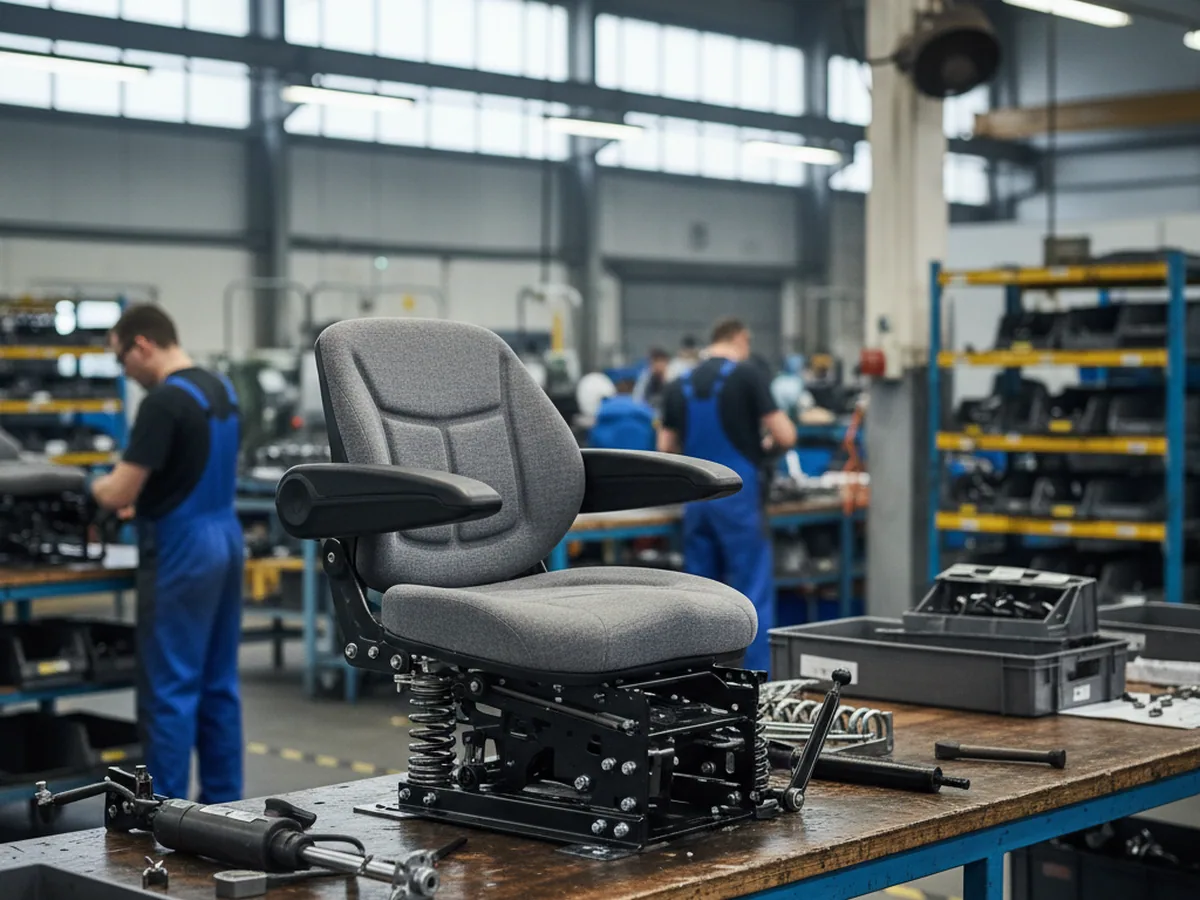
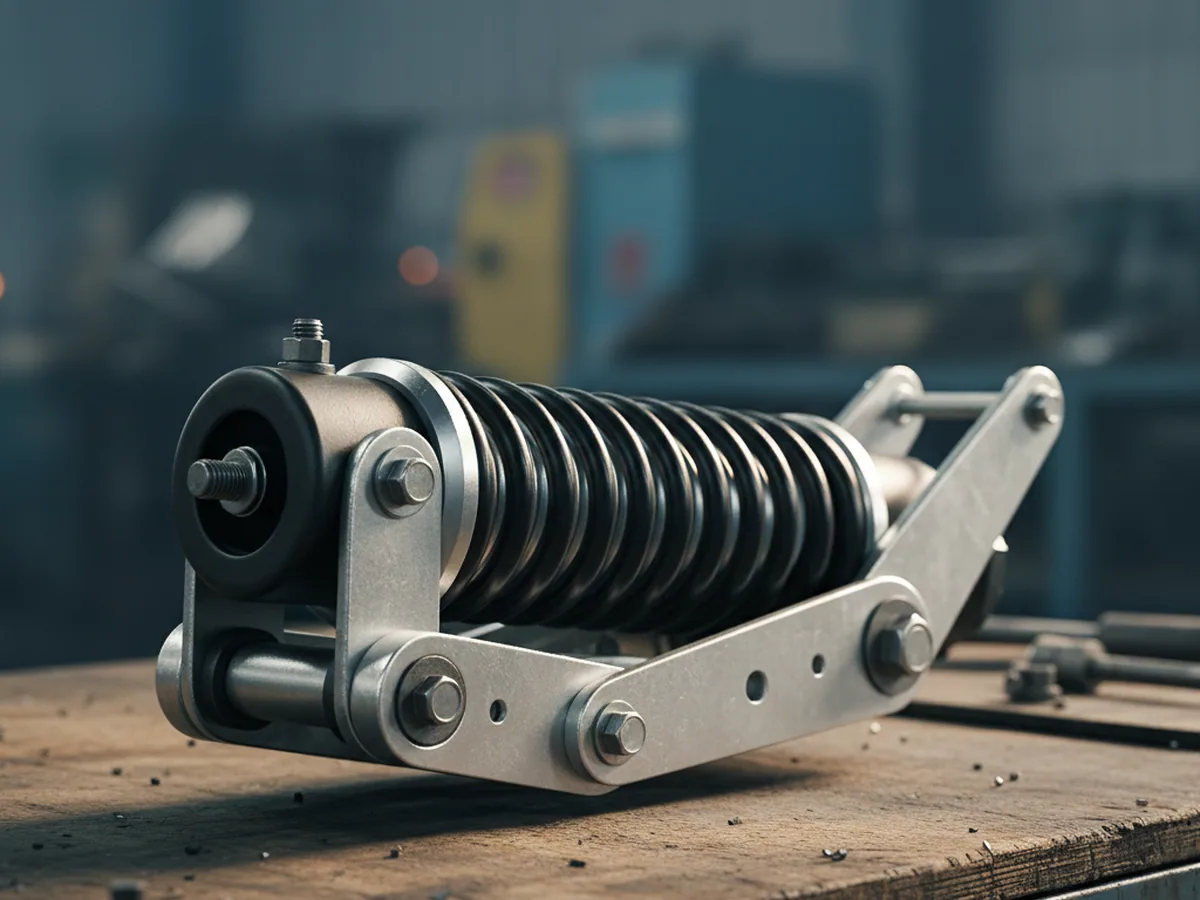
Suspension assembly of a YJ03 air suspension tractor seat on the bench
YJ03

The air seat for road hours and long draft shifts

Runs on a 24 V supply taken from the machine, with an operator weight adjustment covering 50 to 130 kg and a wraparound backrest that adjusts to the operator. Specified where the tractor works at transport speed or in long draft shifts.

Suspension
Air, 24 V supply
Operator weight
50–130 kg
Backrest
Wraparound, adjustable
Warranty
12 months
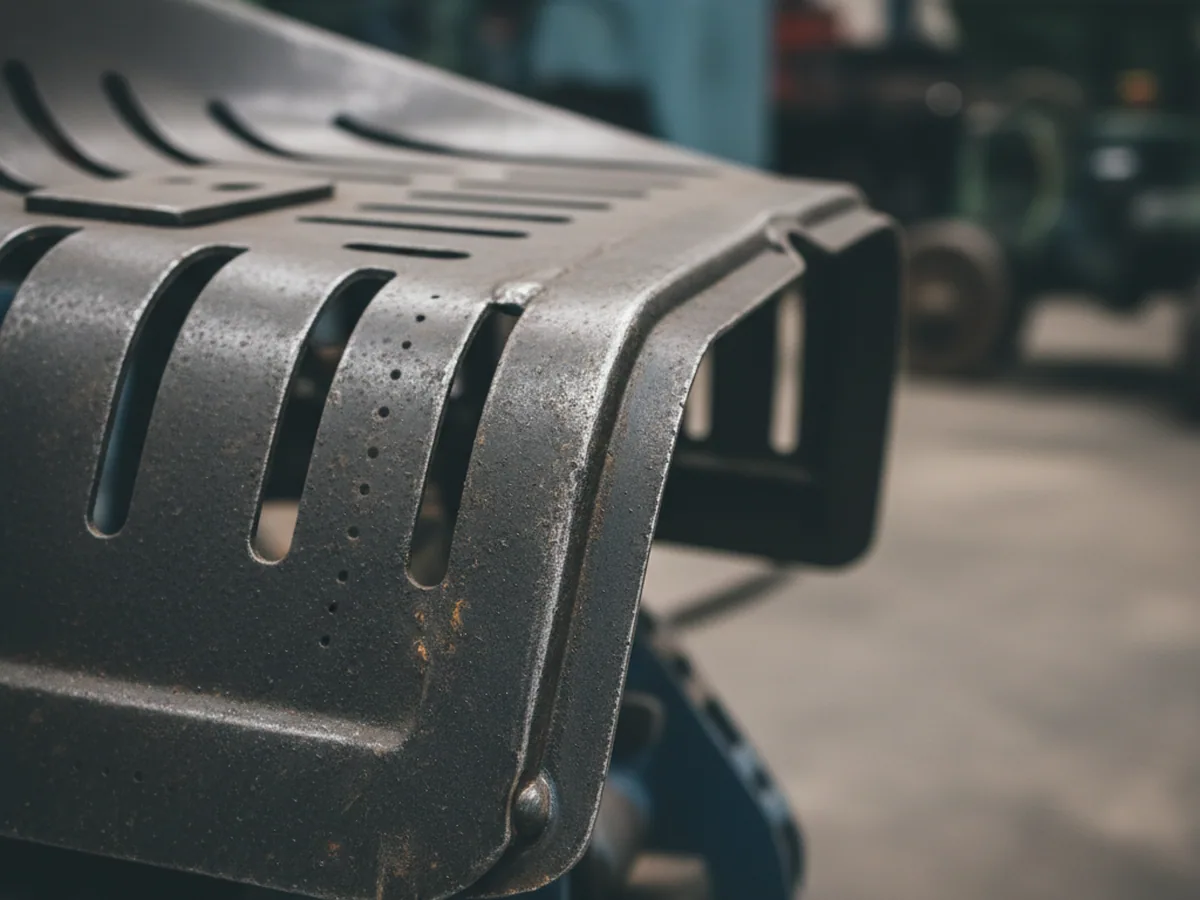
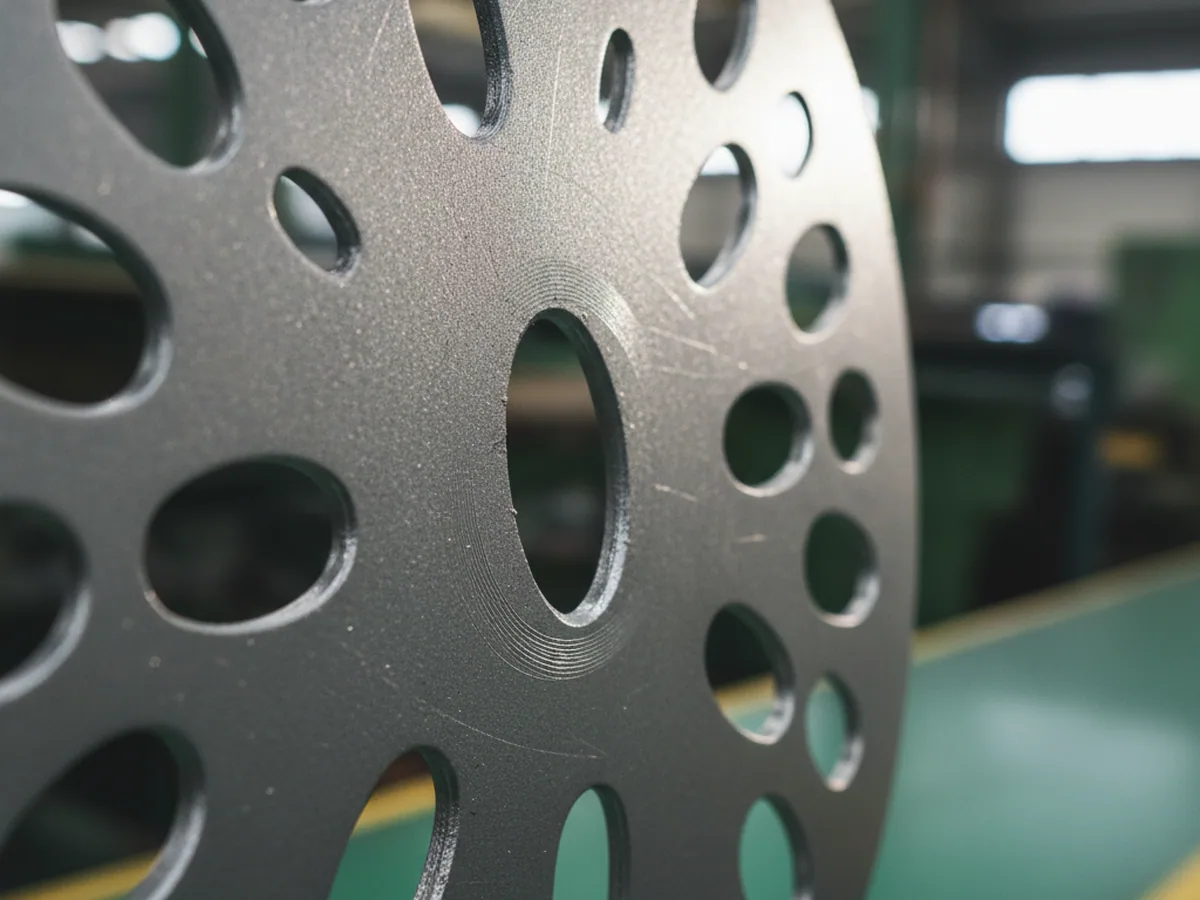
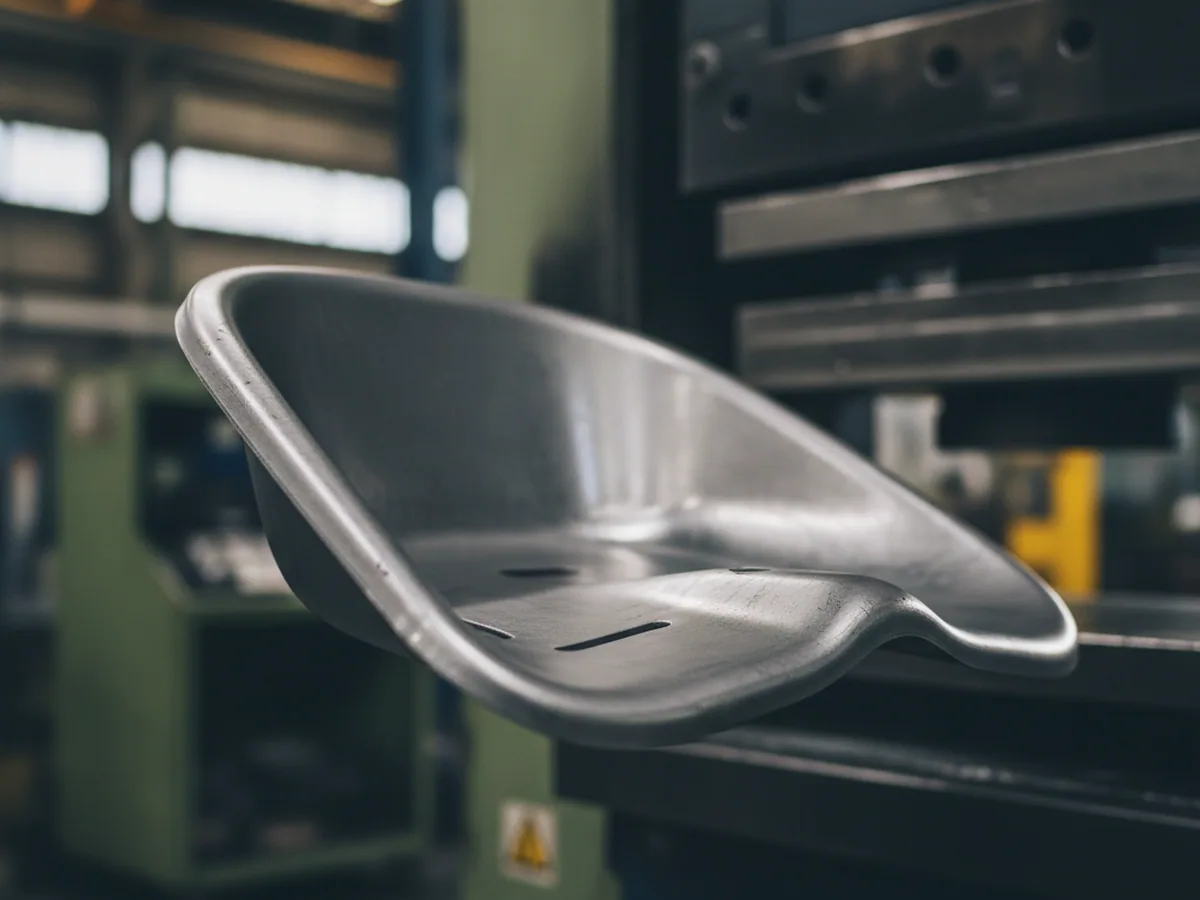
Pressed steel panel from a KL03 tractor seat frame
KL03

In the agricultural range, fitted to tractor cabs

The published data today is the designation and the range it belongs to. Suspension type, travel, adjustment ranges and cover are answered against your measurements, not read across from YJ03.

Suspension
Operator weight
Backrest
Warranty
12 months
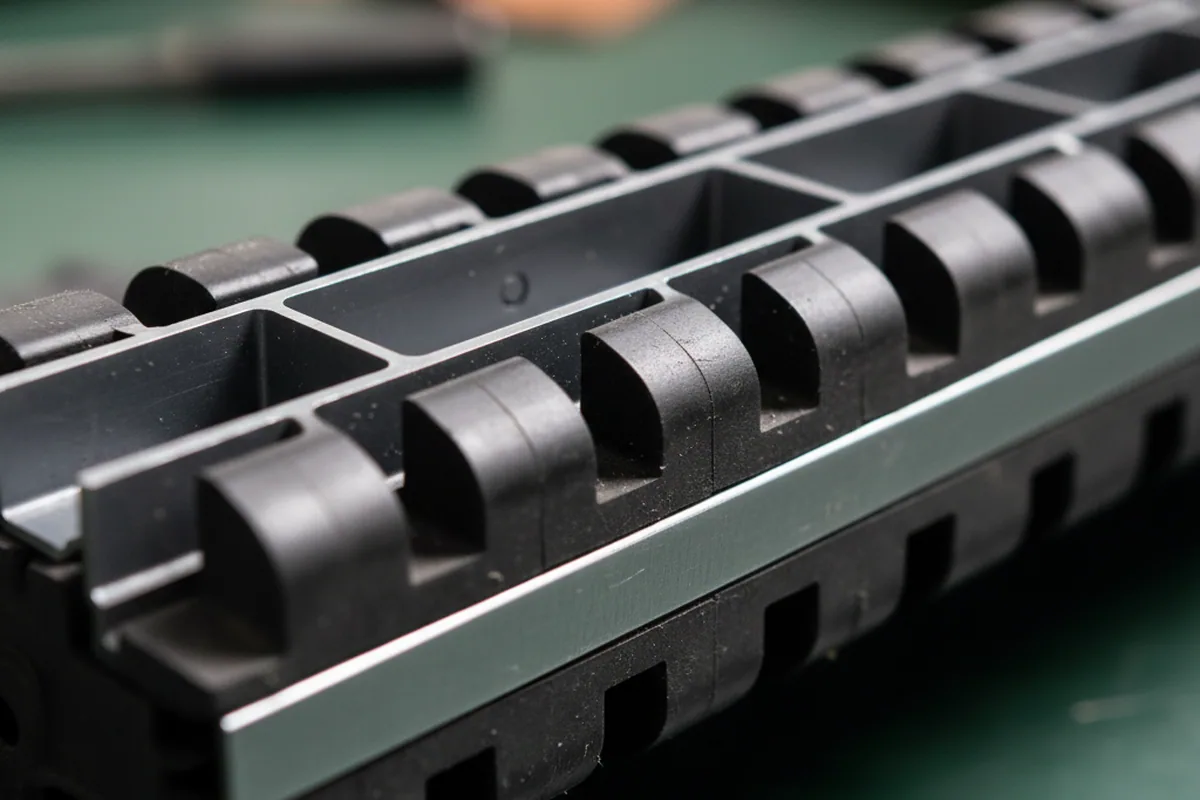
Extruded section used on a YY08 tractor seat before assembly
YY08

In the agricultural range, fitted to tractor cabs

Same position as KL03. For a distributor holding stock against a mixed fleet, the answer says which of the three to carry as a line item and which to order against a machine.

Suspension
Operator weight
Backrest
Warranty
12 months
Decides it
The weekly duty mix. Road hours and long draft shifts point at YJ03.
The supply at the seating position, on the air seat.
Does not
Horsepower. The make of the machine. The badge on the old seat.
What the plate measured when new, if the holes have been opened out.

The bolt pattern says it goes on. The supply says it works. An air seat needs both answers back.

Which suspension

Air or Mechanical Tractor Suspension

The mix of work the machine does in a week decides this, and it is worth answering before any measuring starts.

Air suspension unit fitted under a YJ03 tractor seat

Air, which means YJ03

  • A tractor that runs a large share of its hours on the road with a trailer.
  • A tractor worked in long draft shifts, where every input arrives through the same spine.
Needs
A 24 V supply at the seating position
Gives
Travel in both directions once set for the operator
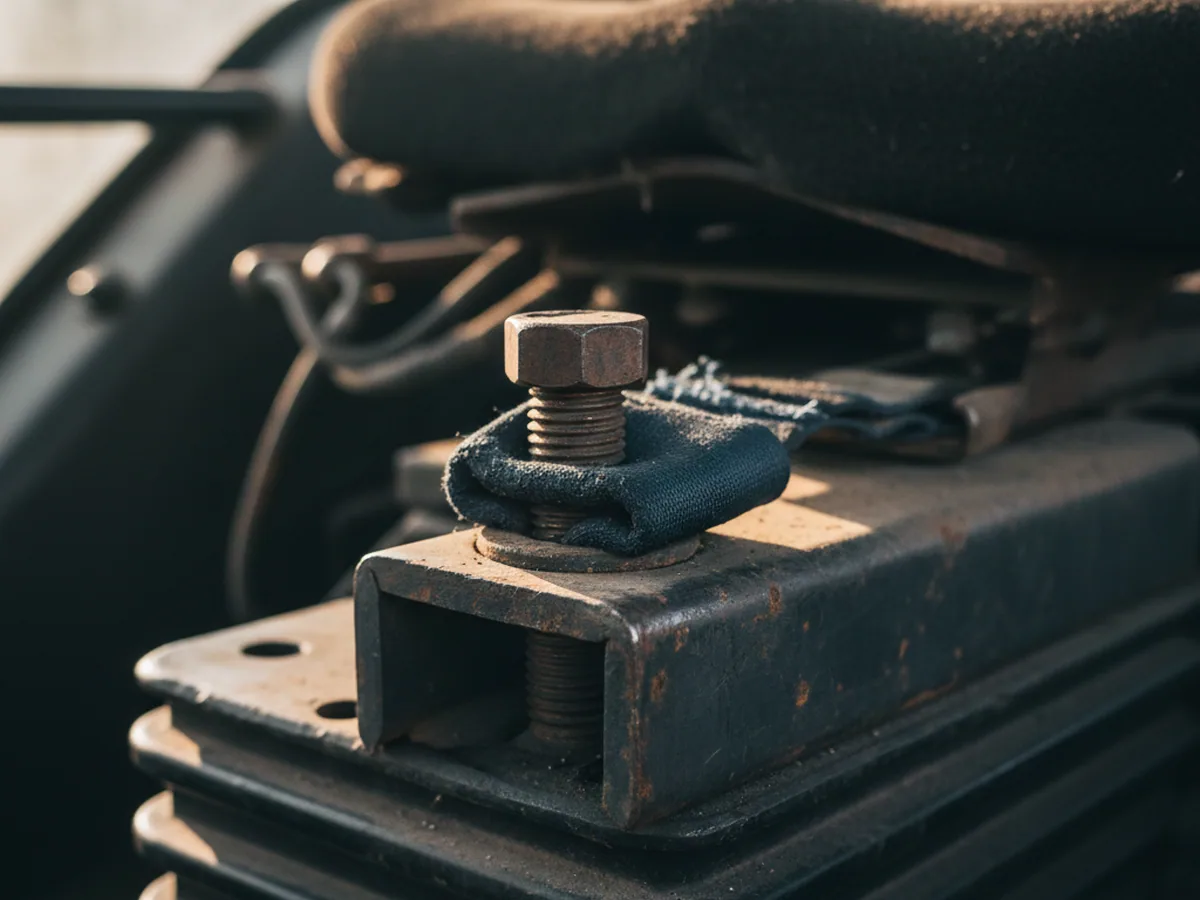
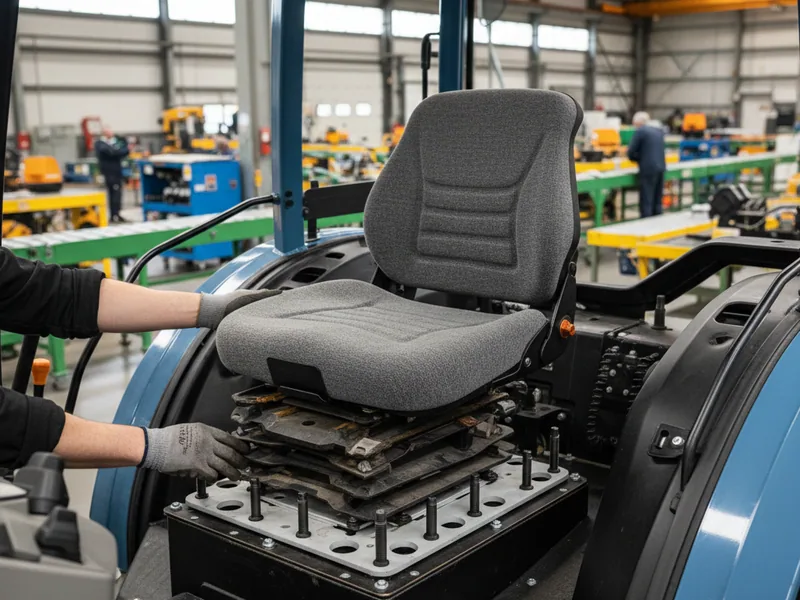
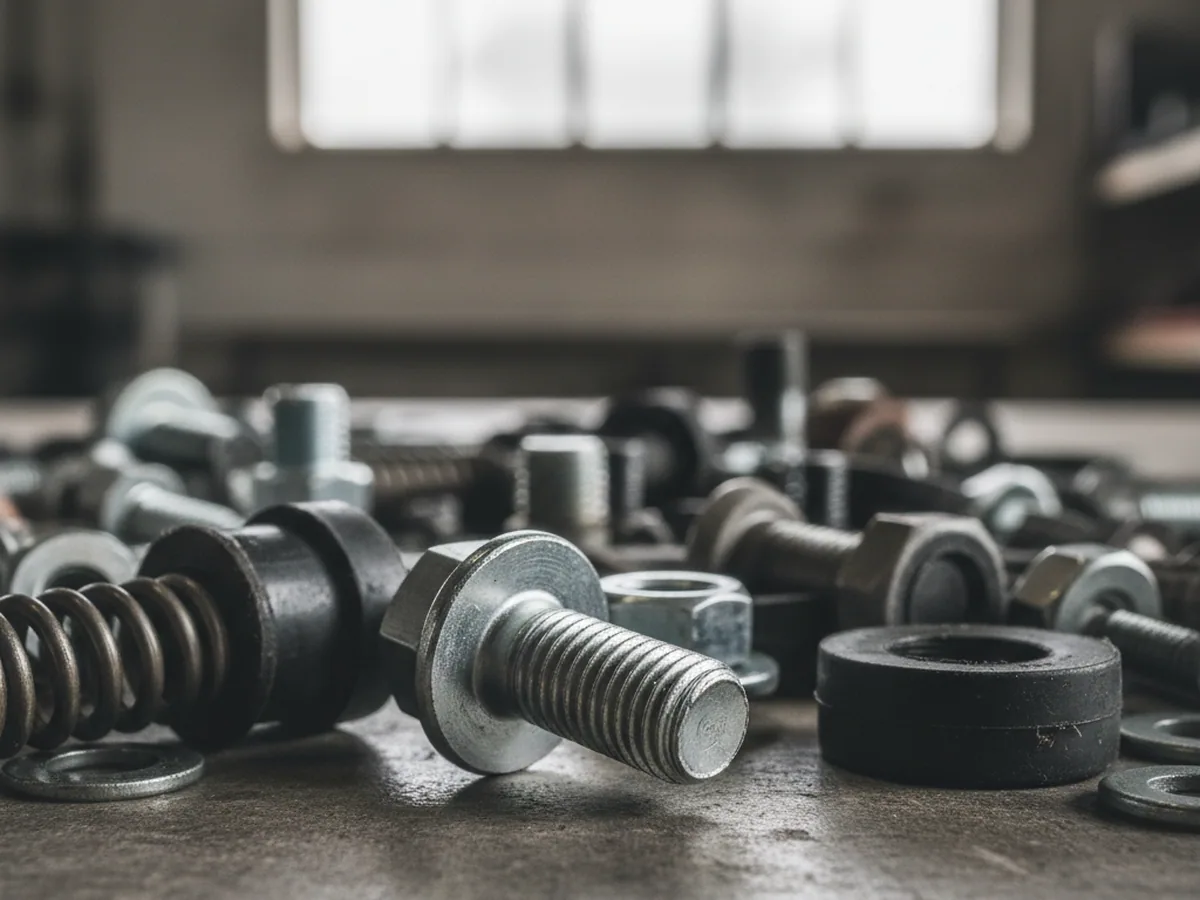
Mounting hardware for a mechanical suspension tractor seat

Mechanical, and the supply question never arises

  • A machine used in short bursts, between yard jobs and loader work, with the operator in and out of the cab.
  • Nothing has to be brought to the seat position, and nothing proved about the circuit.
Needs
A bolt pattern and the clearances around it
Gives
One fewer thing to be wrong on the day

Horsepower does not decide it and neither does the make of the machine. Send the weekly duty mix with your measurements and the answer says which route your tractor is on.

Suspension types across machine families are compared on suspension seat selection.

What is published

Tractor Seat Specifications

Three models, four published lines.

Bolted steel plate of the kind a tractor seat mounts to
Published specifications for the three tractor seat models
 YJ03KL03YY08
SuspensionAir, 24 V supply
Operator weight adjustment50–130 kg
BackrestWraparound, adjustable
Warranty12 months12 months12 months
Cells marked — are not published. A blank cell does not mean the model is unsuitable for your machine, and it is not a figure we will estimate. Send your measurements and the answer covers all three, naming the dimension that ruled a model out.

  • ISO 9001:2015
  • CE on the product range
  • 14 test machines in-house

The second condition

24 V Supply for Air Suspension

YJ03 carries an air suspension and takes a 24 V supply from the machine to run it. The bolt pattern decides whether the seat goes on the mounting plate. The supply at the seating position decides whether it works once it is on. Four items tell us where your tractor stands, and all four are things the fitter reads off the machine without a part number from us.

Voltage at the seat

What matters is not what the tractor is rated at overall but what arrives at the seating position, which on an older machine is not always the same figure. It is read off the machine’s own documentation, or off the circuit the current seat sits next to.

SendThe supply voltage measured or documented at the seating position.

Ignition or permanent

Live with the ignition or live permanently changes which circuit the seat is taken from, and it changes what the seat is doing while the tractor stands overnight. A fitter who knows this before the seat arrives does the job once.

SendWhich of the two it is. One word closes this line.

A spare circuit

On some tractors the seat position is unpowered and there is nothing there to take a feed from. The question then stops being which model fits and becomes whether a feed is brought to the seat as part of this job, which is a decision for the workshop rather than for us.

SendWhether a spare circuit exists at the cab, or whether the position is dead today.

The connector

The harness end answers in one photograph what a written description takes three emails to get wrong. If the tractor also looks for a switch when the operator leaves the seat, that connector matters before sampling rather than after.

SendA photograph of the harness end on the seat fitted today, if there is one.

Put the cab supply voltage in the same email as the measurements and the 48-hour answer covers the electrical side as well as the bolt pattern. Where your tractor does not supply what YJ03 needs, the answer names the mechanical models to look at instead, so the no arrives while you are still choosing rather than after the order is placed.

Test the reply before you spend anything

  • Put into your list one tractor you already know cannot run a powered seat.
  • If the reply says every machine on the list is a fit, you have learned something about the reply itself, in one email round, at no cost.
  • A reply worth acting on names that machine, says which of the four items above ruled it out, and tells you where to go next rather than leaving you holding the no.
Close it on the machine
Fitting one seat on the real tractor closes the question completely, which is what the sample stage is for.
Ask it once per model
For a dealer service department, the voltage question is worth asking once per machine model rather than once per order. Send the models you see most and we answer them as a set, so the next time one is on the ramp the answer is already on file at your end.
Cab harness that feeds a 24 V air suspension tractor seat
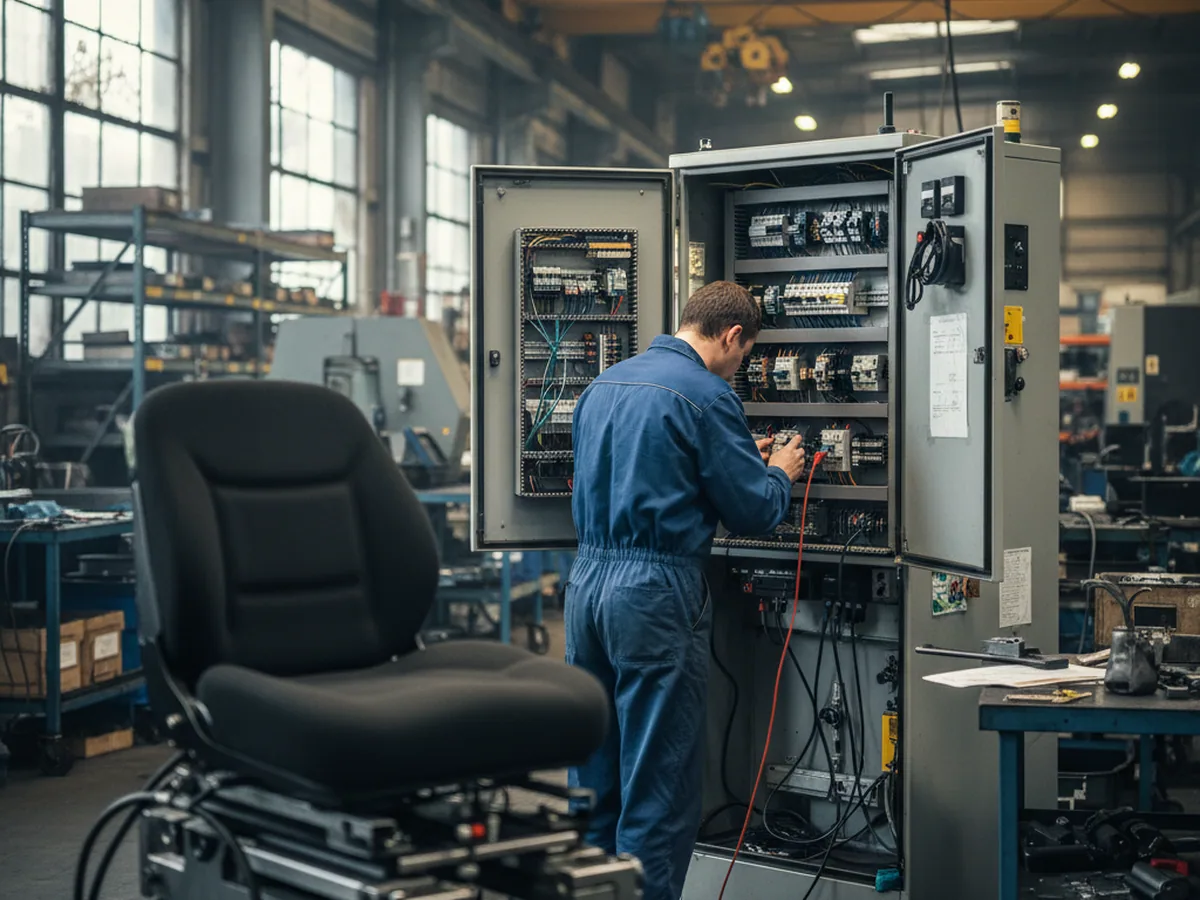
Circuit panel checked before a powered tractor seat is ordered

What to measure

Tractor Seat Fitment Measurements

Six items taken off the cab settle whether a tractor seat goes on: five dimensions and the supply. The seat sits on a plate or platform over the transmission tunnel and the column position is fixed, so the numbers that matter are not the ones a truck seat would need.

Side view Rear view 03 Headroom above the mounting plate 01 Bolt spacing, centre to centre 04 Fore-and-aft: steering column to rear glass 05 Belt anchor points 06 Supply at the seat 02 Clear width between the fenders
Where the six measurements are taken in a tractor cab.

01 · Bolt spacing on the mounting plate

  • Measure the plate centre to centre, front to back and side to side.
  • Where it is corroded, or the holes have been opened out by a previous seat change, say so and give us the plate as it is today.

02 · Clear width between the fenders

  • Measure across the seating position at its narrowest point, usually between the wheel arches rather than at the door.
  • It sets the outside width the seat and its armrests live inside, and it rules models out faster than any other number here.

03 · Headroom above the mounting plate

  • Measure from the plate to the cab roof, and say whether the current seat was in place or removed.
  • For YJ03 it matters at the ride height the operator will actually set, because an air seat sits at the height it is set to and works from there.

04 · Fore-and-aft room

  • Measure forward to the steering column and the pedals, and back to the rear glass or bulkhead.
  • The column is fixed and the operator works pedals with both feet, so the forward figure decides how much adjustment is usable rather than merely present.

05 · Belt anchor points

  • Say whether the belt anchors to the cab structure or to the seat, and how many points there are.
  • A seat-side anchor changes what the frame carries; a cab-side anchor changes what the workshop reconnects on the day the old seat comes out.

06 · Supply voltage at the seating position

  • Set out in full above, and it bears on YJ03 alone.
  • On a mechanical model this line stays empty; on the air seat it is half the answer, so it travels with the five dimensions rather than in a second round.
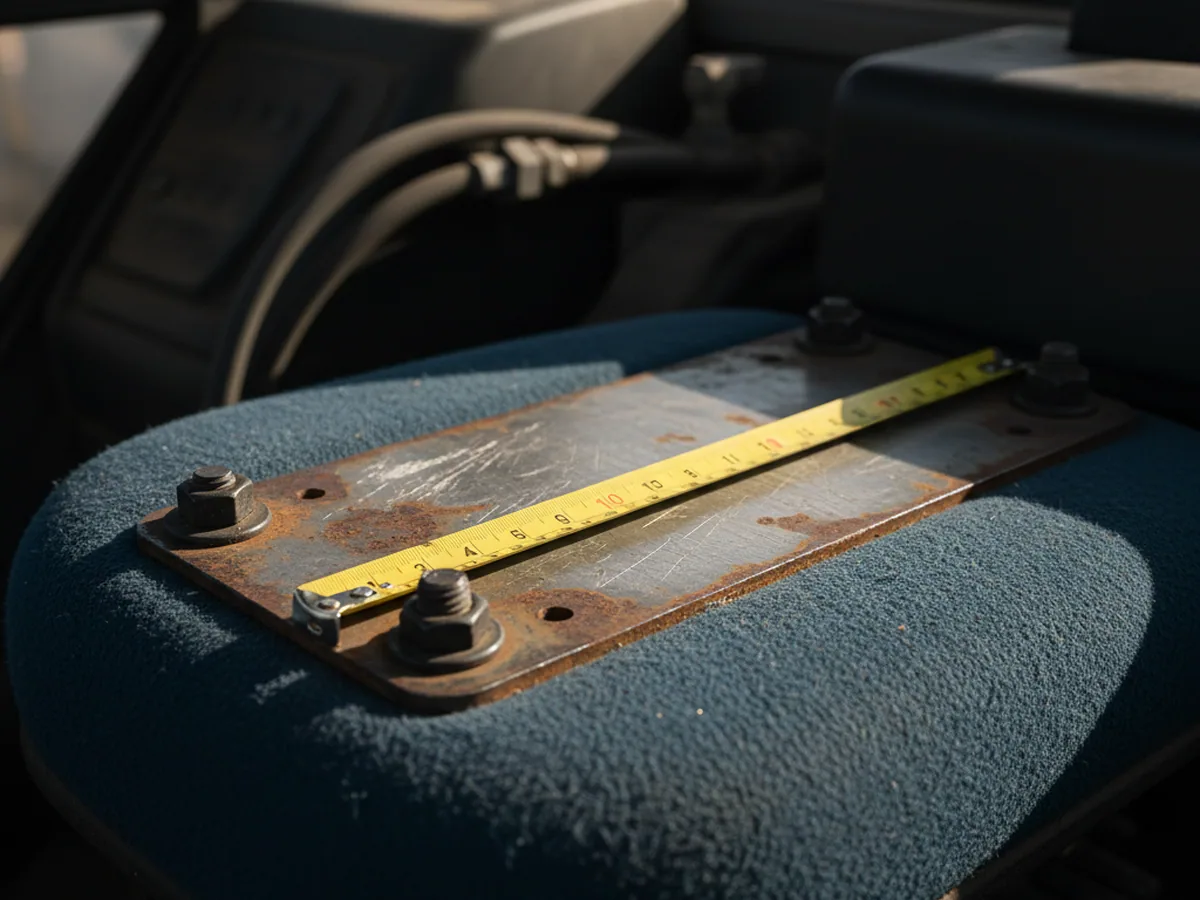
Tape measure across a tractor seat mounting plate in the cab
Mounting plate hole pattern a replacement tractor seat has to match
Belt anchor bolt at a tractor seat mounting position

Also tell us what the seat sits on.

  • A flat plate on the tunnel
  • A fabricated pedestal
  • A base carrying its own rails

Send those six items with the operator weight range you are seating, the quantity and the date you need. First reply within 24 business hours, fitment answer within 48 hours of the measurements arriving.

Every machine family is covered on seat fitment compatibility.

Measure the plate as it is today, not as it left the factory.

Two inputs, one seat

Field and Road Duty

Tractor work puts two different inputs through the same seat in the same day, and the seat has to hold the operator through both without being reset between them.

Field draft work
Low speed over uneven ground for hours at a stretch, with the operator staying seated.
Road transport
Higher speed with a trailer, on surfaces the machine was never sprung for.

The weight adjuster is what keeps travel in reserve

  • The adjustment covers 50 to 130 kg, and its job is to keep the suspension working in the middle of its stroke rather than at one end of it.
  • Set for the person in the seat, travel is available in both directions and the seat has something to give on both kinds of input.
  • Set for the wrong weight, the operator takes the input through a suspension with nothing left.
50 kg 130 kg 40 140 Set it here and travel stays in reserve both ways

Operator weight adjustment on YJ03.

Tell us the weight range you are seating and the reply says whether the adjuster covers it — worth knowing before the seat is on the ramp.

The backrest follows the turn

The wraparound backrest adjusts to the operator and stays with the back through the twist. That matters on a tractor more than on most machines, because the operator turns to watch the implement behind for a large part of the working day, and the support has to follow the torso instead of ending where the turn begins.

Operator weight adjuster on the side of a YJ03 air suspension tractor seat
Set once for the operator, not once per field.
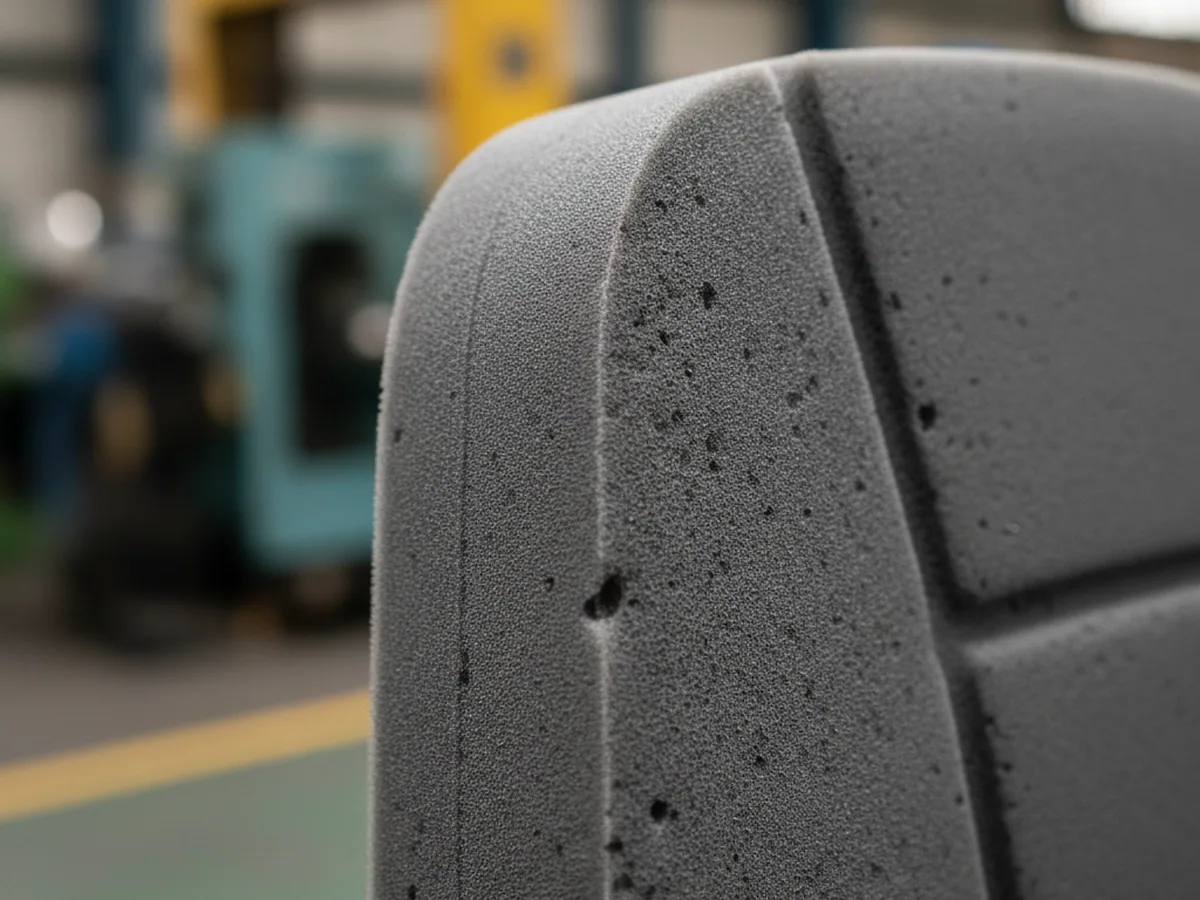
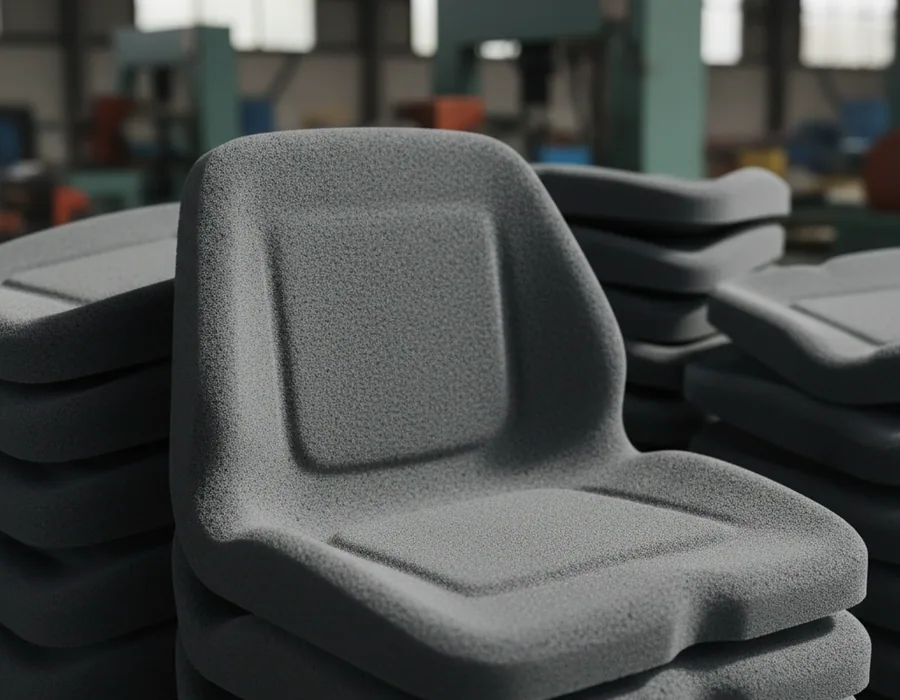
Open-cell foam cut for the wraparound backrest of a tractor seat
Backrest foam moulded in-house.
  • 50–130 kg adjuster
  • Wraparound backrest
  • PVC or fabric cover

Before it ships

Suspension Bench Testing

Suspension assemblies are bench tested as they will ship — frame, spring pack and damper together, not a bare damper. The bench runs the assembly through its rated full travel at one cycle a second, at room temperature, and three criteria decide whether the batch is released.

100,000Cycles at the rated full travel, run at 1 Hz on the assembly as it will ship.
≥95%Of rated travel still there at the end. Under that is a fail, not a note.
≤15%Damping force loss at the reference speed, on the same assembly.
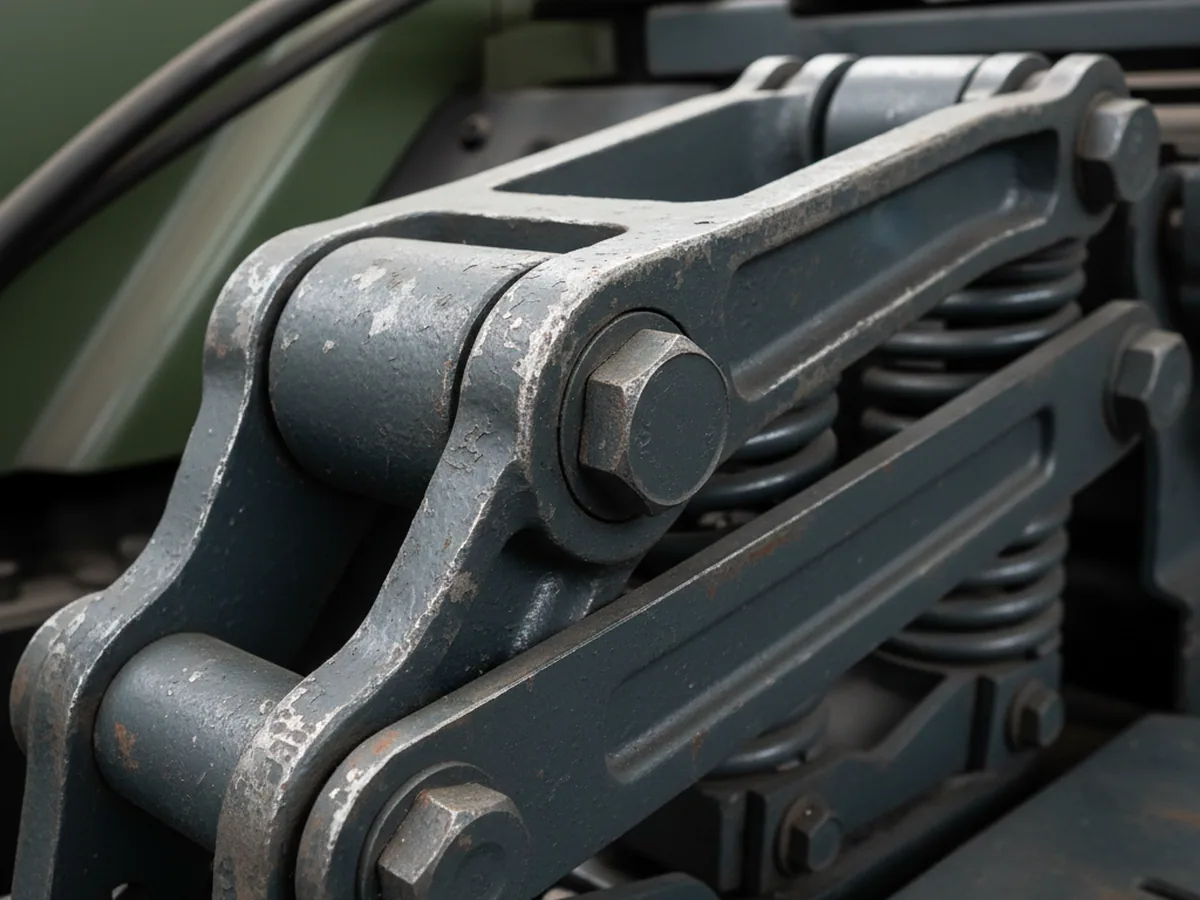
Zero crack initiationAt the scissor pivots, the damper eyes and the bracket the weight adjuster reacts against, confirmed by metallographic sectioning in-house.
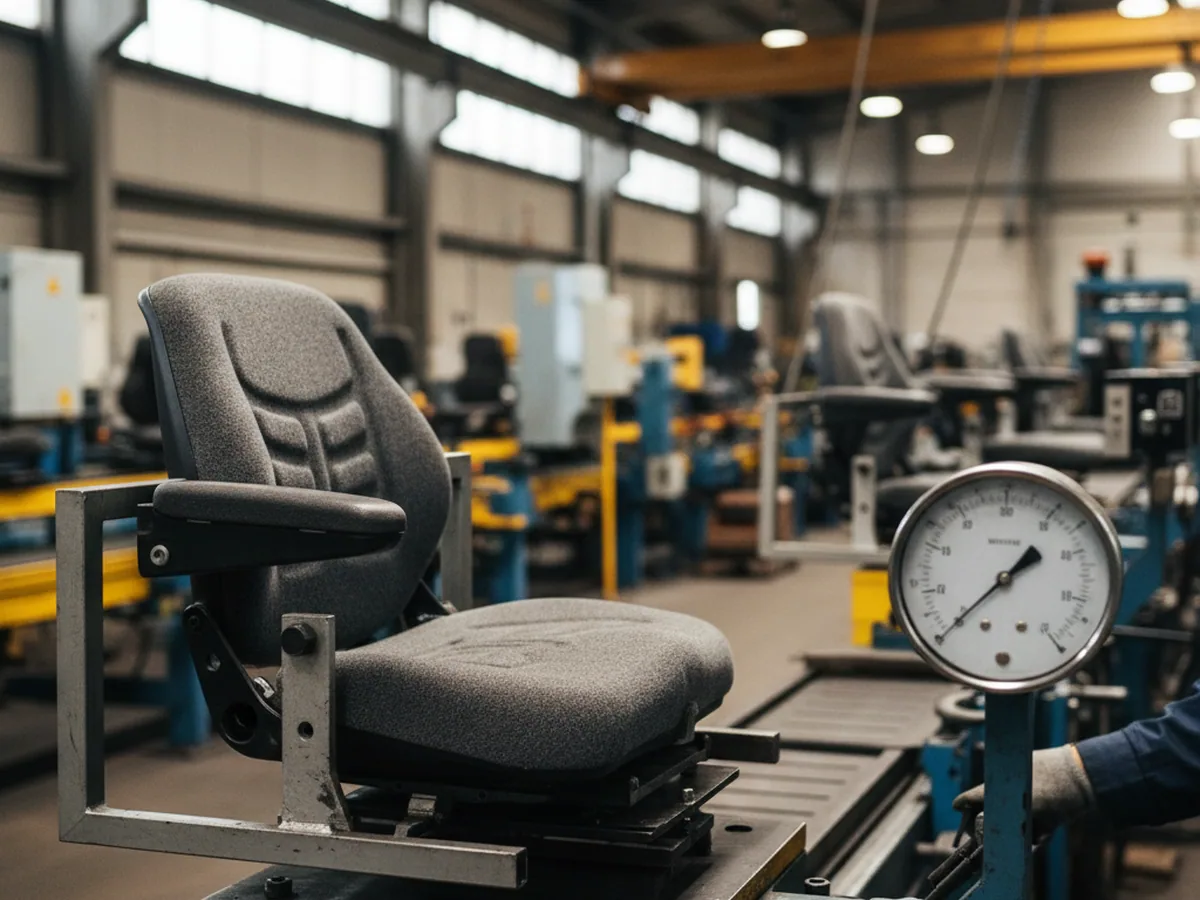
Shock absorber fatigue bench used on tractor seat suspension assemblies

What happens when a set fails

The batch is held. Not flagged, not shipped and watched: held. It is traced back to a specific weld cell or damper lot, corrected and re-tested, and the hold lifts only on a pass.

Premium suspension systems are developed jointly with East China Jiaotong University, a provincial key university whose name you can check independently. During qualification we send photographs of all fourteen machines in our test centre, one by one.

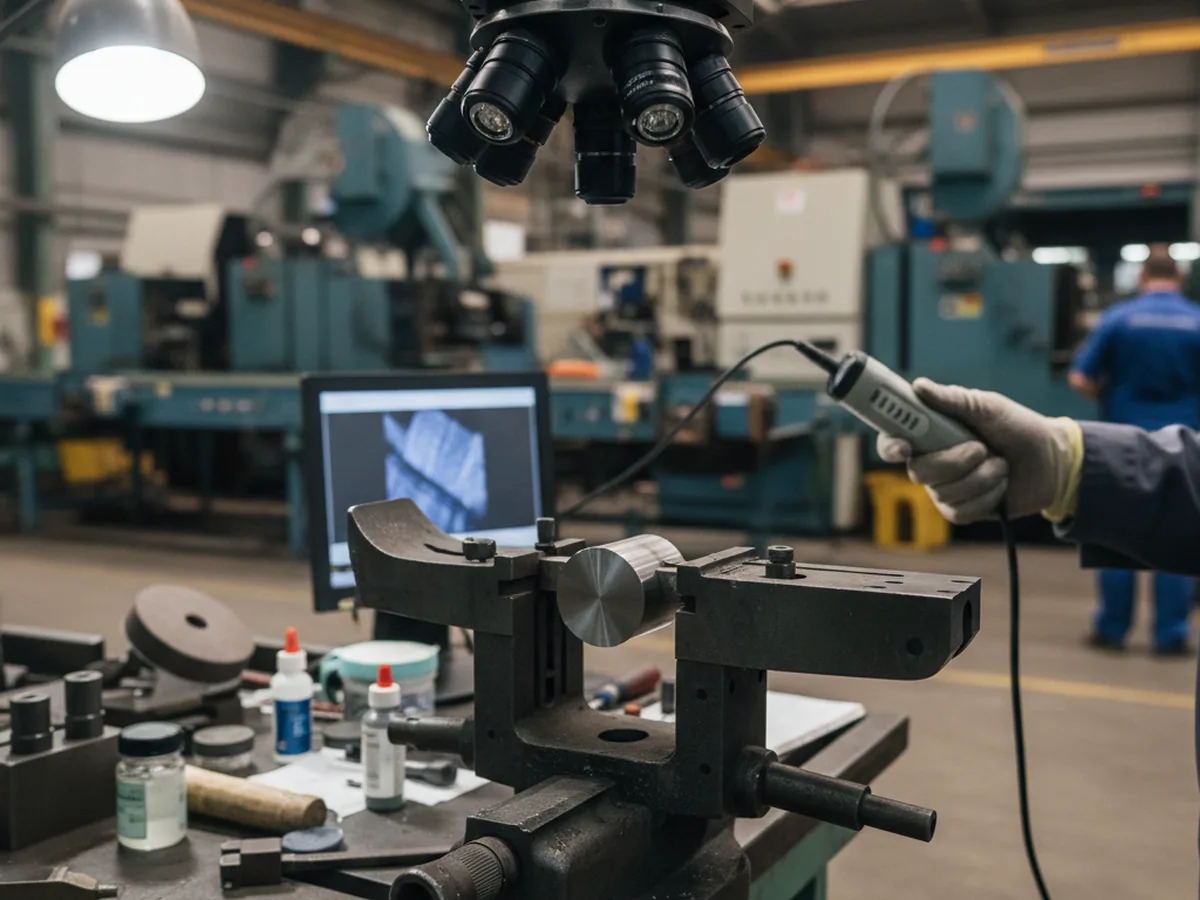
Sectioned tractor seat bracket prepared for metallographic inspection

A crack that has started is found on the bench, not in a cab.

How the seat is made

Four Processes Under One Roof

Four processes turn coil and foam chemical into a tractor seat, and all four run inside the plant. That is why a batch that fails on the bench traces to a named cell.

Stamped panel for a tractor seat frame coming off the press
01 Stamping
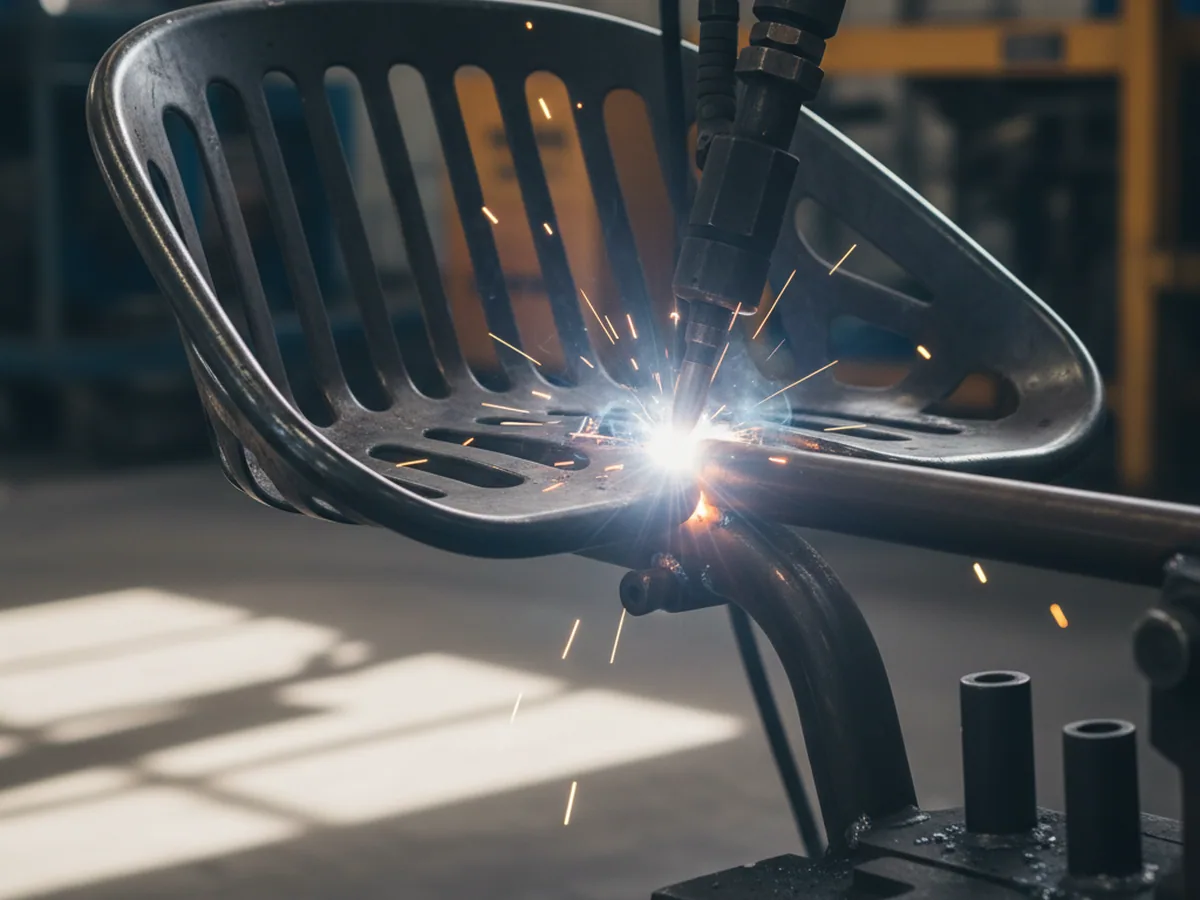
Weld cell joining a tractor seat frame assembly
02 Welding
Moulded foam cushions for tractor seats after demoulding
03 Foaming
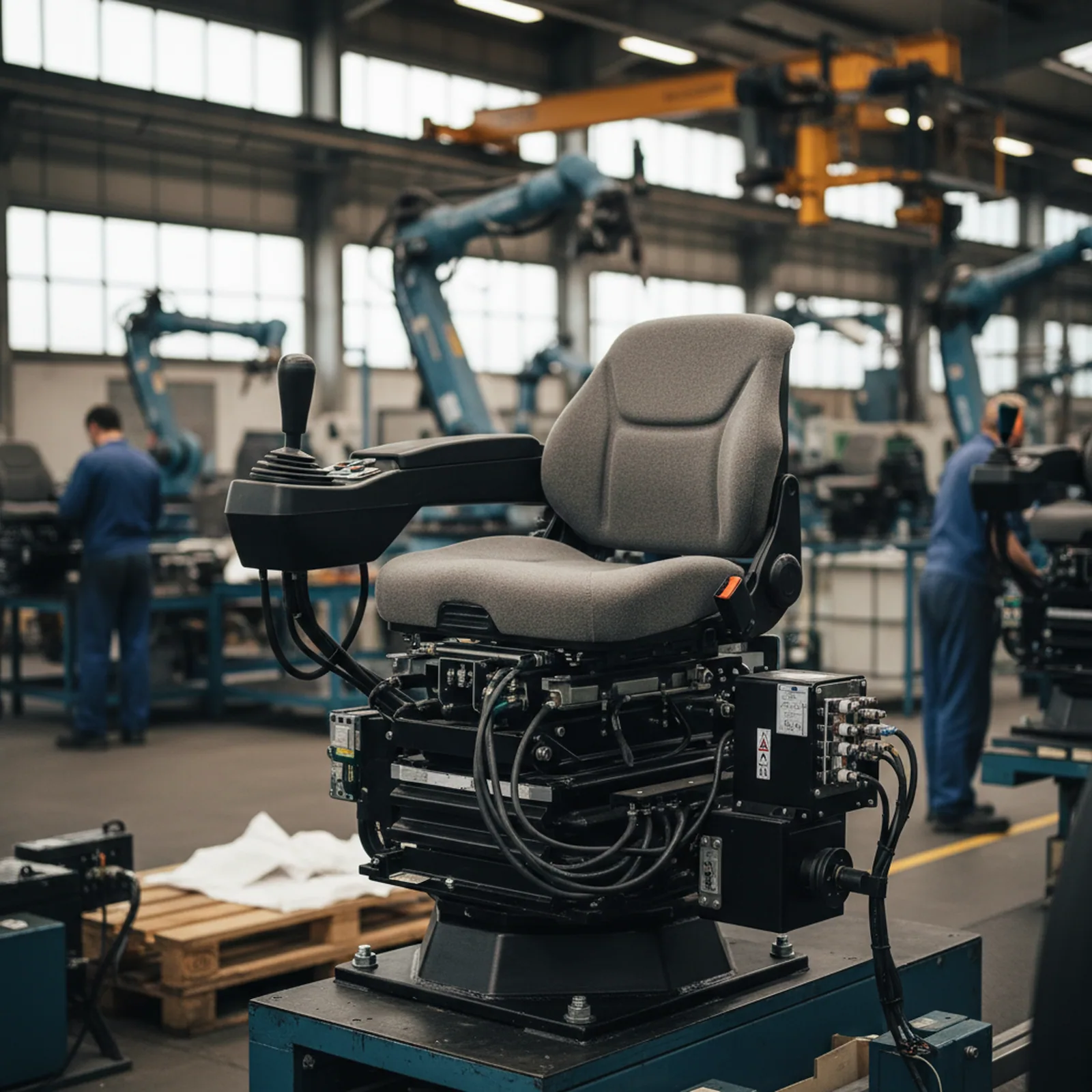
Tractor seat assembly bench inside the plant
04 Assembly
Stamping
Frame and bracket blanks pressed on our own automatic presses.
Welding
Robot cells joining the frame. Each cell is identifiable, which is what makes the batch hold traceable.
Foaming
Cushions and backrests moulded in-house, so density and shape are set by us.
Assembly
Automated lines bringing frame, suspension, foam and cover together, coating carried through first.

Cover material

PVC and Fabric Tractor Seat Covers

Worth choosing per machine model rather than across a whole order.

PVC cover material used on tractor seats

PVC, the usual answer on tractor work

PVC wipes down after a day of field dust and wet boots.

  • On most tractors that ends the discussion.
  • Shared across shifts, the second operator inherits a surface that cleans.
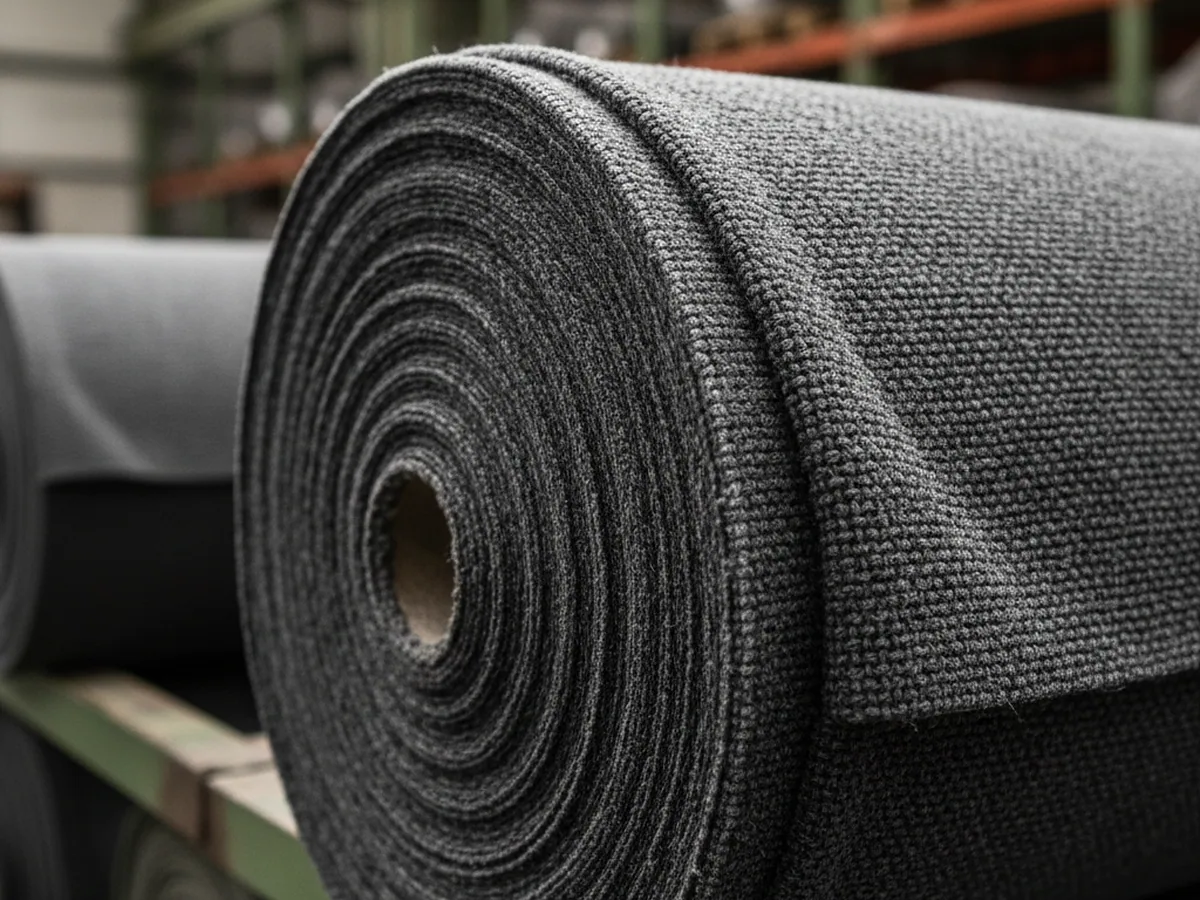
Fabric cover roll for tractor seats in the material store

Fabric, where the cab is enclosed

Fabric is available where the cab is enclosed and the machine works cleaner.

  • More comfortable across a long shift, less punishing in heat.
  • The wrong choice on a machine that works in dust.
  • PVC — dust, wet boots
  • Fabric — enclosed cab, heat
  • Our own foam

Both are fitted to foam moulded in our own shop, not a bought-in pad.

What goes on the seat

Armrests, Rails and Spare Parts

Nine part lines across the range. Two come up on tractors more than anywhere else, and one stops a sample dead if it is left out.

Swivel rotary console base fitted under a tractor seat

Swivel rotary consoles

  • The operator spends part of the day turned towards the implement.
  • A console that turns with the seat makes that position workable.
Rail slide a replacement tractor seat can be ordered to sit on

Rail slides

  • Where the plate already carries rails and the seat is to sit on them.
  • Say which case you are in: it changes the height the seat starts from.
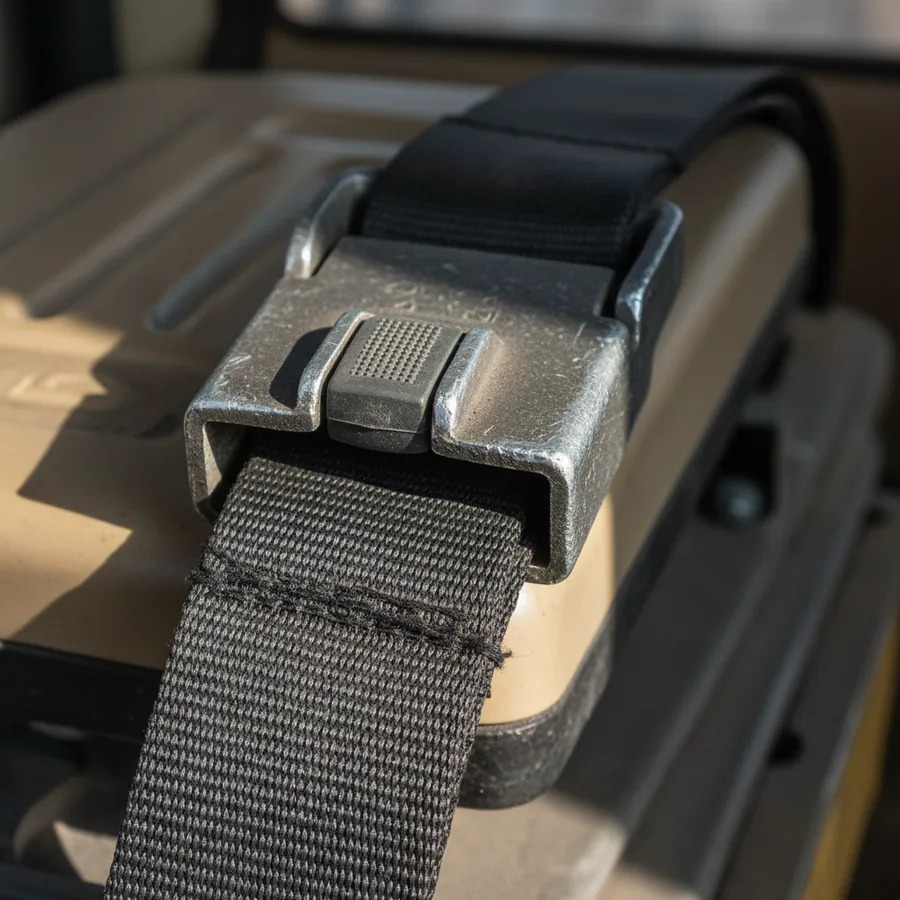
Seat belt webbing and buckle supplied with tractor seats

Seat belts

To the anchor arrangement the cab has.

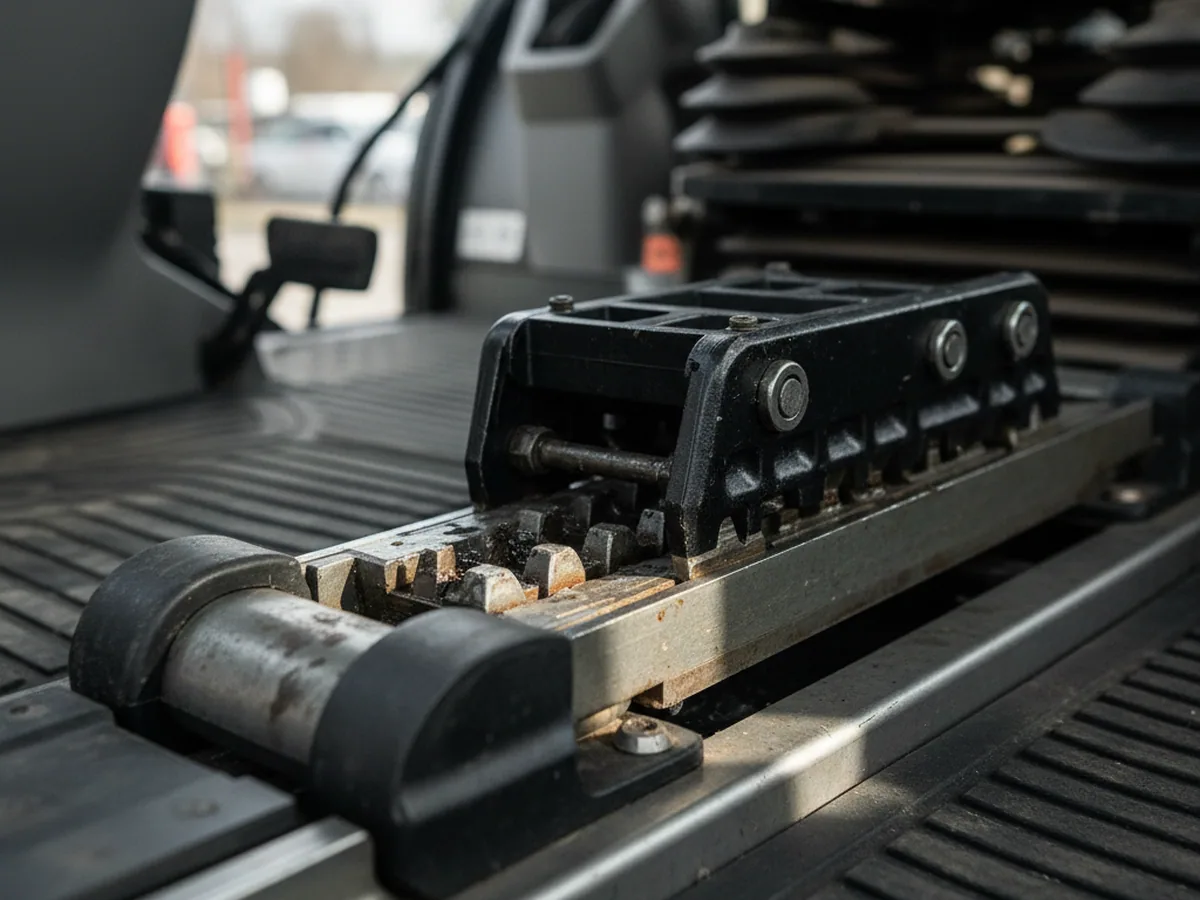
Presence switch connector fitted to a tractor seat

Presence switches

Matched to the connector the machine looks for.

  • Seat covers — PVC or fabric.
  • Armrests — including flip-up.
  • Rail slides — as a part line as well as fitted.
  • Suspension assemblies — the unit off the fatigue bench.
  • Swivel rotary consoles — with the seat or afterwards.

Be specific about the presence circuit

If your tractor looks for a switch when the operator leaves the seat, we need the connector type before sampling rather than after.

All available separately afterwards. Part numbers, minimums and lead times are on seat spare parts.

Building to your drawing

OEM and Private Label Scope

For tractor builders and private-label buyers, four things can change: dimensions, structure, cover material and colour, and marking. Our own R&D team works from your drawing or from the envelope you can give us, and because stamping and welding are in-house, a structural change goes through our own workshops.

Tooling you fund is yours

Buyer-funded tooling and fixtures belong to you, stored at our plant, used only for your orders.

Your marking goes nowhere else

Parts carrying your marking go to no third party; two buyers in one market are scheduled apart.

Both are stated the same way in a purchase agreement as they are here. Drawings stay with the project team and the processes that need them, and we will sign an NDA on request.

  1. A sample against your drawing. Seven days, one piece, fitted on the real tractor.
  2. A first order on a single model. Once the sample is approved, custom work runs on the same 20 to 30 day schedule as stock models.
  3. Annual replenishment. As the programme or the stocking range widens, against tooling already yours.

Send marking artwork in vector format, placement dimensioned. The wider process is on custom OEM seat manufacturing.

Machined tractor seat component checked against the customer drawing
Marking placement dimensioned on a tractor seat drawing before sampling
  • Dimensions
  • Structure
  • Cover and colour
  • Marking

Four things change; the rest is the assembly we build.

Order shapes

Lead Times, Warranty and Documents

Three order shapes, counted from order confirmation, and one warranty figure that never changes with the shape.

Order shapes for tractor seats
ShapeLead timeMinimumWarranty
Sample7 days1 piece12 months

Stock model20–30 days50 pieces per model12 months
Custom or OEM20–30 days after sample approval200 pieces per model12 months
ISO 9001:2015
CE marked range
Both certificates by email

What travels with the shipment

  • Certificate of Analysis or Conformance
  • Insurance documentation
  • Certificate of Origin
  • The other export documents your entry calls for

We ship into Europe, North America, South America and Southeast Asia and into more than 40 countries in total, so the paperwork your entry calls for is usually paperwork we have issued before. Tell us at order confirmation which documents your import requires.

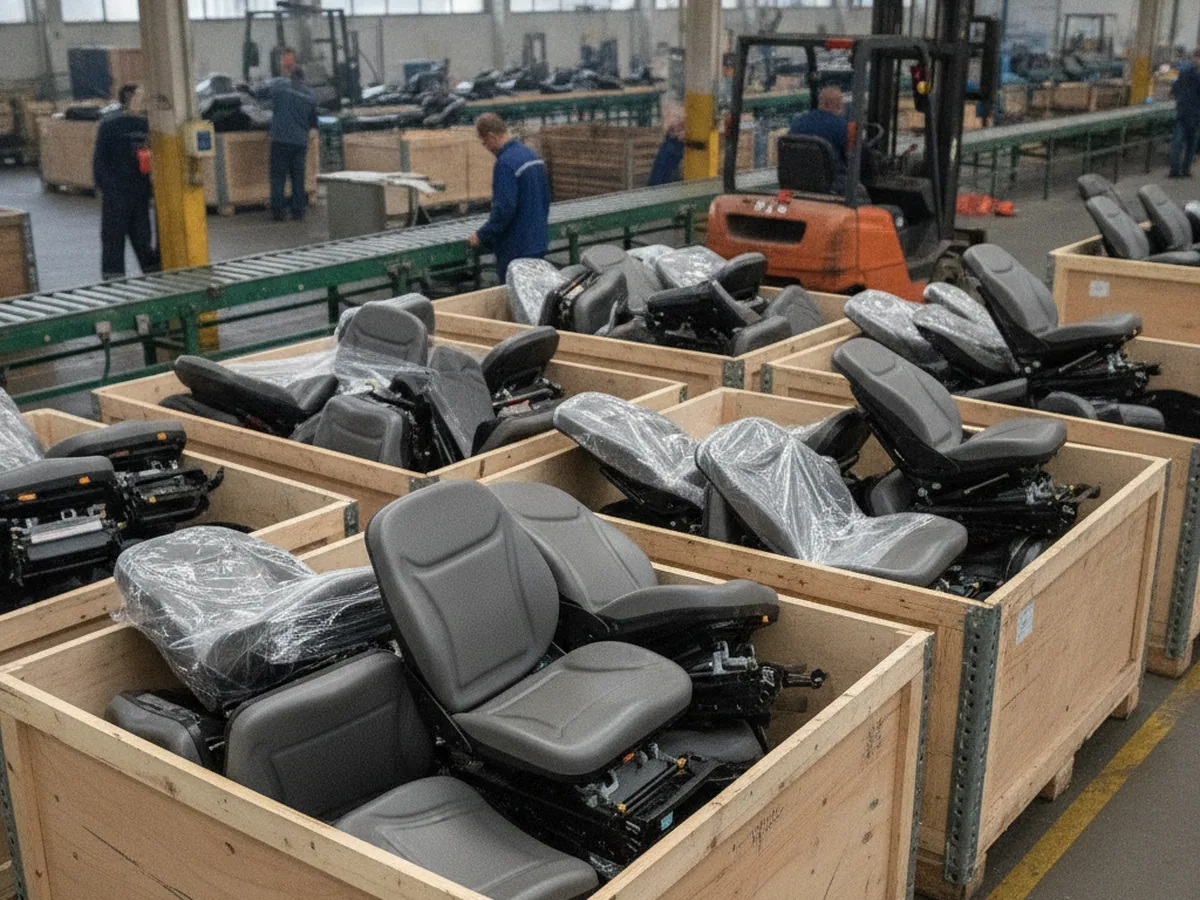
Export crates packed with tractor seats before despatch
Packed to your market’s entry.
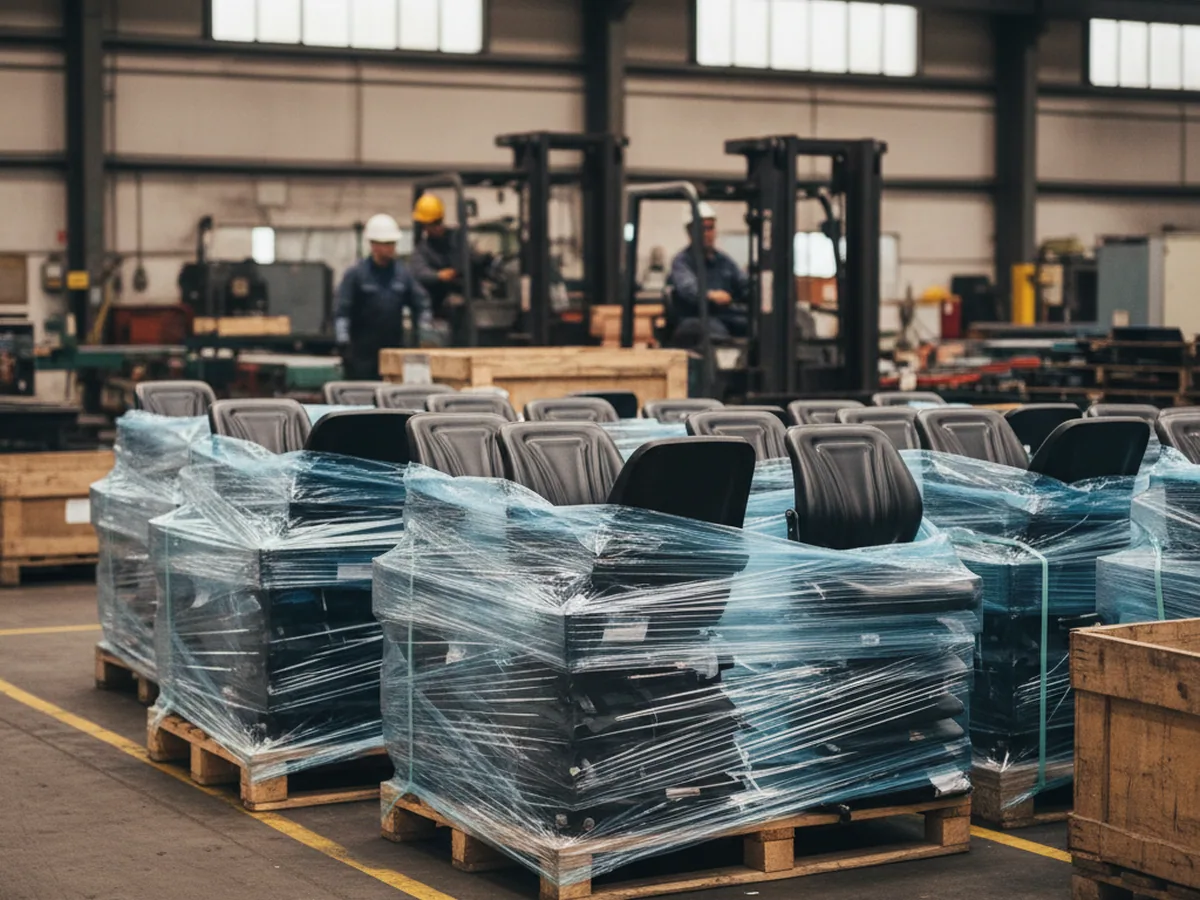
Wrapped pallets of tractor seats in the despatch bay
Issued in the name you give.
  • Europe
  • North America
  • South America
  • Southeast Asia

One round instead of three

Tractor Seat Enquiry Checklist

Copy this into your first email. Heavy icons decide the answer; light ones shape the quotation.

  • Tractor make and model, and the seat fitted today if there is one
  • Bolt spacing on the mounting plate, centre to centre, and the condition of the plate
  • Clear width between the fenders at the seating position
  • Headroom from the mounting plate to the cab roof
  • Fore-and-aft room to the steering column and pedals, and to the rear glass
  • Supply voltage at the seating position, whether it is ignition-live or permanent, and whether a spare circuit exists
  • Belt anchor points: cab-side or seat-side, and how many
  • Whether the seat sits on a flat plate, a fabricated pedestal or a base with rails
  • Presence switch or pressure sensor, and the connector type if the machine has one
  • Operator weight range you are seating
  • Weekly duty mix: field work, road transport with a trailer, loader work
  • A replacement on machines in service, or a seat for a machine you are building
  • Cover material preference, PVC or fabric
  • Quantity and the date you need delivery
  • Any marking or private-label requirement, with artwork if you have it

A reply lands within 24 business hours, and the fitment answer within 48 hours of the measurements arriving, naming the models that fit and the ones that do not.

Gauge read off the cab before a tractor seat enquiry is sent

Every line is read off the machine, without a part number from us.

Send it in one email

Send Your Tractor Measurements

Bolt spacing, the width between the fenders, the headroom, the fore-and-aft room, the belt anchor points and the supply voltage, with your tractor model and quantity.

First reply

Within 24 business hours.

Fitment answer

Within 48 hours of your measurements.

Or write directly

sales@klseats.com
0086-136 1700 5124