Mechanical · Semi-suspension · Air
From Your Own Machine, Four Readings Settle Suspension Seat Selection
All three suspension families are built here. Below: what each one does, which models sit in it, the published travel and weight figures, and the four things you can read off your machine that narrow the range to a designation.
Built in house, not bought in
Suspension Seat Selection in Three Families
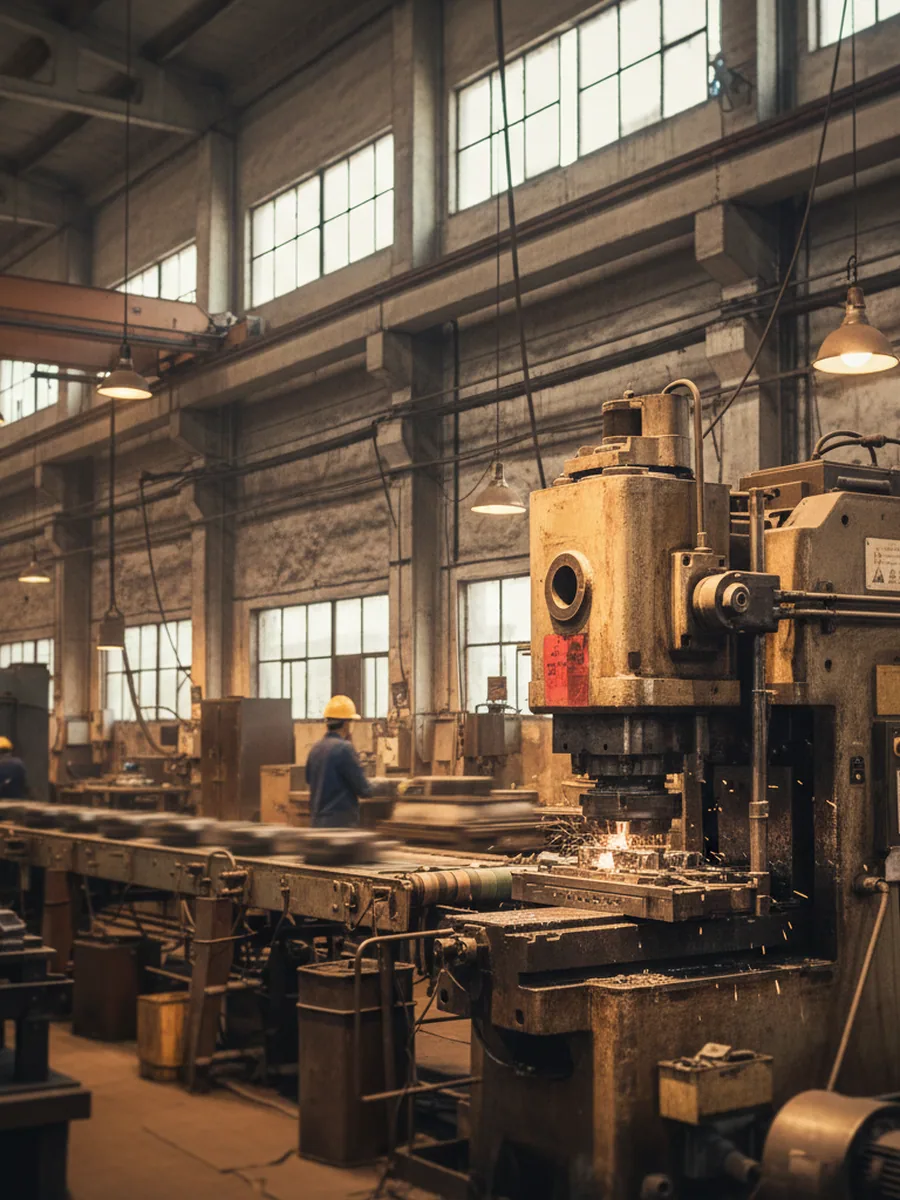
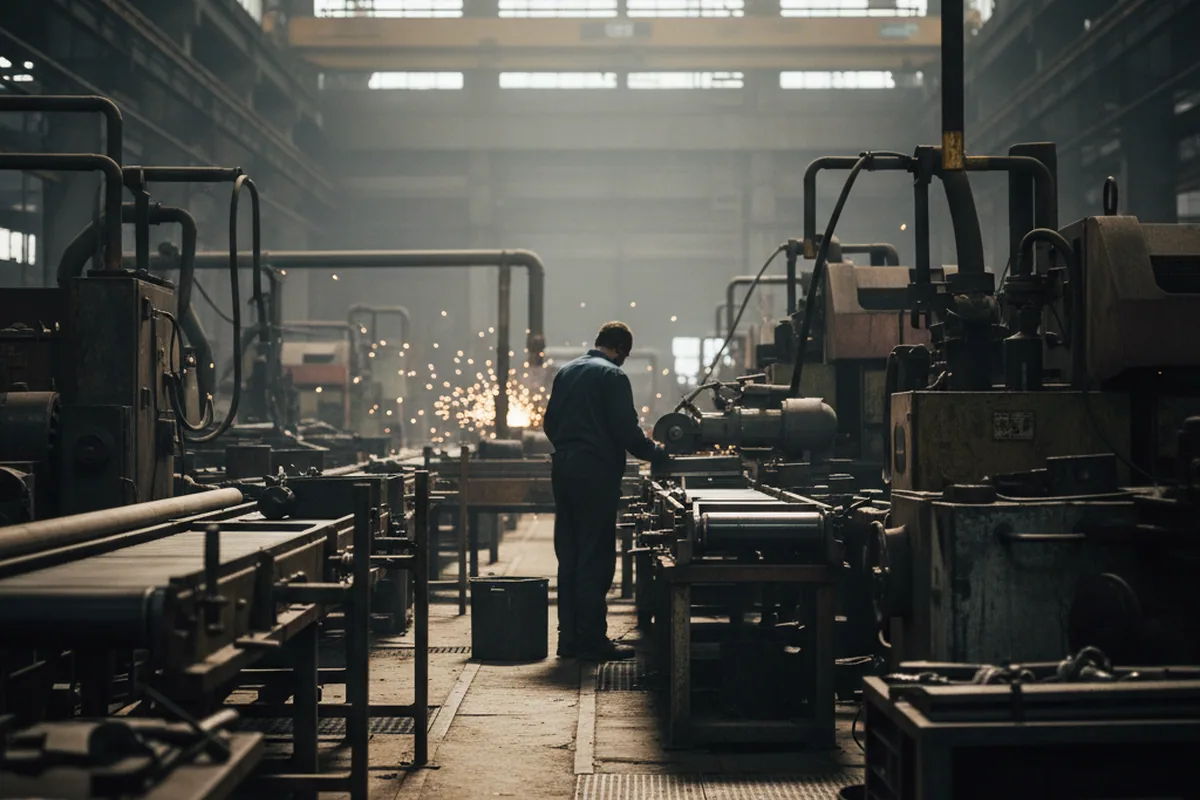
Mechanical, semi-suspension and air are three different answers to ground input, and the suspension assembly inside each one is manufactured here rather than bought in and bolted to a frame. Stamping, welding, foaming and assembly run under one roof, which is why a stroke figure or a weld question is answered on this site instead of relayed to whoever supplied the unit.
Three kinds of buyer work this choice through with us
- Aftermarket distributors and importers deciding which families to stock against a mixed fleet.
- Machine builders and their tier-one suppliers specifying into a programme where the family is fixed at design stage.
- Private-label wholesalers whose customers buy along the same split.

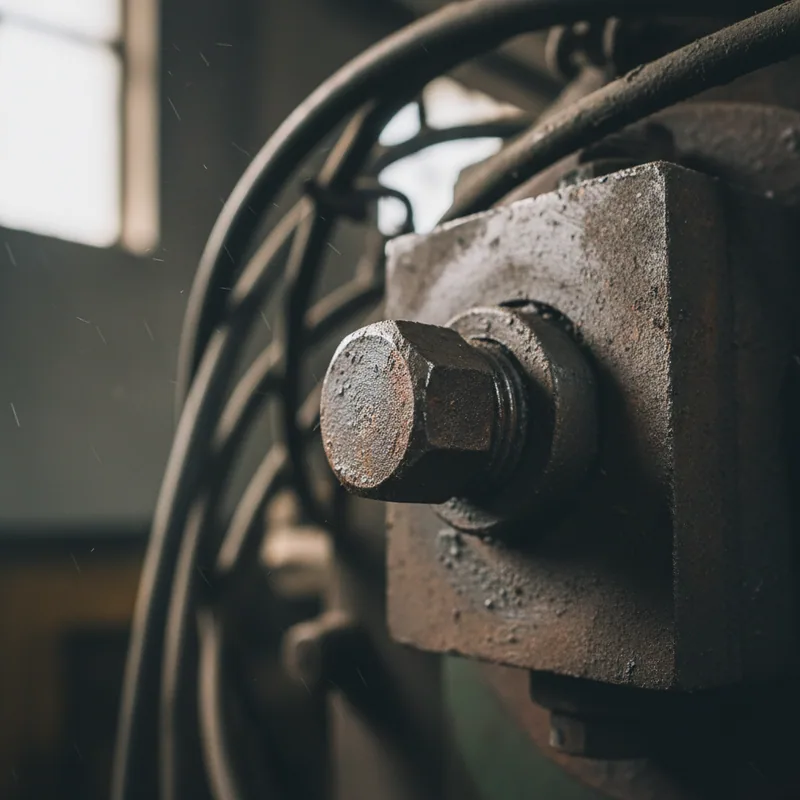
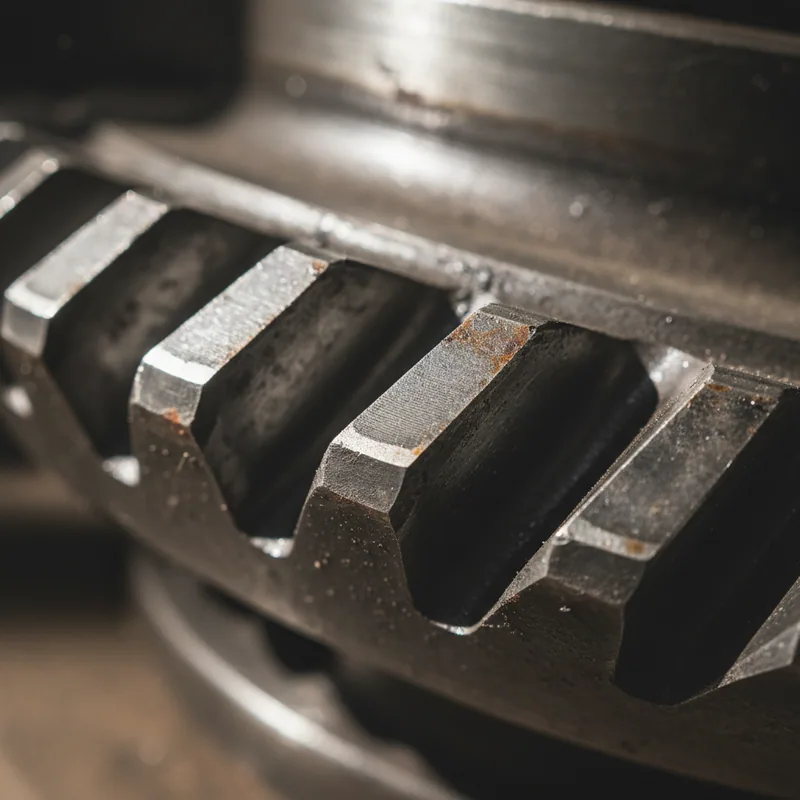
Mechanical
The operator rides a steel spring pack with a damper across it, preset by a weight adjuster. The bulk of the range.
- KL01
- KL11
- KL02
- YS2-8
- YY53
- YY03
- YQ40
Semi-suspension
A reduced stroke, and the seating position taken from the rail the unit sits on rather than from a base of its own.
- YY01
Air
An air spring fed from the machine, so the spring rate follows the load instead of being fixed by the steel.
- YJ03
- 24 V supply
Seven lines a specification is written against
Mechanical, Semi-Suspension and Air Compared
Every figure below is a published one. Rest on a family heading and the other two columns drop back, so a specification can be read down one family at a time.
| Mechanical | Semi-suspension | Air | |
|---|---|---|---|
| Models we build | KL01 · KL11 · KL02 · YS2-8 · YY53 · YY03 · YQ40 | YY01 | YJ03 |
| Published suspension travel | 50 mm (KL01) · 80 mm (YS2-8) · 48 mm (YY53) | — | — |
| Published operator weight | 50–130 kg (KL01, YS2-8) · 40–120 kg (YY53, YY03) | — | 50–130 kg |
| Fore-and-aft adjustment | 165 mm (KL01) · 150 mm (YS2-8) | On rail | — |
| Height adjustment | 60 mm (YS2-8) | — | — |
| Backrest options | Adjustable with raised back (KL01) · high back with full-body and head support (KL02) · fold-forward 27.5° (YS2-8) · low back, no headrest (KL11) | Fine angle adjustment | Wraparound, adjustable |
| What the machine supplies | Nothing | A rail position to sit on | 24 V at the seating position |
A cell marked — is a figure we have not published. It does not mean the model is unsuitable for your machine: send your measurements and those models are covered on the same clock as the rest.

Stroke has to fit above the mounting plate, on top of the height the seat already stands
Two published bands, one overlap
The Operator Weight Adjuster
The adjuster is what makes a mechanical suspension work at all. It presets the reaction of the spring pack so the seat rests near the middle of its stroke with the operator in it, leaving travel available in both directions.
- Set inside the band, the suspension has somewhere to go on a bump and somewhere to return to.
- Set at either end, the stroke is nominally there and practically is not: a light operator rides a spring that barely moves, and a heavy operator past the top of the band starts the shift already at the bottom of the stroke.
YY53 · YY03
40–120 kgRules in an operator group that includes people under 50 kg.
KL01 · YS2-8 · YJ03
50–130 kgRules in an operator group that includes people over 120 kg.
The two bands overlap between 50 and 120 kg — marked in orange on both columns. Inside that overlap the band is not what decides the model. Outside it, it decides on its own.
Send both ends of the range
Give us the lightest and the heaviest operator, not an average. An average hides both ends, and both ends are what the adjuster has to reach. Say as well whether the machine is shared across shifts, because an adjuster reset twice a day is used differently from one set once.
Measure this one before anything else


Suspension Travel and Cab Headroom
Suspension travel is the vertical stroke available at the weight the operator has set, spent in both directions from the ride height. Three figures are published across the mechanical range, and every one of them has to fit above the mounting plate, on top of the height the seat itself already stands.
On a forklift
The lowest point is usually the underside of the overhead guard, not a roof panel.
With a compartment behind
It can be the hood that closes over the battery compartment or the engine bay.
In a cab with a roll bar
It is often the cross member rather than the ceiling above it.
- Take it from the surface the seat actually bolts to — a mounting plate, the top of a fabricated pedestal, or the rails where the position carries its own.
- Take it at the operator’s sitting position rather than at the centre of the cab.
- Say whether the seat fitted today was in place or removed when you measured.
A headroom failure has no adjustment to back out of
A seat matched to the wrong duty is uncomfortable and stays workable while it is sorted out. A seat whose stroke exceeds what the compartment leaves stops the cover closing, or brings the operator’s head up into the guard on the first real bump — and it shows up the day the pallet is opened, on every unit in the shipment at once.
No stroke figure is carried across
Two low-back mechanical seats built on related frames can differ in stroke, so a model without a published figure is answered against your measurements rather than estimated from its neighbour. An estimate fifteen millimetres out is invisible on paper and decisive under a battery hood.
Height adjustment competes for the same envelope
- YS2-8
- 60 mm of height adjustment, moving the whole stroke band up or down inside the headroom you measured, alongside 150 mm of fore-and-aft travel
- KL01
- 165 mm fore-and-aft
Tell us the height setting your operators will work at, because a seat near the top of its range needs the headroom to hold there too.
Send the headroom, the mounting plate spacing and the operator weight range together, and within 48 hours you get the models that go in, the models that do not, and the measurement that decided it.
Ask it of us as well
One Question for Any Seat Supplier
Before you order from anyone, ask them to state the suspension travel of one specific model and say where the figure comes from.
An answer you can hold them to
A number and its source, tied to one model designation. That is the answer you can put in front of a supplier when the crate is opened and the cover will not close.
An answer that is an estimate
A range across a series, or the figure off the model next to it. That estimate is the one that arrives as fifteen millimetres of stroke you did not budget for.
One model, three conditions, one gate
- Model
- YJ03, the air suspension model in the range
- Operator weight
- 50–130 kg
- Backrest
- Wraparound, adjusts to the operator
- Supply
- 24 V taken from the machine to run the air spring
Air Suspension and the 24 V Supply
Three conditions have to hold together for air to be the right specification. Where all three hold, the air spring works against the input it was built for through the hours it was built for. Where a machine runs short repetitive cycles across a flat floor, there is no sustained input of that kind to work against, and the mechanical family with its published travel figures is what we specify.
01 · Seated hours
The operator stays in the seat for long continuous stretches rather than getting in and out through the shift.
02 · Ground input
The ground keeps feeding low frequency input in: field work, broken ground and road transport rather than a level floor.
03 · Supply voltage
The machine has 24 V at the seating position, ignition-live or permanent.
The supply is a gate, not a preference
Read the voltage off the machine’s documentation or off the circuit the current seat sits beside, and say whether it is ignition-live or permanent. What that involves on a tractor is covered at tractor seats.
Suspension systems are where our own engineering effort concentrates. We run a joint development programme with East China Jiaotong University, a provincial key university whose name you can check independently, and the thirty-plus seat patents we hold cluster on the parts that move: suspension linkages, weight adjusters, armrest and backrest articulation.
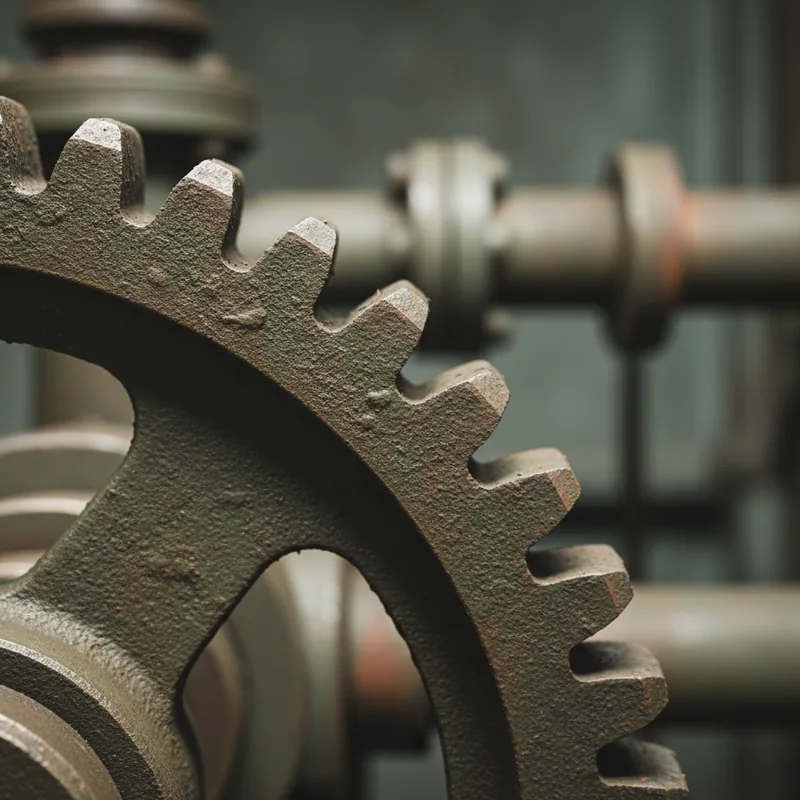
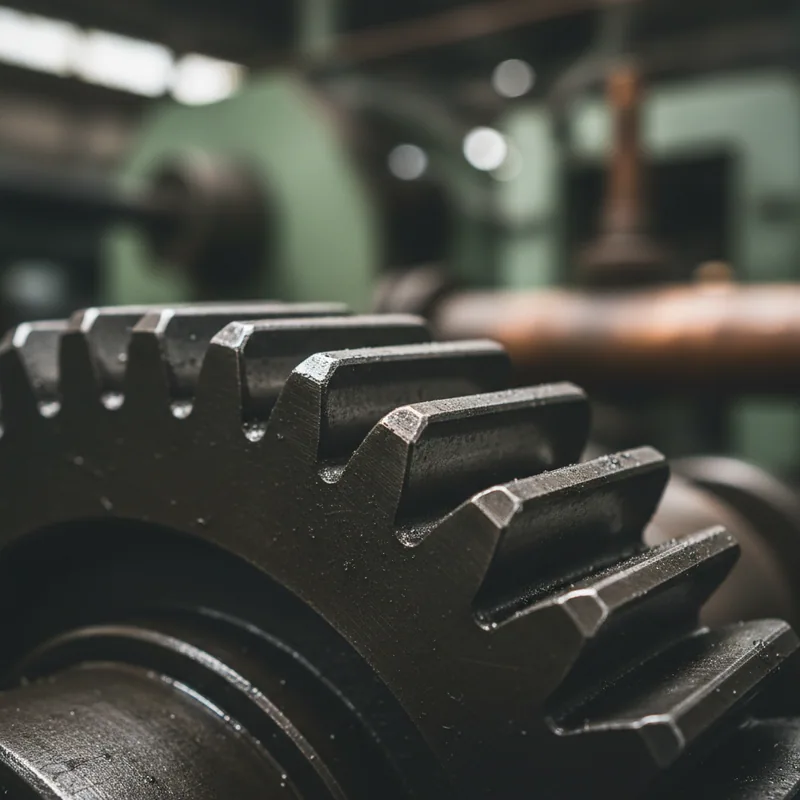
The voltage at the seating position settles whether YJ03 is available to your machine before any measurement does
Reduced stroke, existing base
Semi-Suspension on an Existing Rail
YY01 works with a reduced stroke, sits on rails, carries fine backrest angle adjustment and has a safety switch built in. It is the model to look at in two situations, and both of them come from a measurement rather than from a preference.
The headroom came back short
A full-stroke mechanical seat would put the operator’s head into the guard at the top of the travel, while a reduced-stroke assembly still fits under it.
The position already carries rails
The replacement has to sit on what is there rather than bring its own base, so the rail centres decide the shortlist before the stroke does.
- Fine angle adjustment does more work here than elsewhere. With less stroke to absorb the input, posture through a shift is set by where the backrest sits, which is why the adjustment on this model is stepped finely.
- The built-in safety switch matters if your machine expects a presence circuit. Send a photograph of the connector on the harness end — faster to confirm from an image than from a description, and it needs confirming before sampling rather than after.
- Give us the rail centres, the width across the seating position and the headroom above the rails, and YY01 is answered on the same 48-hour clock as the rest of the range.
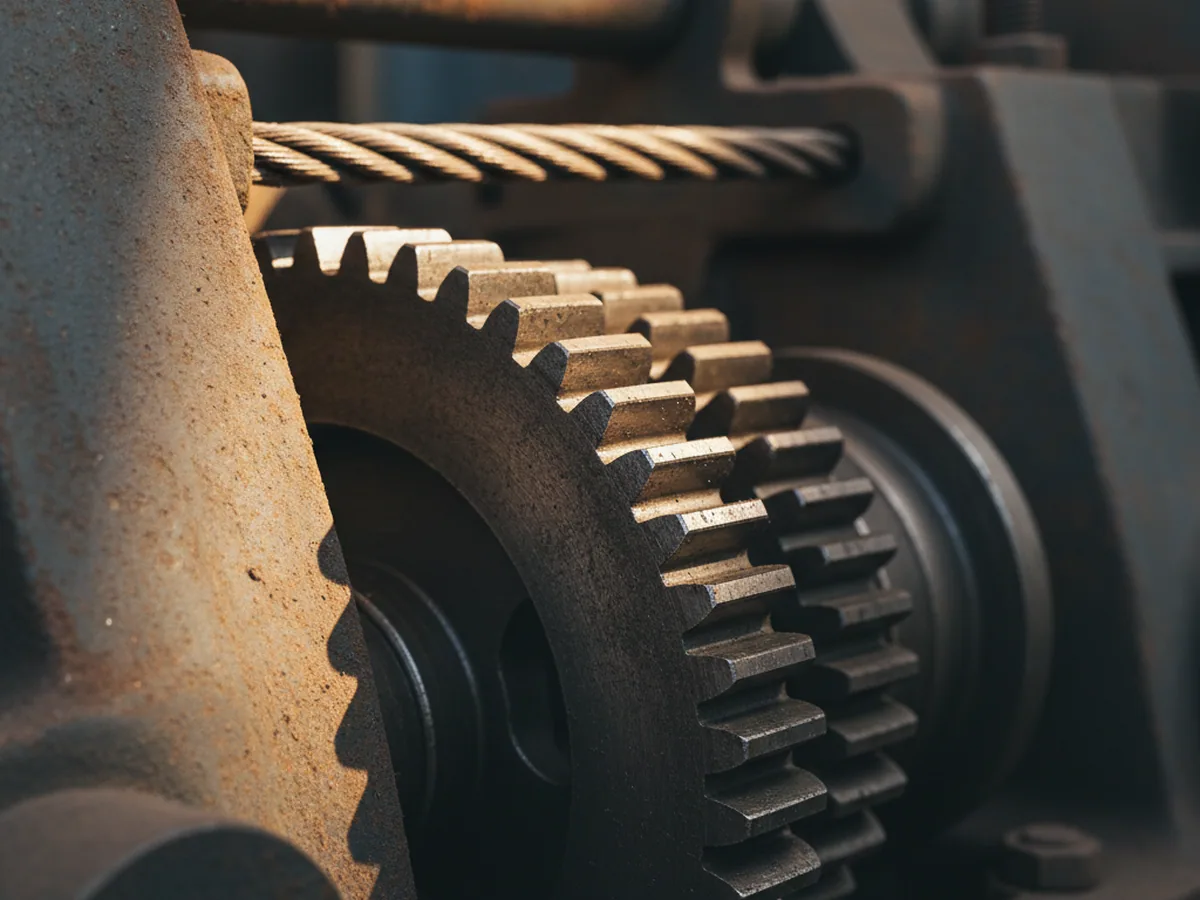
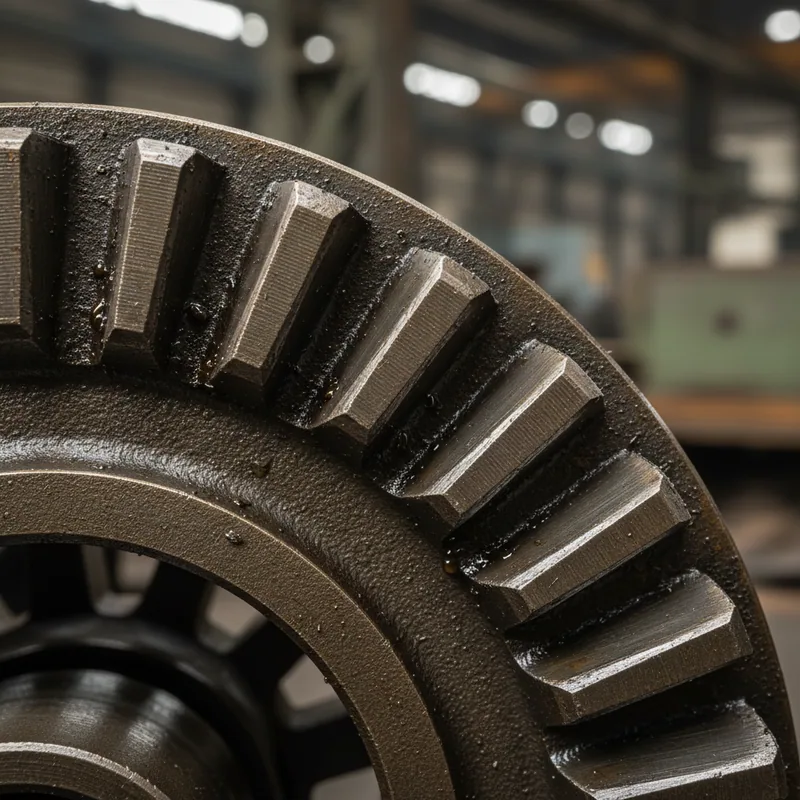
All four readable off your own machine
Four Inputs Into Suspension Seat Selection
Four things narrow the range to a designation. None of them needs a drawing, a part number or a call to the machine builder.
The surface the machine works
A hard, level floor points at the mechanical family. Broken ground, field work and road transport with a trailer bring the air route into scope, subject to the supply.
The hours the operator stays seated
Short cycles with the operator in and out of the cab, against long continuous stretches in the seat. This separates a machine that would use an air seat from one that would only carry it.

The operator weight spread
The lightest and heaviest person who will use the machine, read against the 40 to 120 kg and 50 to 130 kg bands rather than against an average.
The headroom and the supply voltage
The first rules travel figures in or out. The second decides whether YJ03 is available at all, and it settles before any measurement does.

Five duty cycles, five designations
Duty Cycles Worked Through to Models
Worked through, the four inputs land somewhere specific. Each line below is a real combination of surface, hours, weight spread and clearance, and the designation it arrives at.
- Warehouse forklift, short cycles, operators across the lighter band, limited clearance under the overhead guard
- YY53or KL01
- Compact machine with rails already at the seating position and short headroom above them
- YY01semi-suspension
- Heavy machinery worked in long shifts where the operator asks for head support
- KL02high back
- Compact cab where the seat has to fold out of the way and the specification calls for height adjustment
- YS2-880 mm travel
- Tractor at transport speed or in long draft shifts with 24 V at the seat
- YJ03air, 24 V
Where the choice is between YY53 at 48 mm and KL01 at 50 mm with 165 mm of fore-and-aft adjustment, what the clearance leaves decides it, and after that whether the operator wants the raised back.
Where those four inputs land outside what the published range covers, the route is an OEM programme rather than a catalogue substitution; tooling ownership, drawing custody and the programme steps are at custom OEM seat manufacturing.

Built and tested on the same floor
Every Suspension Assembly Bench Tested
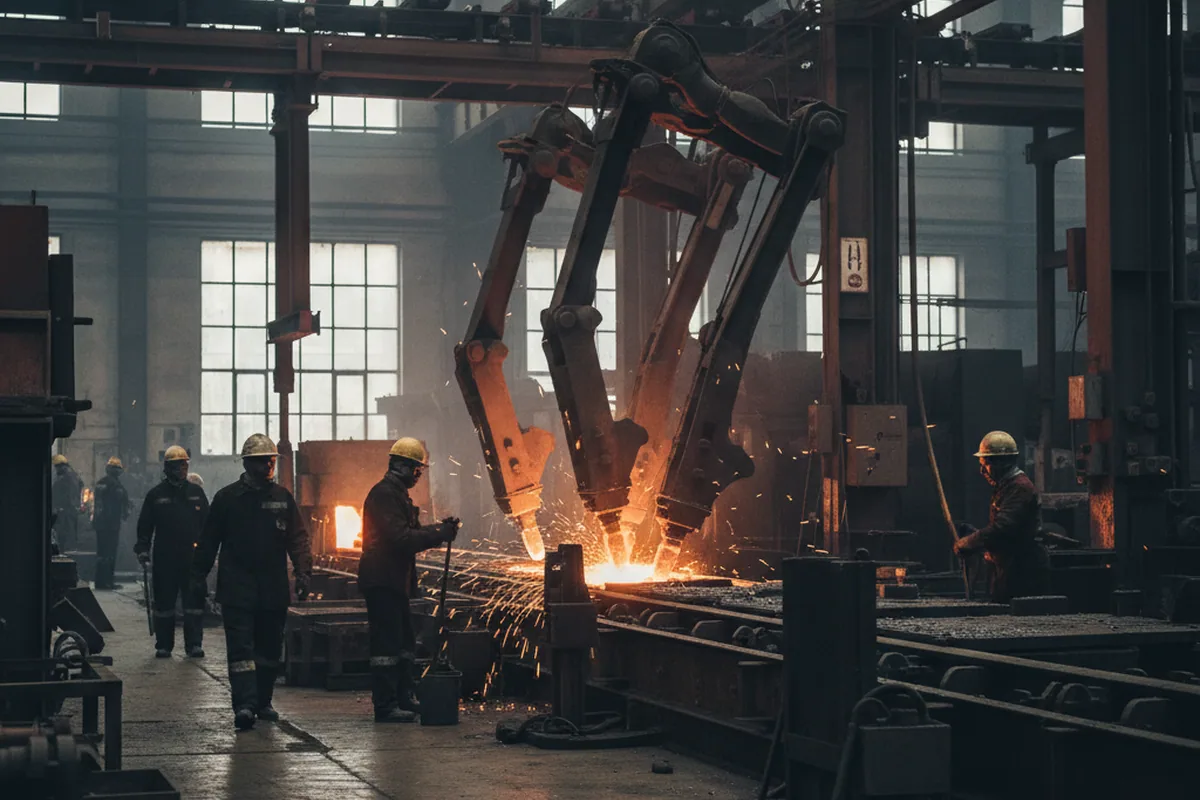
Complete suspension assemblies go on the shock absorber fatigue bench in the state they will ship — frame, spring pack and damper together — because the failures that matter start at the interfaces between them. A failed set holds the batch until a retest passes.
- Pass criteria for the fatigue bench are set out at test bench, and the whole centre station by station at seat quality testing.
- Frames and brackets, coated parts included, run neutral salt spray to ISO 9227 for 48 hours with no red rust as the pass.
- Quality management is certified to ISO 9001:2015, the range carries CE, and every seat carries a 12-month warranty.
- During qualification we send photographs of the fourteen machines one by one, and you are welcome to book an audit and walk the test centre.

Nine designations, one row each
Suspension Seat Selection by Machine Family
| Model | Suspension | Operator weight | Suspension travel | Machine family |
|---|---|---|---|---|
| KL01 | Mechanical, low back | 50–130 kg | 50 mm | Forklift |
| KL11 | Mechanical, low back | 50–130 kg | — | Forklift |
| YY03 | Mechanical | 40–120 kg | — | Forklift |
| YY53 | Mechanical | 40–120 kg | 48 mm | Forklift |
| KL02 | Mechanical, high back | — | — | Construction machinery |
| YS2-8 | Mechanical | 50–130 kg | 80 mm | Construction machinery |
| YJ03 | Air, 24 V | 50–130 kg | — | Agricultural |
| YY01 | Semi-suspension | — | — | — |
| YQ40 | Mechanical | — | — | — |
YQ40 is published with its dimensions instead
570 × 480 × 1160 mm overall, a 630 × 480 mm backrest, seat height 270 to 335 mm, width 485 mm and depth 470 mm. Those are the figures to check first where the seating position is dimensionally tight.
KL03 and YY08 are the other two models in the agricultural range, and YY70 is the lawn mower model; their data is answered against your measurements.
The part ordered most often on its own

Suspension Units as Spare Parts
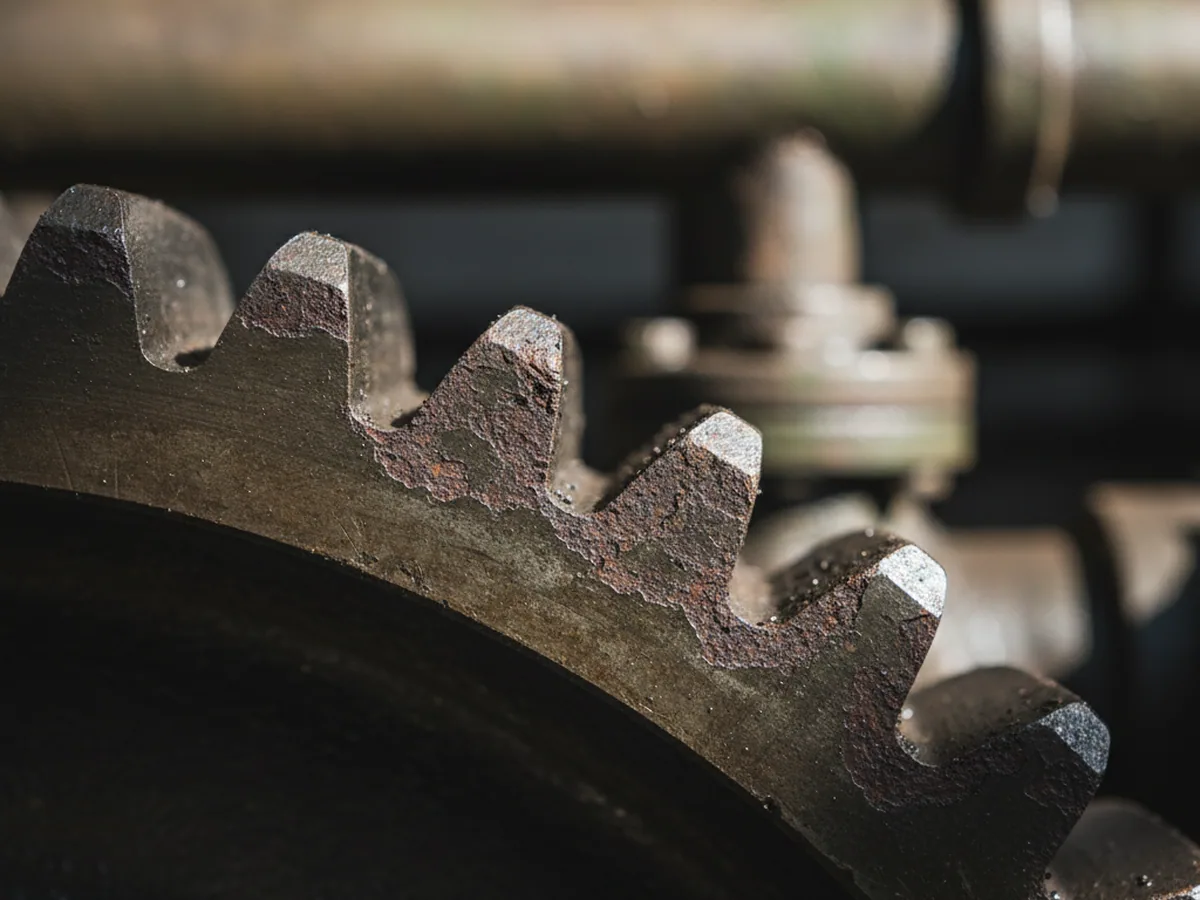
The suspension assembly is usually the first thing on a seat to go while the frame is still straight and the cover still serviceable, and it degrades without looking any different. A unit ordered as a spare is the same assembly fitted on our own line, off the same stamping and welding operations, so a distributor stocking seats and units together holds one set of tolerances rather than two suppliers’ readings of the same dimension.
To match a unit to a seat already in service
- The model designation, if it is still legible on the frame.
- Photographs of the mounting points and of the weight adjuster.
- The travel and weight band marked on the unit, where it carries them.
Part numbers and part-level lead times are at seat spare parts.
Copy this into your first email
Eleven Lines for Your Enquiry
Send these together and suspension seat selection can be closed in one round instead of four.
- Machine make and model, and the seat fitted today if there is one
- The surface the machine works: level floor, broken ground, field, or a mix with road transport
- Hours the operator stays seated in a shift, and whether the machine is shared across shifts
- Lightest and heaviest operator who will use the machine
- Headroom from the mounting surface to the lowest point above the seating position
- Whether the current seat was in place when you took that figure
- What the seat bolts to: a flat plate, a fabricated pedestal, or a base with rails
- Bolt spacing centre to centre, front to back and side to side, and the condition of the holes
- Supply voltage at the seating position, and whether it is ignition-live or permanent
- Presence switch or pressure sensor, with the connector type or a photograph of it
- Height setting your operators will work at, plus quantity and the date you need delivery
Two clocks
First reply within 24 business hours. Fitment answer within 48 hours of the measurements arriving, naming what goes on, what does not, and the figure that decided it.
Where this leads next
Related Pages on This Site

Seat fitment compatibility
Measuring and matching across every machine family.
Excavator seats
KL02 and YS2-8 on excavators, and the slew duty behind that choice.
Tractor seats
Bolt pattern and supply on tractors, YJ03 included.
Seat quality testing
The test centre bench by bench, station by station.
Seat spare parts
What is available separately, part number by part number.
Custom OEM seat manufacturing
The programme route when the catalogue does not reach.
Four readings and a bolt spacing
Send Your Duty Cycle and Headroom
Send the surface, the seated hours, the operator weight spread, the headroom above the mounting surface and the supply voltage at the seating position, with your machine model and quantity, to sales@klseats.com or through the form.
The reply names the suspension seat that fits your machine and the ones that do not, so suspension seat selection closes on your measurements rather than on a catalogue guess.
First reply
Within 24 business hours.
Fitment answer
Within 48 hours of your measurements.
Samples
One piece, seven days.
Plant audit
By appointment, test centre walked.