Group 01
Contact surfaces
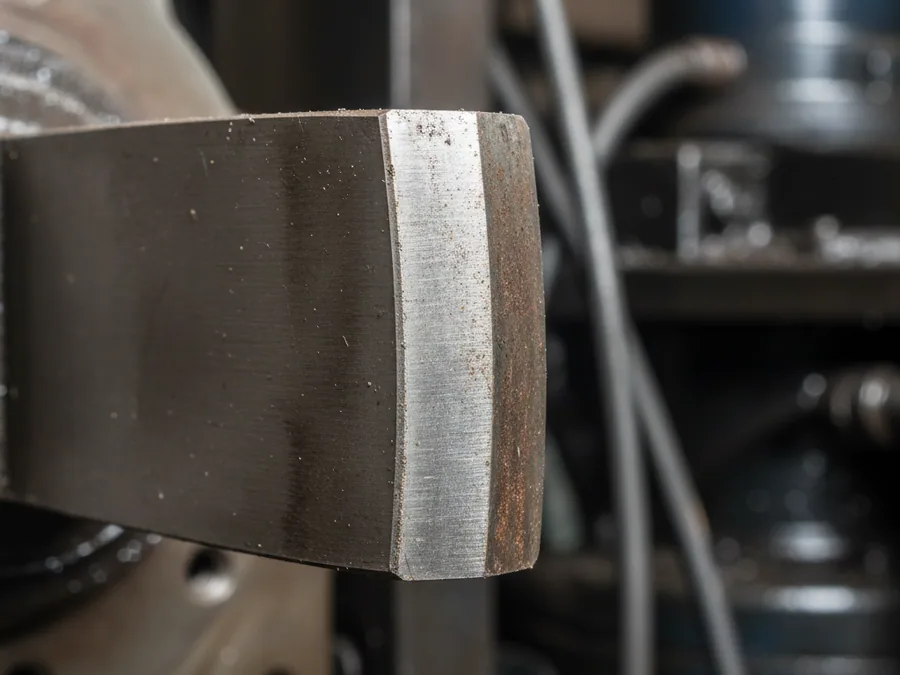
Replaced on a schedule the work sets rather than on a fault. The cover reaches the end of its life while everything under it is still sound.
- Seat covers · Lawn mower covers · Armrests
Nine families, off our own seats
Covers, armrests, belts, rail slides, presence switches and suspension assemblies — the same items fitted at assembly.
20 pcsMinimum per stock part number, and a single piece goes out as a sample
What comes off the line
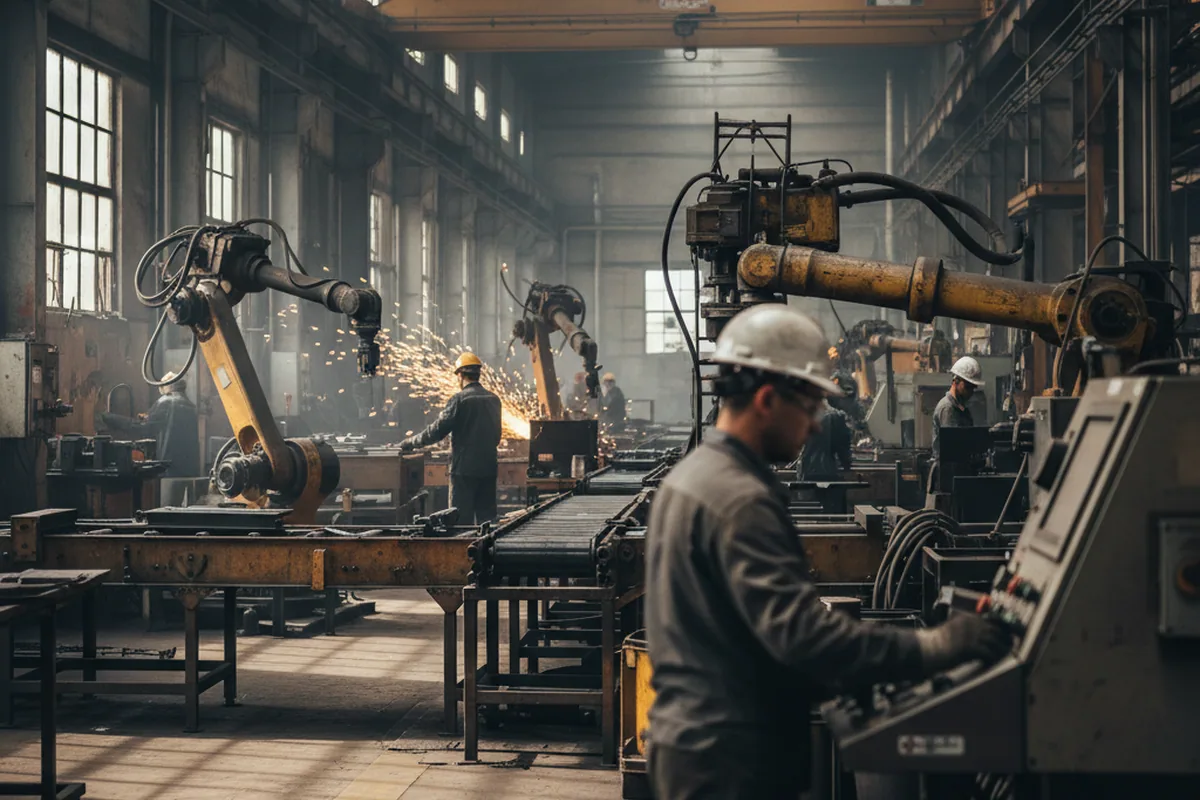
Every part on this page comes off a seat we build.
Seat covers, armrests, seat belts, rail slides, suspension assemblies, pressure sensors and micro switches, swivel rotary consoles, lawn mower covers and spindle mandrel assemblies are the same items that go onto KL01, KL11, YY03 and YY53 forklift seats, KL02 and YS2-8 construction seats, KL03, YJ03 and YY08 agricultural seats and the YY70 mower seat, at the moment those seats are assembled. Ordering seat spare parts here is ordering the production item, not a look-alike matched out of a catalogue photograph.
One line covers the whole seat, so a counter already stocking our covers adds belts, slides and suspension assemblies without opening a second account.
| Part family | Forklift seats | Construction seats | Agricultural seats | Mower seats | Send with the order |
|---|---|---|---|---|---|
| Seat covers | KL01 · KL11 · YY03 · YY53 | KL02 · YS2-8 | KL03 · YJ03 · YY08 | YY70 | Seat model, cover material and colour, quantity |
| Armrests | KL01 · KL11 | YS2-8 | Matched at the seat model | Matched at the seat model | Seat model, and which side has failed |
| Lawn mower covers | — | — | — | YY70 | Seat model and cover material |
| Seat belts | KL11 | YS2-8 (retractable) | Matched at the seat model | Matched at the seat model | Retractable or static, and where the anchors sit |
| Pressure sensors and micro switches | KL01 · KL11 | Matched at the seat model | Matched at the seat model | Matched at the seat model | Photograph of the connector on the machine loom |
| Rail slides | KL01 (165 mm) · YY01 | YS2-8 (150 mm) | Matched at the seat model | Matched at the seat model | Photograph of the mounting face, seat lifted off |
| Swivel rotary consoles | Matched at the seat model | Matched at the seat model | Matched at the seat model | Matched at the seat model | Seat model, photograph of the existing mounting |
| Suspension assemblies | KL01 (50 mm) · YY53 (48 mm) | YS2-8 (80 mm) | YJ03 (air, 24 V) | Matched at the seat model | Seat model, weight range, photograph of the old unit |
| Spindle mandrel assemblies | — | — | — | YY70 line | Platform, photograph of the item that came off |
Parts run on their own minimums rather than on the seat minimums, so a stocking line can start at one part number.
Seats and replacement seat parts on the same enquiry are quoted together and shipped on the same paperwork.
How the nine divide
The nine divide four ways, by how they are bought rather than by what they are made of.
Replaced on a schedule the work sets rather than on a fault. The cover reaches the end of its life while everything under it is still sound.
Fitted new and never repaired in place. Nothing inside a retractor or a sealed switch is intended to be opened in the field.
Work against the mounting face and against where the operator has to face. Both are decided by what is already on the machine.
Supplied complete and matched to a seat model. The highest-value items in the range and the most tightly matched.
Contact surfaces
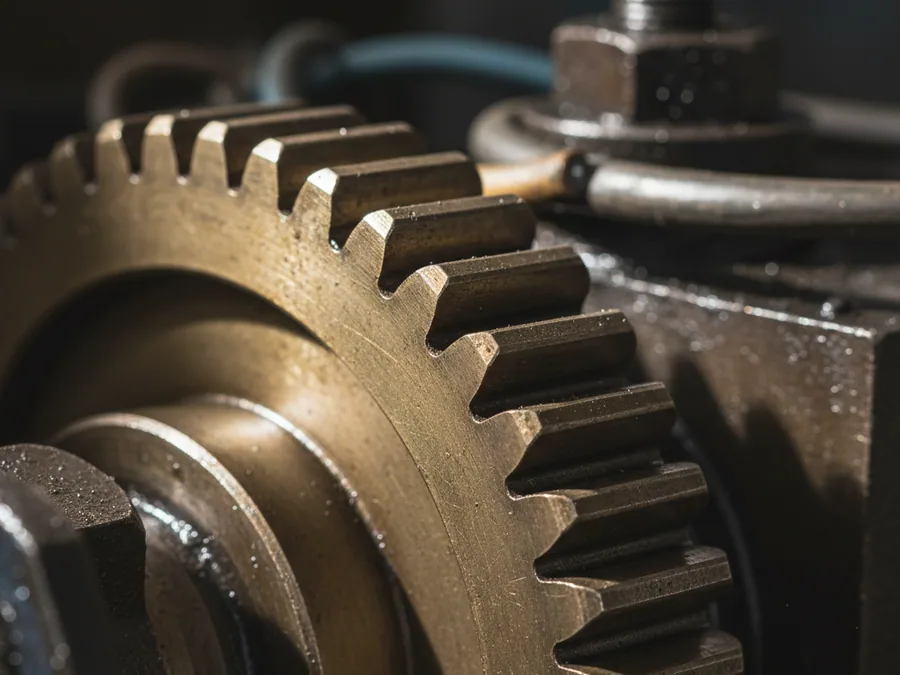
Seat covers are the item most parts counters open an account for.
PVC is the standard cover across the range. It wipes down after a shift of dust and wet boots, and it is what goes on KL11 as a hard-wearing waterproof black cover, on YY03 over high-density foam, on YY53 and on YS2-8. Fabric is available where the cab stays enclosed, and that choice is worth making per machine model rather than across a whole order.
A cover is ordered against the seat model, because cushion and backrest shapes differ across the range.
A cover cut for one model does not sit correctly on another. Lawn mower covers are their own family because the YY70 is exposed to grass, rain and sun for its whole life. Armrests come off the same models: KL01 and KL11 carry flip-up armrests and YS2-8 adjustable ones, with the pivot on that model's backrest frame.
Seat model, cover material and colour, quantity. Nothing else is needed here.
Both can be changed on volume orders through the OEM and private label programme.
The label on the seat decides the part. The plate on the machine does not.
Safety and interlock
These are the parts that stop a machine working rather than making it uncomfortable.
Pressure sensors and micro switches are the operator presence circuit. When it goes dead the machine reads an empty seat and holds whatever it is interlocked to, and the workshop traces a machine standing still back to a component the size of a thumb.
Tell us whether the seat runs a retractable belt or a static one, and whether the anchor points are on the seat or on the machine.
Fitted items with no serviceable interior. A retractor and a sealed switch are replaced, not opened on the bench.
This is the one family where a photograph of the plug on the loom is worth more than the machine model. The connector decides which switch goes in the box, and it has to reach us before a sample is built.
Mounting and working position
Rail slides come to us as a parts order for two different reasons.
The first is wear: a slide that has taken grit for several seasons goes stiff, then jumps in its detents, then stops locking where the operator leaves it. The second is fitment: some machines carry rails on the mounting base already, and the seat is expected to sit on those rather than bring its own.
For operators who spend part of the day turned towards an implement instead of facing forward. The console turns with the seat, so the controls stay where the operator's hand expects them at the angle the work is done at.
Stiff, jumping detents, or no longer locking. Replaced as a pair against the seat model.
The machine carries its own rails, so the seat sits on them rather than bringing slides.
Used as a step or a handhold until the rotary mechanism no longer holds an angle.
A machine being given a working position it did not originally have.
Assembly level
A suspension assembly leaves here as one unit.
Frame, spring pack, damper and the weight adjustment mechanism, in the state it ships in under a finished seat. It is built against a seat model rather than against a machine: the scissor pivots and the upper mounting points are cut into that model's frame, so the assembly and the frame it goes back onto have to be the same model.
Stamping and welding sit in the same building as the assembly line, so the assembly ordered in the third year comes off the same tooling as the one that went out under the seat in the first.
An assembly built for another model will not sit square, however good the assembly is.
Weight adjustment is set at build. A driver outside that band rides on the end stops rather than on the spring.
A hole pulled oval by years of vibration will not hold a new assembly square, and that is the check that most often turns a part order into a seat order.
Travel decides the headroom left above the operator once the machine is closed up. Figures for the other models are confirmed against your seat model when you ask.
That photograph shows the state of the scissor pivots and whether the upper mounting points have moved — the difference between an assembly that drops in and one that has to be forced square.
Assemblies are tested as shipped on the fatigue bench in our own test centre. A batch that fails there is held whole and traced back to the welding station or the damper lot behind it, and it stays held until a retest passes.
Supplied on the same principle: complete, matched to the platform they were built for. Bearings, shaft and housing are set against each other at build, so an assembly ordered whole arrives already in that relationship. Send the platform and a photograph of the item that came off.
Two photographs settle it: the seat label, and the mounting face with the seat lifted off.
How a part is matched
A part is matched to the seat, not to the machine underneath it.
Two machines carrying the same make and model plate can leave their factory with two different seats on them, and the part follows the seat that is actually bolted down. The machine make and model is useful context and worth sending, but it is not what the part is held against.
On the seat frame, close enough to read the model designation.
With the old one out of the machine rather than still in place.
Seat lifted off, which shows rails and the state of the holes.
Which of our models that part fits and which it does not. If the seat on the machine is not one of ours, that answer comes too, rather than a part that turns up and does not go on.
That test tells you whether the person quoting you is matching at the seat or guessing at the machine.
Which order to place
A component order is the right call while the structure under it is sound.
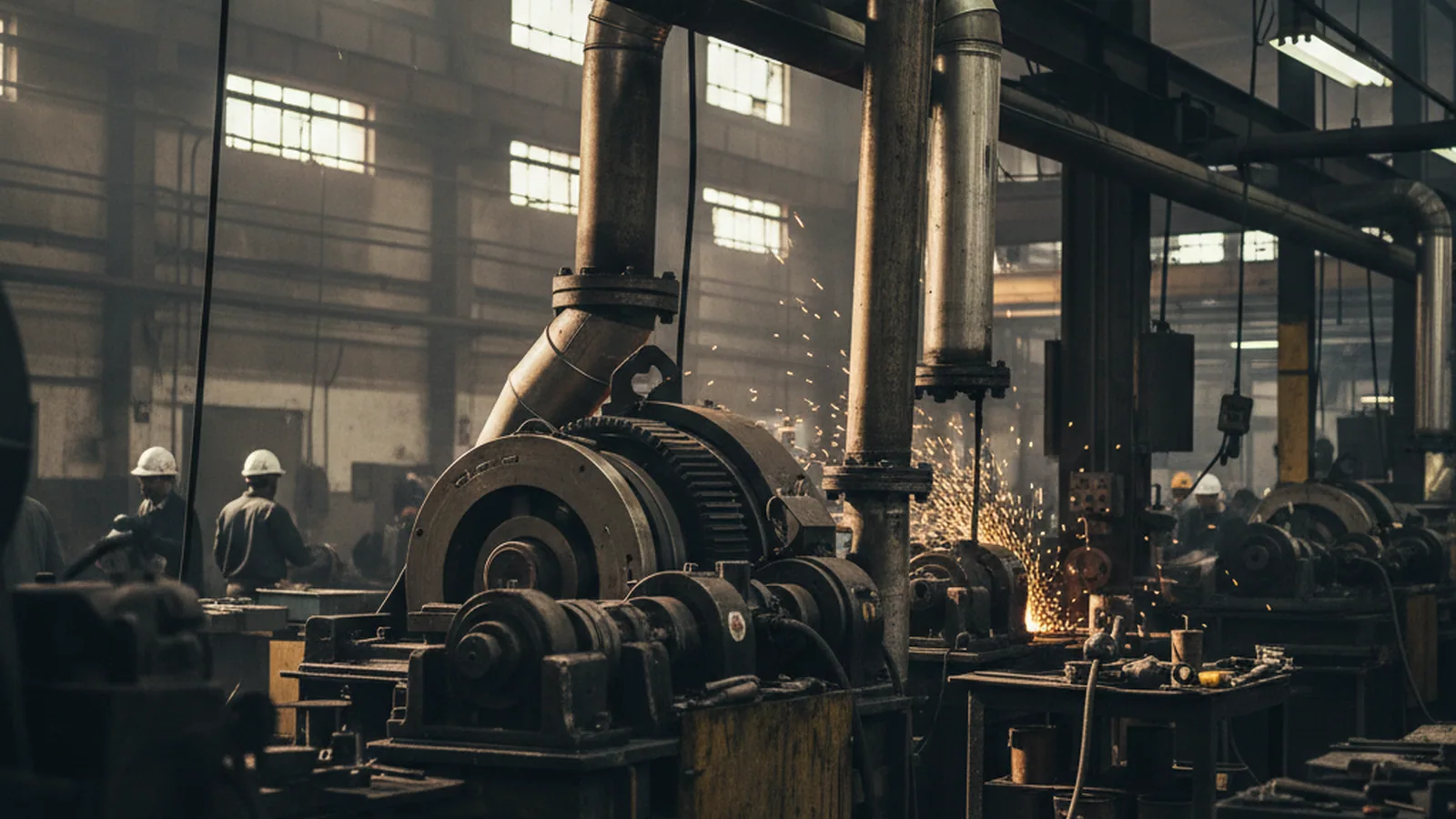 Structure sound — order the part
Structure spent — order the seat
Structure sound — order the part
Structure spent — order the seat
Same bench, same angle. The difference is the frame, and the frame decides the order.
Nothing new will hold square on them, whatever is bolted through.
Bent by a roll or by something falling into the cab, so every other component sits against the wrong geometry.
Foam collapsed across the whole cushion, or corrosion through the pan leaving nothing for fasteners to bite into.
Photograph the frame and the mounting points while the machine is open, send them with the seat label, and back comes which of the two orders makes sense.
The four ranges the parts come off are set out on their own pages.
Stocking a mixed yard
A workshop running a mixed yard does not need every family on the shelf. Three tiers cover it, and your own service records decide which item sits in which tier rather than any figure we could give you.
The judge for all three tiers is your own record of what has come off. Pull the last two seasons of job cards, count which item names repeat and on which machines, and stock against that count.
Minimums, dates and cover
Parts are ordered on their own terms rather than on the seat minimums.
And a single piece goes out as a sample, so a workshop can confirm the fit before committing a stocking quantity.
Anything not held in stock runs with the seat line at 20 to 30 days, counted from order confirmation, because it is built on the same lines as the seats it belongs to.
The same figure as the seats carry. One warranty across the range rather than a shorter one for components.
Say whether the quantity is for a shelf or for a machine that is down, because that decides which of the two routes we quote against.
What travels with a parts order
Parts are checked under the same system as the seats they belong to.
Frames and brackets go through the same neutral salt spray at 48 hours with no red rust as the seats they come off, described in full at seat quality testing. The fourteen machines in our test centre are the ones used on finished seats, and photographs of them travel with a qualification package.
One email, one round
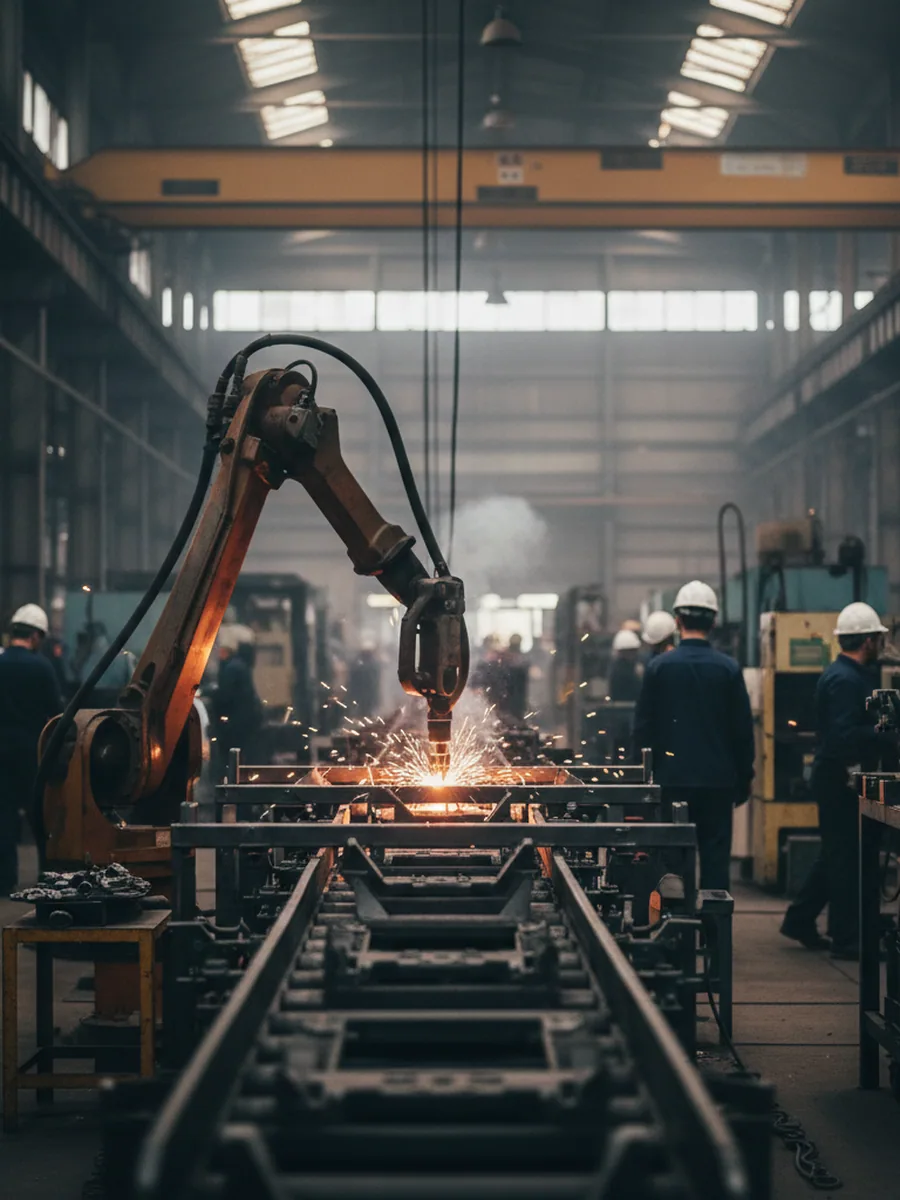
Three decide whether an item fits at all, two decide the quantity and the date, two decide the packing and what follows. In one email, the reply comes back complete.
Nothing on that list needs a part number. It is a seat label, three photographs and a quantity.
Where to go next
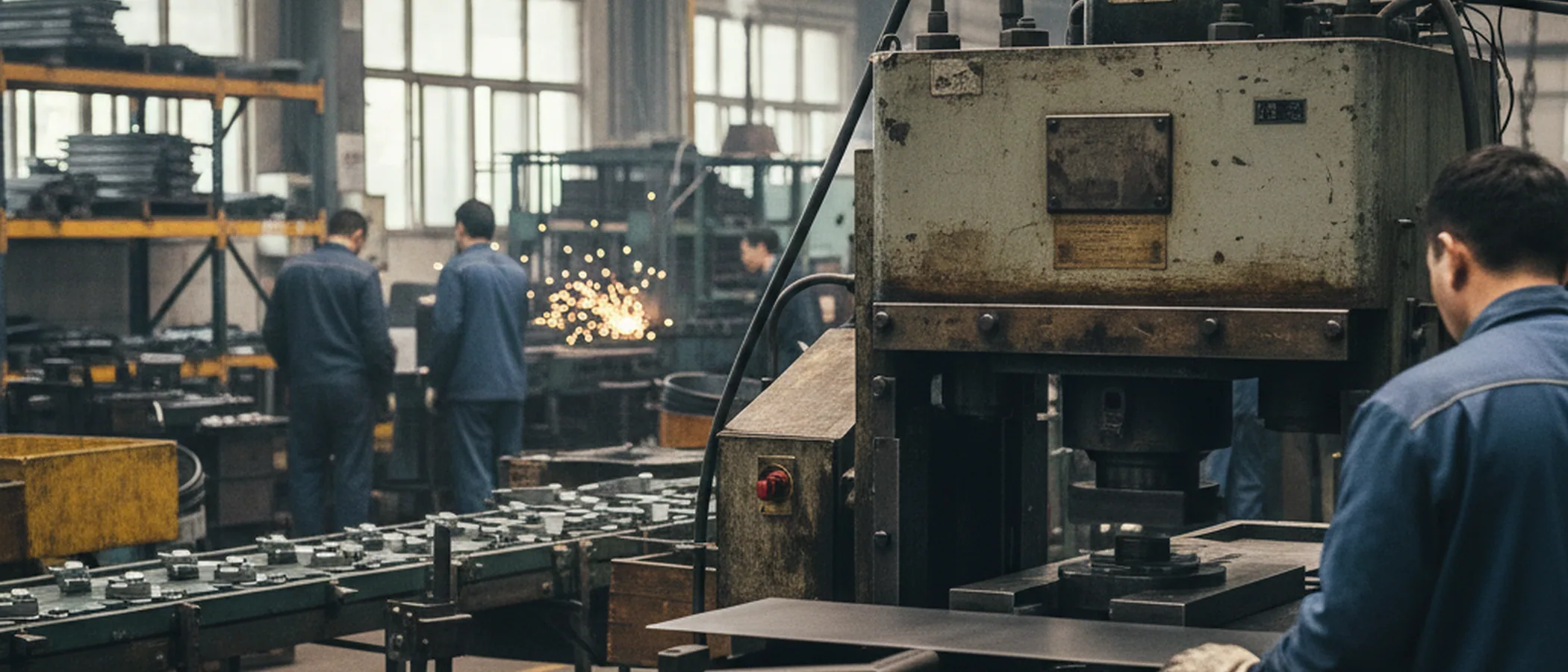
The four measurements, and the 48-hour answer on which models fit.
KL01, KL11, YY03 and YY53.
KL02 and YS2-8, folding backrest and retractable belt.
KL03, YJ03 and YY08.
The YY70 deck seat and its covers.
Marked components, and the four layers a change lands on.
Photograph it while the machine is open
Photograph the seat label and the damaged part while the machine is still open, and send both to sales@klseats.com or through the form. Stocking enquiries covering several families at once are welcome in the same email.
Within 24 business hours, in seat models.
Within 48 hours of your photographs and measurements.
Shipped in 7 days, from 20 pieces per part number.
20 to 30 days, counted from order confirmation.