Seat mounting pattern and fitment check
Seat Mounting Pattern Compatibility, Judged From the Plate You Already Have
Forklifts, construction plant, tractors and harvesters, ride-on mowers. Not road vehicles, not stand-on trucks.
Send four measurements off your seat plate — both axes, the diagonal, the hole form — and the face they were taken from. Within 48 hours you get which of our seat models bolt onto that machine, which do not, and the dimension that ruled each one out.
A tape and a phone are enough. What decides whether a seat mounting pattern means anything is the face each figure was taken from: the same plate, measured by two competent people, gives two different answers, and neither of them was careless.
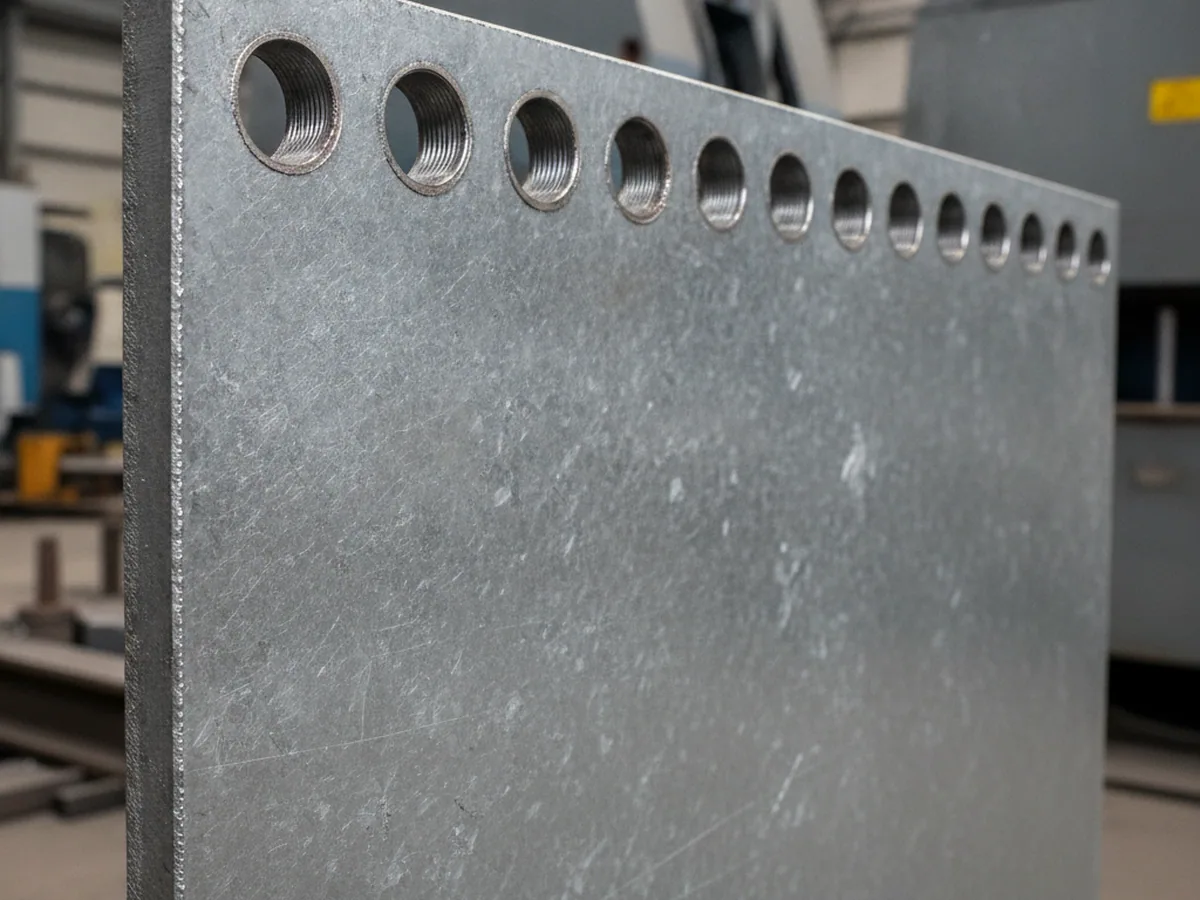
- What you already have
- A machine, a plate with holes in it, and a phone.
- What is usually missing
- The face each figure was taken from.
- What comes back
- Which models fit, which do not, and why — within 48 hours.
What the pattern is judged against
Seat Mounting Pattern Check: Ten Models, Four Families
Every fitment reply is one of these ten models judged against your plate. Suspension type, operator weight band and travel are shown where published; a dash means not published for that model.
| Machine family | Model | Suspension | Operator weight | Travel | Page |
|---|---|---|---|---|---|
| Lift truck | KL01 | Mechanical, low back | 50–130 kg | 50 mm | Forklift seats |
| Lift truck | KL11 | Mechanical, low back | 50–130 kg | — | |
| Lift truck | YY03 | Mechanical | 40–120 kg | — | |
| Lift truck | YY53 | Mechanical | 40–120 kg | 48 mm | |
| Excavator, loader, dozer, roller | KL02 | Mechanical, high back | — | — | Construction machinery seats |
| Excavator, loader, dozer, roller | YS2-8 | Mechanical, forward fold | 50–130 kg | 80 mm | |
| Tractor, harvester, sprayer | KL03 | — | — | — | Agricultural seats |
| Tractor, harvester, sprayer | YJ03 | Air, 24 V | 50–130 kg | — | |
| Tractor, harvester, sprayer | YY08 | — | — | — | |
| Ride-on mower, groundcare | YY70 | — | — | — | Lawn mower seats |
Mounting figures are answered against the plate you measure, using the record below. Outside the four families nothing here goes on, and you are told so.
What a pattern is made of
Three Properties of a Seat Mounting Pattern
A group of holes becomes a pattern only when three things are known. Two of them are almost never written down.
-
The spacing across both axes
Describes a rectangle. On its own it rules models out without ever ruling one in.
-
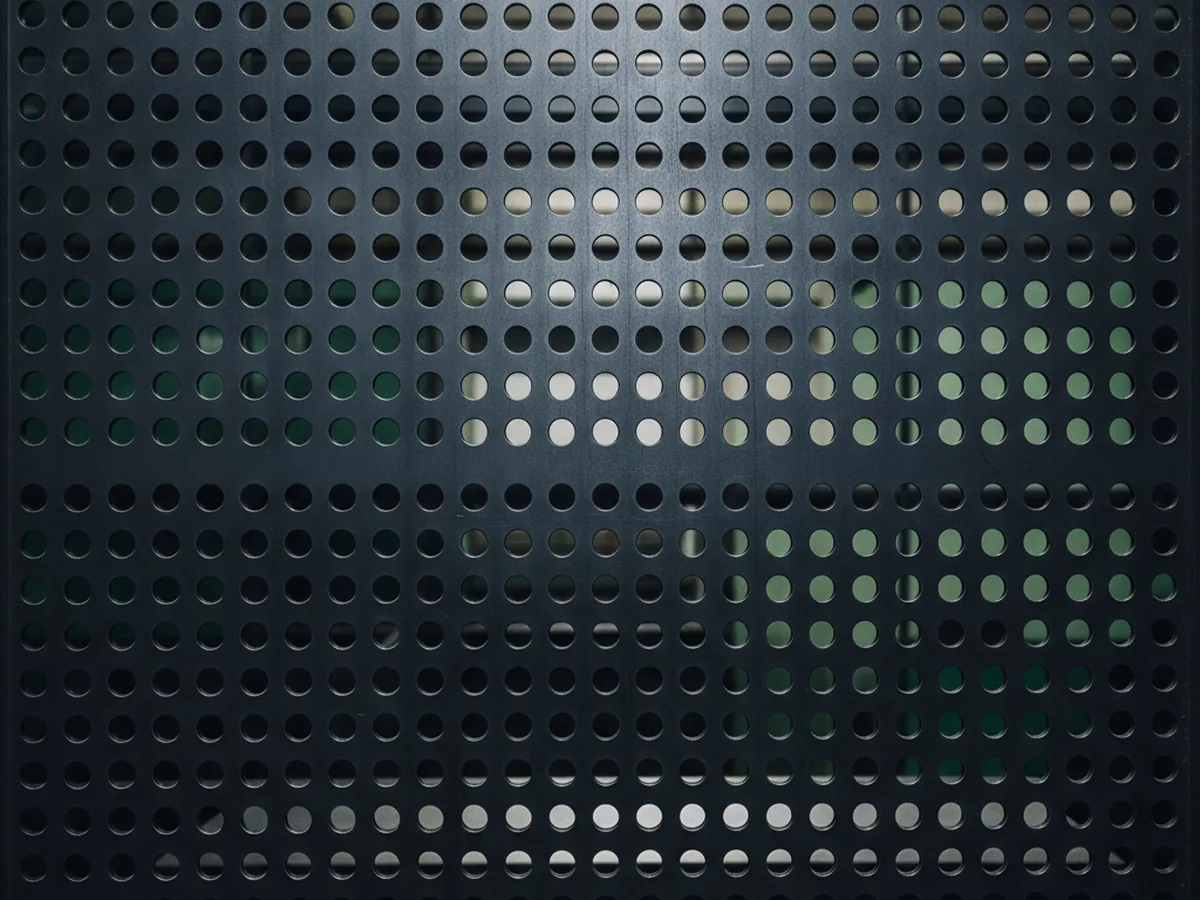
The form of each hole, and the way it runs
A slot has a long axis and points somewhere. It decides how much of your spacing figure is real.
-
What the holes are cut into
The machine's own steel, or a plate added years ago for an earlier seat. Both measure exactly the same.
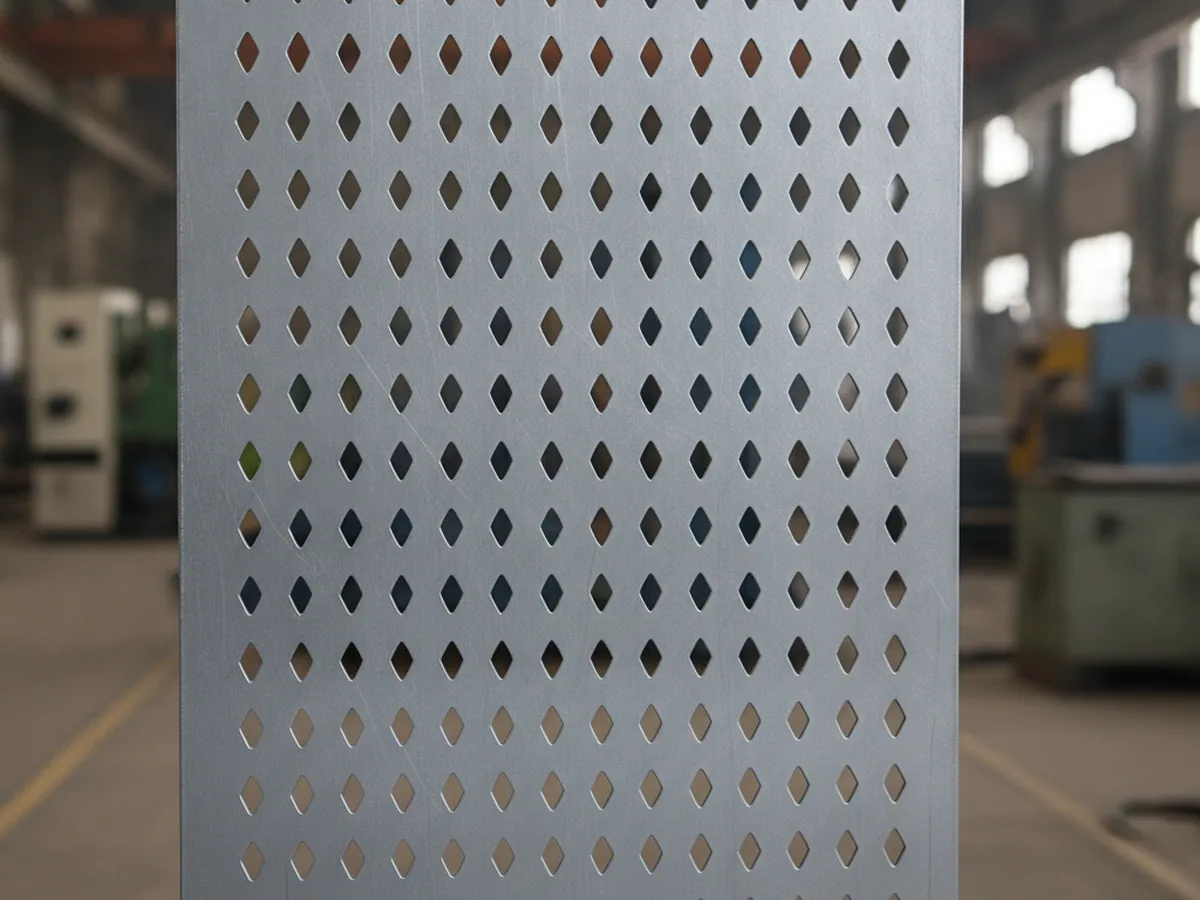
The record, line by line
Seat Mounting Pattern Record: Datum, Four Measurements, Reply
Two people can measure the same plate correctly and disagree by exactly one hole diameter. The record below closes that gap before the figures leave the workshop.
1 · The datum: where the tape starts
Centre to centre
Edge to edge
Centre to centre and edge to edge are both defensible ways to measure a pair of holes, and they differ by exactly one hole diameter. A seat is held by bolts with very little room to move inside their openings, so a discrepancy the width of a hole is not a tolerance problem — it is a different pattern, and a reply built on it stays confident right until the old seat is off the machine.
The same plate, four different places a tape can legitimately start.
- From the mounting face
- The machine's own steel, and the only face still there once the old seat is out. This is the one to use.
- From the rail top
- Describes the plate plus whatever is already bolted to it.
- From the seat pan face
- Measures the seat being replaced, not the machine that takes the next one.
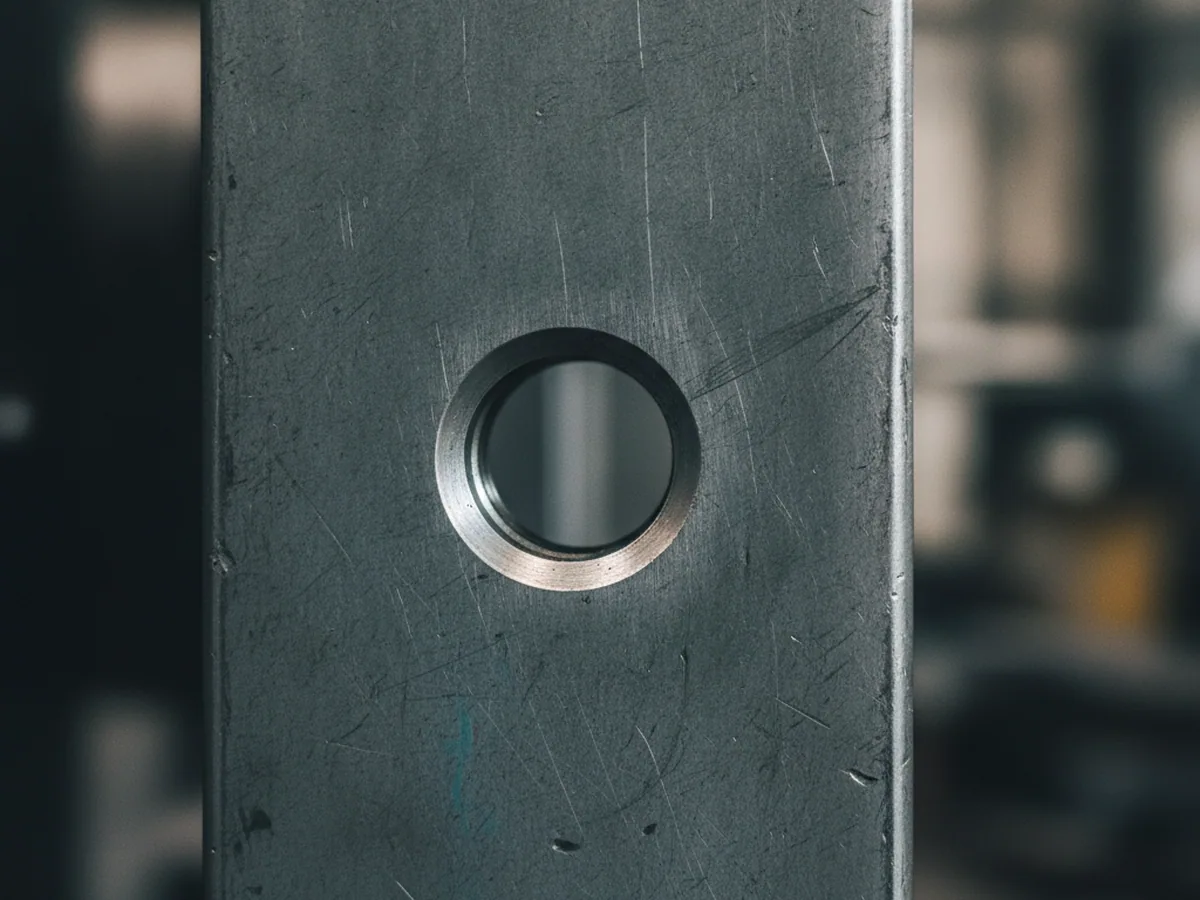
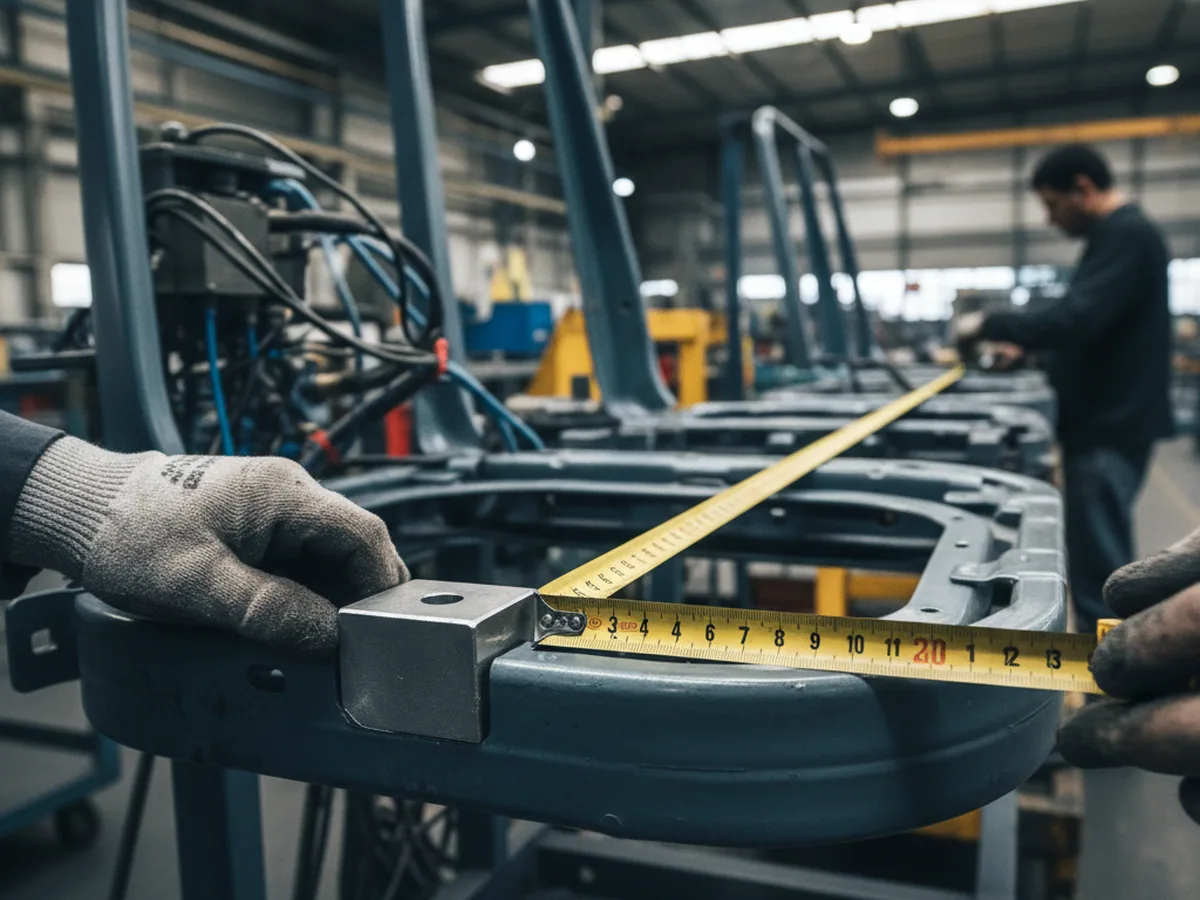
2 · Four measurements, and the check that needs nothing from us
Both axes, centre to centre, in the unit you measured in. Then one diagonal across the same four holes: three figures off one rectangle have to reconcile, and if they do not, one of them started from a different face. The fourth measurement is not a length — it is the form of each hole.
-
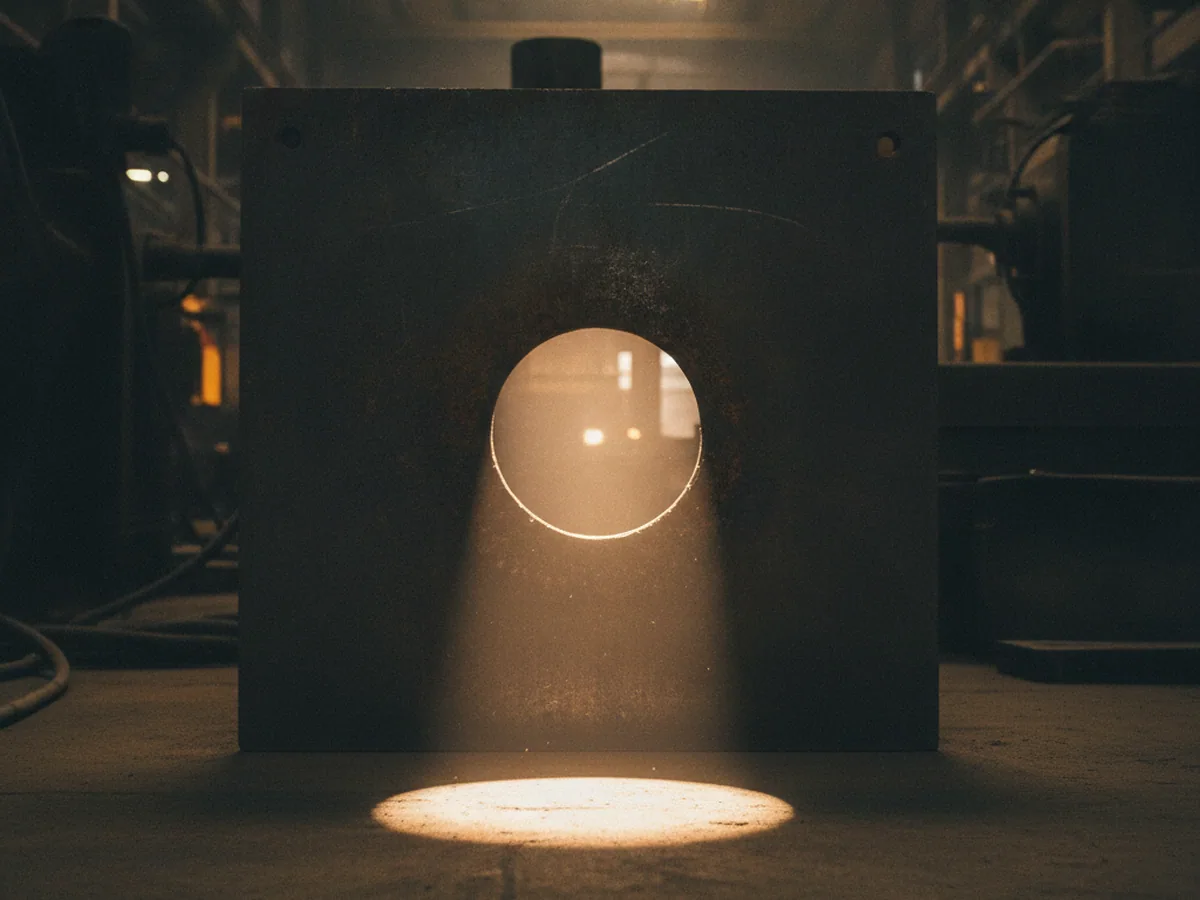
Round
The same clearance in every direction: the gap between bolt and opening, across as fore and aft. The easy case, and the one most people assume they have.
-
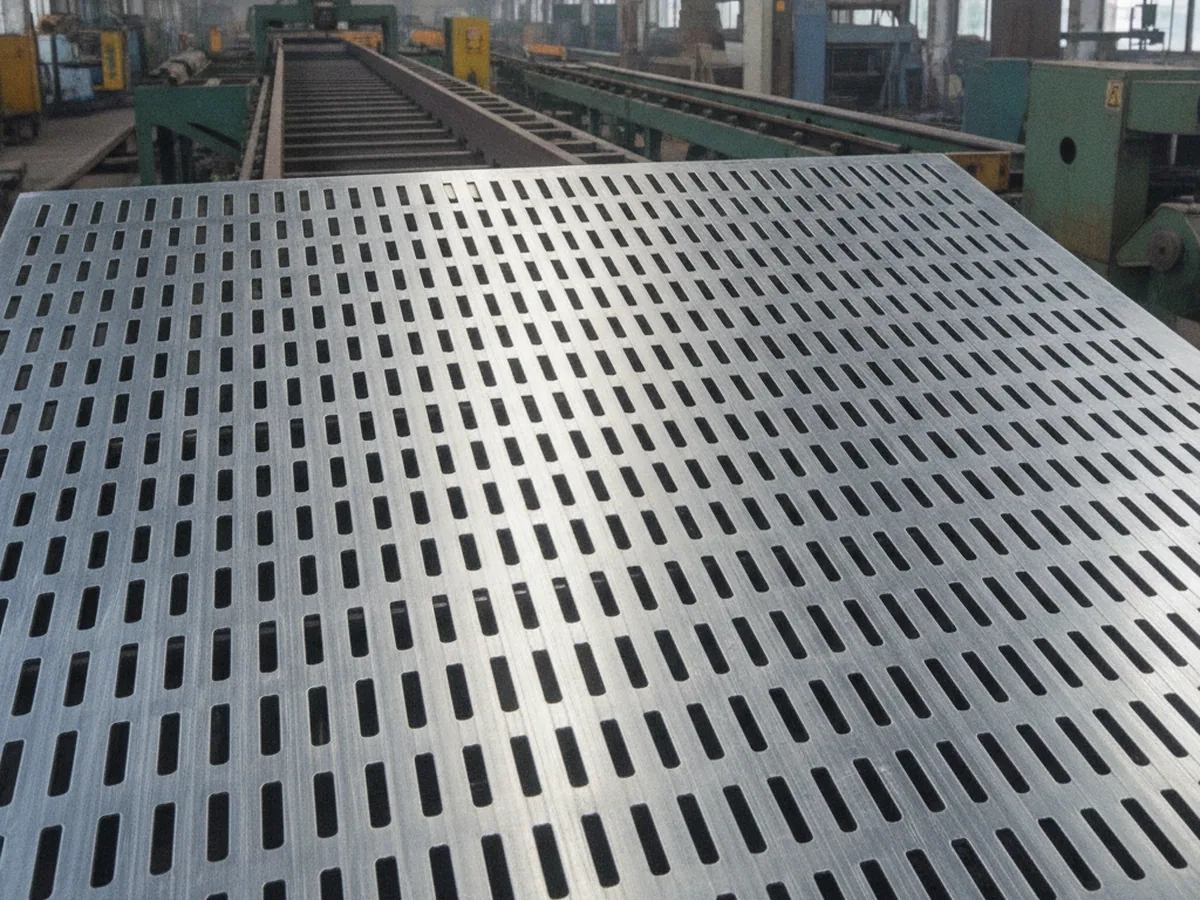
Slotted
Generous along its length, nothing across it. Along the long axis the bolt slides and a seat can be out and still go on; across it the slot is no wider than a round hole. Say which way each slot runs and the figure carries its own tolerance; send spacing alone and the tightest case has to be assumed in both directions.
-
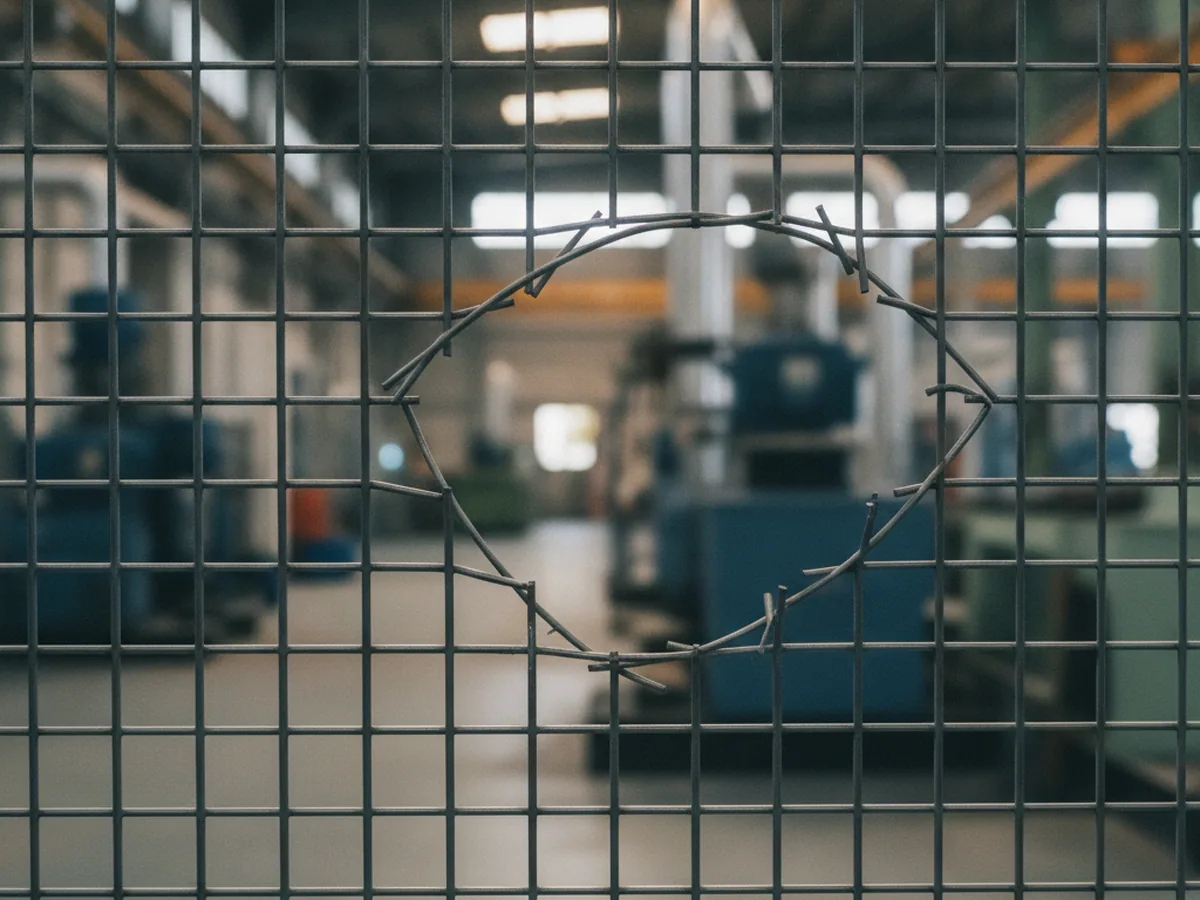
The one that used to be round
An opening drawn out into an oval was round when the machine was built. A seat that worked loose walked its fixings under load, and the plate keeps that record long after the seat responsible was thrown away. A new seat through elongated openings begins the same process on its first shift.
The tolerance a slot gives you depends entirely on the direction you need it in.
3 · The eight-line record
- Datum used
- Name the face every figure was taken from: mounting face, rail top, or seat pan face. Once, at the top.
- Spacing, front to back
- Centre to centre, in the unit you measured in. Do not convert.
- Spacing, side to side
- Same basis, same unit.
- Diagonal
- Across the same four holes. This is the line that proves the other two.
- Hole form and direction
- Round, or slotted; if slotted, which way each long axis runs.
- What the plate is
- The machine's own structure, or something added at some point. If you are unsure, say so.
- Machines measured
- How many, and which: oldest, newest, or the one that has had a seat changed.
- Anything under the seat
- Rail, switch, connector, or nothing.
A line left empty says where you are, and every one has a route out on this page. A line filled in with a guess reads exactly like a measurement.
4 · What comes back within 48 hours
One of three replies. These models go on — named, per model. These do not — with the one dimension that ruled each out. Or we need one more number — one item, named, with the reason attached. We do not publish hole spacing per model, because a figure taken from an unnamed face is worse than none; the reply is judged from your plate, not from a catalogue row.

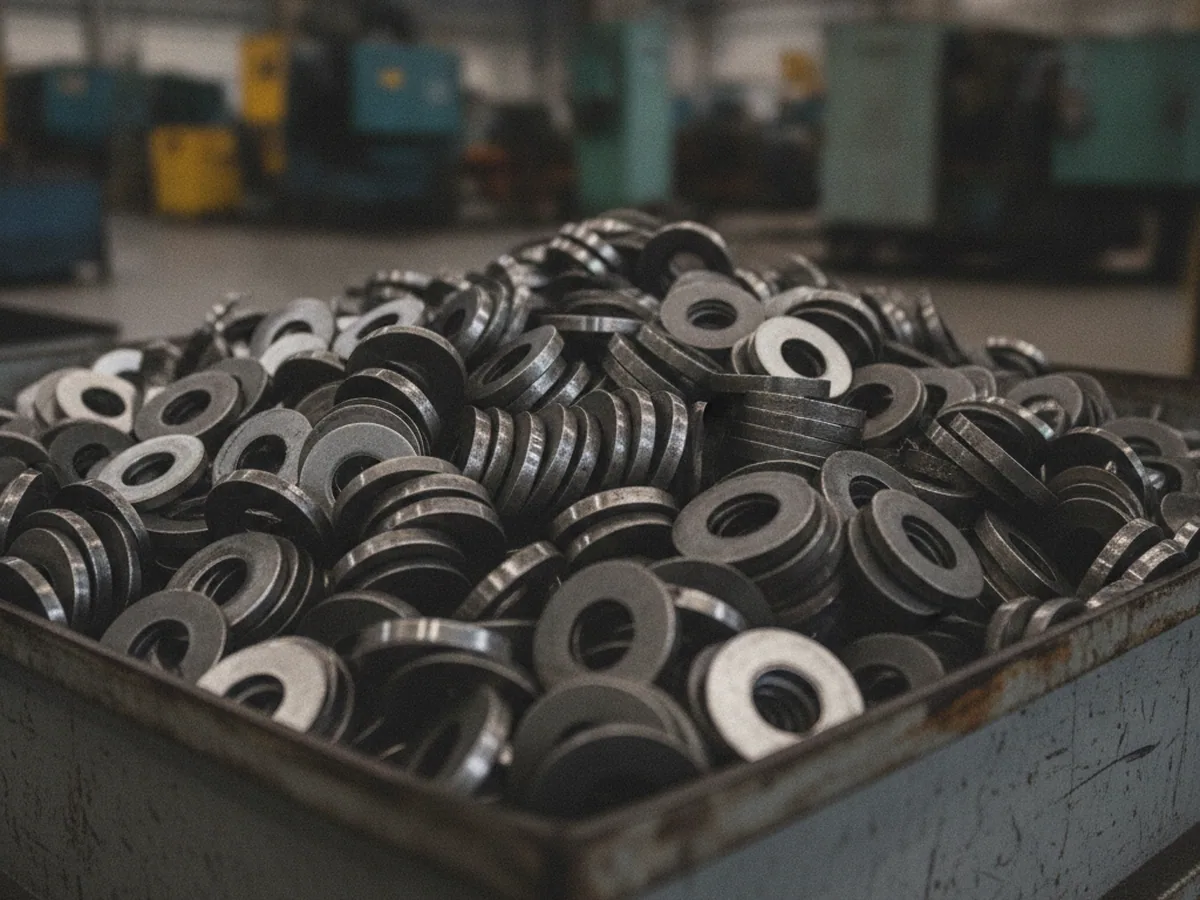
Before Anything Is Bolted To It
A pattern is geometry. It sits on the machine whether or not a seat was ever bolted to it.
One machine, or the fleet
Measuring a Mixed Fleet
A fleet of one model is not automatically a fleet of one pattern.
- 1interface — the seat plate is the only one on these machines routinely changed in the field: re-drilled, welded, or packed out so an earlier replacement would fit.
- 3machines — the oldest, the newest, and any one you know has had a seat changed before.
- 2patterns — two answers back from one model is a result rather than a failed exercise.
Three machines, chosen for what they are likely to disagree about.
Why one machine cannot speak for the batch
For example: forty machines bought as one model can arrive across three years and two channels. Each has been serviced by different people, and every seat replaced before yours was made to fit by somebody at the machine with whatever was to hand that day. None of that is written down where you can read it, and all of it lands on the seat plate.
When two answers come back
Then you have the real shape of the fleet for the cost of ten minutes, and the order splits accordingly. Buying to the pattern of whichever machine happened to be in the workshop is how forty seats arrive and six stay in their boxes. For lift trucks, start with how to identify a forklift seat mounting pattern.
How the figure is written down
Units: mm, Inches and Fractions
Four habits in how a seat mounting measurement gets written down, and what each turns into on the way to us.
How the figure travels
13 3/4 13.75- Written with no unit
- Read as millimetres, because most of what arrives is. An inch figure survives that reading looking entirely reasonable, which is why nobody checks it.
- Converted before sending
- Arrives already rounded, and the rounding is invisible. Send the raw figure and the unit it was taken in; converting needs nobody at the machine.
- Written as a fraction
- Thirteen and three quarters is unambiguous on paper and stops being so the moment it is retyped. Write the fraction and the decimal together.
- Photographed rather than written
- The most robust of the four, provided the rule is in the frame touching the same face as the holes. A scale in the picture carries its own units.
Figures that will not reconcile get one question back — the third reply. Units are the one ambiguity you can close before pressing send.
What makes a frame readable
Three Photo Mistakes
Three reasons a photograph of a seat plate turns out unreadable. None of them is about the camera.
-
The datum is outside the frame
A picture of holes is not a picture of a pattern. Keep the edge, corner or shoulder the holes are positioned from inside the frame; crop tight on the openings and everything that made them locatable is gone.
-
The scale is not in the same plane as the holes
A rule resting on the seat frame above the plate, or on the floor below it, sits at a different distance from the lens than the holes do. It is measuring itself rather than them, and the frame still looks complete.
-
The plate is being seen at an angle
Seen off-axis, a rectangle records as a shorter rectangle in one direction, and nothing in the picture says by how much. A foreshortened pattern still looks like a pattern, which is how confident wrong answers get made.
Each failure is in the geometry between plate, scale and lens — a better camera rescues none of them.


What each answer costs
Fitment Questions Settled Without a Tape
Not every fitment question costs the same to answer. Six of the nine below close without a tape, and three of those without touching the machine; enquiries stall when the whole list is treated as one job needing one visit.
Settled from the machine's class
Costs nothing- The machine is road registered and driven on the public highway, which sits outside off-road and industrial work entirely.
- The operator stands by design, in which case there is no seat to replace — seated lift trucks are covered here.
- The machine belongs to a family we do not build for. Our range covers lift trucks, construction plant, agricultural machines and groundcare machines; outside those four we have nothing for it.
Settled from one photograph
Costs a minute- Whether a rail is already under the seat, and whether it belongs to the machine or arrived with the last seat.
- Whether anything is plugged in underneath — a switch, a connector, a harness left hanging.
- Whether the plate the seat bolts to is the machine's own structure or something added later.
Branch weight follows what the answer costs to obtain.
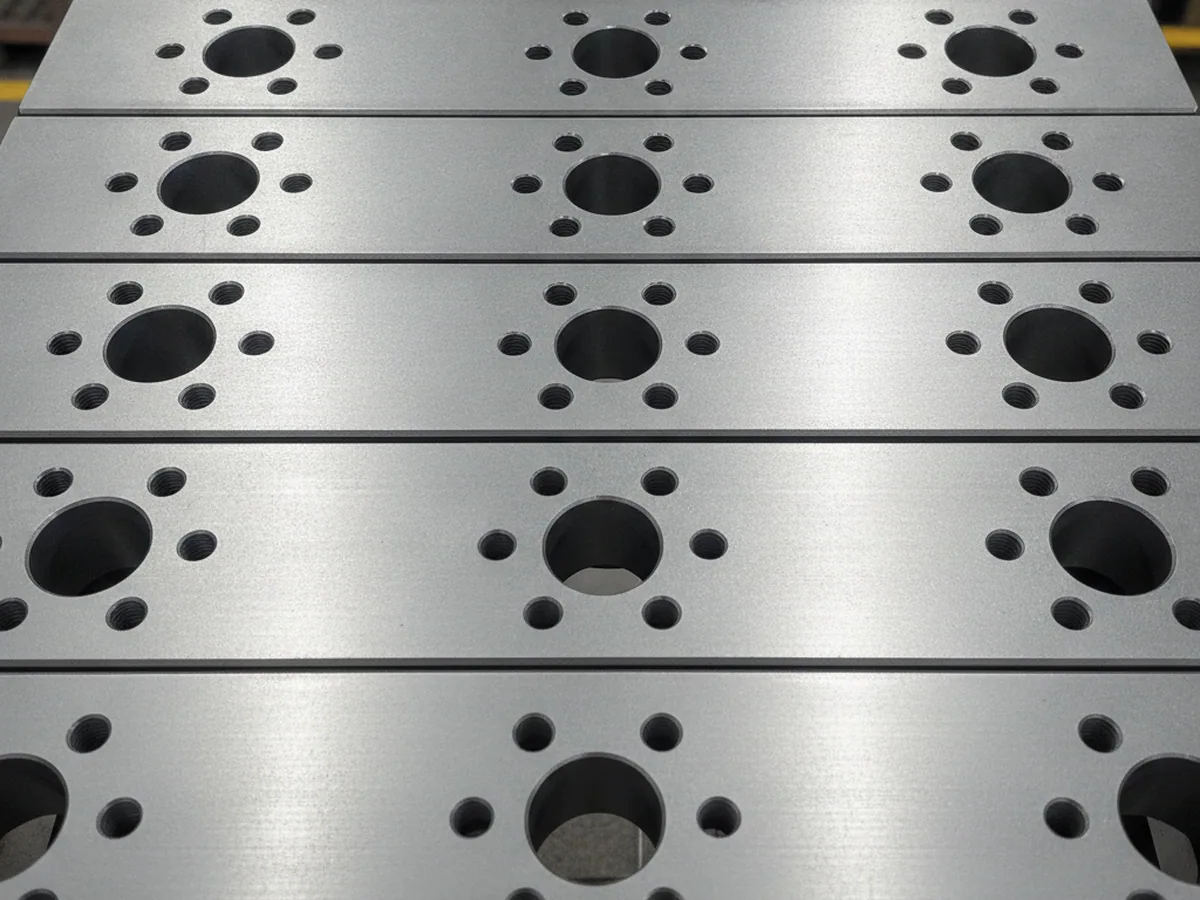
Where your question goes next
Fitment Routes by What You Hold
Sorted by what is in your hand right now — figures, a photograph, or neither.
The route depends on what you already hold, not on what you know about the machine.
| What you have in hand | The machine | Where it goes next |
|---|---|---|
| Figures and a diagonal that reconcile | Any of the four families | The model table, then the family page — forklift seats, construction machinery seats, agricultural seats or lawn mower seats |
| A photograph and no figures | Any of the four | Send it as it is |
| Neither, and no model number | Any of the four | The three free checks, then the eight-line record |
| Figures that will not reconcile | Any of the four | The third reply |
| A lift truck whose pattern you cannot place | Lift truck | How to identify a forklift seat mounting pattern |
| A seat welded into a swivel rotary console as one assembly | Excavator, loader | A console interface order rather than a seat — ask on the console |
| Anything outside the four families | — | Nothing here goes on it, and you are told so |
| A question about suspension travel | Any | 80 mm suspension travel on construction machinery seats |
| A single component instead of a complete seat | Any | Replacement seat parts |
| An interface drawing of your own | Any | OEM and ODM customisation |
Catalogue figure, or your figure
Catalogue Spacing vs Your Plate
A spacing figure printed against a model would have to come from one named face, on every model, carry a version, and be corrected the day a machine we did not build changes its own plate.
What you get instead
Your measurements, judged against the ten models: which go on, which do not, and the dimension that ruled each out. A partial table gets read as a complete one; an absence prompts a question.
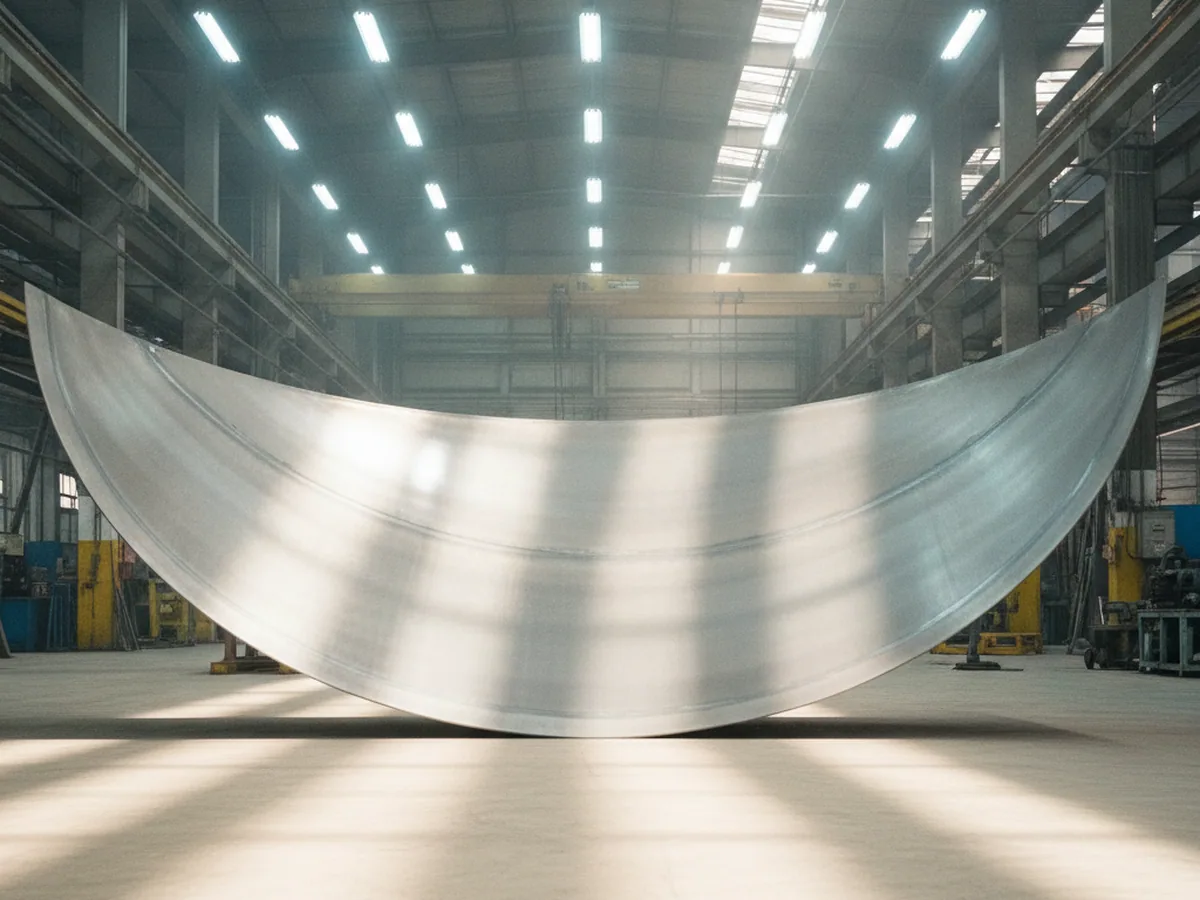
Where the Precision Lives
The accurate figure belongs to the machine in front of you, not to a catalogue printed before it was altered.
The third reply
The Third Reply: One More Number
What sets it off, what gets asked, and why it is the shorter route.
Two of these three are familiar. The third is the subject here.
-
What sets it off
Three figures that will not reconcile. A frame where the scale and the holes sit on different faces. A fleet where two of the three machines came back with different spacing. A plate that reads as though it was added rather than built in. None of those means an enquiry is deficient; each means one specific thing is ambiguous, and the ambiguity has a name.
-
What gets asked
One item, named, with the reason attached — not the list again. If the diagonal disagrees with the two axes, we ask for it to be retaken from the hole centres, and say why. It is one question you can answer at the machine on your way past it.
-
Why it is the shorter route
A yes given against an ambiguous figure is not faster, only earlier. It is followed by a sample, a delivery, and a fitter discovering the problem — at which point the round trip you avoided has become a purchasing cycle instead.
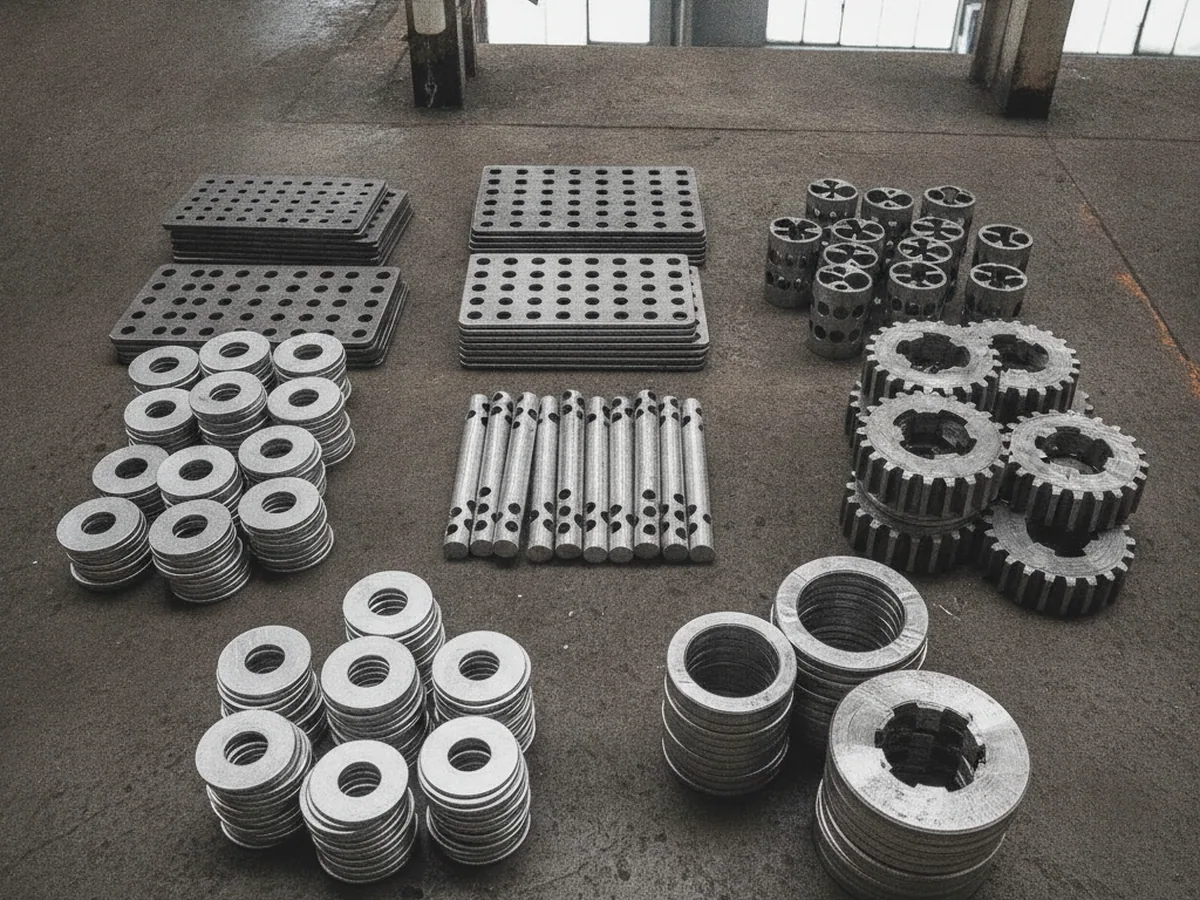
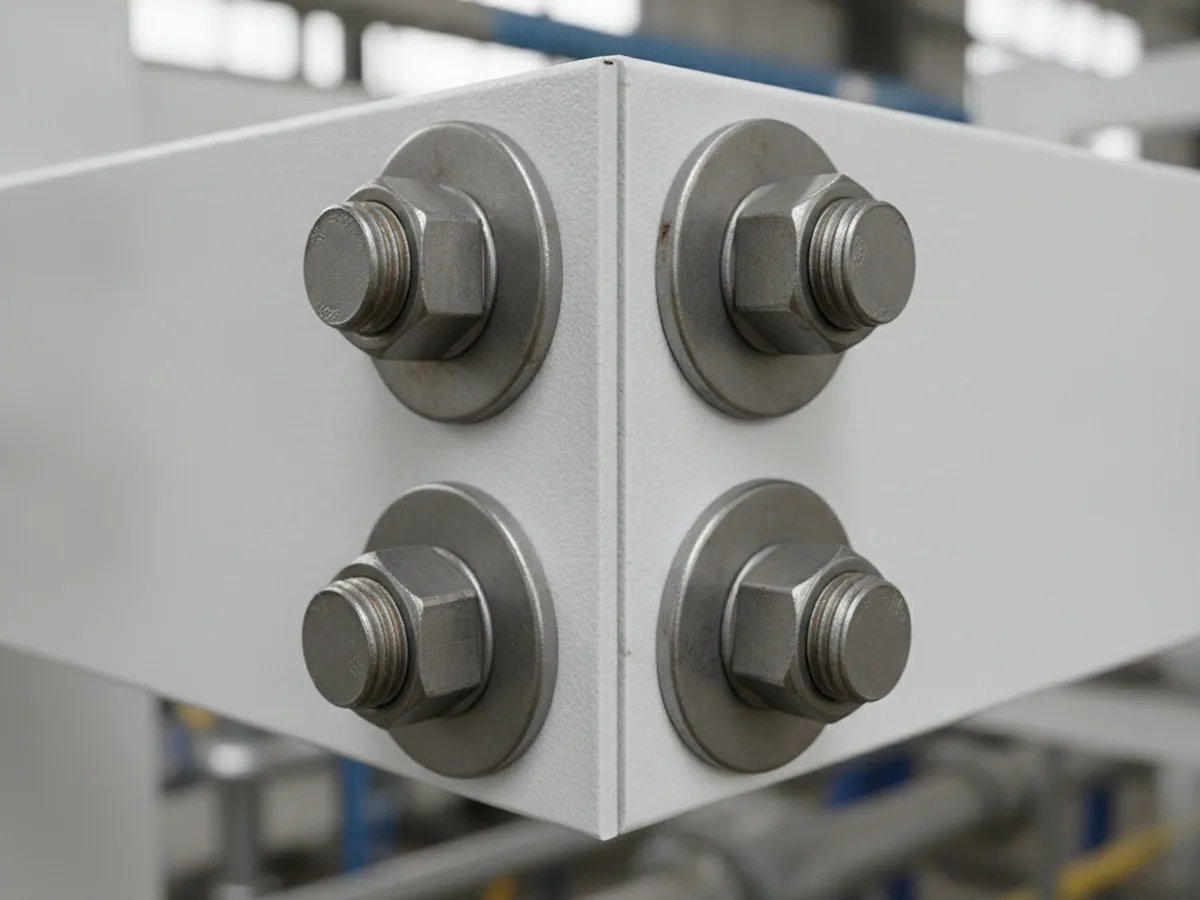
The Record Is Yours
Measure once. Reuse it every time this machine needs a seat.
Questions that arrive here
Seat Mounting Pattern FAQ
Six that arrive here rather than on the model pages.
My holes are slots rather than round. Which figure do I send?
Send the centre-to-centre spacing as you measure it, then say which way each slot runs. The long axis is where your tolerance is; across it there is none.
The bolt holes have worn into ovals. Is the machine still worth reseating?
Usually, but look at the plate first. Elongation means something moved under load, and a new seat through the same openings starts that process again.
Do I have to measure more than one machine in a fleet?
Measure the oldest, the newest, and any one you know has had a seat replaced before. One model number stops guaranteeing one pattern once the fleet has any history.
Can I send figures in inches?
Yes — in the unit you measured in, with the unit written down. What causes trouble is converting before sending, and retyped fractions.
The seat bolts to a plate somebody added years ago. What do I measure?
Both, if you can — the added plate, and whatever it is bolted to once it comes off. One is a previous repair, the other is the machine.
What if nothing you build fits my machine?
Then the record is still worth having. It describes your machine rather than our range: it goes to the next supplier unchanged, and it tells you whether modifying the plate is worth quoting or the machine worth retiring. How that no reaches you is the third reply.
Send it as it stands
Send the Completed Record
The eight-line record, as far as you got with it.
Paste the record in as it stands. Nothing to attach, nothing to convert, and no need to fill every line first — a record with two blanks still moves. Within 48 hours: which models go on, which do not, and the dimension that decided it.