OEM & ODM seat programmes

Four Layers Decide Your OEM Seat Manufacturing Programme

Marking, cover, fitted options, structure. Every request lands on one of them, and the layer names the workshop, the tooling and the days.

Start a Programme See the four layers

  • Manufacturing seats since 2007
  • 35,000 m² plant
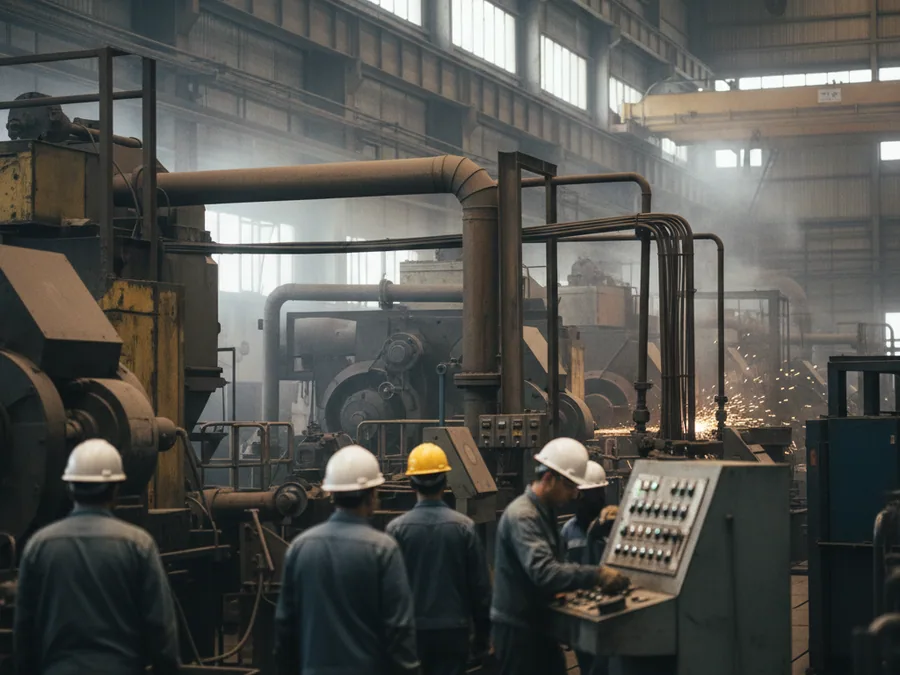
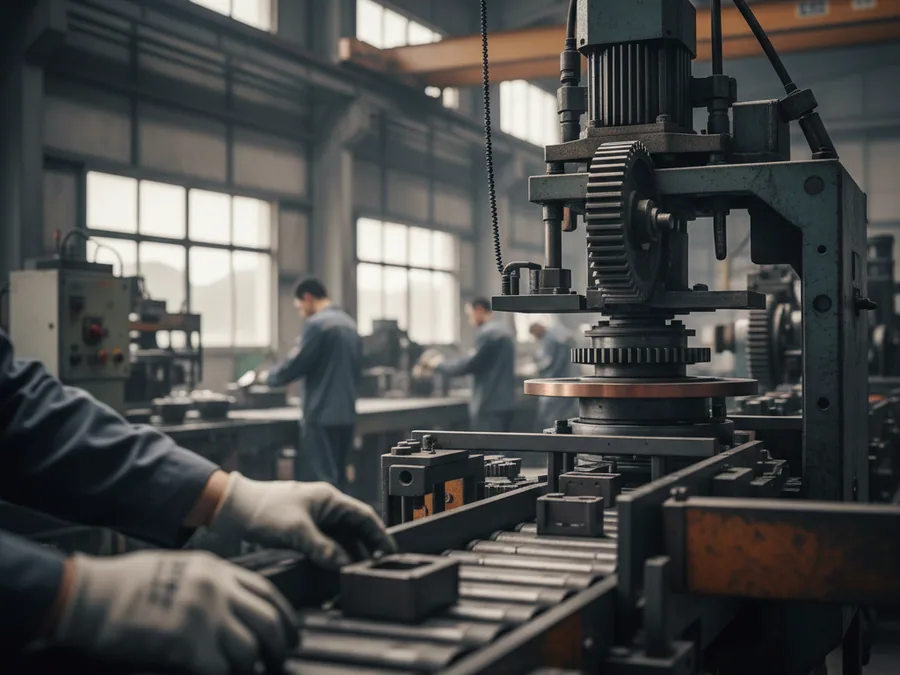
  • Stamping · welding · foaming · assembly in house

Who runs one

OEM Seat Manufacturing Programmes We Run

Two kinds of buyer arrive here, and the difference shows up in the first email rather than in how the work is run.

Machine builders and tier-one suppliers
A seat specified against a cab drawing or an interface envelope, usually several variants of one machine, with a fixed start-of-production date.
Wholesalers, importers and buying groups
A range carrying your own brand, where the same seat has to arrive the same way order after order. Marking and cover carry most of the work; the frozen sample carries the repeat.
Both routes
Pick the platform, name the layers that change, build a sample off production tooling, freeze it, repeat it. Send a drawing, an envelope or a photograph of the seat you buy today.
Behind a frame change
A 22-person R&D team, thirty-plus seat patents, and suspension development with East China Jiaotong University.
  • Six automated assembly lines
  • 500,000 seats a year rated
  • ISO 9001:2015
  • CE
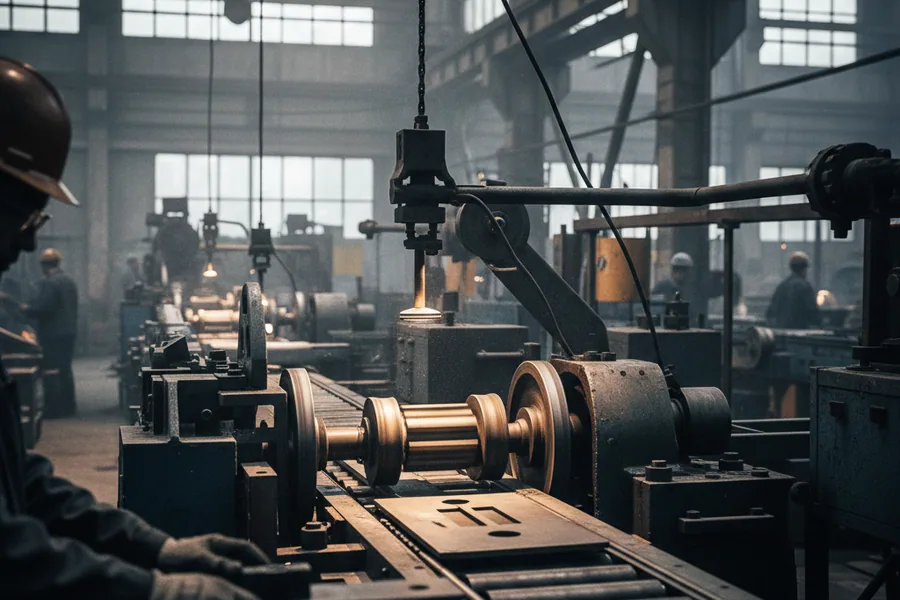
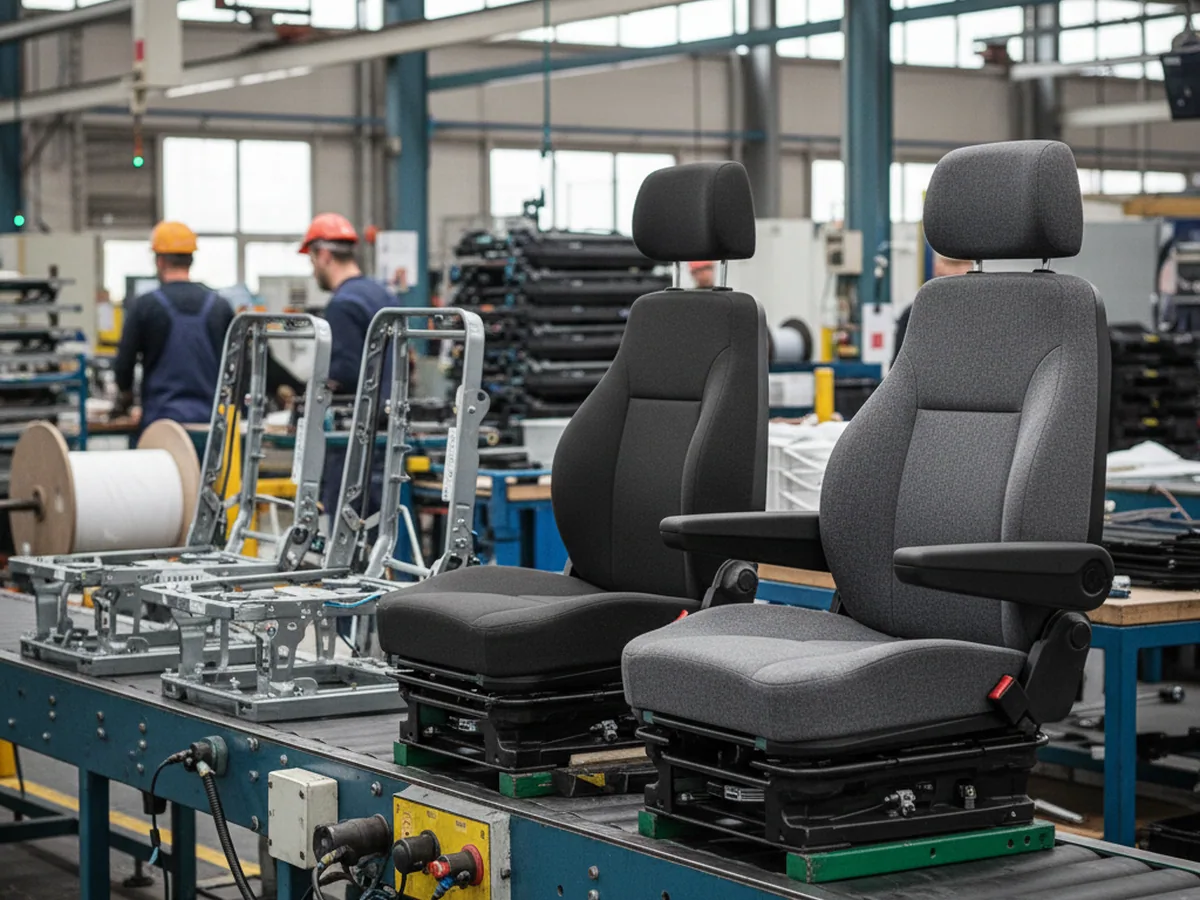
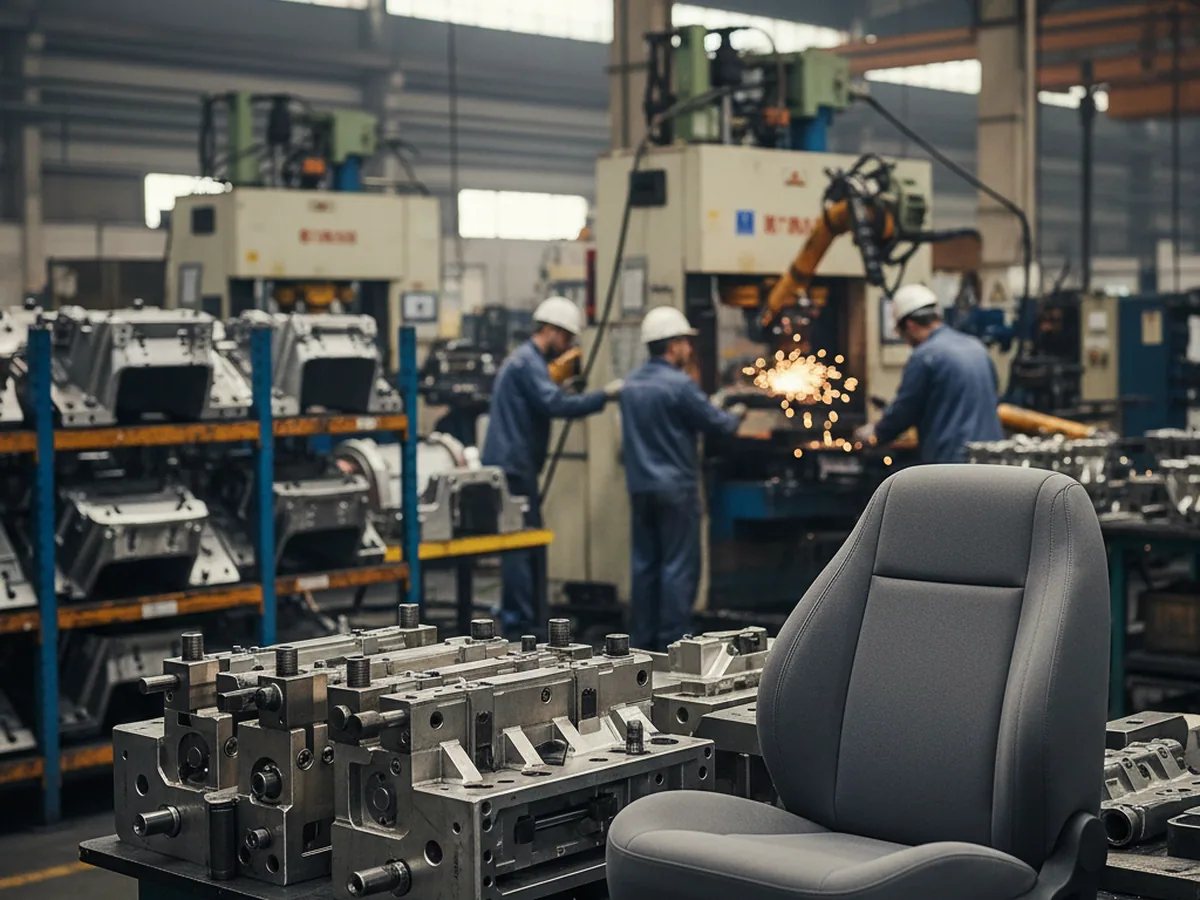
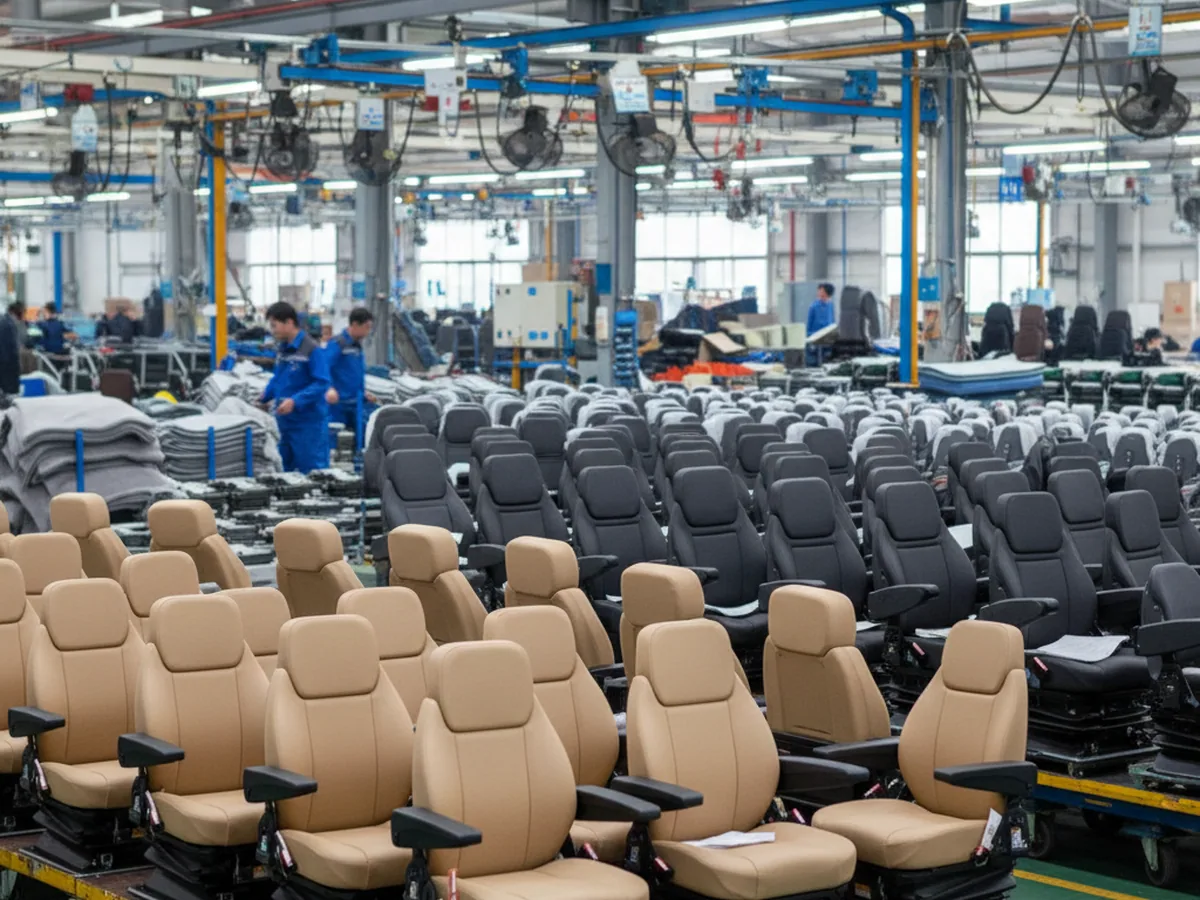
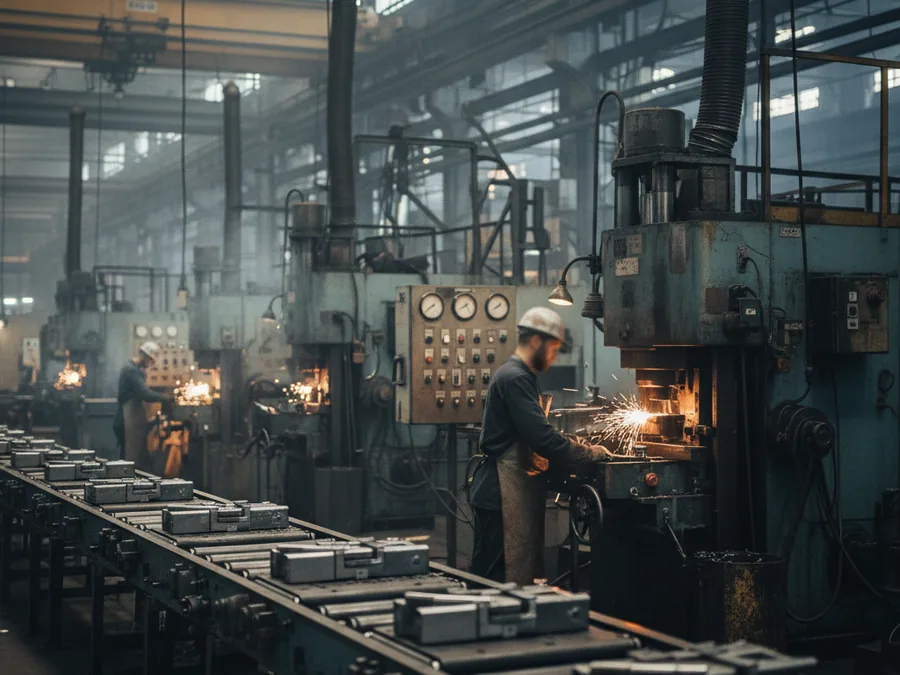
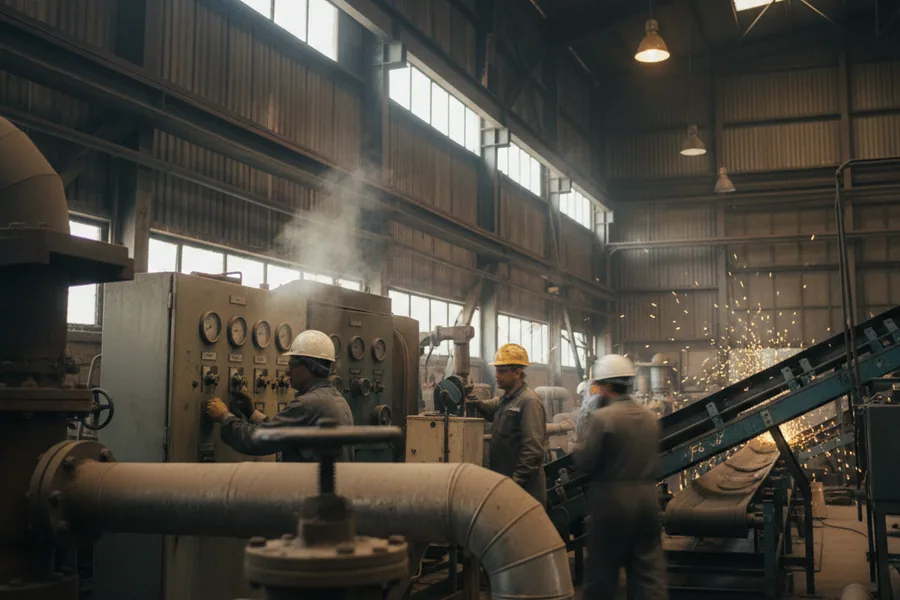
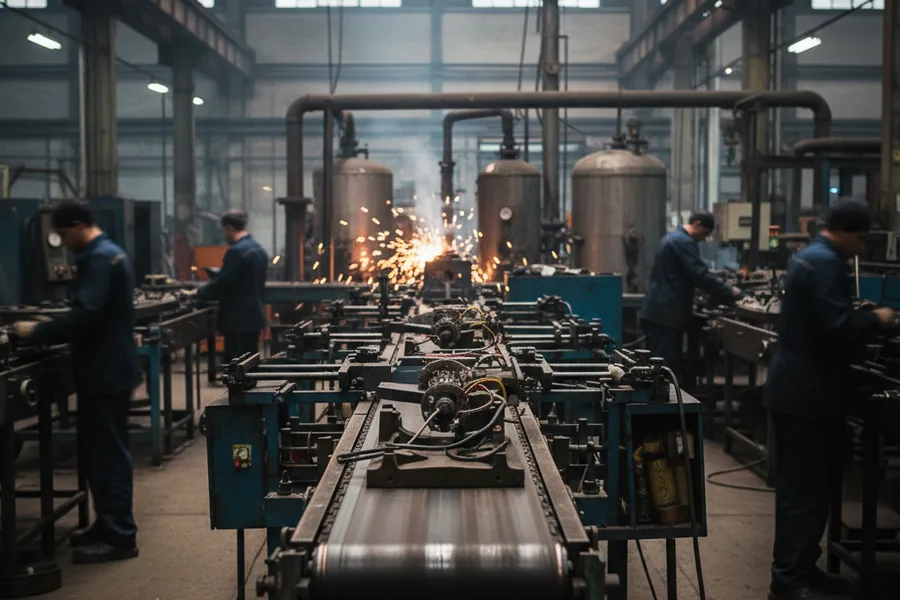
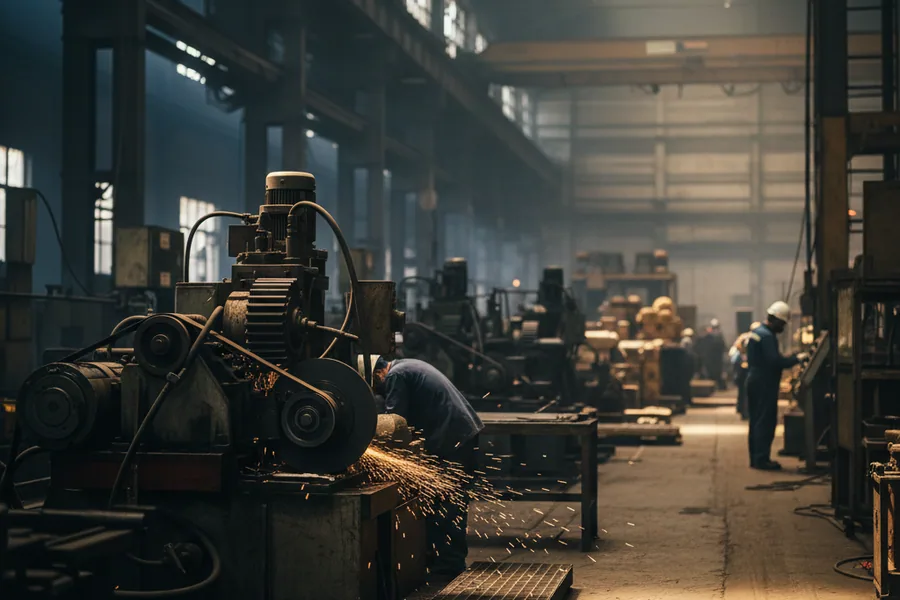
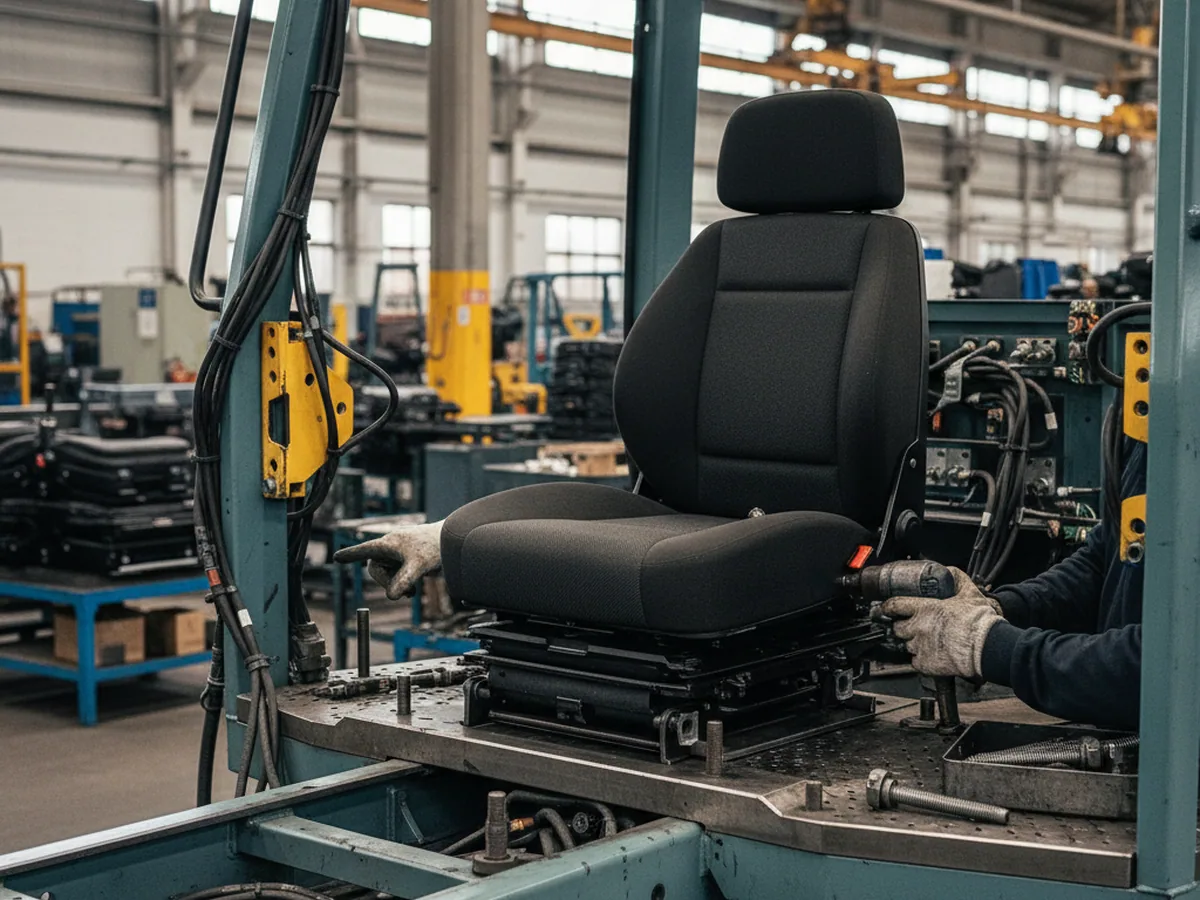
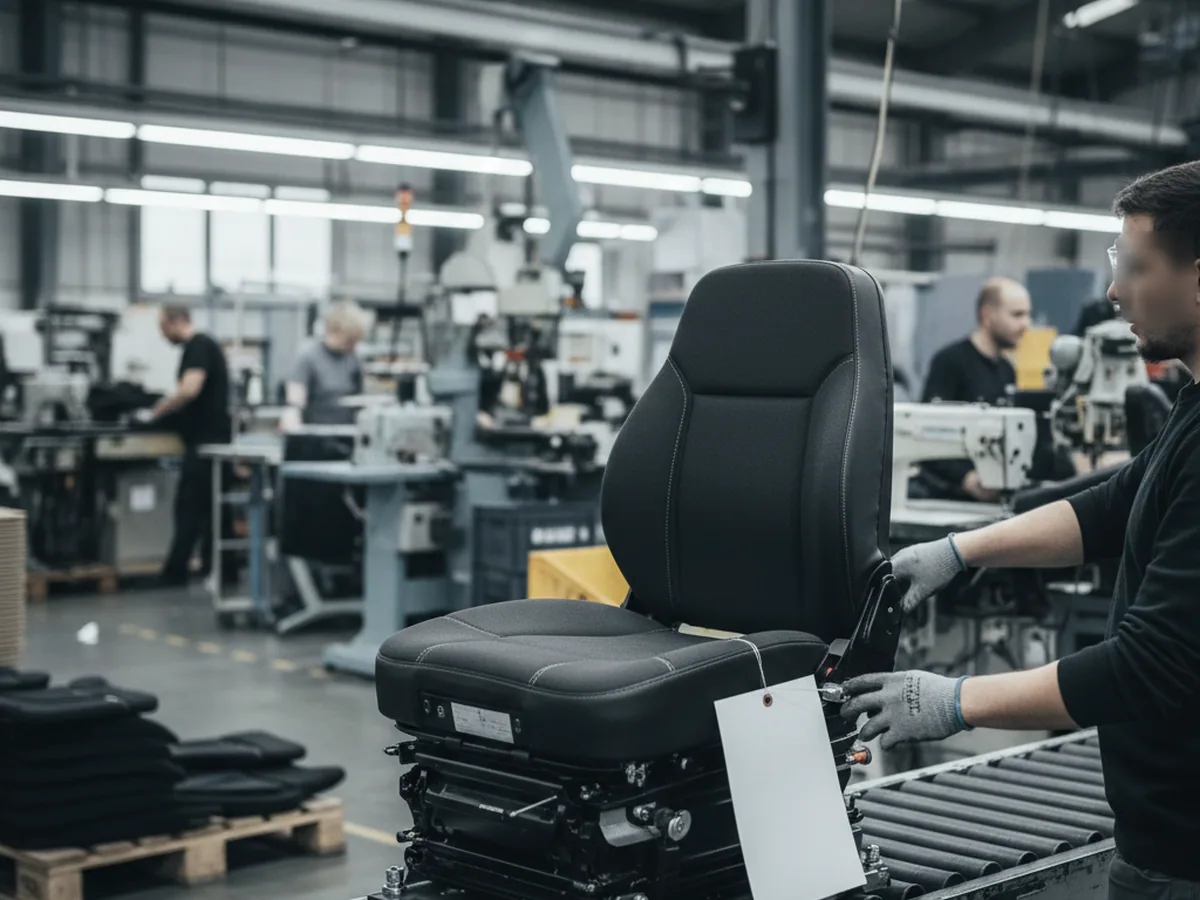
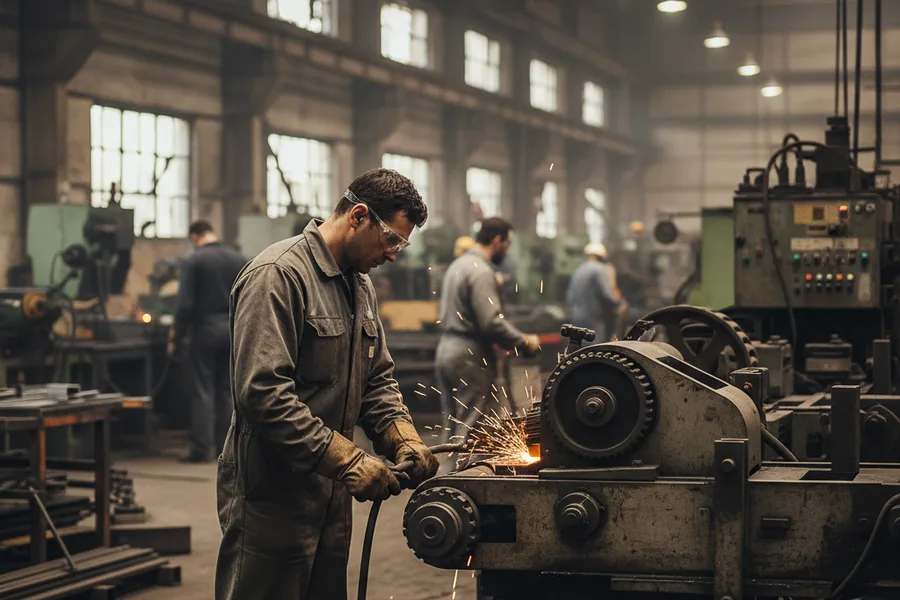
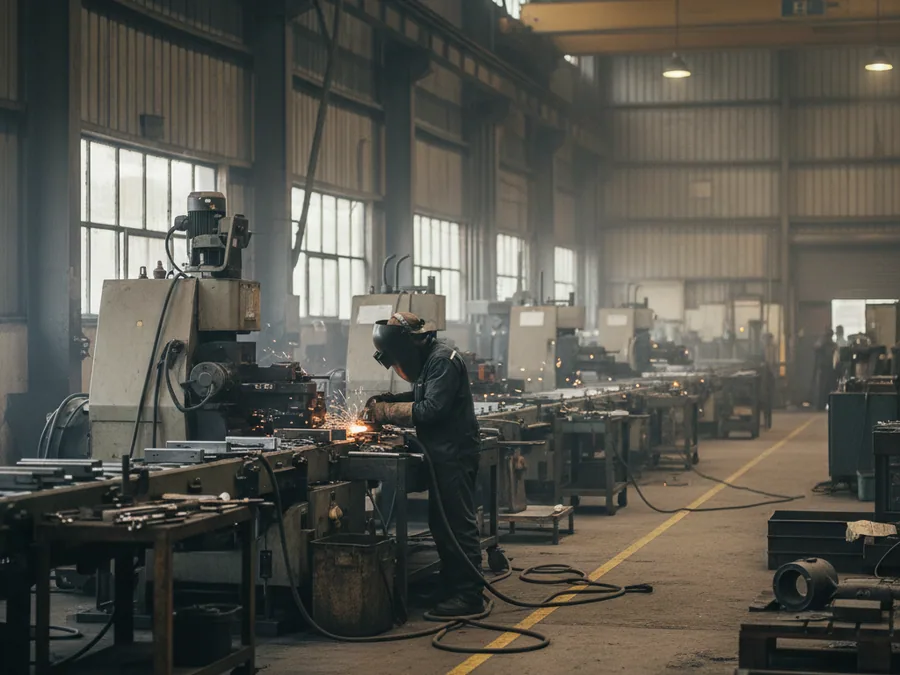
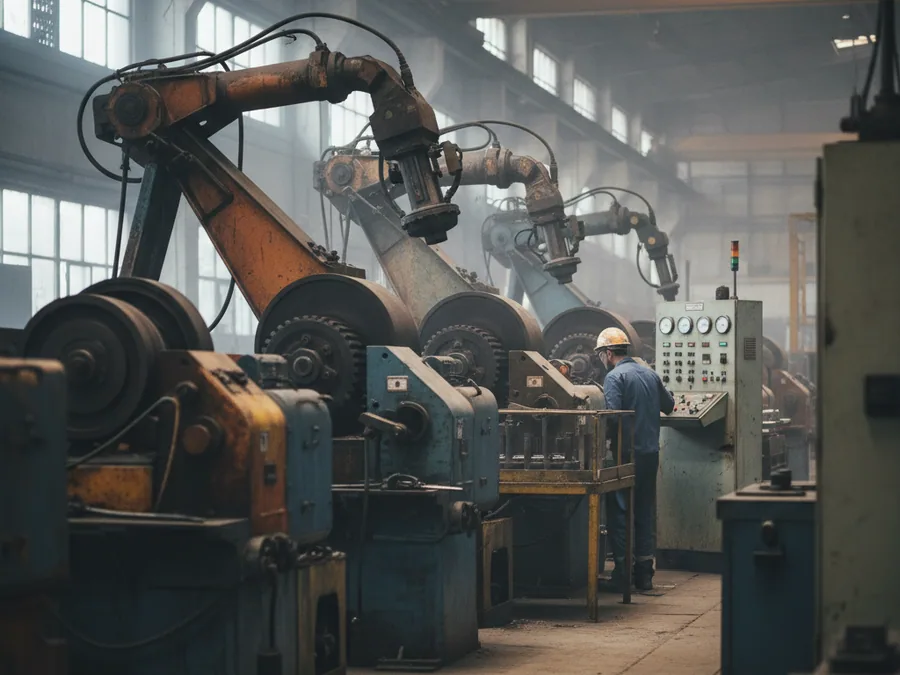
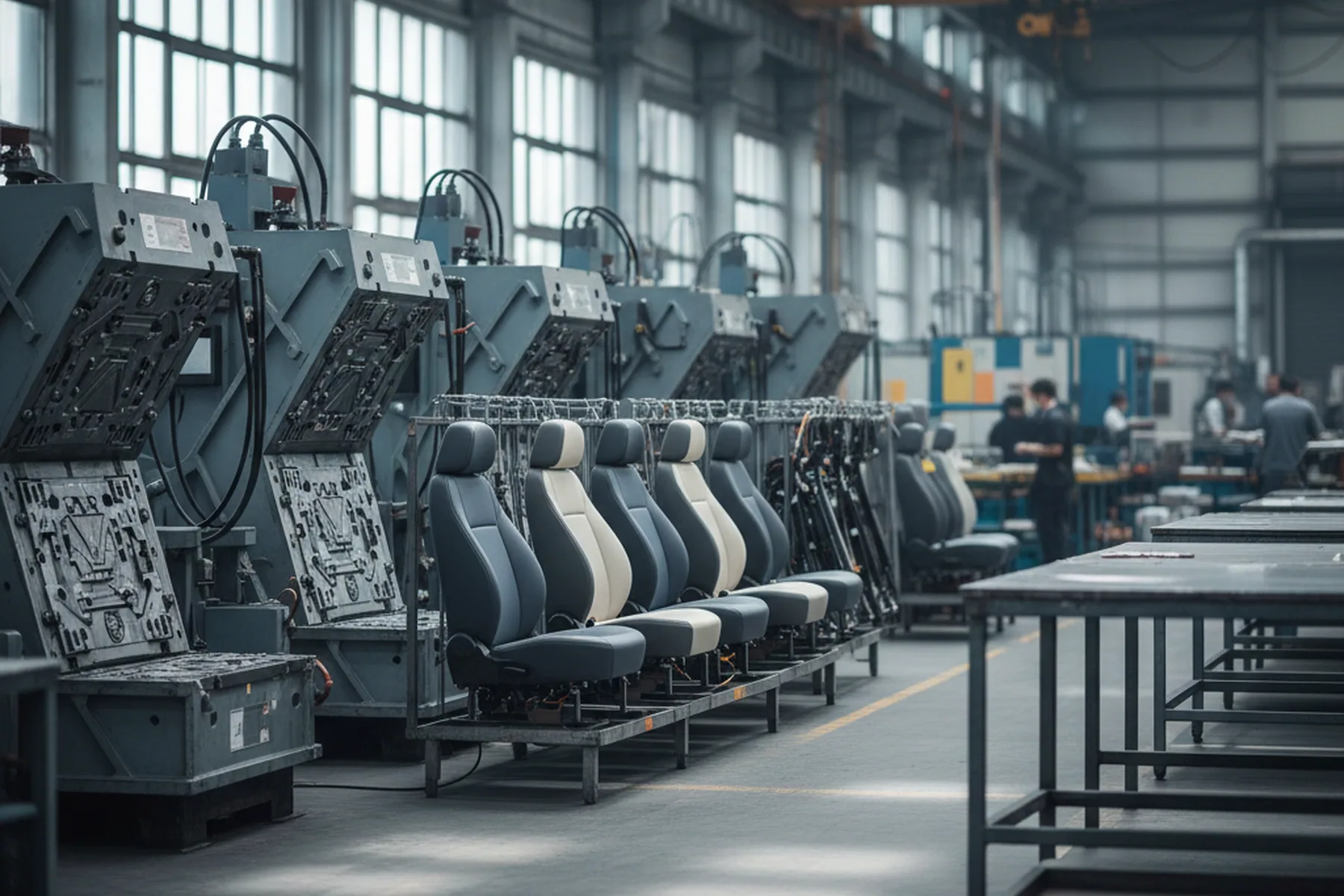
OEM seat manufacturing line with press tooling alongside finished custom seats
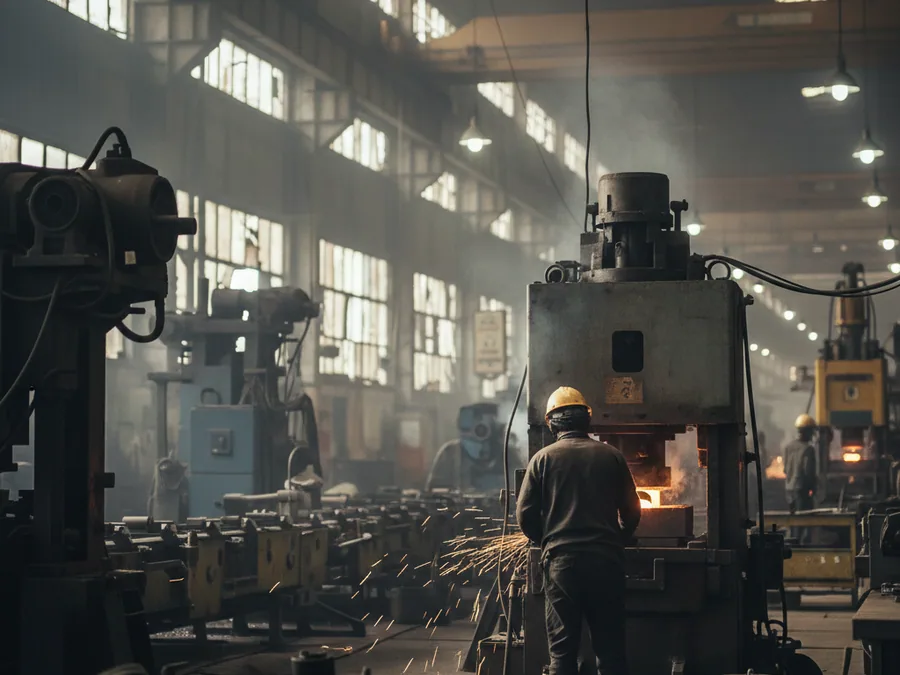
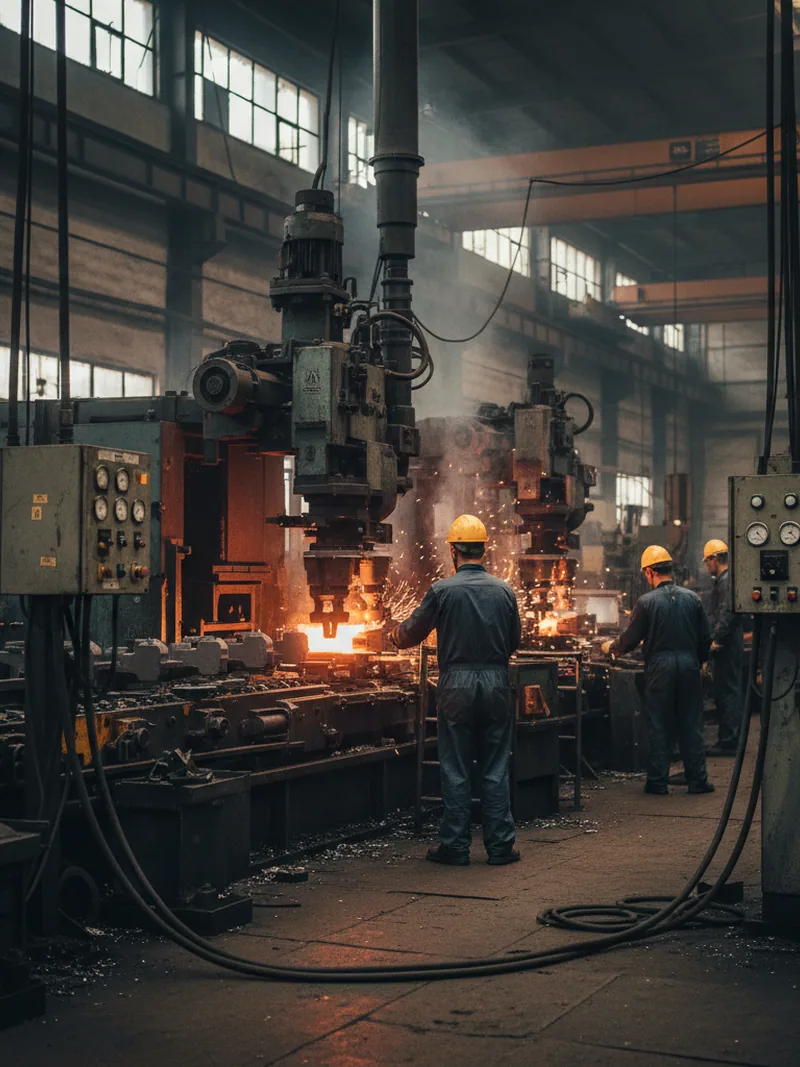
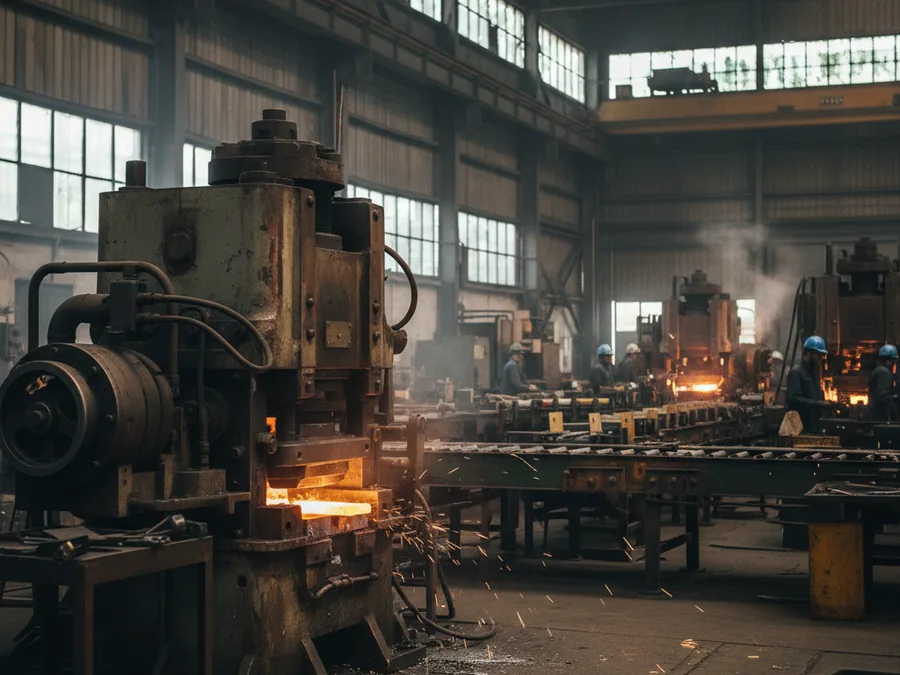
Stamping, welding, foaming and assembly run in one plant, which is what keeps a structural change in the schedule.
Cab interface drawing laid out beside a custom OEM seat on the engineering bench
Private label seats carrying identical marking staged on a trolley after assembly
One brand, one range, arriving the same way order after order.

The ladder

Four Layers You Can Change

Every custom seat here is a variant of a seat already in production. Four layers can differ from the catalogue model, and the one your request lands on tells you what it costs in time.

Marking applied to a custom seat cover at the upholstery station
01

Marking

Your name and part identification on the cover and on the seat itself, in the position you dimension. Nothing structural moves, so this is the fastest of the four.

Workshops touched
Upholstery and final assembly stations.
Effect on schedule
None beyond artwork approval. The position is confirmed on the sample and checked again at the first article.
Cover material cut to pattern on an OEM seat manufacturing run
02

Cover material and colour

PVC or fabric, in the colour you specify, with the foam underneath built to the platform's density.

Workshops touched
Our own foaming shop, then the upholstery station.
Effect on schedule
No push on the date, because the change never reaches the die shop.
Custom seats on the assembly bench with armrests and options being fitted
03

Fitted options

Flip-up or adjustable armrests, retractable belts, rail slides, presence switches and pressure sensors, height adjustment, swivel consoles and suspension variants.

Workshops touched
Defined workstations on the assembly line.
What decides it
Whether the platform is built to take the option, not whether the part can be sourced. The answer comes back with the platform candidates.
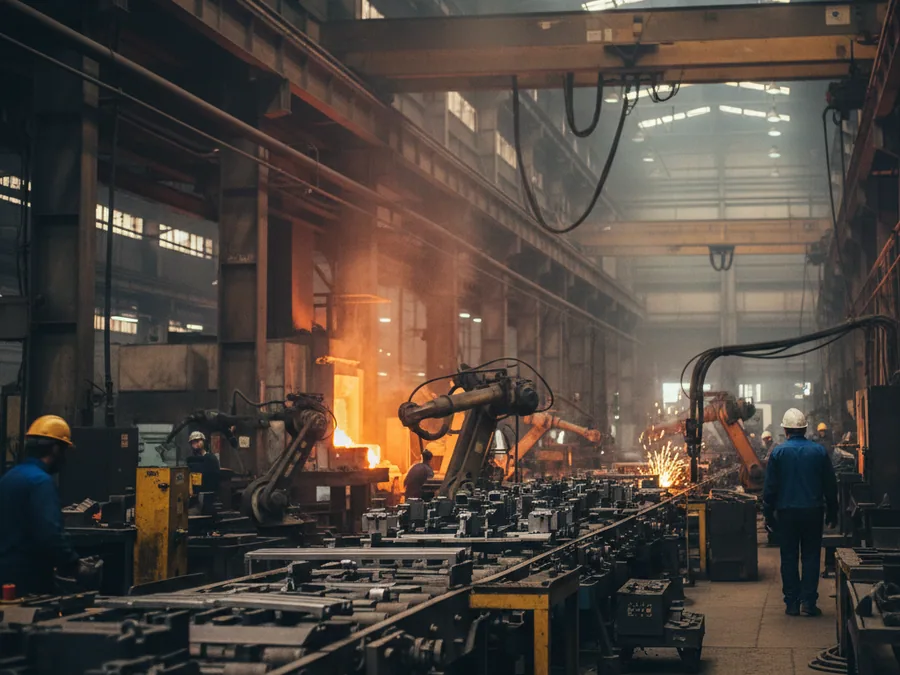
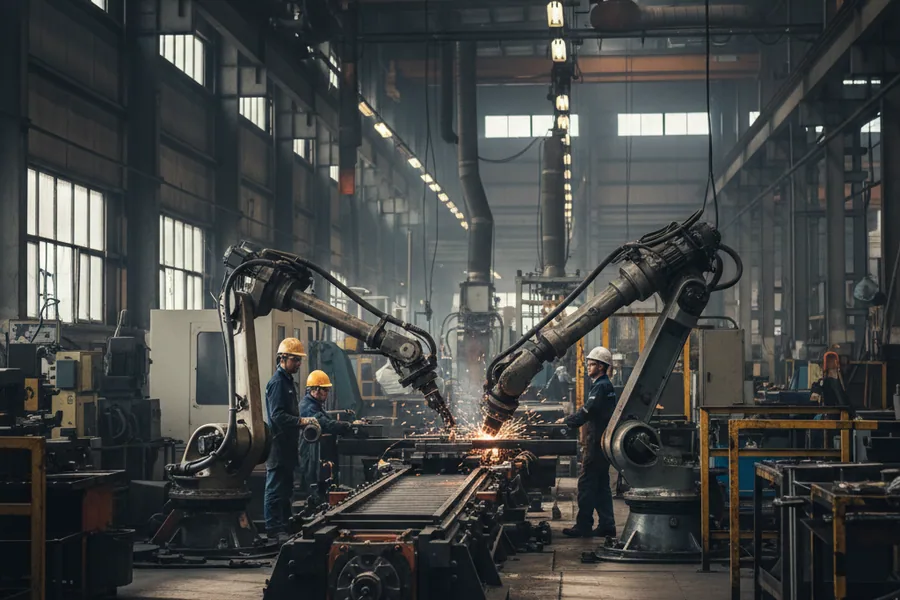
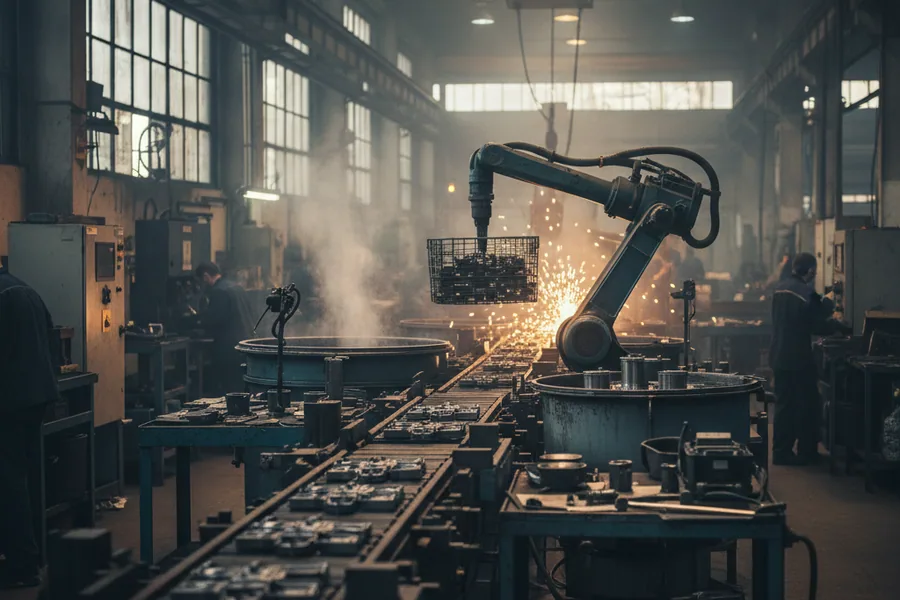
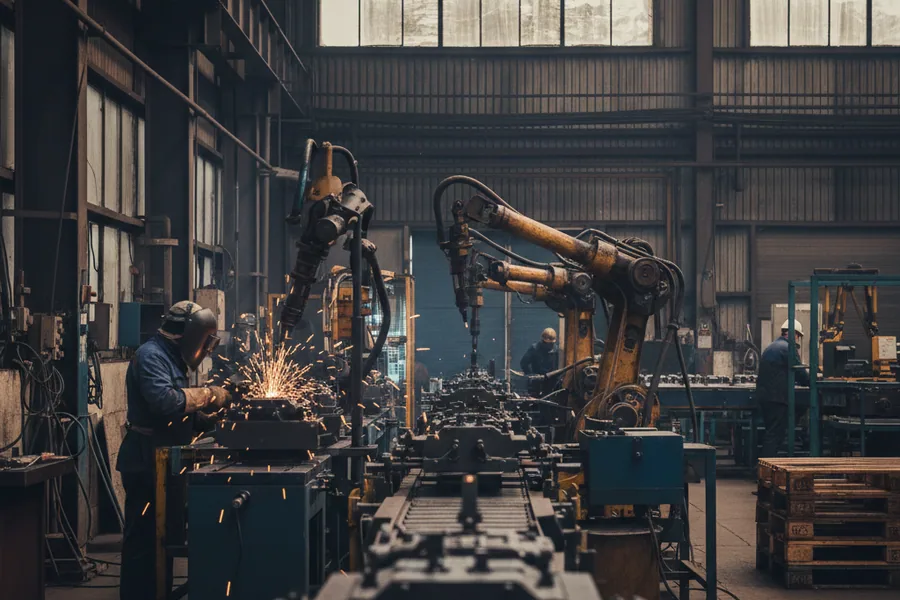
Robot welding cell and die sets used for structural changes on custom seat frames
04

Dimensions and structure

Frame geometry, the mounting interface, backrest form, and the suspension band the seat sits in.

Workshops touched
Our own stamping dies and welding fixtures, not an outside supplier's queue. That is what keeps a structural change in the schedule.
Effect on schedule
A change that moves a die or a fixture adds a tooling step ahead of the sample, quoted in days of its own.
Proved where
On a real machine, not on paper. That is what the sample stage is for.

Ask where a change lands and the answer sorts your suppliers. A factory names a die, a fixture, a foam tool or a station.

  • Layers 01 and 02 run inside the standard 7-day sample.
  • Layer 03 depends on the platform, and the reply names what it is built to take.
  • Layer 04 may carry a tooling step, quoted in days of its own rather than folded into the sample.

A change is bounded because the seat it starts from is already in production.

What to send, what comes back

Inputs, Replies and Sign-Off

Each layer has an input and an answer that comes back against it. Sales owns the reply clocks, the assigned project engineer owns the build definition, and QC signs the first article before the line runs the order.

Send the layer you already know about; the rest is worked out in the reply.

Mounting envelope of a custom seat base being measured before an OEM enquiry
Build definition clipped to a custom seat at the project engineer's bench
The build definition names every item going into the sample, marking position included.
Inputs and replies by change layer. The project engineer signs the build definition; you sign the sample.
LayerWhat you sendWhat comes backWho signs
01 Marking Artwork in a vector format, placement dimensioned on the seat, plus any part identification you need carried. Confirmation of the position on the sample, then the same dimension checked at the first article. Project engineer on the build definition. You on the sample.
02 Cover and colour The material, the colour reference, and whether the cab is washed down or works in sun. What the platform carries as built, and what the change does to the schedule. Project engineer on the build definition.
03 Fitted options The option list, and the connector type if the machine already has a presence circuit. What the platform is built to take, and what it would take to add anything it is not. Project engineer on the build definition.
04 Dimensions and structure Mounting measurements, clearance above and around the seating position, operator weight range, the duty it runs, and quantity per variant. Within 48 hours of complete measurements: which models fit, which do not, and the dimension that decided each. Where nothing fits, which layer would have to move. Project engineer on the build definition. You on the sample, fitted on the machine.
Written reply

Every enquiry, within 24 business hours, whichever layer it lands on.

Fitment answer

Its own 48-hour clock, running from the day the measurements are complete.

First article

QC signs it against the frozen sample at line start, before the run continues.

The four numbers

Two Clocks on Every Enquiry

One clock starts when your email lands. The other starts only once the measurements are complete, because a fitment answer written against half a set of dimensions is a guess with a date on it.

24Business hoursFirst written reply on every enquiry, naming the platform candidates.
48HoursFitment answer, counted from complete measurements, model by model.
7DaysSample, one piece, built off the tooling that will build the order.
20–30Days productionCounted from order confirmation, with the first article signed at line start.

A tooling step, where a change moves a die or a fixture, sits ahead of the sample and is quoted in days of its own.

Custom OEM seat tagged to its programme and staged for despatch

Sales owns both clocks. The project engineer owns the build definition the sample is built against.

Where a programme starts

Platform models used as the starting point for OEM seat manufacturing programmes

Platform Models a Custom Seat Starts From

Programmes start on a model already in production rather than on a blank sheet. That is why a change is bounded, and why it is described layer by layer instead of quoted as a project.

Forklift platform seat used as the starting point for a custom OEM build

Counterbalance and warehouse trucks

KL01 gives 50 mm of suspension travel, 165 mm of fore-and-aft adjustment and a 50 to 130 kg weight range. YY53 gives 48 mm of travel over 40 to 120 kg.

  • KL01
  • KL11
  • YY03
  • YY53
Construction machine platform seat on the line before custom options are fitted

Construction machines

KL02 is a mechanical high-back with full-body and head support. YS2-8 carries 80 mm of travel, 150 mm fore-and-aft, 60 mm of height adjustment and a backrest folding forward 27.5°.

  • KL02
  • YS2-8
Agricultural and mower platform seats staged for a private label seat run

Tractors, agricultural machines and mowers

KL03, YJ03 with air suspension on a 24 V supply, and YY08 cover tractors and self-propelled agricultural machines. YY70 covers ride-on mowers.

  • KL03
  • YJ03
  • YY08
  • YY70

Parts built alongside the seats

Machine builders
Usually arrive at the construction and agricultural platforms with a drawing.
Private-label buyers
Usually arrive at the forklift and mower platforms with a machine list and a brand.
  • Seat covers
  • Armrests
  • Pressure sensors
  • Micro switches
  • Seat belts
  • Rail slides
  • Suspensions
  • Swivel consoles
  • Spindle mandrel assemblies

Six steps, each with a name against it

From Drawing to First Shipment

An OEM seat manufacturing programme runs in six steps. Every one has an input, something that comes back, a duration and a name against it.

01 · Platform selection

You send
The drawing or the envelope, the machine and its duty, and the quantity per variant.
Comes back
A written reply naming the platform candidates, then the fitment answer once measurements are complete.
Signs
Sales and the assigned project engineer.
24 hFirst written reply

02 · Build definition

You send
Confirmation of the four layers.
Comes back
A written build definition naming every item going into the sample, marking position included. The sample is built against it.
Signs
The project engineer.
Die set installed in the press for a custom OEM seat frame
A change that moves a die or a fixture adds a tooling step ahead of the sample.

03 · Sample

Built
One piece, in 7 days, off the tooling that will build the order.
Tooling step
Where one is needed it sits ahead of the sample, named in days in the written reply.
Signs
The project engineer releases it against the build definition.
7 daysOne sample piece

04 · Sample approval

You do
Fit the sample on the real machine and sign it.
Effect
Your signature freezes the build definition, the project engineer countersigns, and the schedule starts there.
Signs
You, then the project engineer.
Single custom seat sample crated for shipment to the buyer's machine
One piece ships, and the machine has to be standing when it lands.

05 · Production

Duration
20 to 30 days, counted from order confirmation.
Check at line start
QC signs the first article against the frozen sample before the run continues.
Signs
QC.
First article check on a custom seat frame at the start of an OEM production run
The first article is measured against the frozen sample, not against the drawing.

06 · Test and shipment

Tested
Suspension assemblies cross our own benches; frames and brackets go to salt spray.
Shipped with
The export documents your entry calls for, issued in the name you give.
Markets
Europe, North America, South America and Southeast Asia — more than 40 countries in total.
20–30Days production

A sample room piece proves a drawing was read. This one proves the line can repeat it.

The one step you decide

BUILD DEFINITION FROZEN AT SAMPLE APPROVAL

The frozen sample stays here as the reference the line is set up against, identified to your programme the way your tooling is.

  • Sample in 7 days
  • Built on the order line
  • Frozen list, not an impression

Sample Approval on an OEM Seat

This is the one step in OEM seat manufacturing where you decide rather than wait, and everything after it is a copy of what you sign. The sample is built on the line that will build your order, off the same stamping die, the same weld fixture and the same foam tool.

What your signature freezes

A named list, not a general impression. Anything outside it was never fixed, and those items are stated before you sign rather than after the second batch.

Drawing revision
The revision the build was cut against, carried on every repeat.
Frame weldment
The fixture the frame is welded in.
Suspension band
The band the seat sits in, with the weight range it is set for.
Foam tool
The tool the cushion and backrest are moulded in.
Cover material and colour
Material, colour reference and specified finish.
Fitted options
Every option, with the connector type where there is one.
Marking artwork
The artwork with its position dimensioned on the seat.

A repeat order is not re-read against your drawing. It is run against the frozen sample same die, same fixture, same tool.

Fit it on the machine before signing

Measurements answer the fitment question well enough to choose a platform. Four things only the machine itself can settle:

Clearance at full travel
With the seat at the top of its suspension travel, not at rest.
Belt anchors
Reaching where they have to reach, on the anchor points the machine actually has.
Console reach
Still usable at full fore-and-aft adjustment, not only at mid-position.
Getting in and out
With the cab door opening as it actually opens on that machine.

Build the sample week into the programme schedule rather than around it.

If something changes after approval

The change is named, and the steps it re-opens are named with it. Being told beats discovering it at the first article, and it keeps your planned date honest.

Marking or cover change
Re-opens the build definition and the first article. The sample stands.
Fitted option added
Re-opens the build definition, and the sample where the platform was not built for it.
Structure change
Re-opens the sample. A frame that moved is a frame that has not yet been proved on your machine.
Approved sample on the fixture that repeats it through OEM seat manufacturing
Custom seat tagged to its programme on the line after sample approval
Frozen reference sample of an OEM seat held on the rack against its programme
Custom seat offered up to the mounting base inside a machine cab for fit check

A check worth running on us before you commit anything

Ask every supplier on your list where each requested change lands: a stamping die, a welding fixture, a foam tool, or a station on the assembly line.

  • A factory answers by workshop.
  • A supplier who buys the seat in and puts your badge on it answers that everything is customisable.
The segment nobody quotes

OEM Seat Manufacturing Lead Times

Two of the three numbers in OEM seat manufacturing are ours. The middle one is yours, and on most programmes it runs longer than the other two.

7 daysSample
WeeksSample round trip
20–30 daysProduction
Ours
Sample built off the tooling that will build the order.
Yours
Transit, fitting time on a machine that has to be standing, and any revision round.
Ours
Production counted from order confirmation, first article signed at line start.

What moves the date after the first order

Plan the middle column as weeks rather than days, and book the machine before the sample lands.

  • Repeat orders skip platform selection, build definition and the sample, running on the 20 to 30 day schedule alone.
  • A structural revision puts the sample step back into the schedule.
  • A tooling step, where one is needed, sits ahead of the sample and is quoted in days of its own.

Order shapes

Sample
One piece.
Stock models
From 50 pieces per model.
Custom and OEM
From 200 pieces per model.
Spare parts
From 20 pieces per part number.

Set out in full at order shapes. On a range with several variants, settle the per-model threshold in the first week rather than the week the purchase order is written: it decides how many variants a first programme carries.

Export crates of custom OEM seats staged for shipment
Custom seat frame back on the welding fixture for a revision round

What stays yours

Tooling, Fixtures and Marked Parts

Tooling and fixtures you fund belong to you. They are held here, identified to your programme, and scheduled against your order and nothing else.

The metal

Dedicated dies and fixtures you fund are yours, held here and set up only from your own set.

The decisions

Where the tooling is held, what happens to it when a programme ends, and whether it moves are settled on your written instruction.

  • A run for you is set up from your own set, because the tools carry your programme identification rather than a model number. That is what puts the right die in the right press on a busy day.
  • Parts carrying your marking do not leave this plant in anyone else's box.
  • Marked parts are not offered to a third party in any market.
  • All of this reads the same way in a purchase agreement, so it can go into your own contract in your own words and be held against us.

Buyers welcome to audit the plant

Book a visit: the tooling racks, the fourteen machines in the test centre and the metallographic room are open to walk through.

Stamping dies racked and identified to individual OEM seat programmes
Identified to the programme, not to a model number.
Welding fixture set held on its stand for a custom seat frame programme
Custom seat cover panel carrying buyer marking before final assembly

Where the drawing goes

Drawing Access and Customer Separation

A drawing takes one route through this plant, and it is short enough to list station by station.

ROUTE IN Your drawing under NDA on request Project team engineer and QC lead Stamping · die shop Welding · fixtures Foaming · tools Assembly · marking station Test centre · first article NEVER REACHES The sales floor as an open folder Another buyer as a reference

The NDA arrives before the drawing does

An NDA is signed when you ask for one, before your drawing arrives rather than after. The point of it is the file you have not sent yet.

Who holds it
The project team and the workshops that cut, weld or foam against it, named by workstation rather than by department.
Two buyers, one market
Where a programme already runs for another buyer in your market, its drawings, tooling and marked parts are stored and scheduled apart.
Cross-reference
Neither programme is ever shown to the other as a reference.

Check one

Send the NDA ahead of the drawing and see whether it comes back signed before you have spent anything.

Check two

In the same email, ask for the drawing's route to be named station by station.

A plant that owns its stamping, welding, foaming and assembly can list those stations. A supplier who sends the work out cannot: the drawing goes out with it.

Custom seat frame being set up at the workstation that holds the drawing
Closed drawing cabinet beside the seat welding cell on the shop floor

Evidence from the plant

Quality Evidence in OEM Seat Manufacturing

A custom seat arrives without a catalogue specification sheet, so the evidence comes from the plant. During qualification you get photographs of all fourteen machines in the test centre, one at a time, so the equipment behind the claims is something you looked at.

Metallographic cutting, inlaying and polishing set
SIP tester
Shock absorber fatigue bench
Salt spray cabinet
Foam resilience tester
Load durability machine

On the seats themselves

Suspension assemblies
Cross the fatigue bench as complete assemblies, in the state they ship in.
Frames and brackets
Neutral salt spray to ISO 9227 for 48 hours, with no red rust as the pass condition.
At line start
QC signs a first article against the frozen sample before your run continues.
Warranty
Custom and OEM seats carry the same 12 months as stock models, on one figure rather than two.
With the shipment
Certificate of Analysis or Conformance, insurance documentation, Certificate of Origin and the other documents your entry needs. Name the ones your import requires at order confirmation.
ISO 9001:2015
CE
14 test machines
Metallographic polishing station used on weld sections from custom seat frames
Salt spray cabinet running a 48-hour test on custom seat brackets
SIP tester set up over a custom OEM seat cushion in the test centre
Photographed one machine at a time during qualification, and open to walk through on a plant visit.

When something fails

Nonconformance, Holds and Field Returns

When a batch fails a test bench it is held whole, not released and watched.

  1. HoldThe whole batch, not a sample of it.
  2. TraceBack to the welding station or component batch that produced the result.
  3. CorrectThe cause, not the symptom on that one piece.
  4. ReleaseOnly after a retest passes.

Holding the batch rather than sorting it keeps a bad hour on one fixture from becoming two good boxes and one bad one on your shelf.

If something comes back from the field

Four items start the trace on the day the mail arrives instead of the week after:

  • The programme reference carried on the seat.
  • Photographs of the failure, close enough to see the surface.
  • How many of the batch are affected.
  • The machine and the duty it came off.

What comes back once the cause is named

What it means for the seats already with you and the ones still on the line, with the correction agreed before anything is built again.

Batch of custom seat frames held on a pallet with a hold tag after a bench result
Welding station being checked during a trace on a custom seat batch

Copy this into your first email

Your OEM Seat Programme Enquiry

Send this list and the first round is an answer rather than a request for more information.

  • Whether you are building machines or selling under your own brand.
  • Machine make and model per variant, or the machine list you stock against.
  • Your drawing, or the envelope: mounting measurements, clearance above the seat, fore-and-aft room and belt anchor points.
  • The seat fitted today, if there is one, with photographs.
  • Duty the machine runs: hours per shift, surface, indoor or field.
  • Operator weight range you are seating.
  • Which of the four layers you need to change, as far as you know today.
  • Cover material and colour, and whether the cab is washed down.
  • Fitted options: armrests, belt, rails, presence switch or sensor, with the connector type.
  • Marking artwork in vector format, with the placement dimensioned.
  • Quantity per variant and the date the machines have to be in service.
  • Whether you want an NDA signed before the drawing is sent.

The first six decide which platform models fit. The next four decide the build definition. The last two decide the date.

Mounting base measurements being taken from a machine before a custom seat enquiry

Measurements taken from the machine, not from the seat on it.

One email, one round

Start Your OEM Seat Programme

Send the drawing or the measurements, the machine and its duty, the layers you need changed, and the quantity per variant. Back comes the platform candidates and the layer each of your changes lands on.

sales@klseats.com

First reply

Within 24 business hours, naming the platform candidates.

Fitment answer

Within 48 hours of your measurements arriving.

Sample

One piece in 7 days, off production tooling.

Production

20 to 30 days from order confirmation.