Construction Machinery Seats — KL02 High Back and YS2-8 Forward-Fold
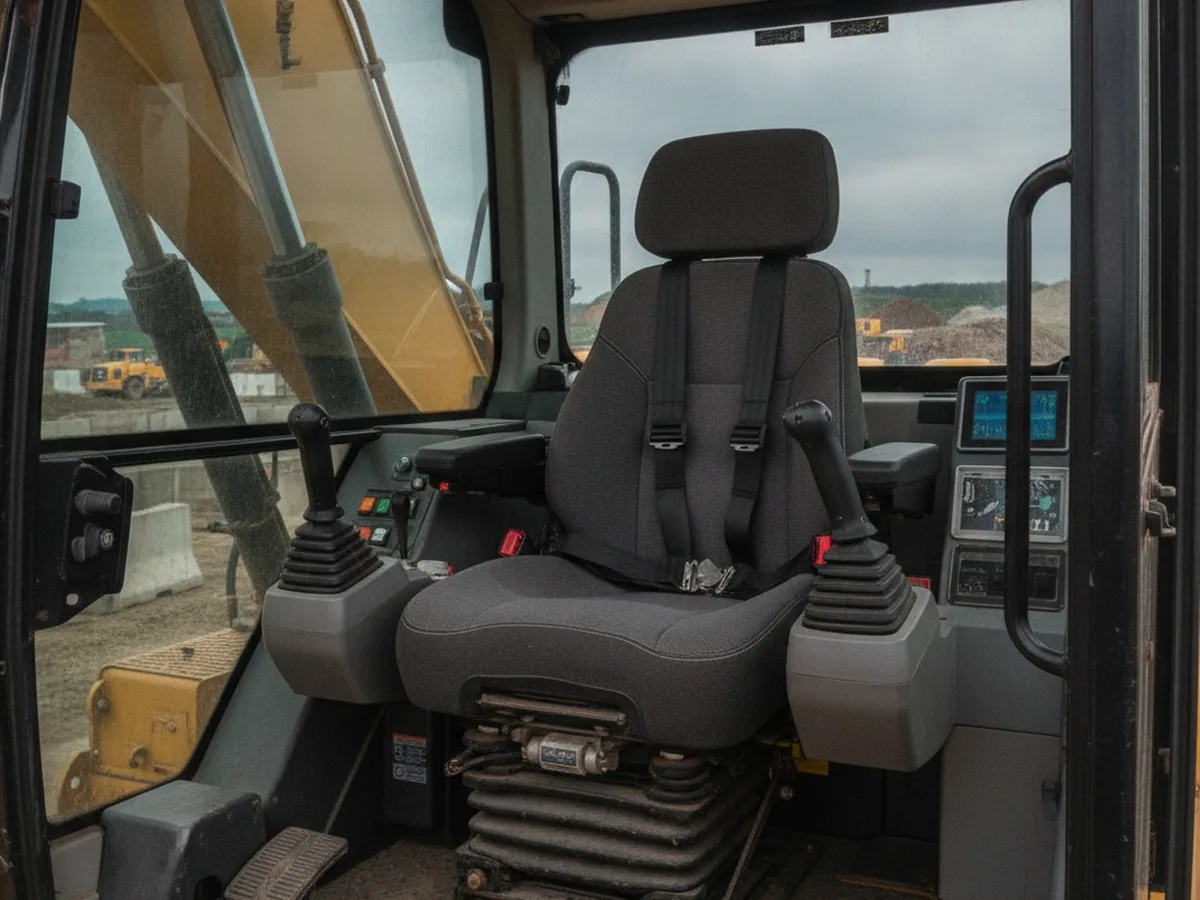
Two mechanical construction machinery seats for excavators, loaders, dozers and rollers. KL02 is a high back with full-body and head support, built for heavy plant. YS2-8 folds forward at 27.5 degrees and publishes 80 mm of suspension travel. Send three measurements of your operator station and the weight range of the people who run the machine, and within 48 hours you get which of the two goes on — a pedestal or a slew console is a different order from a plain floor plate.
Three Cab Conditions Shaping a Construction Machinery Seat
The roof line, the ground and the length of the shift are imposed by the machine. Each one rules in something a general-purpose machine seat would not offer.
Three conditions the machine imposes, converging on one specification
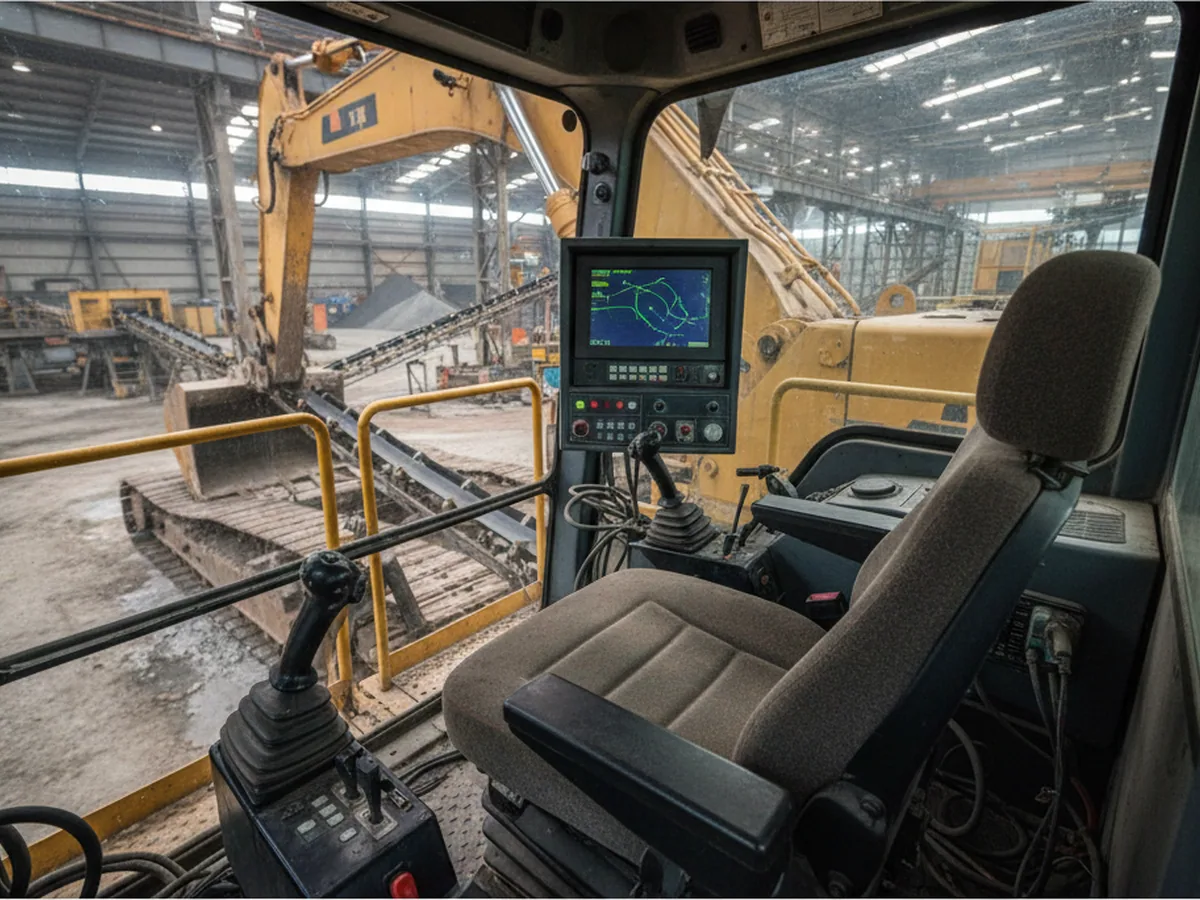
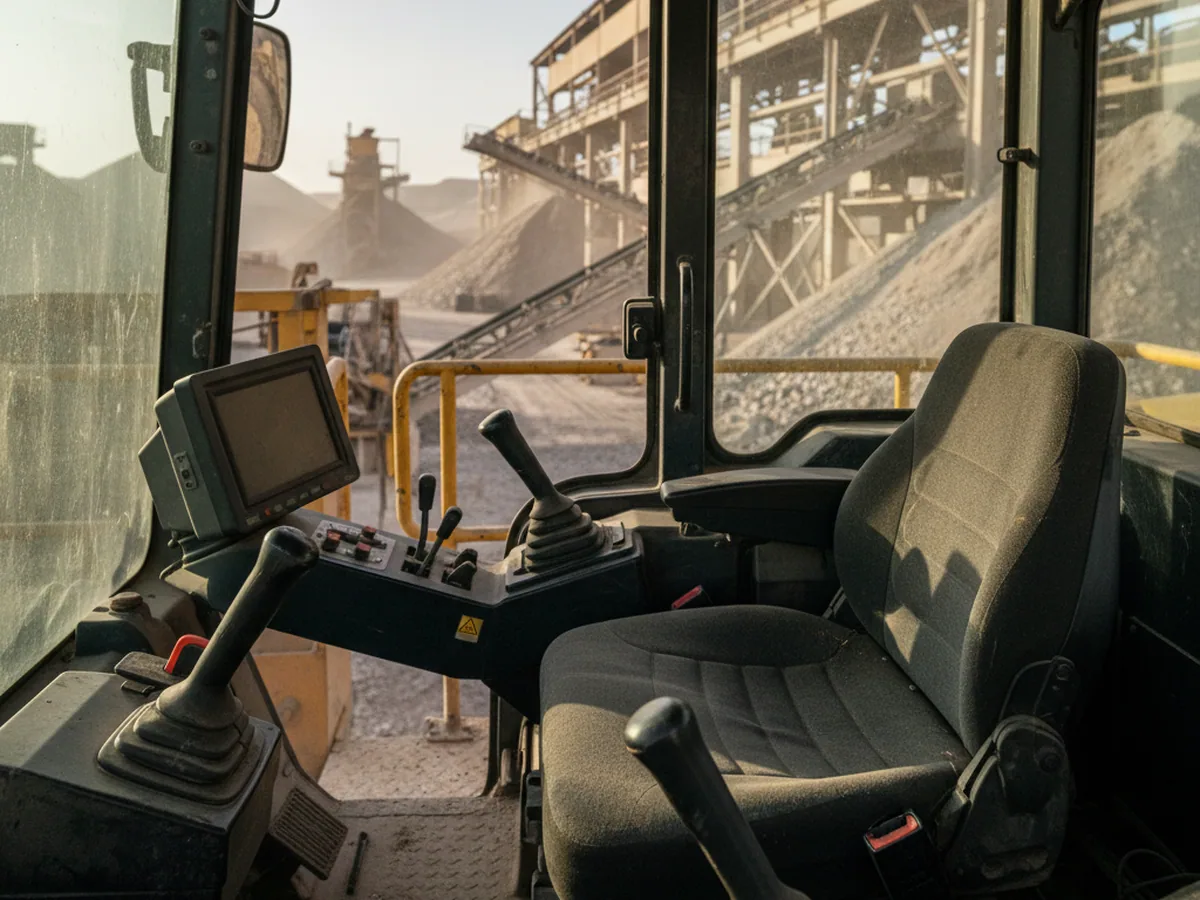
An Enclosed Cab Takes the Ceiling Off the Backrest
Inside a cab the height above the seat is set by the roof line and the door aperture, not by a guard a few hundred millimetres above the head. That is what makes a genuine high back possible: KL02 carries full-body and head support as a structural specification, not a trim upgrade — which is why the roof clearance measurement comes before the model.
The Ground Is the Dominant Input, and It Never Stops
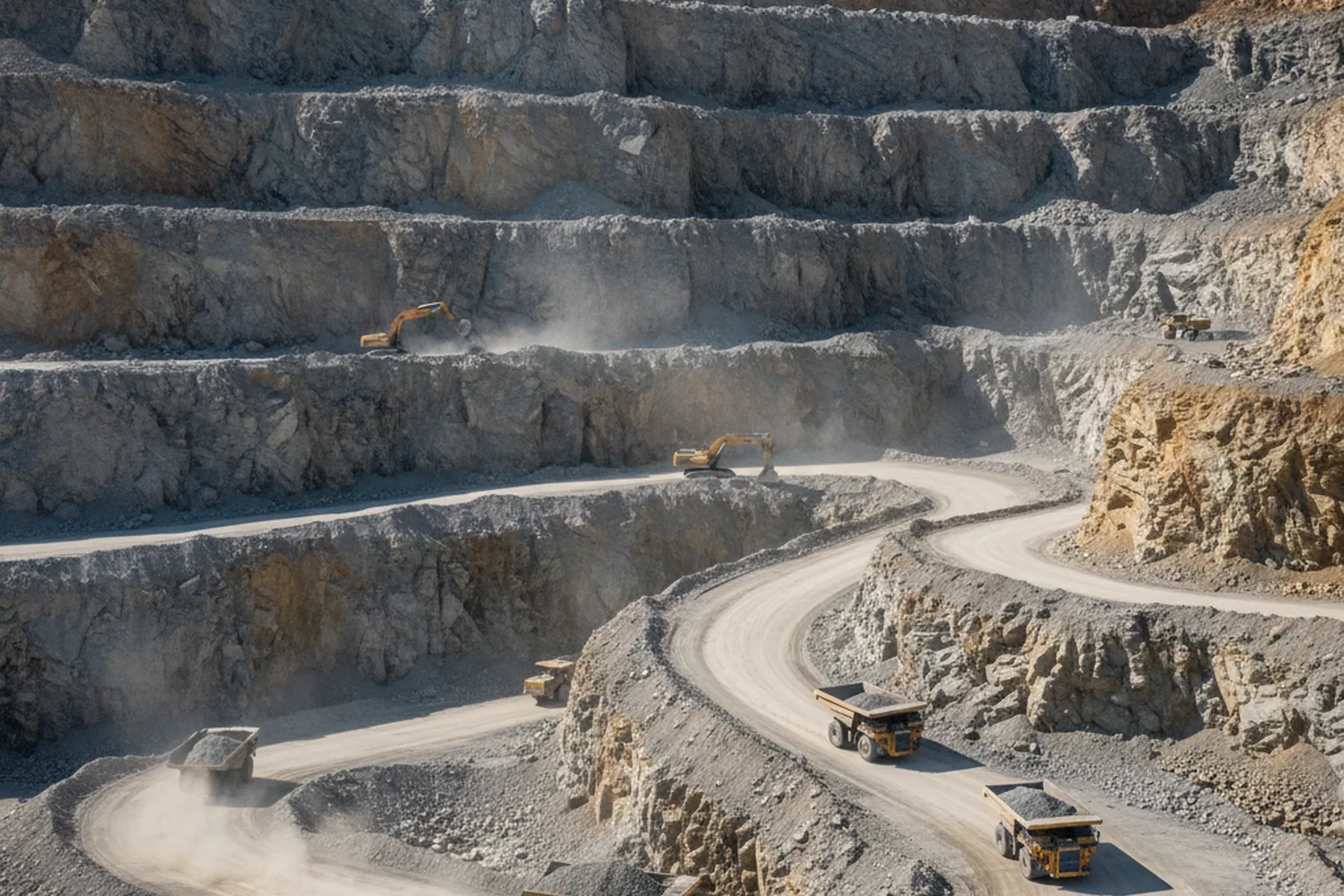
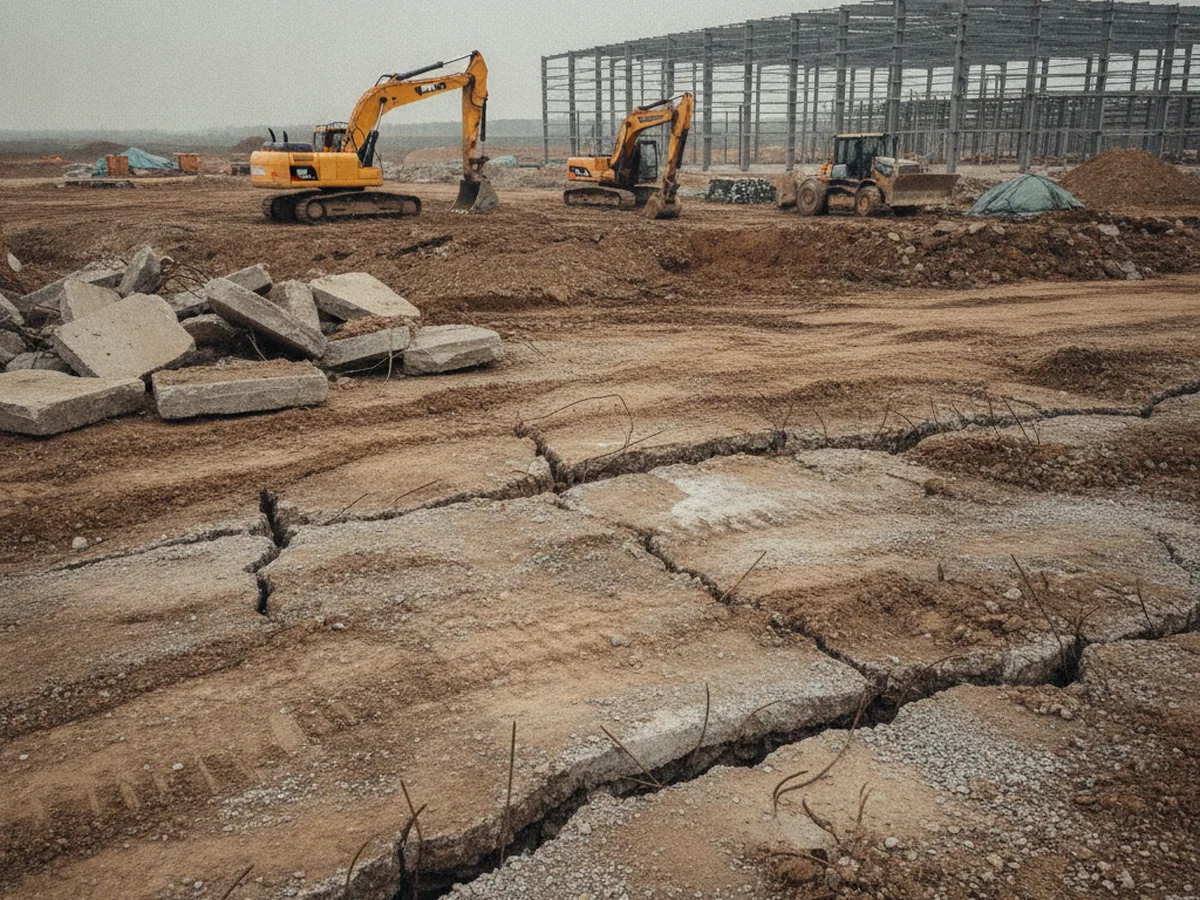
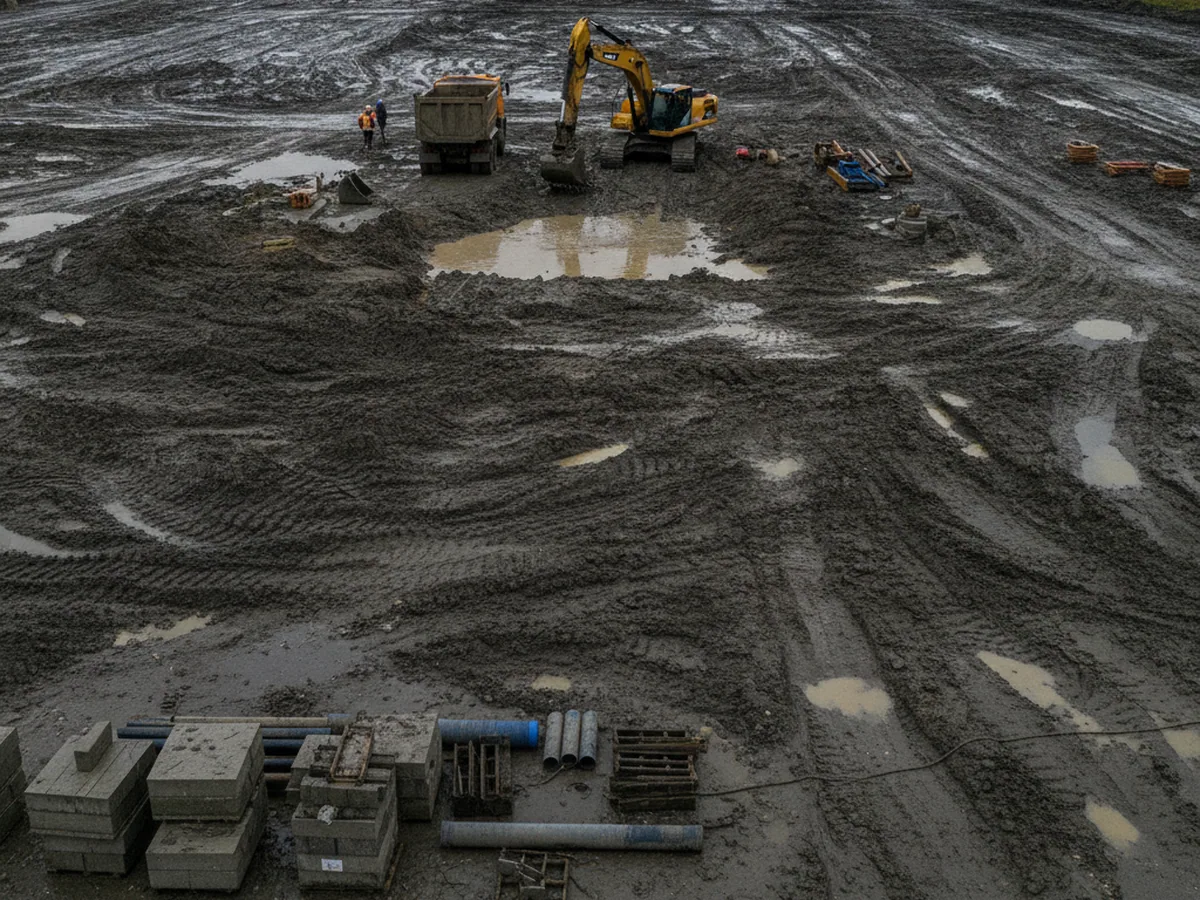
On earthmoving, loading and compaction the seat answers the ground continuously:
Tracked travel over spoil.
A loader shuttling across a rutted yard.
A roller drum putting a periodic input straight into the frame.
There is no flat floor phase to recover in, so published suspension travel is a figure to read: YS2-8 publishes 80 mm, and what that number protects has its own section.
Eight to Ten Hours Is a Structural Requirement
A plant operator is in the seat for the shift, turning to watch an attachment for much of it, with the load path running through the lumbar region into the frame. A low back with soft damping does not become uncomfortable at hour eight — it becomes a back complaint at month eight, a cost that never appears on the purchase order that caused it.
The ground the machine works on is the input the seat spends the shift answering
A rutted haul route has no flat phase in the cycle to recover in
The two models
Two Construction Machinery Seat Models: KL02 and YS2-8
One is chosen for support across a long shift, the other for travel, adjustment range and getting into a tight cab. A dash below means the figure is not published for that model.
KL02 — the High Back
Mechanical suspension, high back with full-body and head support, specified for heavy plant. The model to start from where the operator is in the cab for the whole shift and the roof line allows a tall backrest.
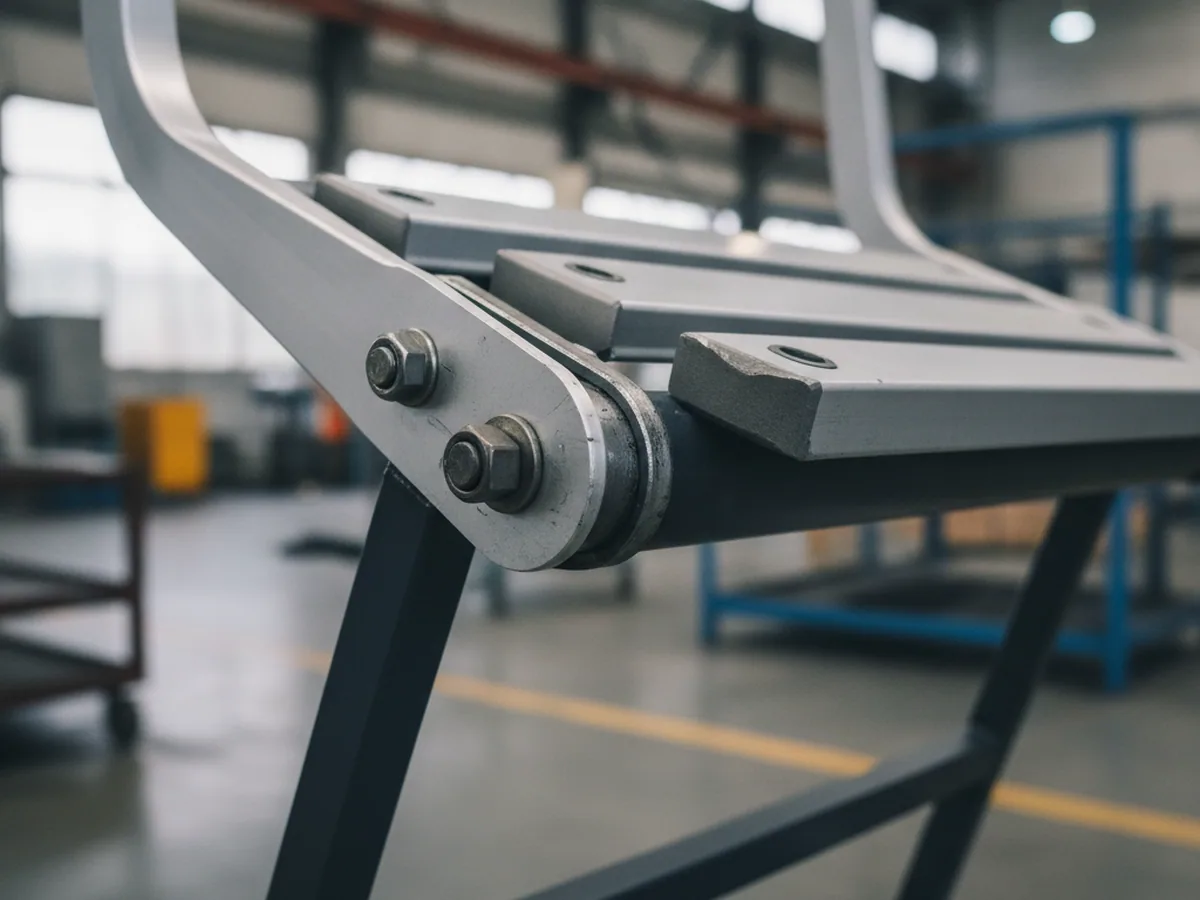
Mechanical suspension. The backrest folds forward at 27.5 degrees, which lets the seat come out of the way in a cab with a low door aperture or a windscreen that has to be reached.
A dash means the figure is not published for that model, not that the model lacks the item. Suspension travel and mounting dimensions are assembly-critical, so they are answered against your three measurements rather than estimated here.
Publish a number that turns out to be wrong and the seat arrives, the batch does not go on, and the machine waits.
A seat chosen for the first hour of the shift is judged in the ninth, by the person who has to climb back into it tomorrow.
What only you can measure
Three Operator Station Measurements
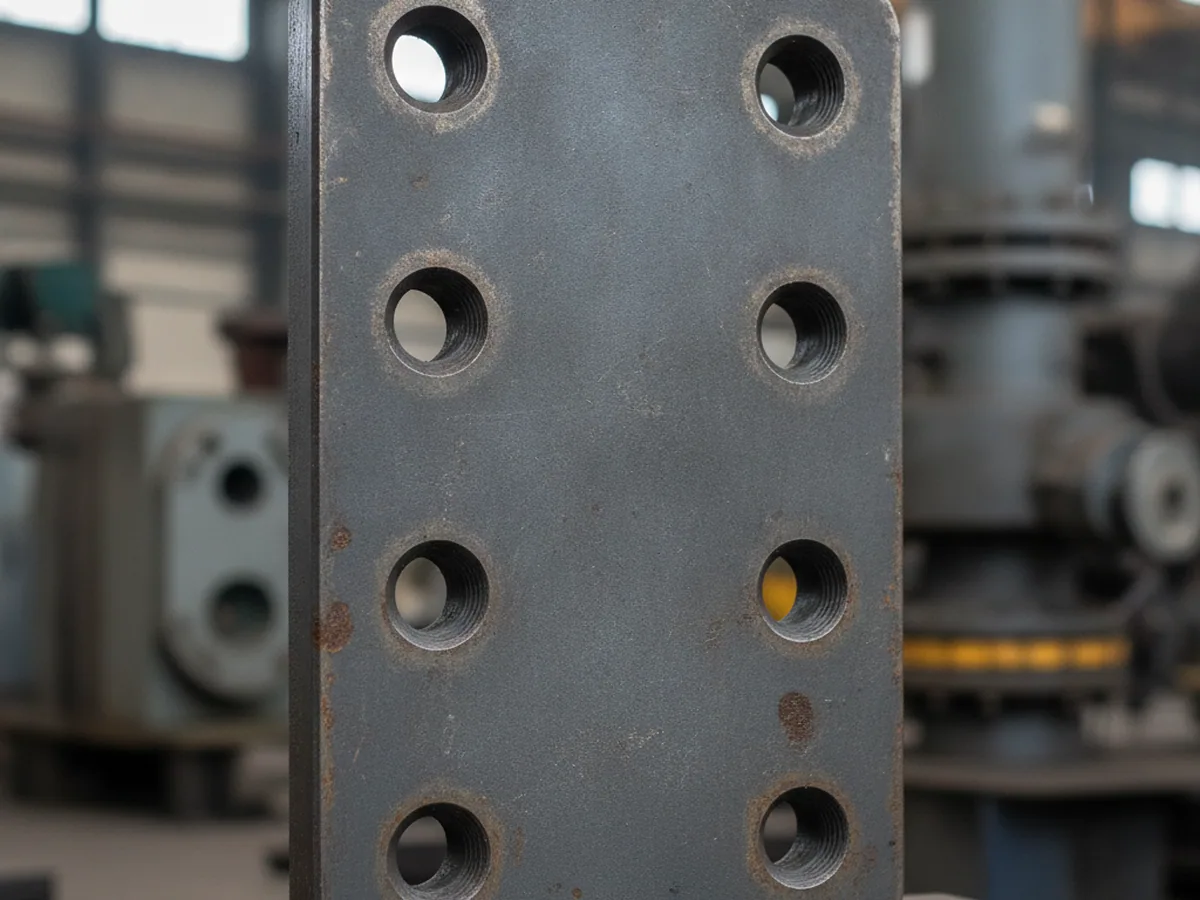
Bolt spacing decides whether a seat can be attached at all. These three decide whether it can be used once it is, and only you can take them.
Three mounting arrangements, and the one clearance measurement that decides the backrest
What You Send, and What It Settles
Send the three below plus the weight range of the people who run the machine; what a fitment answer contains is set out once, for every machine family.
What you send
What the seat stands on · height from the mounting surface to the cab roof lining, and the door aperture height · whether an operator presence circuit is expected · operator weight range.
What it settles
Which of the three ruled a model out — cab height, mounting interface, or the presence circuit — within 48 hours of your measurements.
"Too tall for the cab" and "wrong mounting interface" are different problems, and only one of them is solved by taking the other model.
On plant the seat rarely sits on a plain flat deck. It may be any of three, and they are not interchangeable:
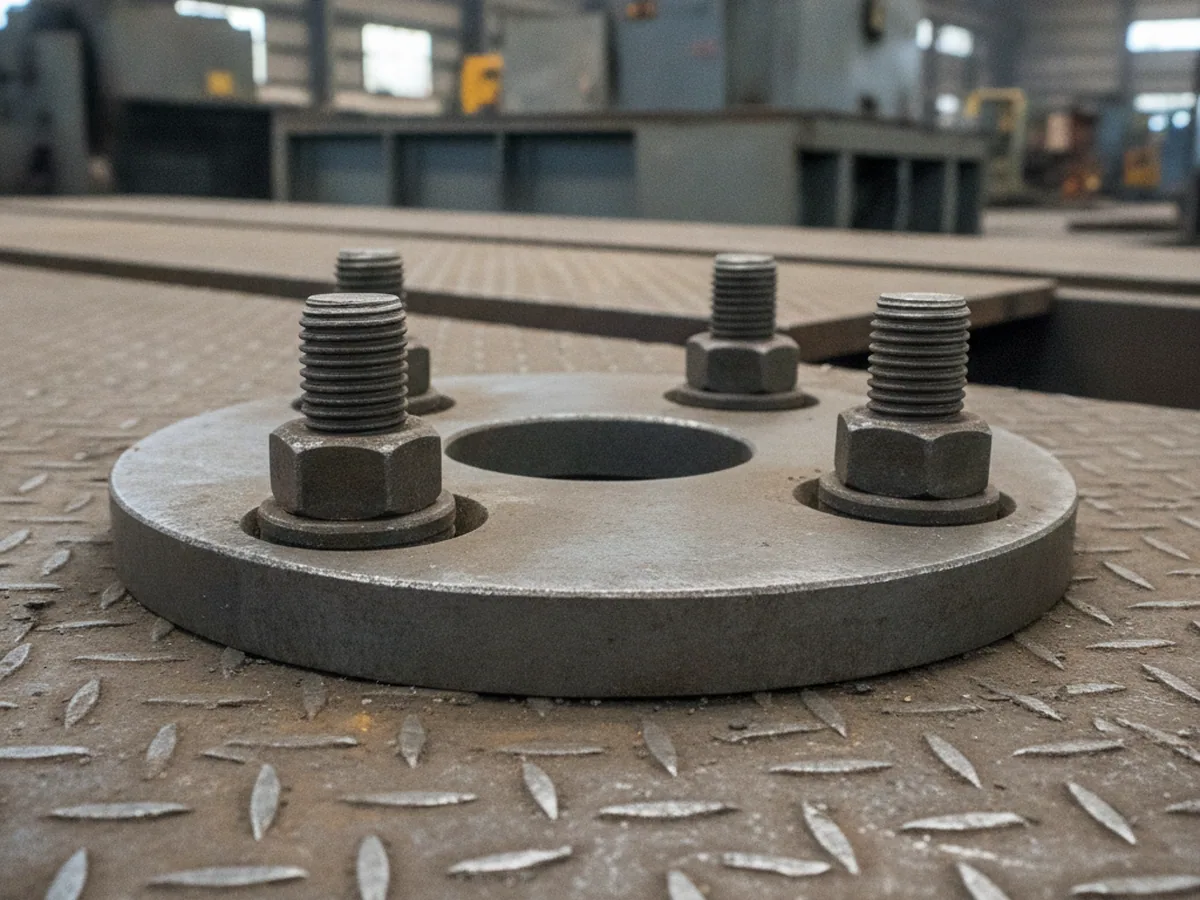
A fixed floor plate.
A pedestal raising the seat above the transmission tunnel.
A slew-mounted console carrying the seat and the control stands as one assembly.
A console moves the armrest-mounted controls with the seat, so a replacement has to respect the console interface, not just the floor. Photograph it with something in frame for scale.
2
How Much Height Is Left Above the Backrest, Door Shut?
Measure from the seat mounting surface to the cab roof lining, and note the door aperture height separately. Those two decide whether the KL02 high back is usable or ends up against the lining. The aperture matters as much as the roof: a seat that fits the cab but will not pass the opening has to be dismantled to install — once per unit, across the batch.
3
Does Anything on the Seat Have to Be Wired?
Both models are mechanical, so on a 24 V machine the seat is a passive assembly. The only thing that puts it on the circuit is operator presence sensing — what the presence circuit changes is settled before the order, not at goods-in.
Bolt spacing decides whether a seat attaches, not whether it can be used
A pedestal or a console is a different interface from a floor plate
The door aperture is measured separately from the roof
Suspension travel is the distance the mechanism can absorb before the operator starts taking the input directly. On broken ground that distance does structural work — and only if the weight adjuster has been set.
80mmPublished suspension travel — YS2-8
50–130kgOperator weight adjustment range — YS2-8
150mmFore-and-aft adjustment — YS2-8
Inside the travel the mechanism absorbs; beyond it the frame passes the input straight on
What the Travel Is Actually Absorbing
Inside the travel, the mechanism takes the input.
Beyond it the frame takes it and passes it on — a suspension at the end of its stroke transmits more than no suspension would, because what arrives is an impact rather than a movement. So the figure is read against duty cycle, not comfort: spoil, a rutted yard and a roller drum are three different demands on the same 80 mm.
The Adjuster Is Not Optional, and It Is Not Set Once
The 50–130 kg band exists because spring rate has to match the person in the seat. Set light, the suspension bottoms out on inputs it should have absorbed; set heavy, it barely moves and the travel is decorative. On a machine handed between shifts that is a two-second task at handover which belongs to somebody, and usually belongs to nobody.
Travel Consumes Cab Clearance
Travel is assembly-critical: it decides how much clearance the seat uses at the top of its stroke. A seat that clears the lining at rest can still meet it under load, which is why the roof clearance measurement is taken with the door shut and answered against your cab rather than against a general rule.
Suspension units are one of our own component lines
Spoil, a rutted yard and a roller drum are three demands on the same 80 mm
The one item on a construction machinery seat with a safety function, and the one most often handled as an assumption instead of a question.
Machine-side
Seat-side
Two Ways a Machine Can Handle It
The machine senses the operator itself
Nothing electrical is expected from the seat, and a seat delivered with a harness on it is a seat with a loom nobody will connect. This is the simpler case and it is the more common one on mechanical plant seating.
The machine expects the seat to tell it
The circuit runs through a sensor in the seat and a connector at the base, and the machine will not enable travel or the hydraulics without it. Here the connector type and the harness slack are part of the specification, not accessories added afterwards.
Two configurations, two different things expected from the seat
What We Publish, and What We Build
Published
Neither KL02 nor YS2-8 is published as carrying a presence sensor fitted.
Built here
We build pressure sensors and micro switches on the same site as the complete seats, so the question is answerable — against your machine, not from a catalogue line.
In the enquiry
If your machine expects the circuit, say so and it becomes part of the fitment answer.
What Getting It Wrong Costs, and When You Find Out
Neither error shows at goods-in:
A seat with no circuit on a machine that requires one will not enable.
A seat with the wrong connector on the right machine does the same.
Both are found by an operator at the start of a shift, and across the entire batch at once, because a batch is ordered to a single specification. That is why the connector type and the harness slack are asked for before the order.
Sensors and micro switches are built on the same site as the complete seats
Connector type belongs in the enquiry, not in a discovery at goods-in
Order of failure
Plant Seat Wear Order and Shelf Spares
A construction machinery seat does not fail all at once, and it does not fail where the operator is looking. The sequence is predictable enough to stock against.
The Sequence
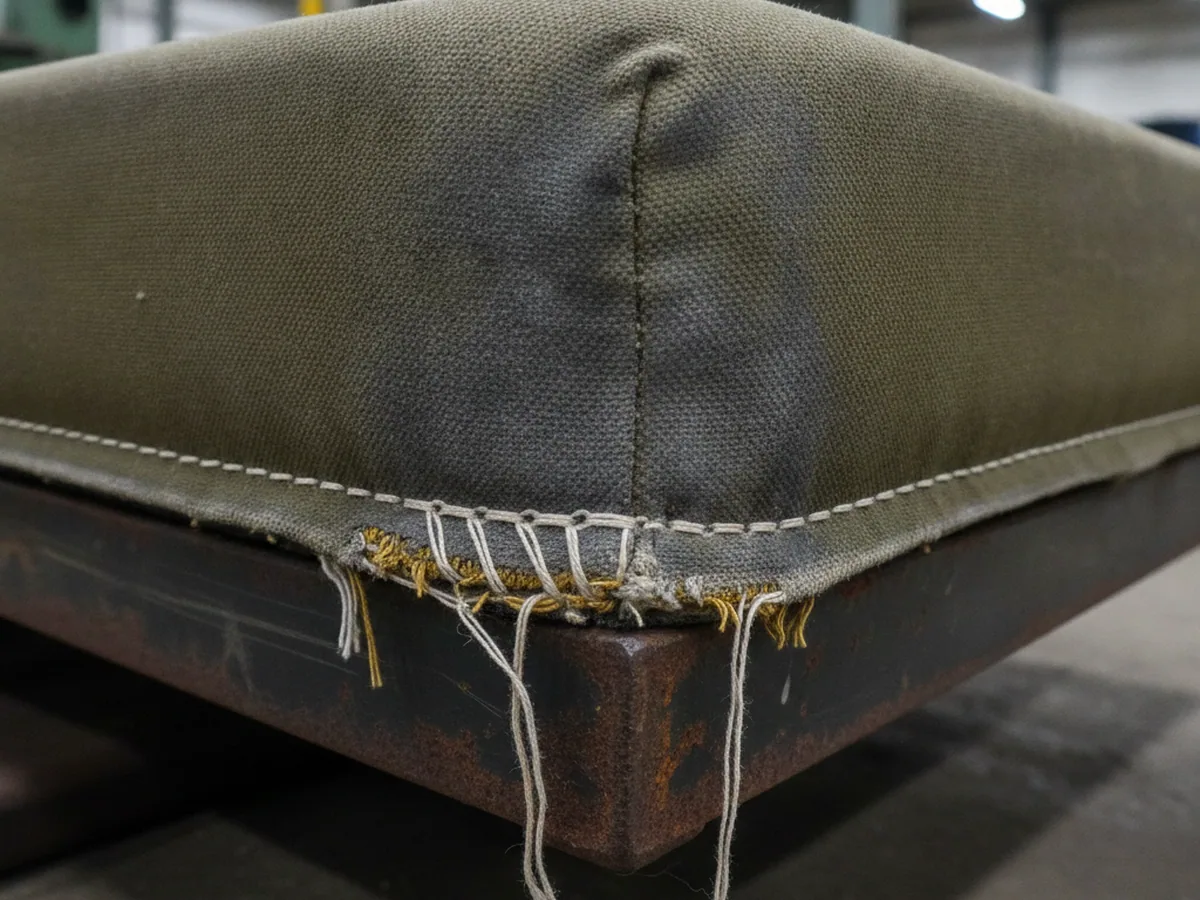
1Cover surface and seamsGrit carried in on clothing and boots is an abrasive working against the cover on every entry, and the stitching goes before the face of the material does. On open plant, weather between shifts runs alongside it.
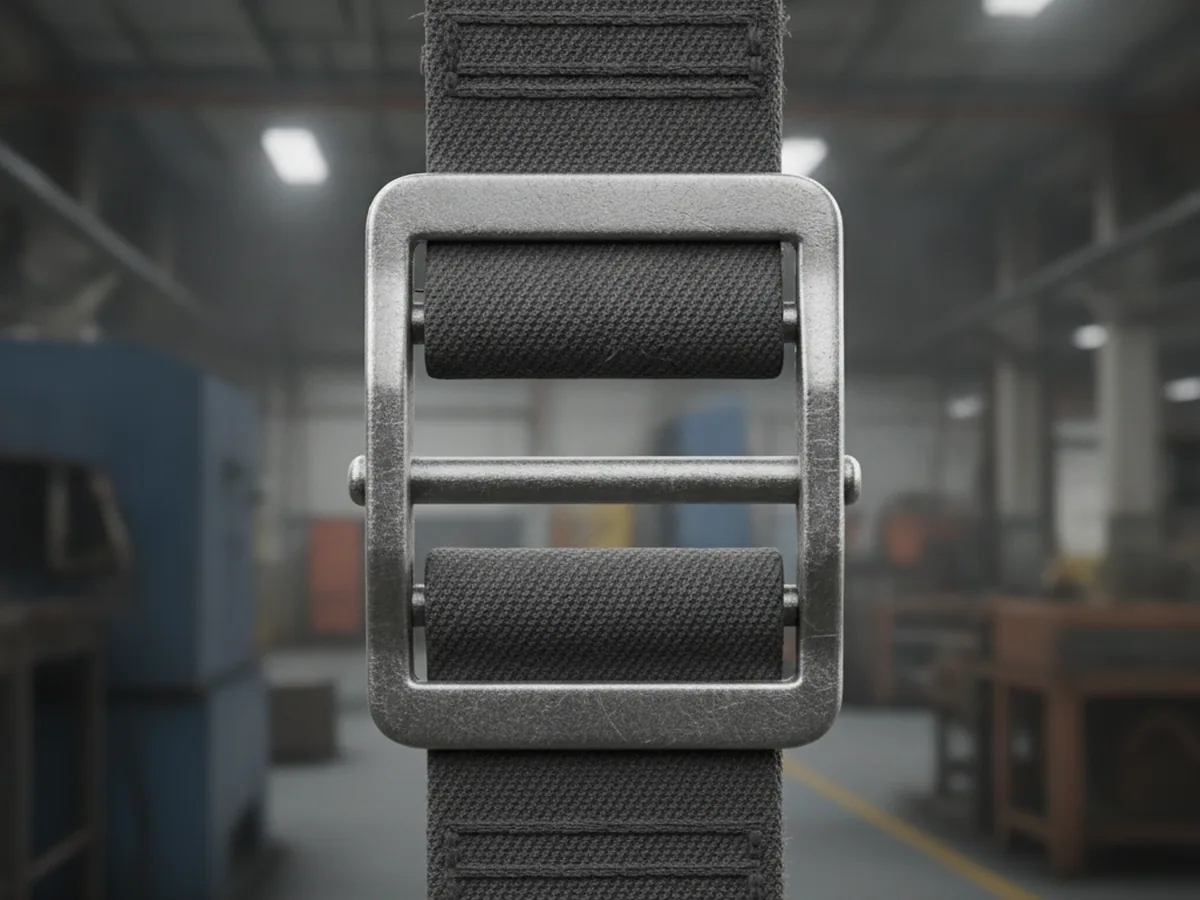
2Seat belt retractorThe retractor on YS2-8 is a spring mechanism in a dusty environment. It is a safety item, which makes it the one on this list where "still works, a bit stiff" is not a state to leave it in.
3ArmrestAdjustable armrests are moving joints on a machine that vibrates continuously. They loosen before anything structural does — and on a console station with controls mounted on them, a loose armrest is more than a comfort problem.
4Rail and slideThe 150 mm of fore-and-aft travel runs on a rail, and a rail in a cab opened to the site collects grit. Notchy travel is the early symptom; a rail that has to be forced is the late one.
5Suspension, lastSoftness is the late symptom. This is the part people expect to replace first, and almost never do.
The Four Worth Holding
CoverClears the first failure without touching the frame, and decides whether a cab looks maintained.
Seat beltA safety item with a wear mechanism, which is the combination that justifies shelf stock over reactive ordering.
Armrest assemblyThe first moving part to go, and cheap next to a machine with an unusable control station.
Suspension unitStep five, and the only one of the four worth ordering reactively, because steps one to four give you months of warning.
Stitching goes before the face of the material
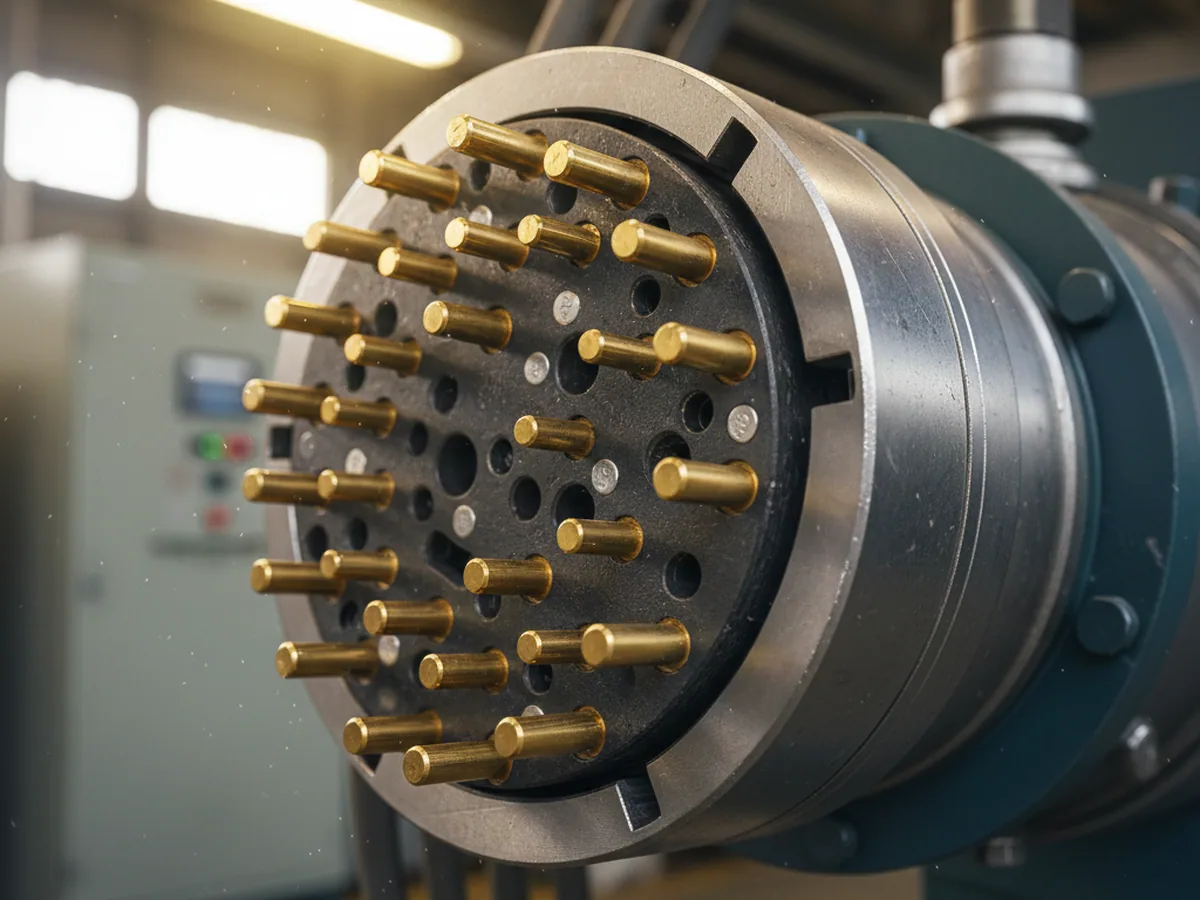
A spring mechanism in a dusty environment
Moving joints on a machine that vibrates continuously
A rail in a cab opened to the site collects grit
All four are built on the same lines as the complete construction machinery seats.
Suspension type is not an axis here — both models are mechanical. These five are where a real difference exists.
KL02
YS2-8
Axis
KL02
YS2-8
Backrest
High back, full-body and head support
Folds forward, 27.5 degrees
Operator weight adjustment
—
50–130 kg
Suspension travel
—
80 mm
Fore-and-aft adjustment
—
150 mm
Cab access
Fixed high back — needs roof and door-aperture clearance
Backrest folds clear of a low door aperture; height adjustment 60 mm
How to Read the Five Axes
The backrest row decides it. It is not a quality ranking — it is two answers to what happens in the cab. One operator seated for the shift, watching an attachment: full-body and head support. A low door aperture, or a seat that has to fold to reach a windscreen or a service point: the forward fold.
Where travel, adjustment range or weight band is what your decision turns on, the three measurements answer it against your machine — a better answer than a table row.
Plant This Range Does Not Cover
Walk-behind and stand-on plant — pedestrian rollers and compactors — carries no seat to replace.
Machines whose operator station is a moulded pan formed into the bodywork, with nothing to bolt a seat to.
Every row above is a published figure, read against your measurements
Your measurements are the drawing this comparison is read against
Three of fourteen
Strength, Creep Wear and SIP Benches
The test centre runs fourteen machines on site. These three report on what actually happens to a seat in a plant cab; the other eleven are on the same floor and photograph on request during qualification.
Comprehensive strength
Creep wear
SIP
Comprehensive Strength
The frame under somebody who is not sitting still.
Creep Wear
Abrasion under repeated low load.
SIP
Where the operator ends up after the suspension has moved.
Comprehensive Strength — the Frame Under Somebody Who Is Not Sitting Still
On plant the operator is bracing, turning and being moved by the machine for the whole shift. That is a structural load case, not a static one, and it lands in the frame, the backrest mount and — on a high back — the section carrying the head support.
Creep Wear — Abrasion Under Repeated Low Load
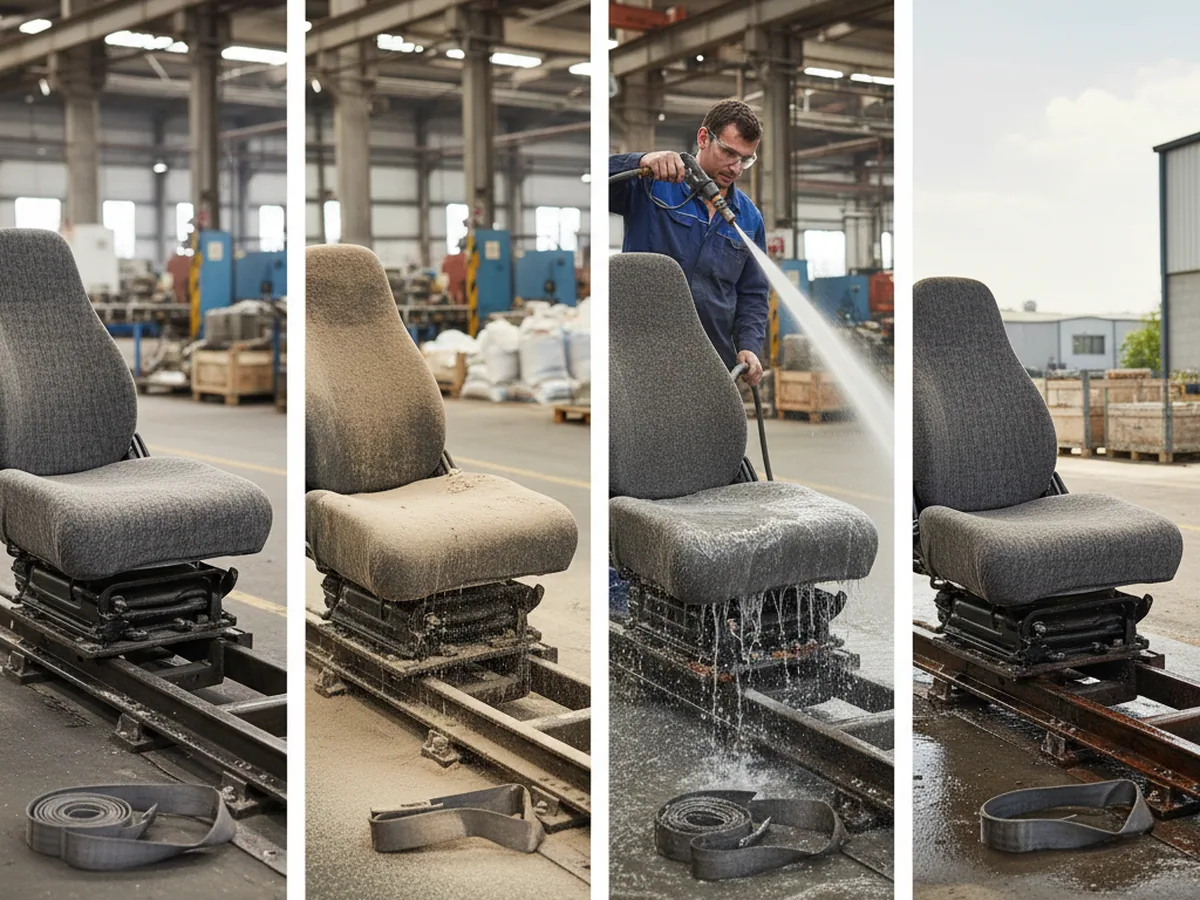
Grit carried into the cab abrades the cover at the same places thousands of times. This bench measures the failure that comes first in the wear sequence.
SIP — Where the Operator Ends Up After the Suspension Has Moved
The seat index point is the reference the cab geometry is measured from. With real travel that point moves through the stroke, and where it ends up connects a seat dimension to the clearance and the sightline the operator gets — which is what makes the roof clearance measurement answerable.
What You Can Actually See
Every bench sits on our own floor and photographs. Ask during qualification and the pictures come by email, one machine at a time — a bench you can look at is more useful than a paragraph claiming strict quality control.
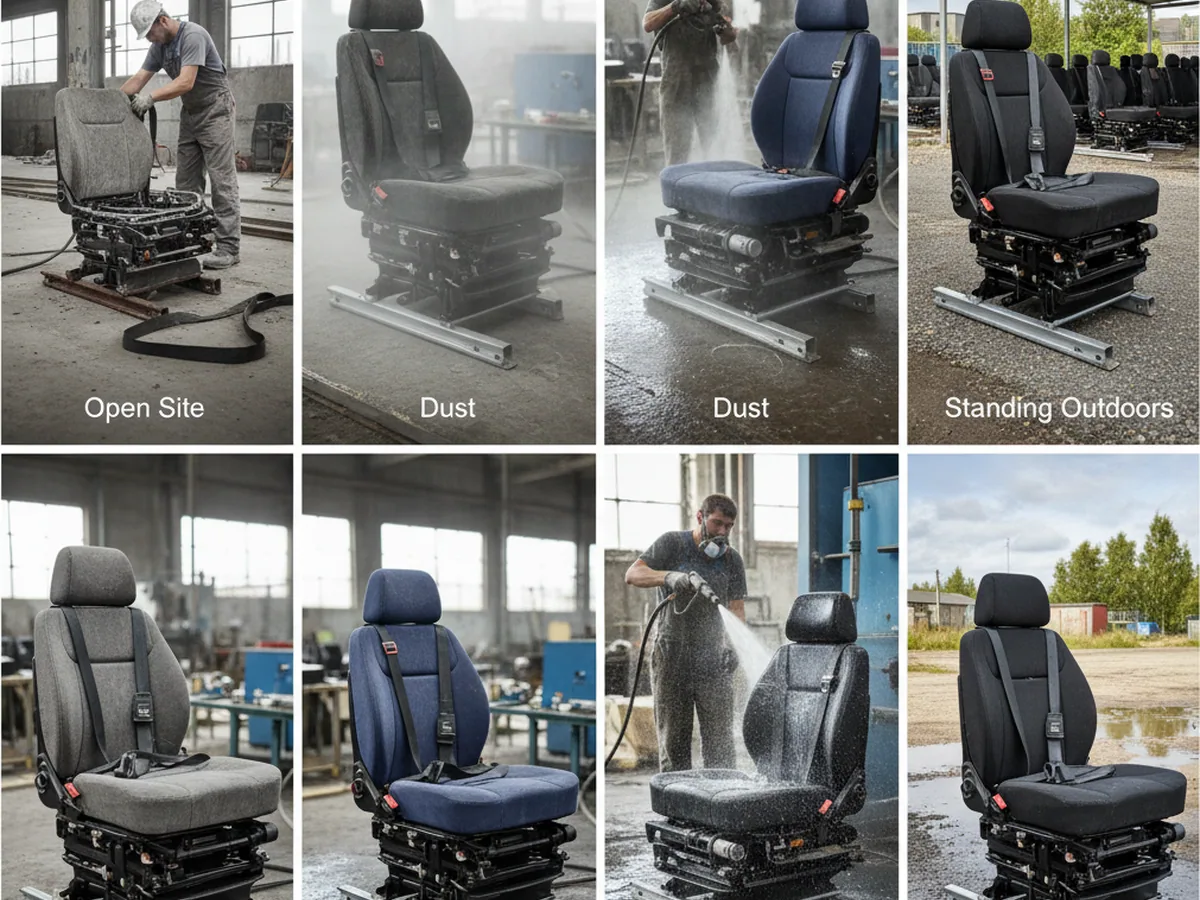
The site condition does not only pick a cover. It reaches the rail and the belt retractor as well, and those two are the ones nobody asks about until something stops moving.
Open site
Dust and aggregate
Wash-down and mud
Heat and long exposure
Condition
Cover
Rail and suspension
Belt
Open site, no cab door shut
Weather between shifts and UV on the same panel every day
Grit reaches the moving joints in normal use
Retractor exposed to rain as well as dust
Dust and aggregate
Abrasion at the seat edges from clothing and boots on every entry
Fines pack into the rail and turn travel notchy
Webbing has to retract cleanly once it is dusty
Wash-down and mud
Direct water at the seams rather than on the face
Mechanism hosed with the machine, and how often
Webbing left wet in the retractor
Heat and long exposure
Surface temperature at the start of a shift, and what a season does to the material
Lubricant behaviour at cab temperature
Mechanism where the belt anchors
Fines pack into the rail before anything else notices
Mud arrives in the cab on boots, every entry
Wash-down puts water at the seams rather than on the face
Site Condition as an Input
Give the condition alongside the three measurements and the answer names the model we would put forward for it — or says that the condition sits outside what a standard model is intended for, before quotation rather than after.
The Column People Skip
The belt column is left out of almost every enquiry, and on YS2-8 the belt is a retractable mechanism rather than a static strap. A retractor that has stopped retracting is the kind of item a site works around instead of reporting, which is how a safety part becomes a habit.
Vibration is not something an operator notices at the end of a shift. It is something an operator has been absorbing since the start of it.
Factory or middleman
Factory or Middleman: Three Tells
Each has an answer that can be given or refused, and the refusal tells you as much as the answer. Ours are below each question. Ask the same three of whoever else is quoting.
1
Who actually made the suspension inside the seat you are quoting?
Ours is ours. Suspension units are built on the same site as the complete seats, alongside armrests, belts, rails, covers and switches. A supplier who buys the suspension in can quote you a seat and cannot change what is inside it — and on this category the suspension is the part your duty cycle is buying.
2
What happens to a batch that fails your own bench?
It is held, and traced back to the operation or the component batch that caused it before anything moves. Releasing it with a note and watching what comes back is a real policy some suppliers run; know which one you are buying from before a batch goes wrong.
3
If you cannot seat my machine, will you say so before the sample stage?
The plant this range does not cover is listed above, and the fitment answer names what fits and what does not, including which measurement ruled a model out. A supplier who has never told you what they cannot do has not yet had the conversation that tells you what they can.
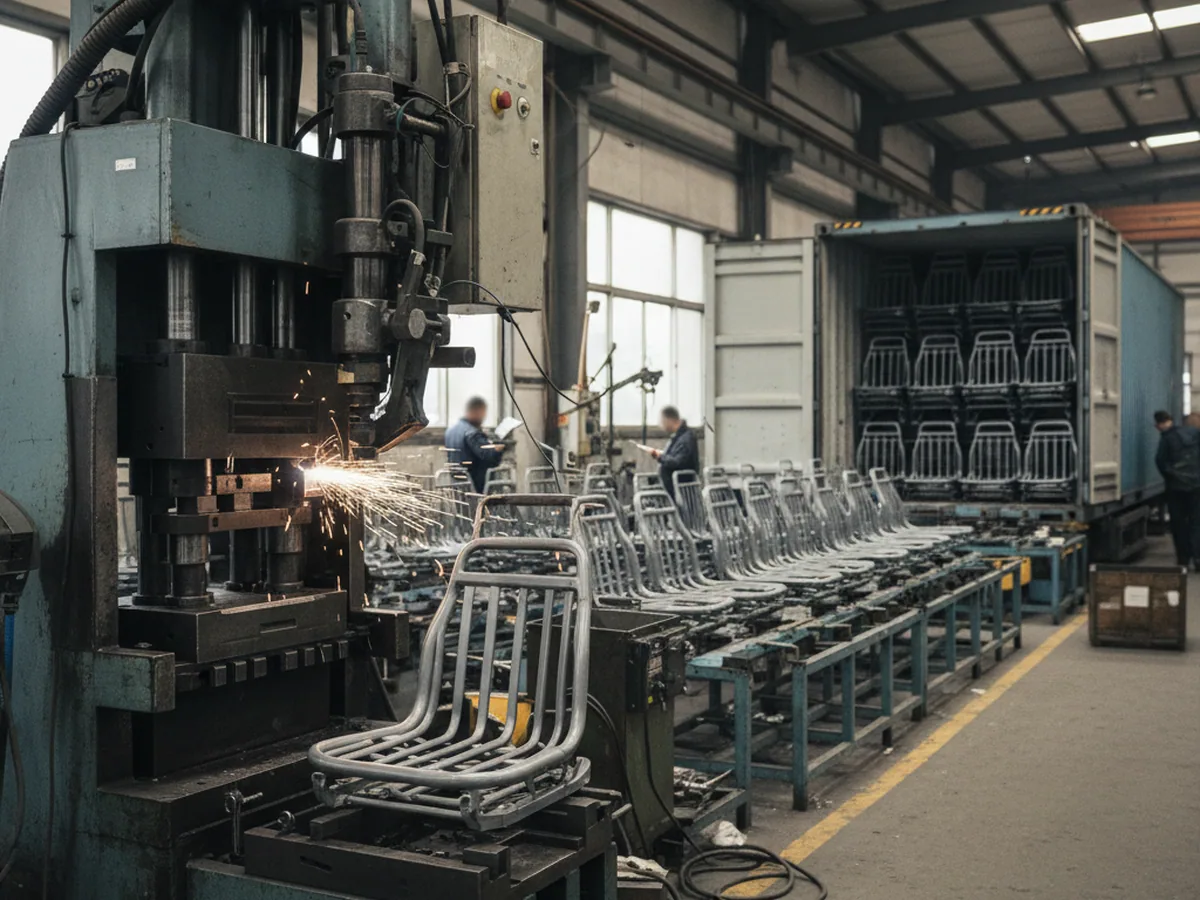
Assembly is the fourth of the four operations, none subcontracted
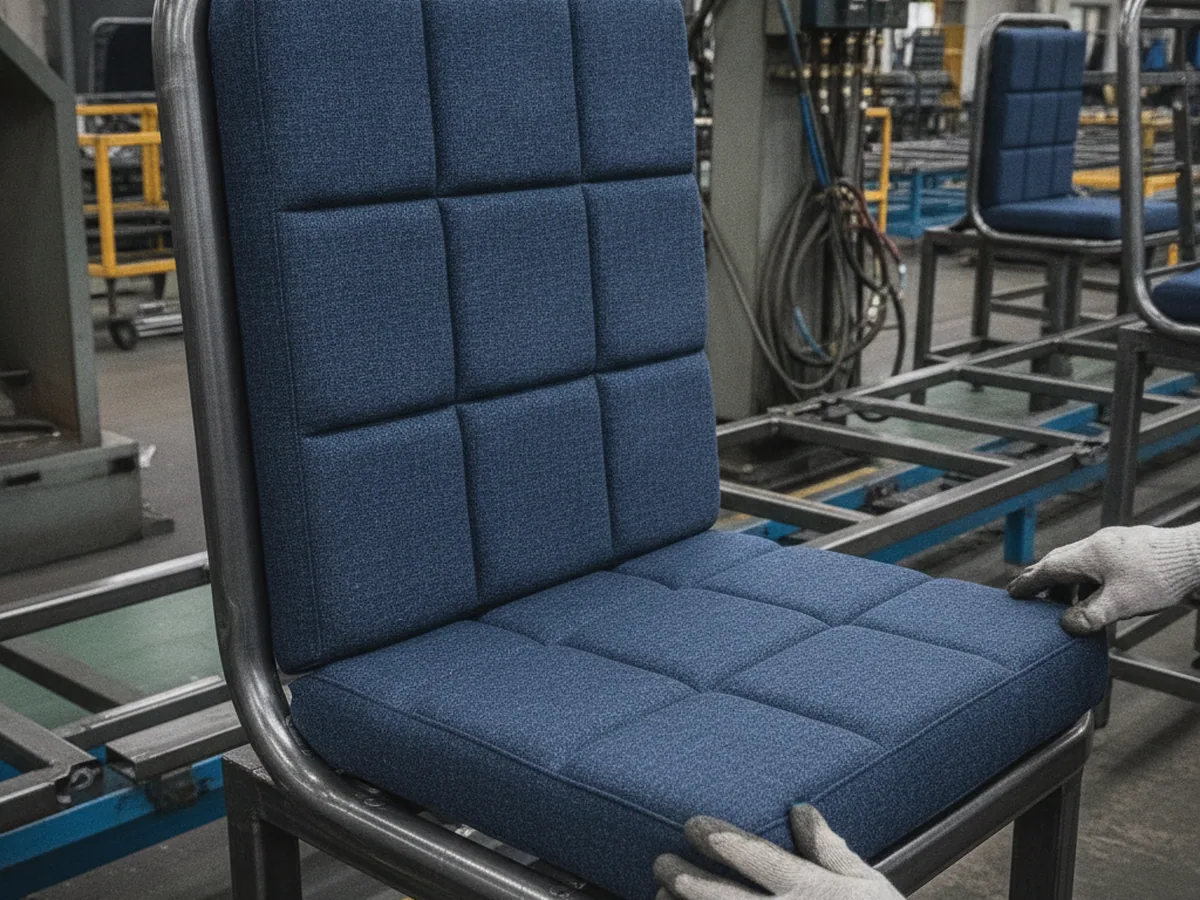
Foaming happens here, which is why a repeat order is the same seat
Held, and sent on request
ISO 9001:2015 and CE
ISO 9001:2015
CE
Both scans travel with the sample quotation for a plant order, and nothing is added to the list between website and quote. What each one covers.
How to start
One Seat in One Machine First
Bolt a single seat into the specific cab before a batch is built: the interface it stands on, the height above the backrest and the door aperture are proven the first shift somebody runs in it.
Sample
1 seat, 7 days; the cost is deducted from the bulk order that follows
What does 27.5 degrees of forward fold actually get me?
Room. On YS2-8 the backrest folds forward, which gets the seat out of the way for access through a low door aperture, for reaching a windscreen or a service point behind the station, and for shipping. It is a cab-access specification, not a recline feature.
Can you give me the mounting hole spacing for KL02?
Send the three measurements and the operator weight range instead. The reply names which of the two goes on your station and, where one does not, which measurement ruled it out.
Is 80 mm of suspension travel too much for a low cab?
It can be. Travel consumes clearance at the top of the stroke, so a seat that clears the lining at rest can still meet it under load. Send the height above the backrest with the door shut and it is answered against your cab rather than against a general rule.
The original seat on my machine is no longer made. Can you supply a replacement?
Often. Send what the seat is standing on, the height left above the backrest and the operator weight range. Replacement where the original part has been discontinued is a large share of this category, and it is answered by measurement rather than by a cross-reference table.
Send your mounting measurements
Send Your Mounting Measurements and Operator Weight Range
Floor plate, pedestal or slew console; the height left above the backrest with the door shut; whether the machine expects a presence circuit; and who sits in it, lightest to heaviest. Four lines, and the reply names the model.
ISO 9001:2015
CE
Pictures of the operator station and the door aperture: sales@klseats.com
0086-136 1700 5124 · 0086-791-8577 6525
Lead with the measurement you are least sure of — on plant that is usually the height left above the backrest with the door shut.
24 business hours to a first reply; the named fitment answer follows within 48 hours of your measurements.